Science Fantasy Adventures Fueled By A Bibliomancy Oracle

Back in October of 2023, we celebrated being at the halfway mark in completing a thrilling new project at Grailrunner. Incredibly, and I can’t believe I’m finally typing this, we’re finished! This puppy is ready to run!

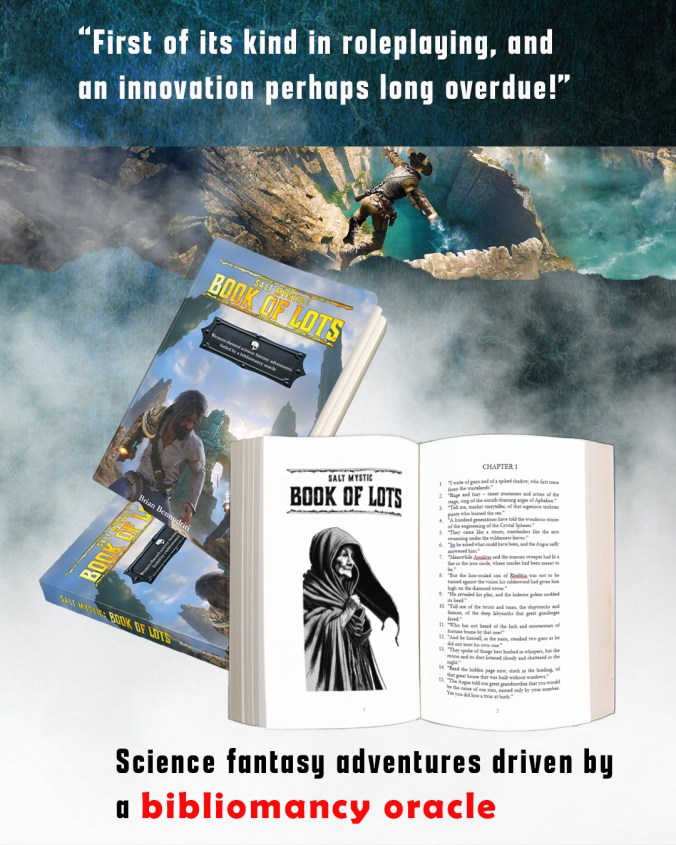
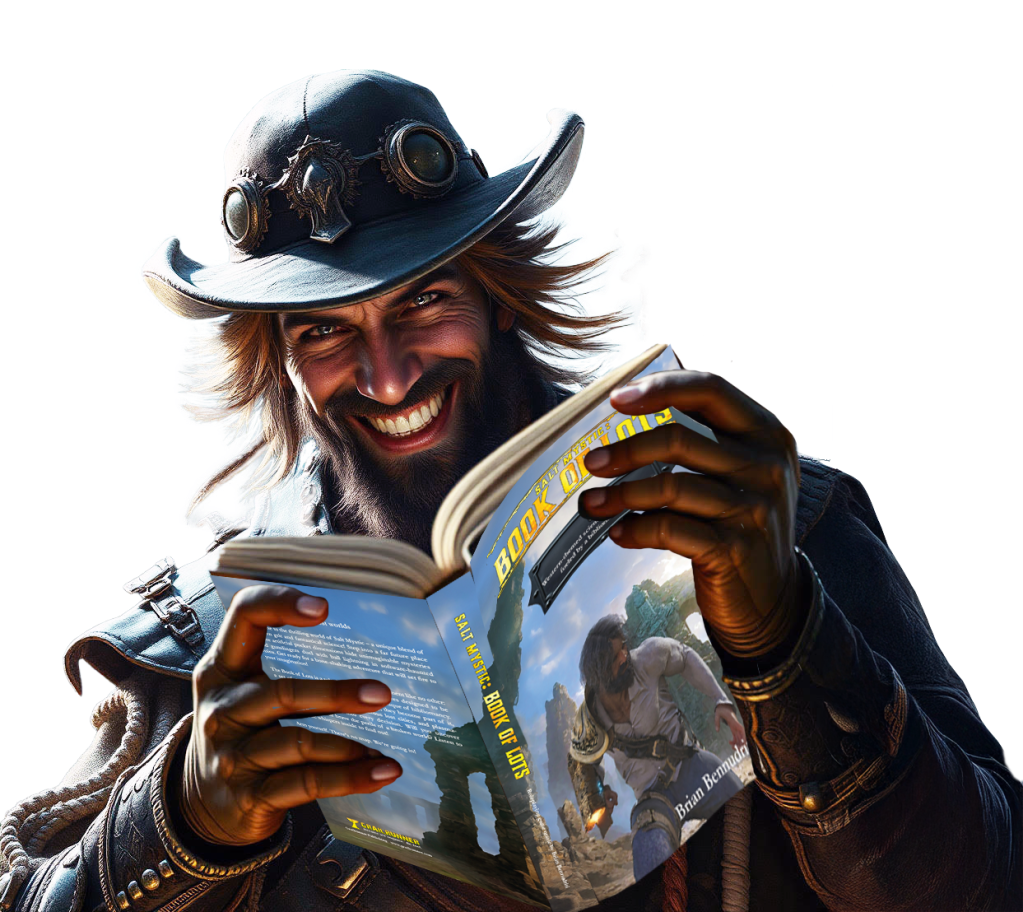
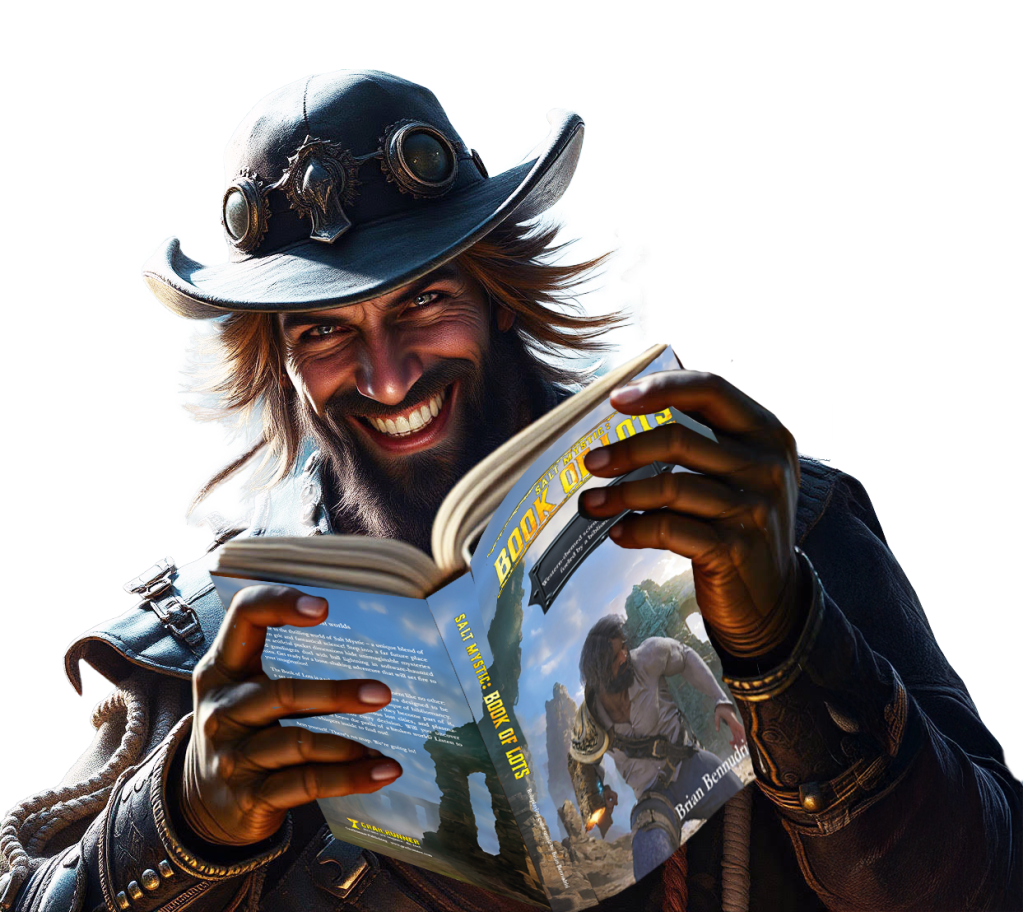
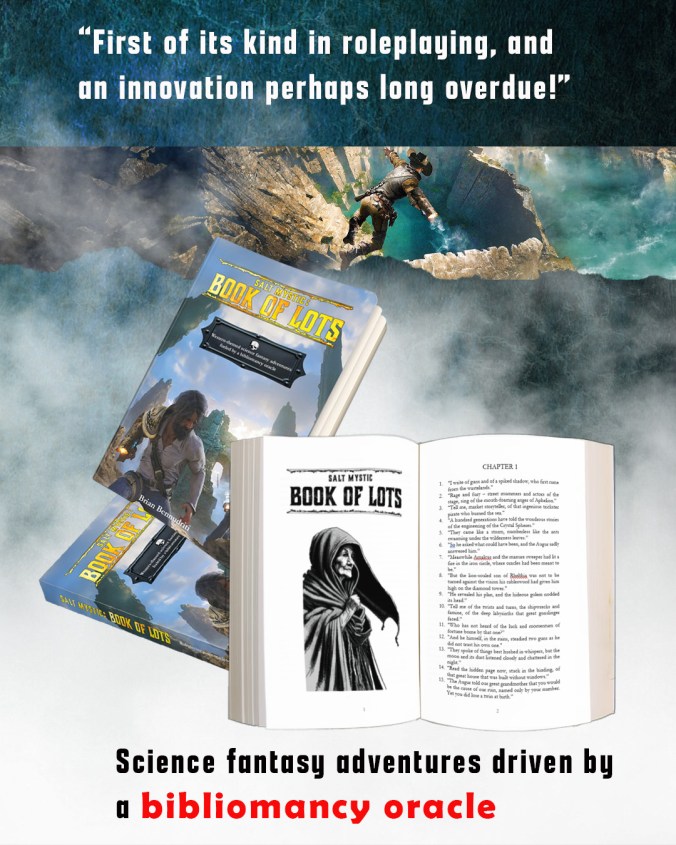
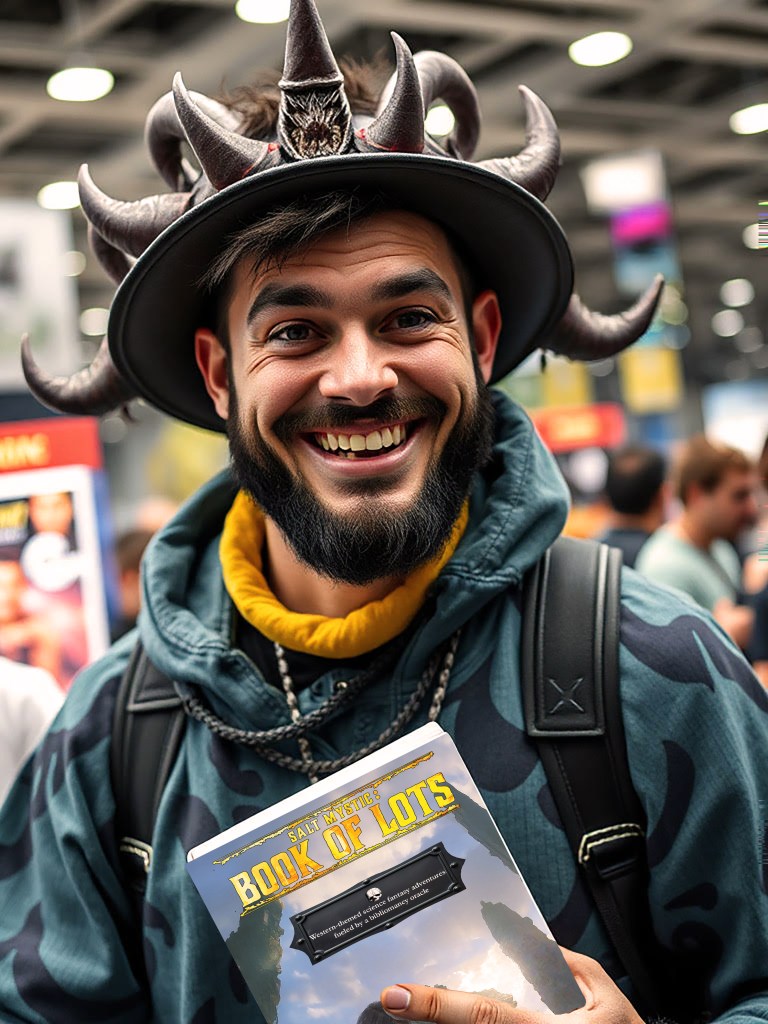
March 1st, 2025, we are launching SALT MYSTIC: BOOK OF LOTS, a roleplaying game & supplement aimed at the solo player providing western-themed science fantasy adventures through a bibliomancy oracle.

Who are we?

If you’re new around here, we’re Grailrunner, an indie publisher of science and speculative fiction fiction and games. Our driving passion and special emphasis is on the creative process – innovations in immersive storytelling. Read about that here.

What is the BOOK OF LOTS?

The spirit behind the whole project was to provide the thrill and danger of exploration and adventure inside the cover of a book and to open a fully realized world accessible through the fortune-telling mechanics of bibliomancy.

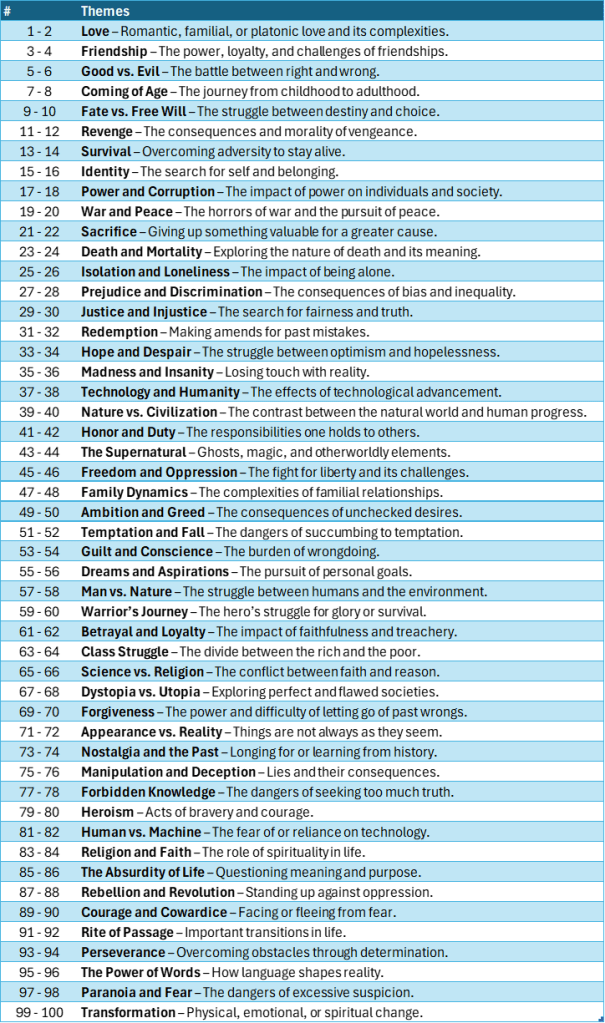
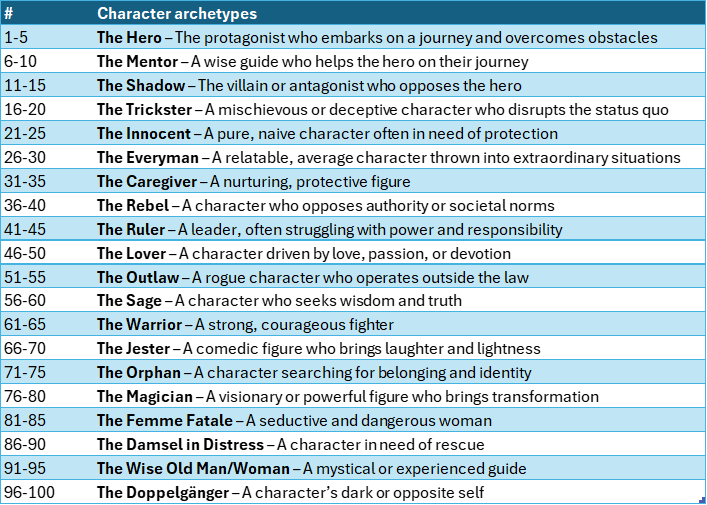
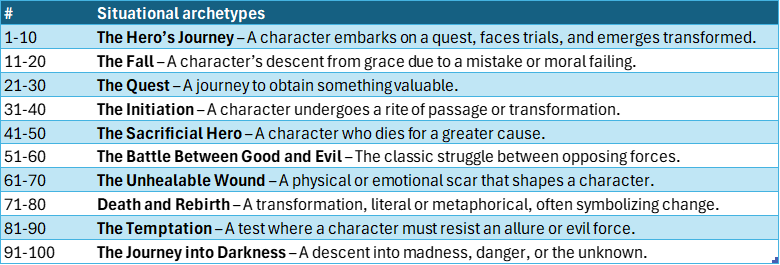
Contents of this 265 page book include an introduction to a far-future setting (western-themed, so plasma-gauntlet dueling cowboys delving pocket worlds), a simple, streamlined set of rules enabling a player to use no ruleset at all or even dice outside of the book, and a 40,000+ word set of short passages, consulted via bibliomancy to judge outcomes and events, adding story prompt flavor to judgements. Also included are a map and atlas descriptions of locations in the setting, 13 traditional nested oracle tables to further drive events in the story and a detailed index.

How does it work?

We walk you through it in a prologue with a detailed Quick Start example, but the general idea is to use the setting descriptions, the atlas and map, and the oracles tables to build out the skeleton of a character and story following a framework we call the Five Questions. Then, either use the roleplaying game rules of your choice (like D&D or Free League’s Year Zero system) or use the barebones, streamlined rules of this book to start experiencing your story.

Either once per in-game day or as you see fit, consult the lots by holding a specific question in your mind and turning to a random passage on a random page, locating a 1 -3 line passage (called a “lot”) and its number. A question might be “What will I find on the other side of this hill?” or “What happens when I try to climb the walls of these ruins?”

The rules provide for YES/NO answers as well as more sophisticated outcome judgements, but, more importantly, add a layer of story prompt-style chaos and randomness to what happens.

Where will this be available?

Available on Amazon here. Available globally through Ingram, so hundreds of booksellers around the world (though all in English). On Barnes & Noble here. On Drivethru RPG here.

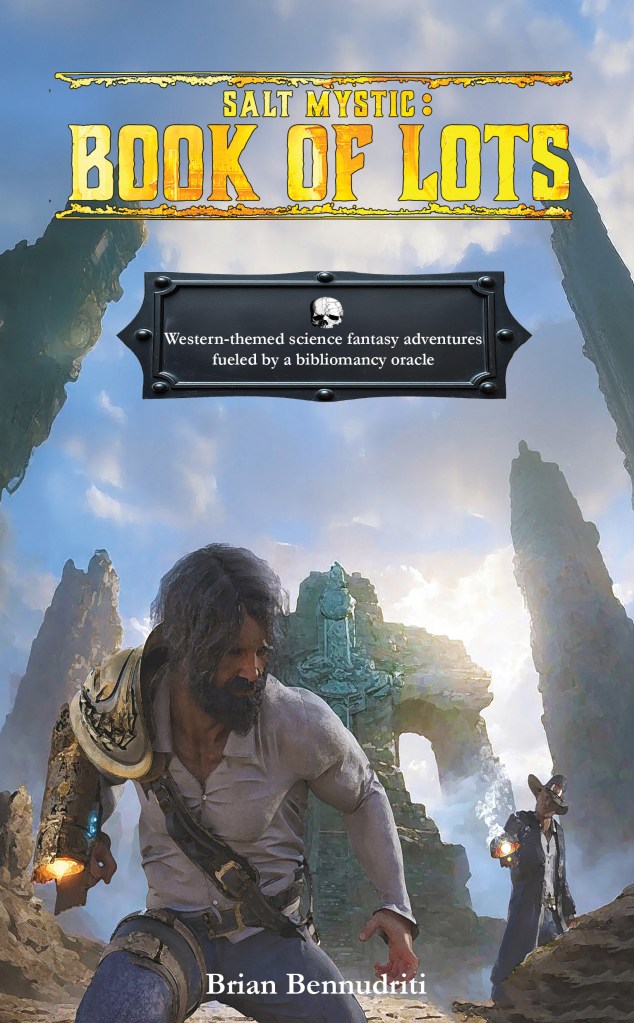
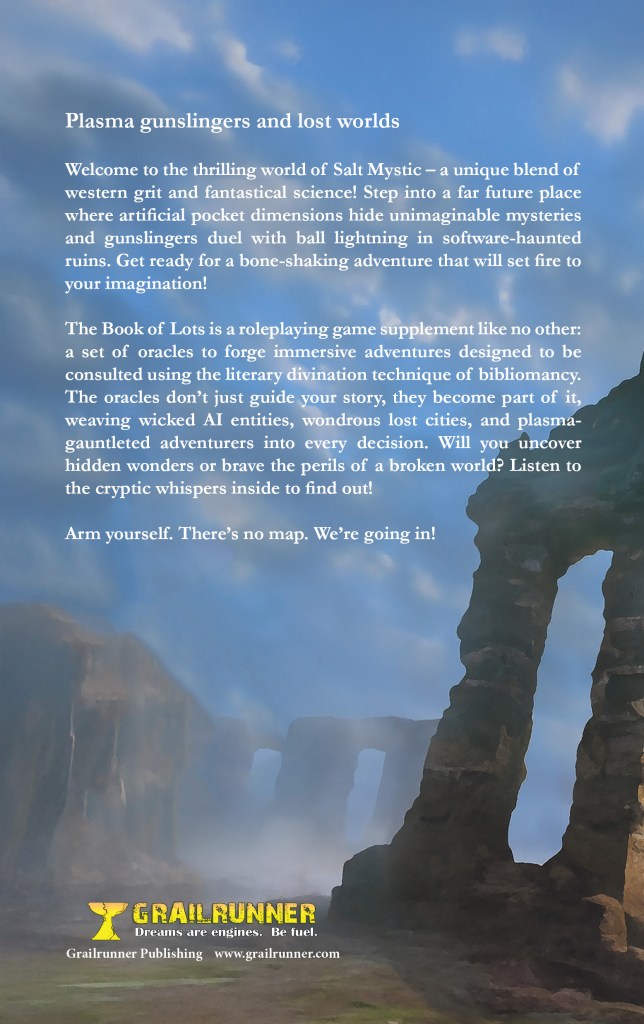
How about the cover?

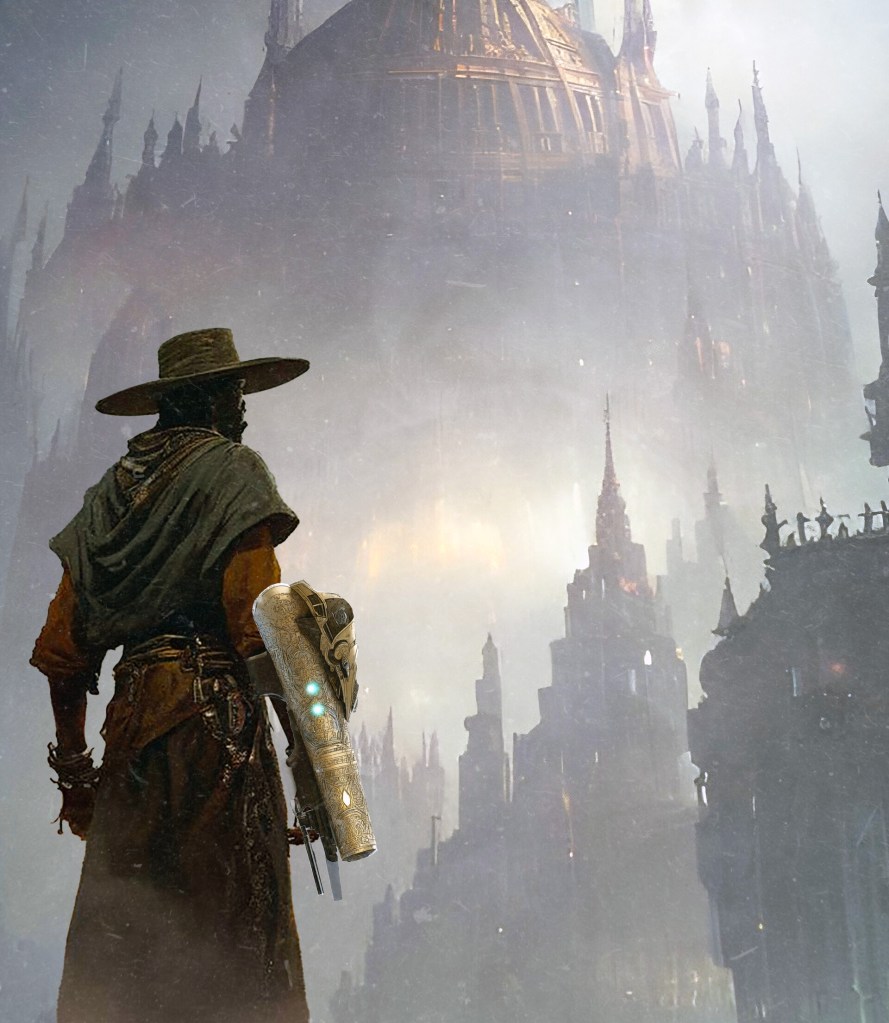
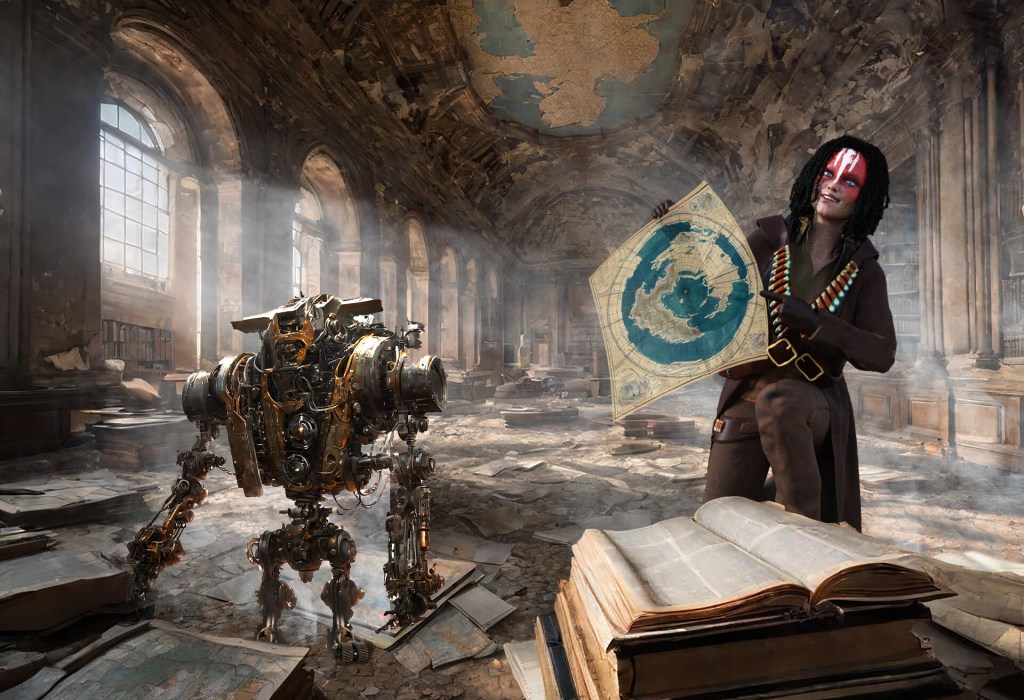
Here are the front and back:

What next?

Shoot me a comment here on this article if you’d like to know more or if you’re interested in a review copy.

Since we’re a teensie little indie publisher, it’s super hard to get attention and drum up interest in new products, especially if they’re very different or not related to dungeons. If you’re willing to post something for yourself linking to this announcement, it would be tremendously appreciated!

Every little kind word helps!

*

Anyway, that’s the big announcement. I hope you can feel some of the excitement here on our side. This has been an incredible and life-changing amount of work. It’s nice to start telling people about it.

Till next time,
Was A Booby Trap At The Heart Of One Of The Most Pivotal Battles In World History? (Part two)

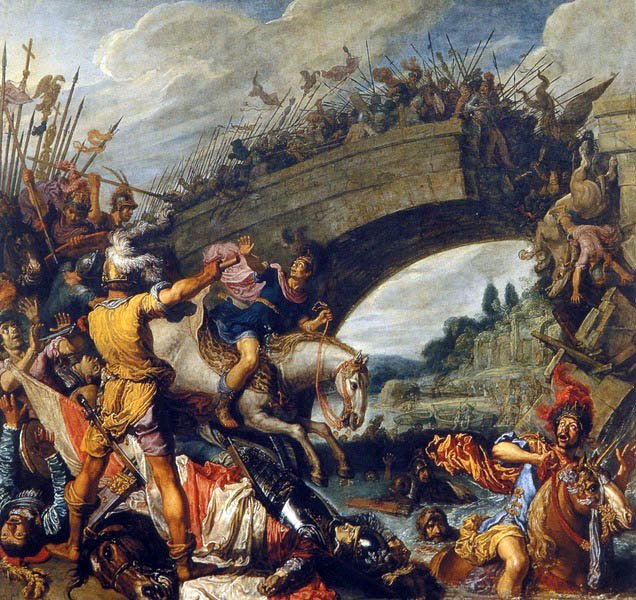
If you haven’t read the first part of this double-header, click here for part one. This is the final wrap-up of a two-part deep dive into the ancient Battle of Milvian Bridge in 312 AD, to determine whether there was indeed a booby trap at the heart of the battle as some historical sources suggest.

Welcome back to our series called Inspirations From History!

The purpose of part one was to set the stage for why the battle happened and put its importance in context. We also met the key players: Constantine and Maxentius, and roughed out a psychological profile to probe the mystery at hand. If Maxentius really was a wily coward, superstitious and cautious, who relied on subterfuge and undermining enemy forces for victory, then yeah – he might have laid a booby trap. Instead, if Constantine was just lucky and bold and a good propagandist willing to use superstition and religion to advance his agenda and to inspire his men, then maybe no – the booby trap could have just been his insulting re-framing of the battle afterwards.

Well, which was it?

Pretty sure I have a good answer to that. There are 8 key historical sources to examine, all with solid claims to people who were there, spoke with those who were there, or otherwise had access to credible sources. I got my hands on all of them.

(1) Latin Panegyric 12, from an anonymous author and dating to 313 AD, only a year after the battle and representing the words of a speech made directly to Constantine

    The author describes Maxentius as growing gloomy and bitter at Constantine’s approach, rushing into a foolish formation, and panicking in his retreat. The narrowness of the bridge hindered the retreat, and the river “snatched up their leader himself in its whirlpool and devoured him when he attempted in vain to escape with his horse and distinctive armor by ascending the opposite bank“.

    No mention of a booby trap.

    (2) On the Deaths of the Persecutors by Lactantius, dating to 315 AD

    Chapter 44 describes Maxentius as staying behind in Rome at the games while his men fought the battle until he was shamed to ride out to fight and received what he thought was a favorable oracle. “Led by this response to the hopes of victory, he went to the field. The bridge in his rear was broken down. At sight of that, the battle grew hotter.” Then on seeing he was losing, Maxentius “fled towards the broken bridge; but the multitude pressed on him. He was driven headlong into the Tiber.”

    Still no mention of a booby trap, nor even Maxentius scheming by doing anything to the bridge.

      (3) Ecclesiastical History (between 312-324 AD) & Life of Constantine (337 AD), both by Eusebius and both would have been read by Constantine

      In the older work, Eusebius says Maxentius and his men drowned “when he fled” as he “passed through the river which lay in his way, over which he had formed a bridge with boats, and thus prepared the means of his own destruction“. Further, “Thus, then, the bridge over the river being broken…immediately the boats with the men disppeared in the depths“. No mention of a booby trap here either, but a casual reference that might be made more clear as we go here. Stick with me on this longer quote below.

      In his retelling of the story years later, the same author says of Maxentius, quoting more fully since it’s what inspired this entire quest):

      “…when in his flight before the…forces of Constantine, he essayed to cross the river which lay in his way, over which making a strong bridge of boats, he had framed an engine of destruction, really against himself, but in the hope of ensnaring thereby him who was beloved by God.” Later, “…one might say he had made a pit and fallen into the ditch which he had made. His mischief will return upon his own head..under divine direction, the machine erected on the bridge, with the ambuscade concealed therein, giving way unexpectedly before the appointed time, the bridge began to sink and the boats with the men in them went…to the bottom.”

      Constantine knew Eusebius well, and they would have definitely discussed this battle and its details, especially with Eusebius writing the guy’s biography. I can’t escape this account – the guy clearly says there was a booby trap.

      Is that the answer, then?

      Unclear so far. Let’s keep going. The other, equally old sources said nothing about it, in fact just the opposite.

      (4) Latin Panegyric 4, by Nazarius, dating to 321 AD

      Here, Maxentius is said to have arrayed his forces with disadvantage because he was “mad with fear“, in a “desperate state of mind and confused in counsel since he chose a location for the fight that would cut off escape and make dying a necessity.” The author’s first speech (now lost) would have covered more details, but he describes at least here the Tiber “filled with heaps of bodies” and an unbroken line of carnage “moving along with weakened effort among high-piled masses of cadavers, its waters barely forcing their way through“.

      No mention of a booby trap here, just a panicked retreat. Constantine wasn’t actually present when this speech was made, but he would have surely received the text and, I imagine, people who saw the battle would have been there to hear it and challenge anything said that was incorrect.

      (5) Origin of Constantine by an anonymous author, dating to 337 AD

      This account, though brief, sums up the battle as follows: “…when Constantine had arrived at the city, Maxentius, leaving the city, chose a plain above the Tiber in which to fight. There, defeated, with all his men put to flight, he perished amidst the straits of the people who were surrounding him, thrown from his horse into the river.” 

      No mention even of the bridge itself, nor in fact a collapse or breaking of the bridge. It just says he was thrown from his horse in a presumed retreat. Definitely no booby trap mentioned here.

      (6) The Caesars by Aurelius Victor, dating to 361 AD

      A short recount from this source describes the battle as follows:

      Maxentius, growing more ruthless by the day, finally advanced with great difficulty from the city to Saxa Rubra, about nine miles away. His battle line was cut to pieces and as he was retreating in flight back to Rome he was trapped in the very ambush he had laid for his enemy at the Milvian Bridge while crossing the Tiber in the sixth year of his tyranny.”

      Strangely, the recount of this senior bureaucrat in imperial service who possibly had access to good sources mentions an “ambush” but no booby trap. Eusebius had mentioned an ambush but said it was hidden by the booby trap.

      (7) Epitome of the Caesars by an anonymous author, dating to the 360’s AD

      This recount presents a very different twist to the story:

      Maxentius, while engaged against Constantine, hastening to enter from the side a bridge of boats constructed a little above the Milvian Bridge, was plunged into the depth when his horse slipped; his body, swallowed up by the weight of his armor, was barely recovered.

      No booby trap here either, though it’s thirty years later and this author is first to suggest Maxentius was possibly headed TO the battle, crossing the intact bridge, when his horse slipped. I can’t give any credence to this one due to its later date and its crucial variance from much older sources.

      (8) New History by Zosimus, dating to the 5th & early 6th century but with access to much older sources

        In part one of this series, I quoted the Zosimus passage describing the booby trap and its iron fastenings. The author continues describing the battle: “As long as the cavalry kept their ground, Maxentius retained some hopes, but when they gave way, he tied with the rest over the bridge into the city. The beams not being strong enough to bear so great a weight, they broke; and Maxentius, with the others, was carried with the stream down the river.

        So even though Zosimus had just described the booby trap as real, he doesn’t credit its triggering with killing Maxentius. Instead, it’s that the “beams” gave way.

        Okay, so what’s the answer? Was there a booby trap?

        No, it would seem there was not. Since most sources agree it was a rushed retreat and collapse of a temporary bridge, that’s likely what happened.

        Where did the booby trap story originate, then?

        This is something I learned as I researched this series: Constantine was a shrewd manipulator and propagandist. He had leveraged a supernatural vision before, and that wasn’t a Christian god. He leveraged a vision at Milvian. He painted himself as divine inevitability. This fellow knew Eusebius (a bishop) and the explosive new religion of Christianity as what they could do for him. It was very much to his benefit that he be the hero and liberator versus a wicked, scheming coward in Maxentius as this story was locked into history.

        Constantine made it up. That’s my conviction after poring through these sources. He just made it up. And I’m here two millenia later half-believing it.

        *

        Anyway, this has been intriguing for me and a long-time interest I enjoyed researching for you. Apologies for going long on it, but the background seemed important. Let me know what you think and if you believe the question is settled or not.

        Till next time,
        Was A Booby Trap At The Heart Of One Of The Most Pivotal Battles In World History? (Part one)

        It’s October 28, 312 AD. Beyond this bridge lies Rome. You won’t even have to fight inside its gates. Just enter, and the empire is yours…the entire known world as you see it. It isn’t even a real bridge; your enemy destroyed the permanent one. What’s there now is temporary: made of wooden pontoons. The only thing between you and rule over every part of the greatest empire ever known is one army, commanded by a devious, superstitious foe who wins battles by bribing and persuading his enemy’s forces in the dead of night and hiding behind seiged walls. He’s joining battle on this side of the river, with his back against the water to signal there will be no retreats. No running.

        This will be the end of the scheming and intrigue. Before the end of the day, one of you will ride into the city to be welcomed by the Senate. And they will welcome whoever comes to them. That’s how they are.

        You would remake the empire, granting freedom and re-defining who the people aspire to become. You would create an optimistic world and encourage new ways of thinking, ushering in a great and brave era of humanity. Your enemy is vile, the son of a liar and a coward. He offers the empire only more of the same internal wars and greed, persecutions and oppression that almost took Rome down a generation before.

        You’ve had a vision today. It isn’t your first omen, but it is the greatest: a mighty burning sign in the sky. “By this sign, conquer!” A voice in your head, promising your victory. You’ve had your soldiers paint it on their shields. They marvel at your confidence.

        It’s time. Waiting only empowers the enemy. Ride and fight! The Battle of Milvian Bridge begins!

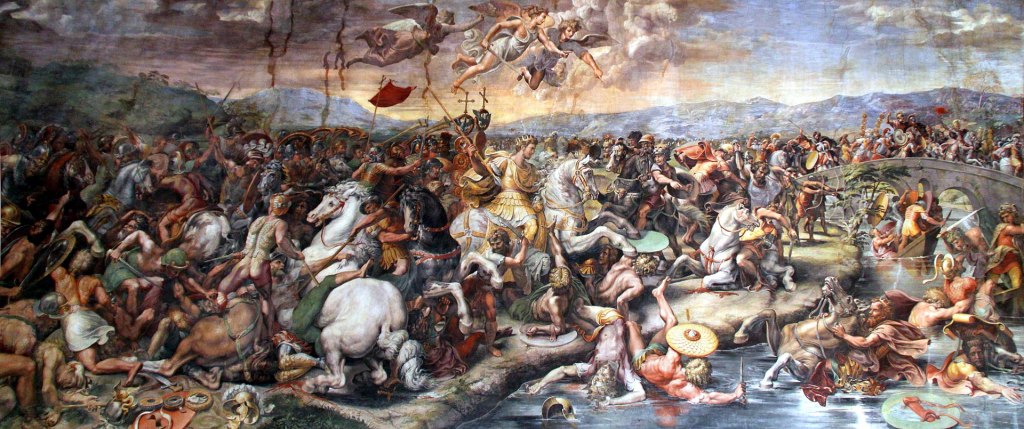
        The Arch of Constantine frieze showing the battle (at bottom)

        That was the stage set on October 28 in the year 312, a battle that decided how world history would play out for the next two thousand years. It helped shape civilization as we know it, and even impacted how we think and see the world today. The story has everything you could want in a thriller: palace intrigue and power schemes, a superstitious emperor shamed by his people into abandoning his seiged city walls, a supernatural vision, and a brutal, violent conflict ending in the drowned screams of the defeated army.

        But some ancient sources such as church historian, Eusebius in Life of Constantine say there was a booby trapped bridge that decided the battle.

        Zosimumus, for example, an imperial bureaucrat writing quite some time later but drawing from older sources, said it clearly in his New History:

        “Maxentius threw a bridge over the Tiber, which was not of one entire piece, but divided into two parts, the center of the bridge being made to fasten with iron pins, which might be drawn out upon occasion. He gave orders to the engineers that as soon as they saw the army of Constantine upon the juncture of the bridge, they should draw out the iron fastenings that the enemy who stood upon it might fall into the river.”

        When I learned that, I just had to go deep to know the truth. I had to get inside the minds of some of the key players, especially the guy that lost that battle and would have set the trap (if there was one).

        How about I present the facts to you and we’ll see what you think. Welcome back to our series: Inspirations From History!

        A little background?

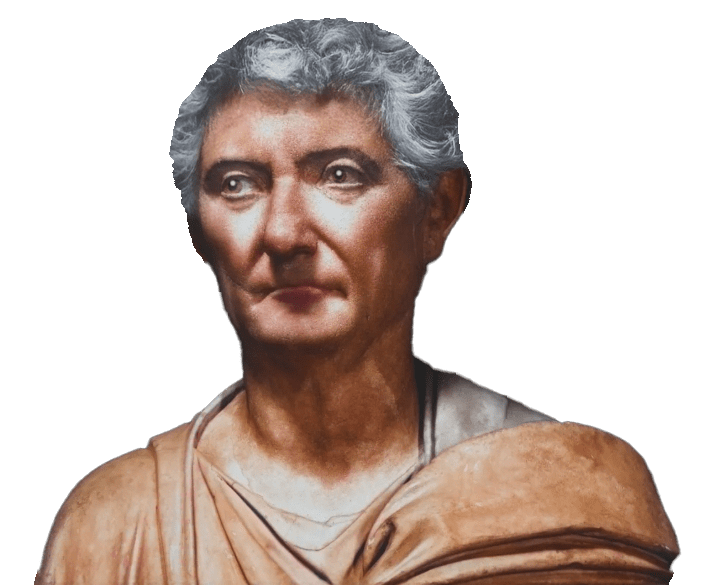
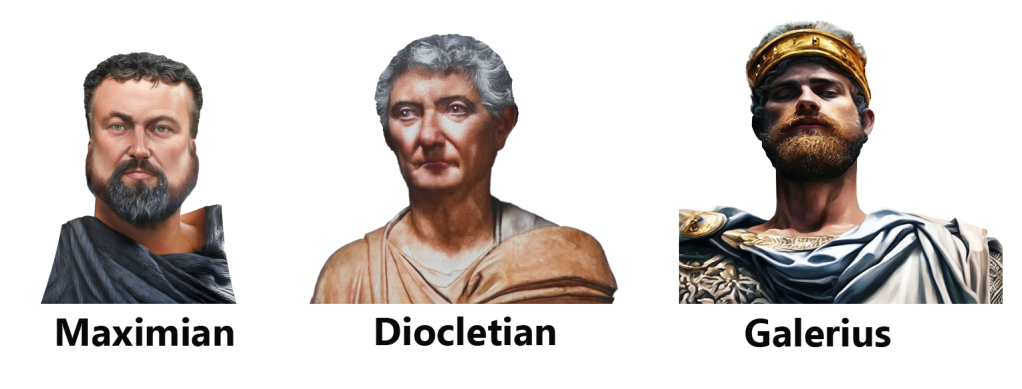
        Diocletian

        It all orbits around this guy here. His name was Diocletian, and in some ways he was the Abraham Lincoln of his day. On May 1st, in the year 305 AD on a parade ground in front of his army, he retired as emperor and was the very first to do so. He was ill and just wanted to tend to his vegetable gardens on the Adriatic shore. This was a shock to the system because he was the stabilizing force for the empire when it had all but shattered to its shakey core for 70 years before he came to power. In fact, during a 50-year period before Diocletian, there were no fewer than 60 claimants to the throne in a terrifying time of anarchy, intrigue, civil strife, plague, and foreign invasions.

        And now he wanted to tend vegetables.

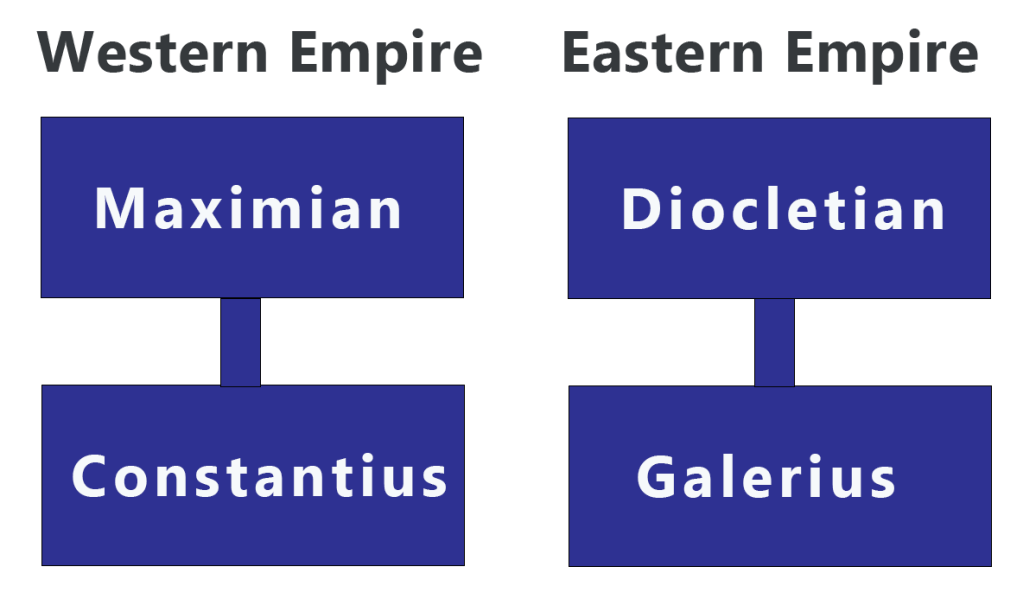
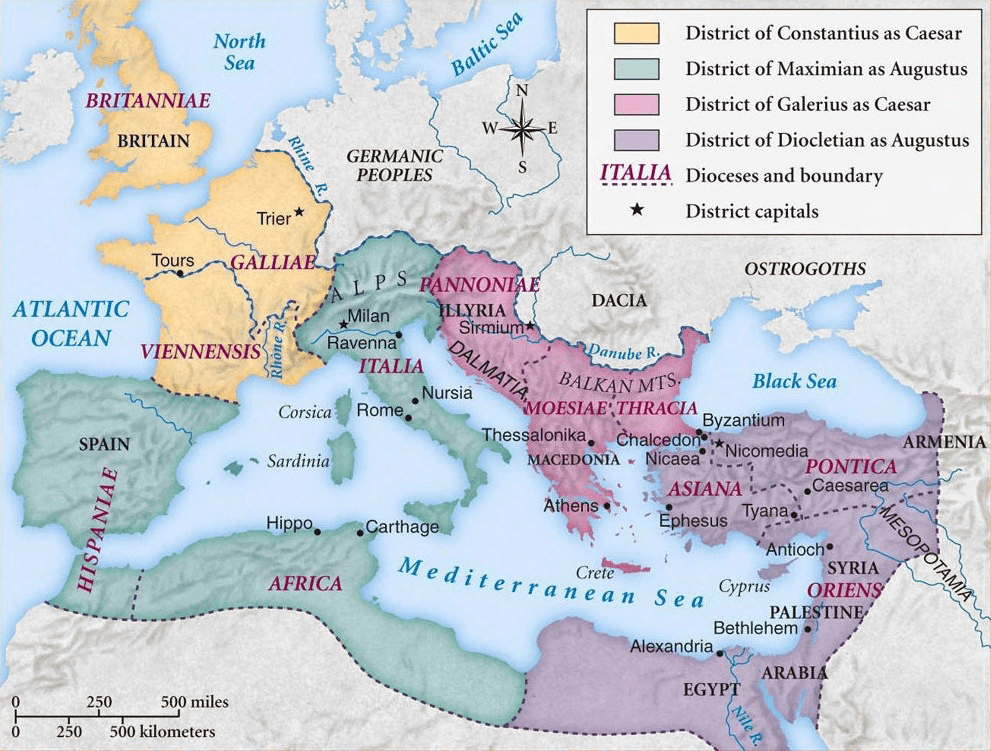
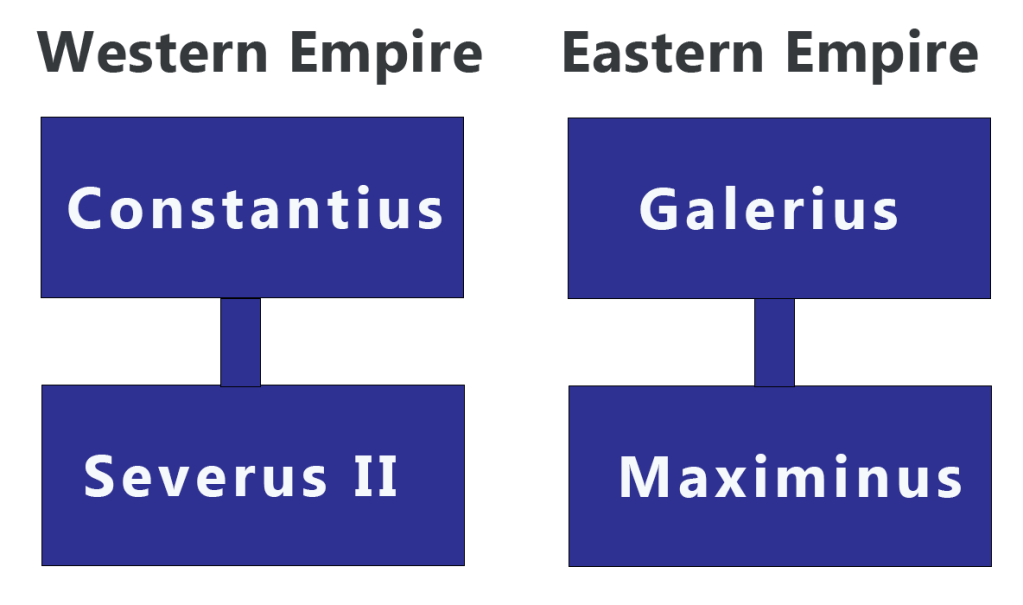
        One important way he had stabilized the empire was a shared-power framework called the Tetrarchy. Although Diocletian had remained the ultimate and senior honcho, he primarily governed the eastern portion of the empire with the senior title (Augustus), aided by a junior (a schemer named Galerius, titled Caesar). His counterpart in the western portion was a fellow named Maximian (also titled Augustus), aided by his own junior: Constantius (titled Caesar).

        Here’s what that all looked like:

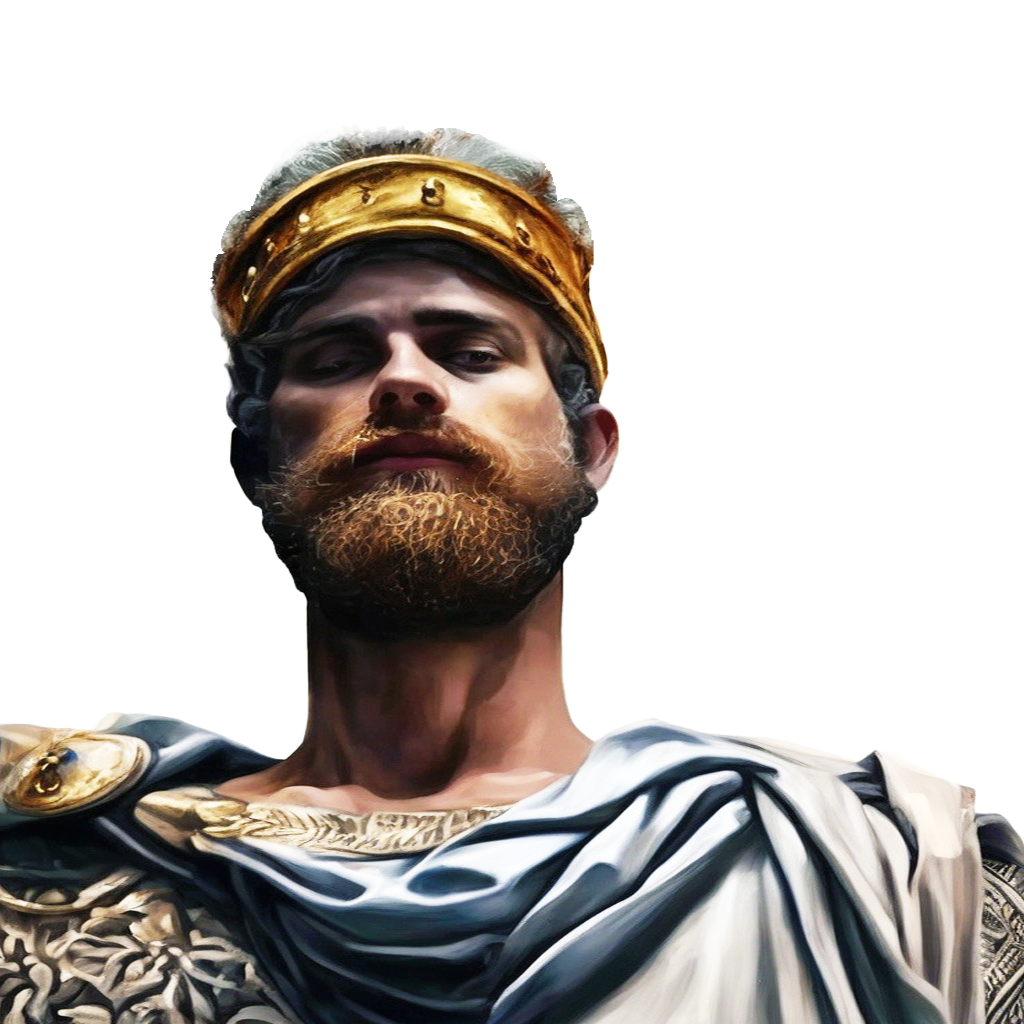
        Maximian

        And here’s Maximian. When Diocletian announced he was retiring, he forced this poor guy to retire too. And the surprises just kept coming…

        This was the new tetrarchy Diocletian announced on that parade ground. Constantius and Galerius got their promotions, but Constantine, the son of Constantius, was standing on the tribunal with these guys expecting to be named Caesar. That was the whole point of his previous 10 years, being groomed for this moment. He’d served under Galerius all but a captive to enable this promotion to happen. It was what he’d been told his whole life would happen.

        Then it didn’t. Because of Galerius. This guy here:

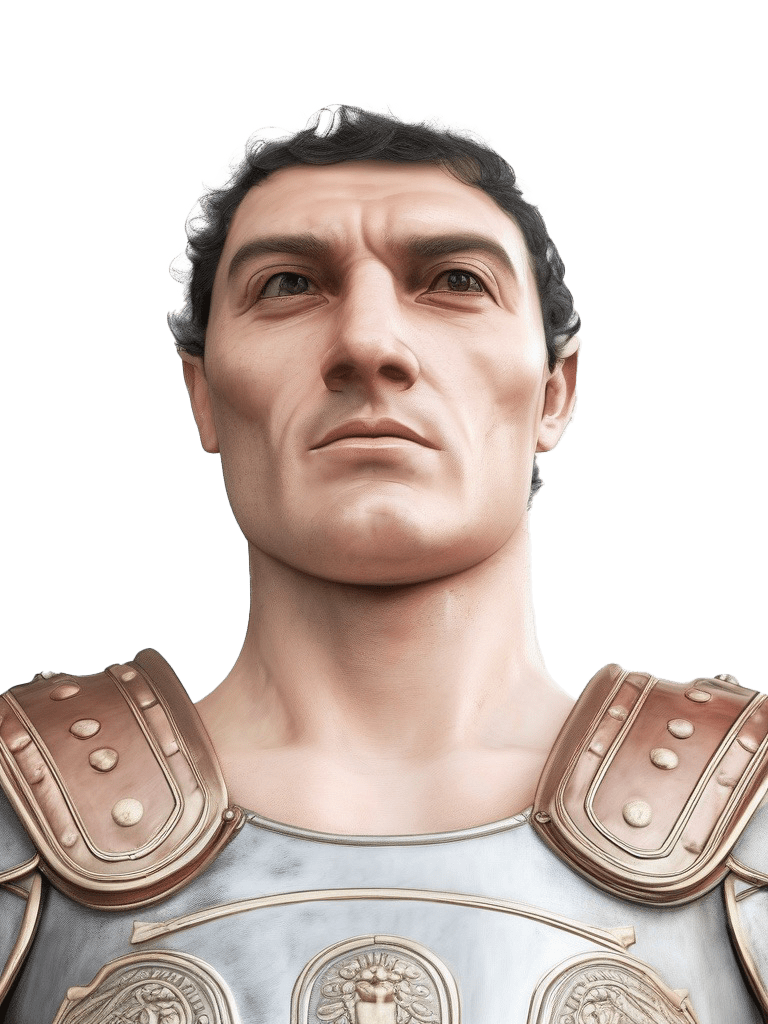
        Galerius

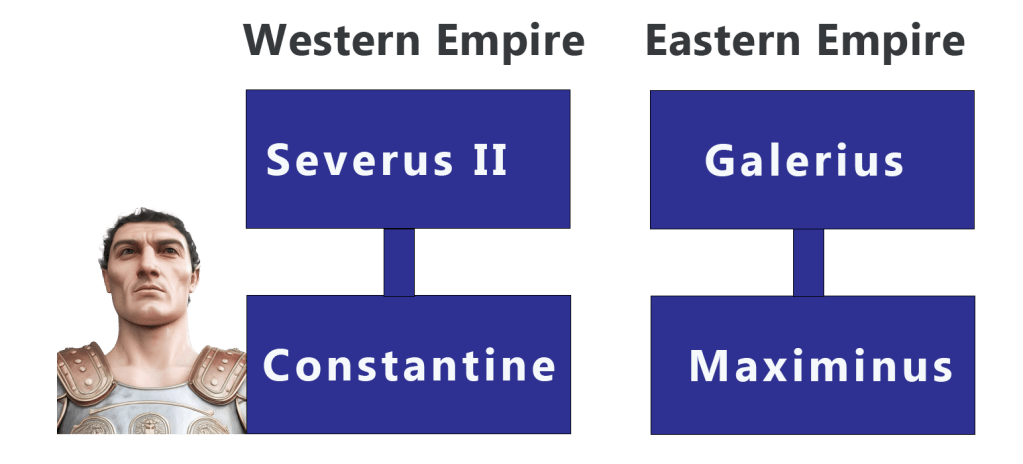
        Galerius hated Constantine, and had convinced old Diocletian that the tall, handsome and well-liked young man was too ambitious and wouldn’t respect authority. So he got passed up. That fellow, Maximinus who got the Caesar job in the east was Galerius’s nephew: a puppet placeholder till Galerius’s young son was old enough to take the title. Constantine will be commanding one side at the Battle of Milvian Bridge; it’s with his perspective that I opened this article above.

        Constantine

        Maximian had a son, too, a devious one who was also expecting to rise to the title of Caesar, a fellow named Maxentius. Not only was Maximian forced into retirement, but his son got passed over as well.

        Because of Galerius.

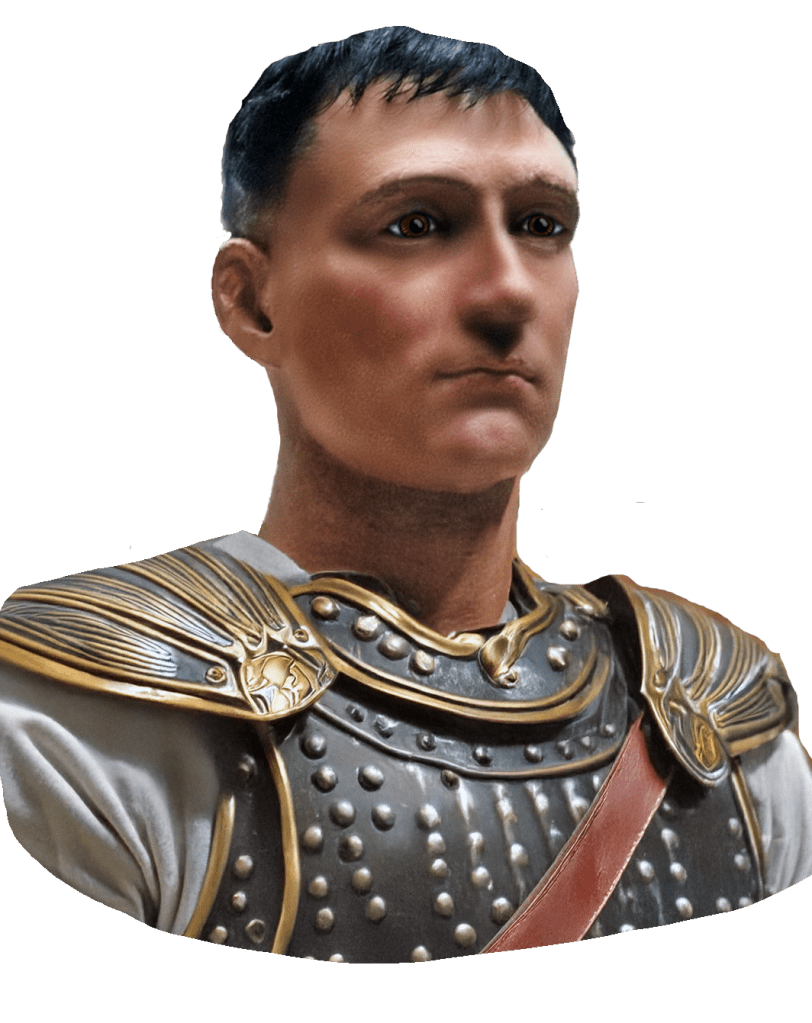
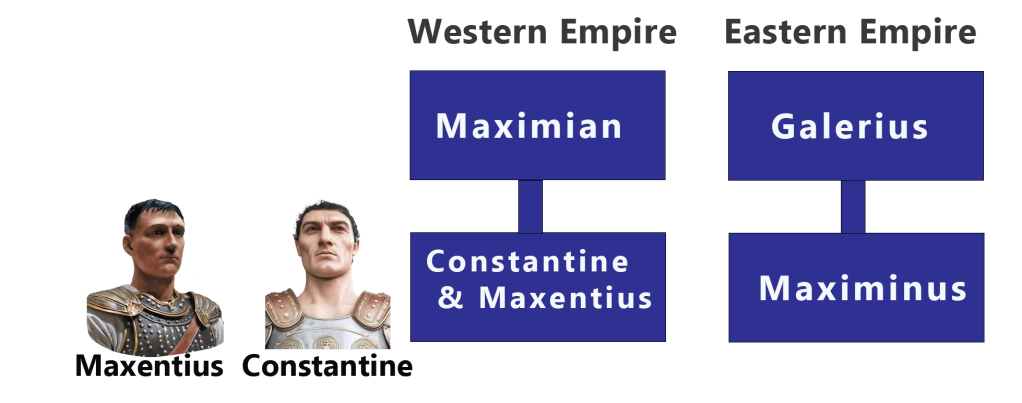
        Maxentius

        Galerius had convinced old Diocletian that Maxentius was insolent and unfit for rule, so he maneuvered his henchman, Severus into the Caesar job. And with all that intrigue, scheming Galerius wound up Augustus over the eastern empire with his nephew below him and a croney in waiting as Caesar in the west. Quite the layer cake, that Galerius! A true child of Rome.

        So everyone went along with that?

        Oh, no. Constantius was the only one not tied to Galerius here, and he did a thing.

        That Summer, Constantius summoned his son, Constantine to his service in a campaign against the Picts. When Constantius died of natural causes about a year afterwards, Constantine was presented to the army as Augustus. Not the junior title of Caesar, mind you. Augustus: Severus’s job. Galerius was furious with this, refusing to acknowledge that title but allowing him as Severus’s junior, Caesar.

        Constantine went along for the time being, pleased with his insertion into the Imperial College. But Constantine’s success here infuriated old Maximian’s son, Maxentius, who took advantage of some unrest in Rome due to new taxes and got himself an elevated title (“First Citizen”), an act that even moreso infuriated Galerius. Maxentius hated his father, but knew it would make his claim to some kind of authority legitimate if his dad came back from retirement as Augustus (yes, Severus’s title). The Roman senate went along with it despite the lack of Galerius’s backing.

        Galerius ordered Severus to suppress this uprising through force in early 307, and it was in this battle outside Rome that Maxentius did something very interesting, very effective, and highly relevant to the question of whether there was a booby trap on Milvian Bridge.

        He bribed and persuaded Severus’s soldiers to switch sides and just drop the seige of Rome. I imagine this as happening around campfires in the dead of night, with Severus waking up at sunrise to the bulk of his army gone. Severus was taken captive, forced to abdicate, and was dead by September.

        Maxentius was fast becoming a hero to the people of Rome. Crucially while Maximian was away negotiating with Constantine to keep him out of the conflicts (granting Constantine the cherished Augustus title), Maxentius faced Galerius himself who had crossed the Julian Alps to deal with this himself. Galerius was a fierce and renowned general with a glory-filled career in war, and was headed straight for Rome to settle all this and bring order back to his marvelous plans for the empire under his rule.

        And Maxentius did it again. His agents infiltrated Galerius’s camp at Interamna and worked the invading soldiers with promises of rewards and promotions, and insistence that Galerius was in the wrong attacking his own son-in-law. And it worked again, with so many of Galerius’s men defecting that he was forced to retreat and leave Italy entirely without even fighting a battle!

        When Maximian returned, he was dumbfounded to find his own son had declared himself Augustus and had made Maximian’s role obsolete. Maxentius ran his father out of town, driving him into the arms of Constantine for protection.

        Couldn’t the old guy that retired come back and fix all this?

        Galerius did, in fact, meet Diocletian in November 308 with Maximian in attendance as well to try and convince the old man to come out of retirement and use his prestige and reputation to fix the world they’d broken. But he wasn’t leaving his cabbages and proposed a revised tetrarchy that everyone should have known wouldn’t work. He named a loyal lieutenant of Galerius’s (Licinius) as Severus’s replacement Augustus, demoting Constantine to Licinius’s Caesar, and charging Licinius with putting down Maxentius. Maximian was told to retire again.

        It isn’t worth diagramming that, because both Constantine and Maxentius were forces of nature that couldn’t have cared less about Diocletian’s new framework.

        So we’re ready for the Battle of Milvian Bridge then?

        Yes, we are. By 310, Maximian, after trying to spread a false rumor that Constantine was dead to declare himself Augustus once again, had hung himself. Galerius and Diocletian both died in 311. Licinius wound up dying at Constantine’s hands a little more than a decade later and isn’t important to the story or its impact anyway. Maximinus died of natural causes a year later and isn’t important to the story either.

        In 312, Constantine struck like lightning in a raid through Italy bound straight for Rome to take out Maxentius for good. Whoever won that, honestly, got the empire with just some loose ends to clean up.

        What happened?

        Before the battle was done, Maxentius had left the city walls (though he’d won two previous seiges through guile), lost the fight, tried to retreat (in a panic?), and drowned in the Tiber along with much of his army. His pontoon bridge had collapsed. Take a look at that stone frieze above on the Arch of Constantine to see a contemporary visual for that. It’s Constantine driving men on horses into the river.

        Twenty years later, a man named Eusebius who knew Constantine personally reported that Milvian Bridge had a booby trap. That was what fascinated me about this whole story. Yet the sources don’t agree, and the oldest sources don’t mention a booby trap at all.

        Maxentius was devious and could very well have planned such a trap, even trying to lure Constantine’s forces into it. And Constantine was a master of propaganda, claiming kinship with gods, which could have persuaded Maxentius’s minion in charge of a booby trap to trigger it instead against his own master.

        I had to know. WAS there a booby trap at all?

        In part 2, I’ll try and get you an answer on that.

        Till next time,

        Art Advice: An Epiphany In Three Steps

        Back in May, I posted some musings on this site about what I called bad art advice that I’d gotten when I was in Middle School.

        “The real world doesn’t have outlines – draw what you see.”

        Weird, I know, but I struggled so much with that I gave up drawing altogether. I get that it should be straightforward advice that every burgeoning artist SHOULD in fact receive and, indeed, follow. I get that it’s true and obvious and OUGHT to have been helpful. Just wasn’t how I reacted, unfortunately.

        I’ve come to realize that is just a first step.

        I recounted how back in October 2023, I’d come across a lifechanging book series called Sketching From The Imagination and an art magazine called ImagineFX that had me rejuvenated to start it all over again, on fire with cool pictures in my head and a spirit to truly give it a go this time. I shared my sketchbook at the time (shudder!) a little over a half-year in, to be accountable to folks here for improving.

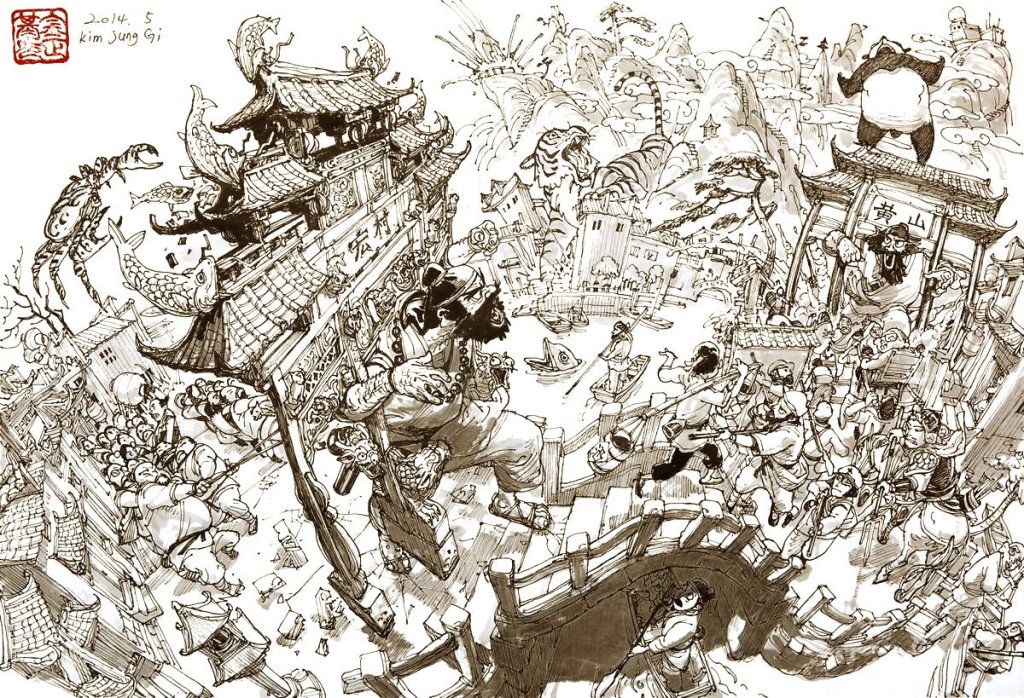
        Another phase of things had opened up with an enlightening quote from the genius artist, Kim Jung Gi that said:

        “Don’t draw what you see. Draw what you HAVE seen.”

        I liked his emphasis on practicing reproducing reference images, only from different angles and perspectives so you can learn their forms in three dimensional space. Over time, your visual library carries enough shape and texture language to work directly without reference. Very nice. You see, I have a complicated relationship with the use of reference images in creating art. The dream has always been to sit down with a piece of paper or a blank screen and summon fantasy and science fiction imagery from nothing – not to robotically reproduce an image in front of me. Over and over, every artist I was seeing on Youtube or reading in interviews, they were all using reference images. I had this inner voice saying “if I wanted to reproduce an image, I’d take a picture of it”. Kim Jung Gi’s advice offered a different relationship with reference imagery.

        So it’s been over a year now. Keeping up the practice frequency to at least a half-hour each night if at all possible. Even when I’m bone tired after work and would rather stare at history documentaries or old spy movies (or train movies -those are awesome).

        Anyway, somewhere along the way, this happened:

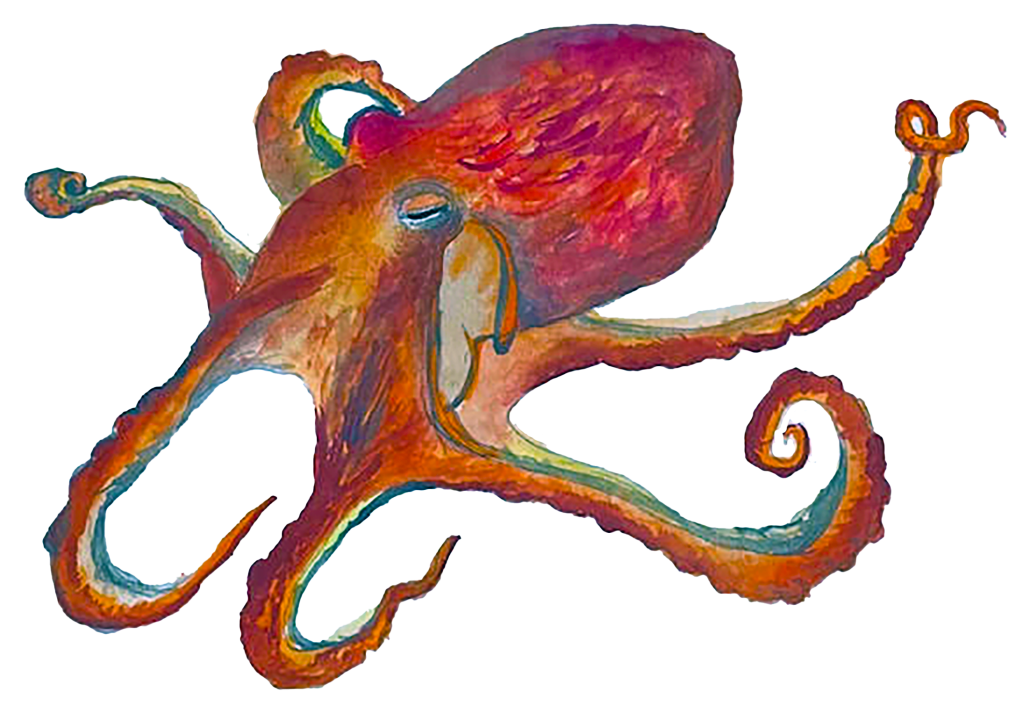
        Don’t ask, my friend. I just thought I’d try watercolor painting and this guy showed up. I call him Barney. My first attempt. I hadn’t planned on getting obsessed with watercolors – it was Peter Han‘s fault. Was watching Peter draw something amazing, and he pulled out a little travel palette set. The smooth and striking combination of ink and colored wash fascinated me. Strangely, as I submerged into the very deep and mesmerizing well of watercolor painting in magazines, books, interviews, and tutorials, a new, possibly ultimate and final step has started to take shape.

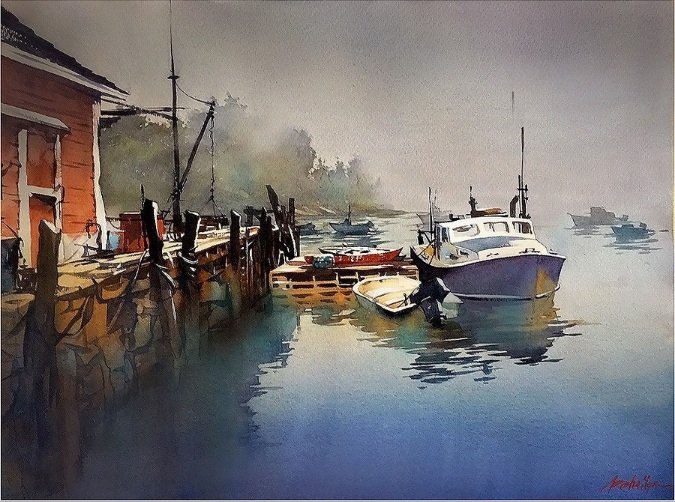
        Watercolor pigment does what it feels like doing on the paper. It moves around. Crashes. Blossoms. Ignores your feeble mortal attempts to control it. But it makes incredible gradients and blooms and textures like nothing else. And its mightiest trick, almost its entire reason for being, is to capture light. I’m talking about the translucency of a green leaf in summer with sunlight bleeding through, the broken sunbeam dancing on a marble floor, the ghostly and serene reflections of clouds and seafoam on the beach once the wave goes out. Google “Steve Hanks” and Thomas Schaller to see what I mean.

        The more this got in my head, the more I began to realize there even WAS a third step to this process. I’m not there yet, but I think I can see it taking shape. If I hadn’t started paying so much closer attention to light filtering through trees or bathing morning fog in an orange glow because of all this focus on watercolors, I’d have missed it, I think. This final quote that crystalizes what I’m seeing has popped up a number of times now, so I’m not sure who started it all. It’s a boneshaker though, that I’m still trying to coax into being my buddy:

        “Don’t draw what you see, draw what you feel.”

        Now that’s an entirely different way to interact with reference imagery, isn’t it! Snapping a picture in the moment during a hike or on the train freezes one of those haiku moments for you, sure. Cobbling together some stock images and a DAZ3d render or a photobash of some AI-generated elements can put together a good and unique composition, of course. And in that first step, you can practice your technique, reproducing it as faithfully as you can.

        At some point though, Gi’s second step suggests you vary the angle, maybe reproduce it from above or from a different side…maybe with an armored zebra beside it, or a screaming werewolf. Mess around and don’t stress about perfection, right? It’s a sketchbook; what do you care if every other one turns out trash? Forms start repeating for you: the fact that eyes aren’t really ovals, that lips and noses and hair cast shadows, and that people almost never stand vertically straight on both feet. That sort of thing.

        But then, when you’ve maybe gotten to a point where you can somewhat faithfully reproduce an image with variations and additions, with subractions, and perhaps even can summon something to the page entirely from memory and imagination, another step opens up for you.

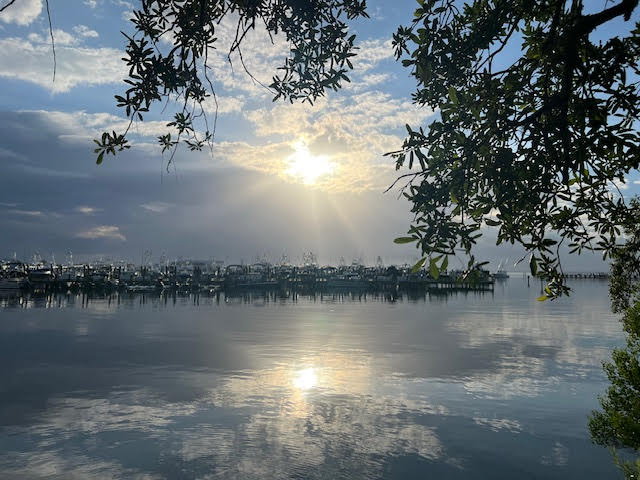
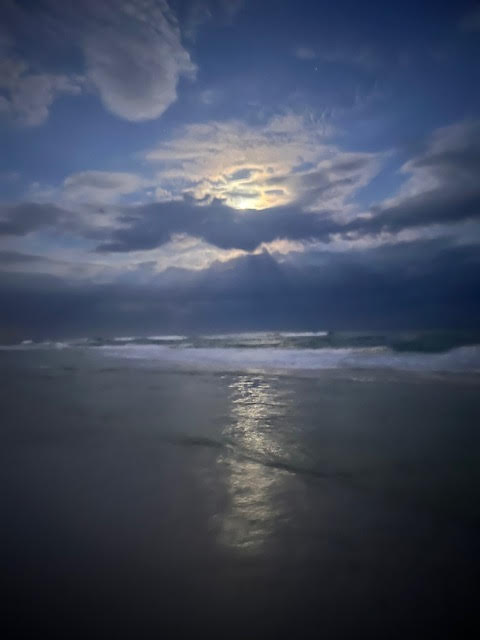
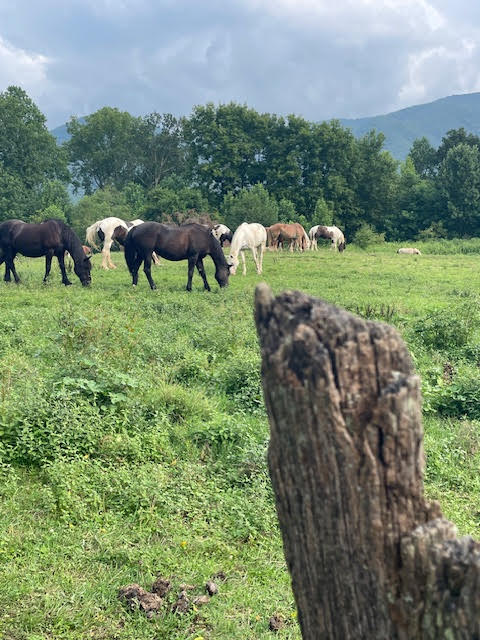
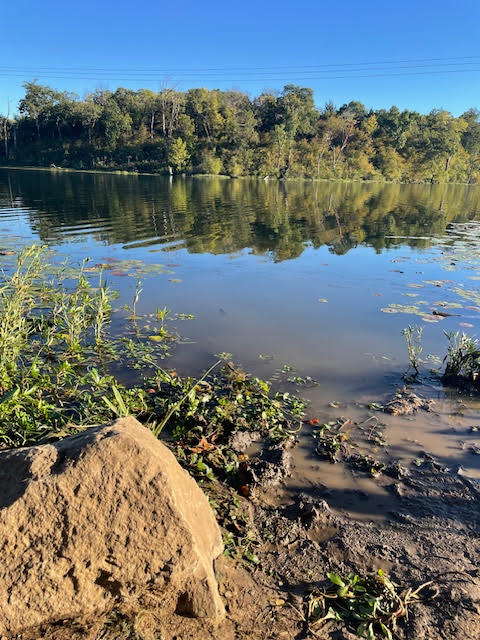
        Those are pictures I’ve taken in various spots this summer in Kansas City, Cades Cove in Tennessee, and at Destin, FL. You’ve probably got ones like it on your own phone, those images that caught your eye and made you feel something. A foggy morning, a quiet library with the sunlight streaming off a high window, a busy subway station or airport with interesting faces, or maybe a funny face your dog made. It made you feel something, so you snatched it to stick in your pocket.

        That’s the third and ultimate step in art journeys, I think: to capture what you feel on the page. The reference becomes almost beside the point. I’m still working this out for myself. Maybe these musings prod something for you if visual arts are at all of interest to you.

        Since some folks appreciated the first uploaded sketchbook, here is an update (paper sketches 1-3, watercolors from 4-13, Procreate digital art from 14-17):

        Crazy busy year. I hope yours has gone well. For my part, I’m glad Christmas is on its way. That particular crazy freight train is more than welcome this year.

        (Update Mar 2025)

        And, in the spirit of accountability to improve, here’s an updated sketchbook of what I’ve been up to since this post went up (watercolors on pages 1-8, Procreate sketches pages 9-18, and physical sketchbook pages 19-24):

        Till next time,
        Outtakes: A Way Forward For Writers That Can’t Let It Go

        I’ve had a couple of weeks worth of a pause in a very hectic year so far and managed to dig back in to a novel in progress. This week, I had some mind-expanding epiphanies that set the whole novel on fire for me again: the exhilaration and thrill to see this story play out on paper burning with the same heat it did when they were all just ideas.

        When they were all just ideas, that is, before words went to paper to ruin my dreams.

        Thought I’d share that with you in case writer’s block or a blank canvas is staring back at you, or if the plot that made so much sense suddenly crumbled like burnt toast in your hands.

        Mazewater: Master of Airships is a standalone story set in the Salt Mystic universe, existing at around 38k words of a planned 70-80k. The original notion was to introduce a new war marshal with the novel, which would lead the introduction of new playing cards in the Salt Mystic wargame for his faction. “Read the book, love the guy, go buy his cards.” Right?

        But it grew to be a lot more than that. A whole world more!

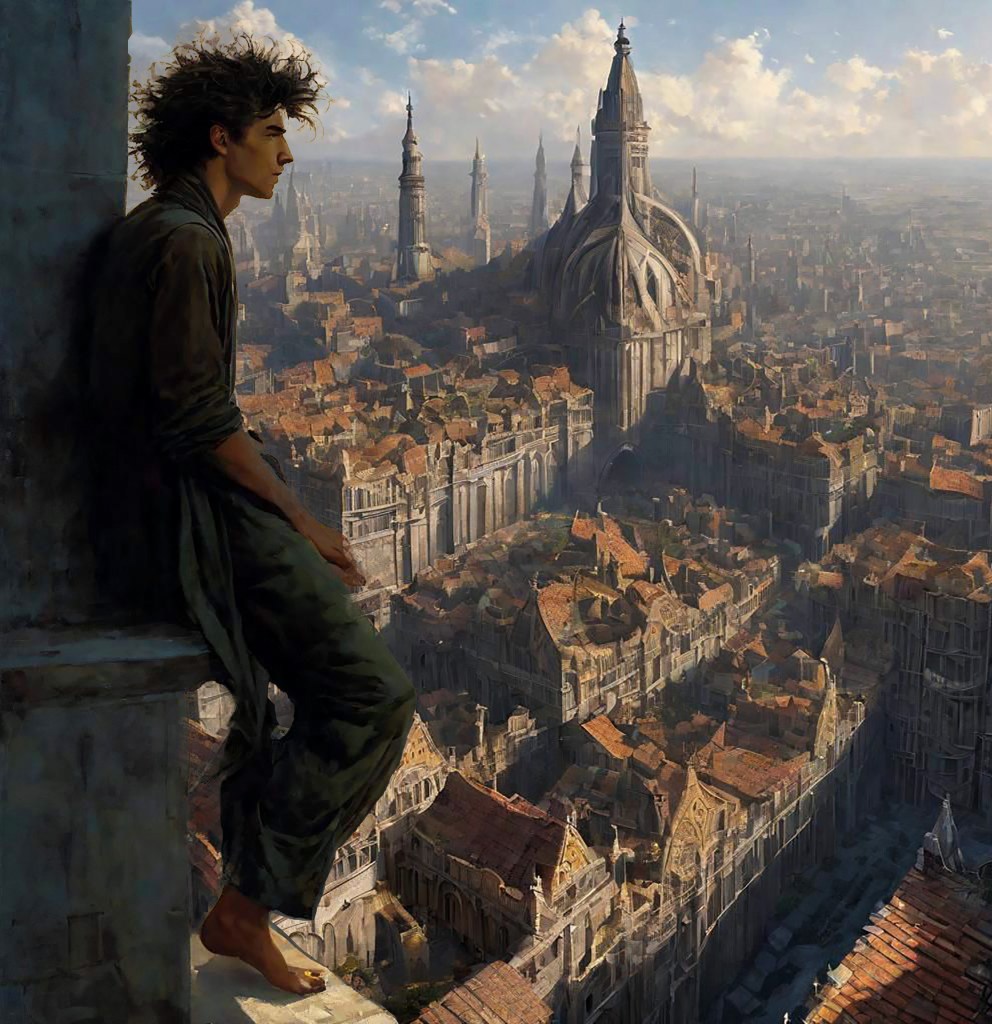
        Taking place in a wild, unruly city called the Jagganatheum, it’s the story of a sickly, asthmatic young dreamer from a doomed family and the abandoned sentient weapon he steals. When a wheezing, sickly giant is unleashed at the city’s heart, it reveals intrigues that carry him into adrenalin-fueled adventures in a shattered world and, ultimately, to the heights of legend.

        Here, there are lore cards to learn more if you’re interested, all relating to elements that will appear in the novel:

        Anyway, I pretty much stopped writing on this back in February. Yes, I was busy with my day job, but the plot I had in mind just kind of fell apart for me. It stopped making sense. I really got the impression back in the dead of winter that all the dazzling imagery I had in mind, those flashes of plot points that made the book worth writing for me, they were just getting strung together with a discount plot that would obviously stall and get contrived in places.

        I’m the first guy to complain about poorly written soap opera nonsense like Star Wars: The Acolyte and Amazon’s Rings of Power. Juvenile and inept attempts at high school level drama frustrate me: having lead characters just go be heroes because that’s who they are, people being angry with each other just for the dialogue the writer wanted to include, or sizzle reels glued awkwardly together with coincidences or by having characters do things they just wouldn’t normally do but need to for the plot happen, for a few examples. I truly don’t want to be associated with anything that even smells like that.

        No offense if you’re into either of these, but craftmanship in plotting is an aspiration of mine. These two mainstream offerings are stinkers in my opinion.

        I read three things over the years that have been screaming at me recently (only one of which I can cite so I’ll paraphrase):

        1. “The only thing worth writing about is people.” – Harlan Ellison
        2. “Villains are interesting because they are often the driver of the plot – they DO things.” -unknown
        3. “Marvel’s Magneto (major villain in the X-Men comics and movies) has one of the most interesting motivations in all of comics.” -unknown, but it was a writer for Wizard Magazine

        What I take from all that is:

        1. Stick to realistic motivations and interesting, fleshed-out people who all have their own agendas and desires (not just plot supporters who don’t exist when not in the chapter)
        2. Have protagonists DRIVE the plot (versus villains) by their actions, which have consequences
        3. Make the motivations of villains make sense and be understandable and relatable, almost justified

        It’s these principles that set the wrecking ball to the ideas I was holding on to. I’ll give you a few examples of what I’m talking about:

        1. A train trip through the wild, jumbled Jagganatheum

        Right after I started writing the novel, I caught the flu – it was a nasty one with a fever that wouldn’t go away. One night I had one of the most vivid dreams I’ve ever had. I had been trying to envision what a city two thousand years old and comprised of a single enormous building strapped to a mountainside would look like from the inside (and getting nowhere).

        Then the dream – I saw Mazewater’s entire day play out. I watched him get beaten up by a guy who posed as his bully so his mom would stop trying to toughen him up. I saw him in a complex series of barter exchanges and understood how the social networks functioned. I remember being in a subway-style train station with ancient broken marble statues and skylights, hissing through massive corridors like airport concourses. It was a genius picture and made the city make so much more sense for me.

        I was enamored with those images for months before I came to realize the whole series of exchanges and even the trip across the city just burned the clock and didn’t move anything. They could be trimmed without cost to the plot, and that hurt tremendously to let them go.

        But I had to. And I knew it. Finally.

        2. Ilianore, the loose cannon brunette

        Oh, I hated to let this one go! No fever dream this time, but still she showed up in my head fully formed such that I could almost hear her voice. She had jet black hair she kept in a pony tail and worked part time for a troll-looking lady chef right out of a Studio Ghibli movie. When the lead character (who had crushed on her since they were in school together) would accidentially get her fired, Ilianore would barge into his apartment in a storm of anger, light a match and drop it to the floor, and sit to demand of him what was he thinking while his carpet burned. Just to make her point.

        I found myself cramming in a romantic subplot with awkward flirting, weird secrets she would bring to the story, and a terrible confrontation after you were made to like her where she would die to drive him forward.

        All nonsense and didn’t fit at all. It just wasn’t the story the core ideas needed. By keeping her, it forced certain things to happen with her or risk distractions and clutter. Unfortunately, and I breaks my heart to say this, we will not meet Ilianore in this book. We’ll likely never meet her, and I miss her already.

        3. An old conspiracy uncovered

        I turned this one loose just this past week. Still hurts.

        Again, almost fully formed, I saw Mazewater on a stylite pillar doing a vision quest, trying to commune with the sentient weapon he’d stolen for 3 days in the rain. I knew why the pillar was there and what that had to do with the founding of the city. I knew what the weapon would say when it finally spoke, and how that would unlock an old conspiracy that turned the whole story on its head. I could have told you what that had to do with the giant’s attack on the city, what was really going on, and what happened next. I mean, this part of the story was core to the whole remainder of the novel. I really….can’t stress this enough….really didn’t see even the NEED to let this go.

        So I was taking a long walk in the woods this past Tuesday, pleased that I had rewritten the work done so far into a tighter, coherent narrative with dynamic characters and that, so far, this story matched what was needed. However, some things about the bigger picture still didn’t make sense for me and felt cluttered. I was really worried heading out on that walk, fearing things might crumble again as I thought them through looking for holes. My plan was to let this walk take as long as it took to iron things out.

        At one point, almost audibly, I told myself nothing was sacred. Nothing at all. What would the story look like if I just stopped holding on to cool pictures or imagined moments and let the motivations and personalities decide the course? What was it, exactly, that made me want to write this thing at all?

        It turned out, the old conspiracy didn’t add anything useful at all. The weapon needs to say something else entirely. Even the vision quest was just a sizzle-reel for me that I thought was interesting, to add flavor to the history of the city but was useless in the end.

        Gone! All of it. I am fascinated with where this wound up though. It’s tight and hangs together like brickwork.

        Anyway, what I wanted to offer you today is the wisdom of outtakes. I have entire an entire chapter of Ilianore that I’m keeping for my own files. I’ve got pages of notes about the old conspiracy and what I saw in that fever dream of the city, that will likely never see the light of day – but which I’ll keep.

        I’m not going to delete or discard any of that, much like directors struggle to cut scenes from their movies to which they’d become attached. In their case, they might add them to Director’s Cut versions of the movie just to feel good about sharing them with the world. Whether scenes wind up in the world or not though, it was the cutting that made the difference. That’s what tightened the story and made it resonate enough with an audience that anyone would even want a Director’s Cut of it in the first place.

        Turn them loose, then. Nothing is sacred. Move on, even if they’re gorgeous.

        I had writer’s block for a reason, and it was because I was holding on to nonsense that felt like gold.

        Let me know what you think about that. Till next time,
        Haiku Moments: Rewiring How You See The World

        When I was a teenager in Tennessee, I had this spot on a mountain bluff I would go to that overlooked the valley. It was a really beautiful place, at least to me. I’d string up a hammock and read or just hang out. One day after a short summer rain, I noticed some ants struggling to push a raindrop out of their little hill’s opening. For whatever reason, the drop wasn’t collapsing and stayed round and clear. And it’s crazy to think after this many decades gone by, I can still see that weird little moment that lasted less than a minute: a tiny little group of 7 or 8 ants pushing against a raindrop.

        Stick with me a moment here. I have a suggestion for how to refresh your mind and open a new world of thoughts for you.

        I recall another time in some random airport, I saw a young man, short and nervous, clutching his little sea satchel and looking at his dad. The dad was a rough-looking fellow, tattoos on his neck and arms, wrinkled and tanned skin. He had his hand on his son’s arm, giving him some kind of advice. I stole that moment and put it in the background of a novel I was writing it was so striking to me.

        Just this week at the beach in Destin, Florida I saw a tiny little boy who I imagine had only just learned to walk, wearing his little white sun-hat and long-sleeved shirt with his tiny legs still bowed out leading the way for his grinning dad following. I’m so used to seeing parents pick little ones up and direct them, but this little guy turned to his dad, stuck an arm and finger awkwardly out forward, and pointed the way he was headed just before he determinedly took off. It was hilarious.

        Here’s where I’m headed with this. Go get this book. It’s called Haiku Enlightenment, by Gabriel Rosenstock.

        If you sometimes get a little weary of the same old streets, the same old buildings, and if politics or social media circuses are making the world seem just a mean place to you, then there’s a thing I try with myself that might help you too. In my day job as a consultant, I study and manipulate how people view themselves and their work. I’ve studied cult tactics and brainwashing. I’ve studied propaganda and manipulative tactics in media. I’ve worked professionally in change management and the creative process for over 25 years. In many ways, I’ve monetized studying how people think and applying what I’ve learned. What’s the big secret in all that?

        Our brains are neuroplastic, meaning we can rewire how we think in a surprisingly short period of time with some effort and the right inputs.

        Rosenstock’s book is beautiful, and a nice tool for you to use should it intrigue you – this thought of rewiring how you see the world. I imagine all Gabriel is trying to do with this book is make you see how beautiful haiku moments are and how to write some for yourself. I had no interest in writing poetry, but instead took this as a chance to adjust what information I was paying attention to in my surroundings (and more importantly, what I was NOT).

        I’ve written about haiku here on Grailrunner before. Issa is my favorite now – dude went through some stuff and was still funny and poignant and timeless. Rosenstock’s book highlighted several poets that were new to me, which is great. I suggest if any of this resonates with you that you give a think to the sorts of things that are adding stress or negativity to your life and purposefully shoo them away as they pop up and make a very intentional effort to become a hunter of haiku moments – whether you intend to write them down in a poem being irrelevant.

        What’s a haiku moment?

        It’s a single, striking moment, often seen in nature or among people, where you realize something larger. It’s sometimes beautiful but doesn’t have to be. The point is it’s a tiny little story in an image, a whole vista of insight and wisdom in a single flash.

        I promise you – these are everywhere in your life. Pick up Rosenstock’s book or something like it and absorb a little more about what makes for a haiku moment, then start hunting for them. Write them down, even if in prose. Keep a notebook of them so they’re pinned like butterflies for you to admire later.

        If you see any cool ones, grab them and send them my way. I’m always interested in bursts of universal insight. You can sell that.

        Till next time,
        The Worst Art Advice I Ever Got

        I lost over thirty years in my art journey because I (stupidly) took a wrong turn based on what should have been great advice. Let me tell you about that, how exactly I went off the rails, and what a ridiculously talented Korean artist said that got me back on the journey.

        If you care about the process of visual creation, whether it’s you doing the creating or just a spectator’s interest in how all that works, then this one’s for you.

        Why does this matter?

        Crap, man, I’d like to be thirty years better in drawing and painting! I hate that I stepped away for that long. I’m the chief illustrator for Grailrunner, and its lead writer, and its game designer. I need to get a lot done myself to control costs, but somehow keep a high standard on quality of art to convey the unique (we think) property we’re trying to build with the Salt Mystic line.

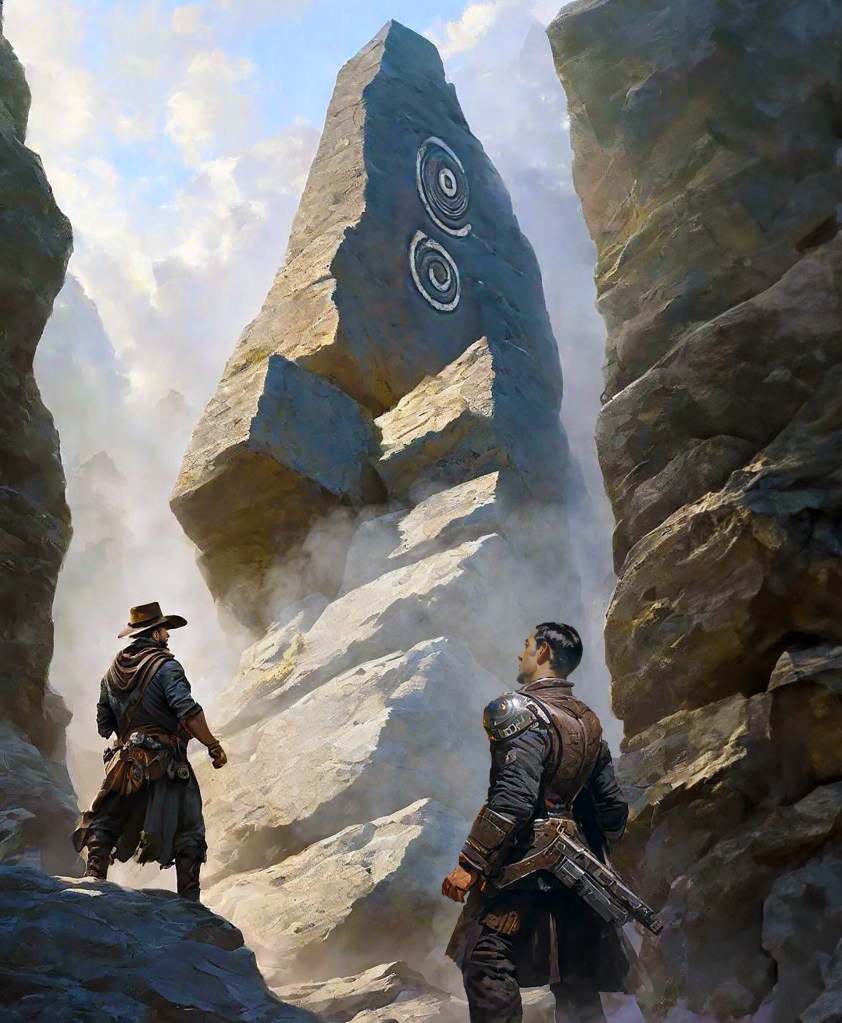
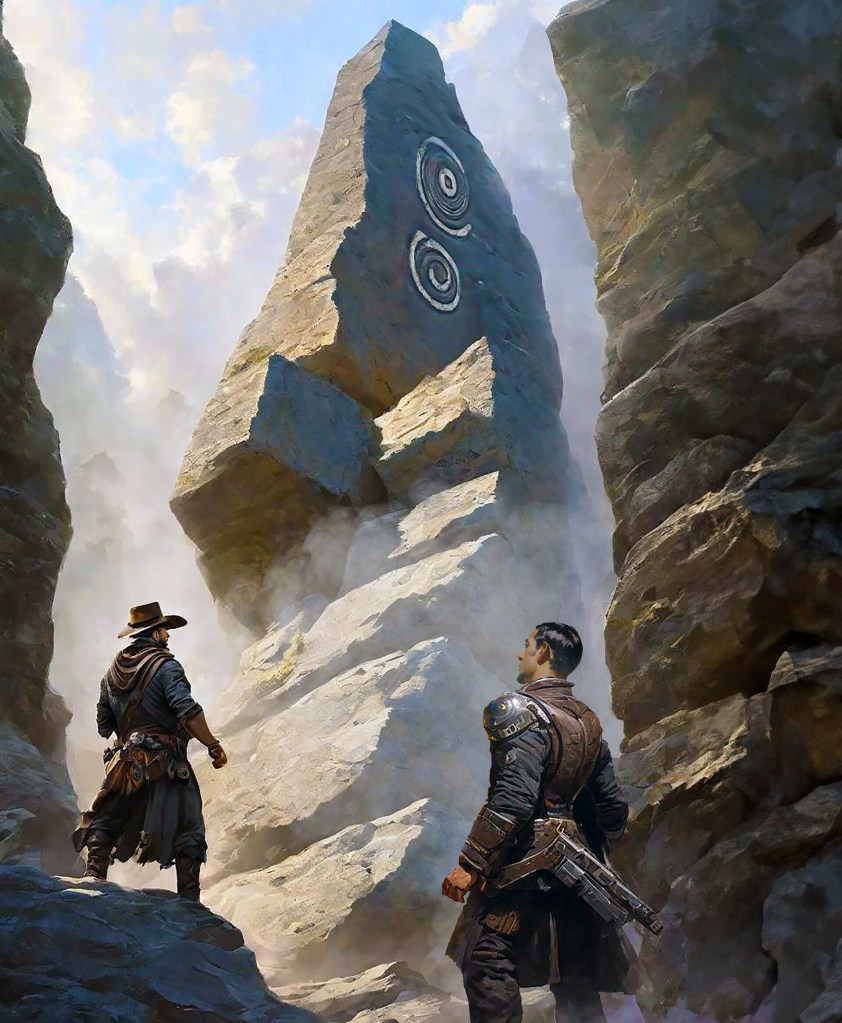
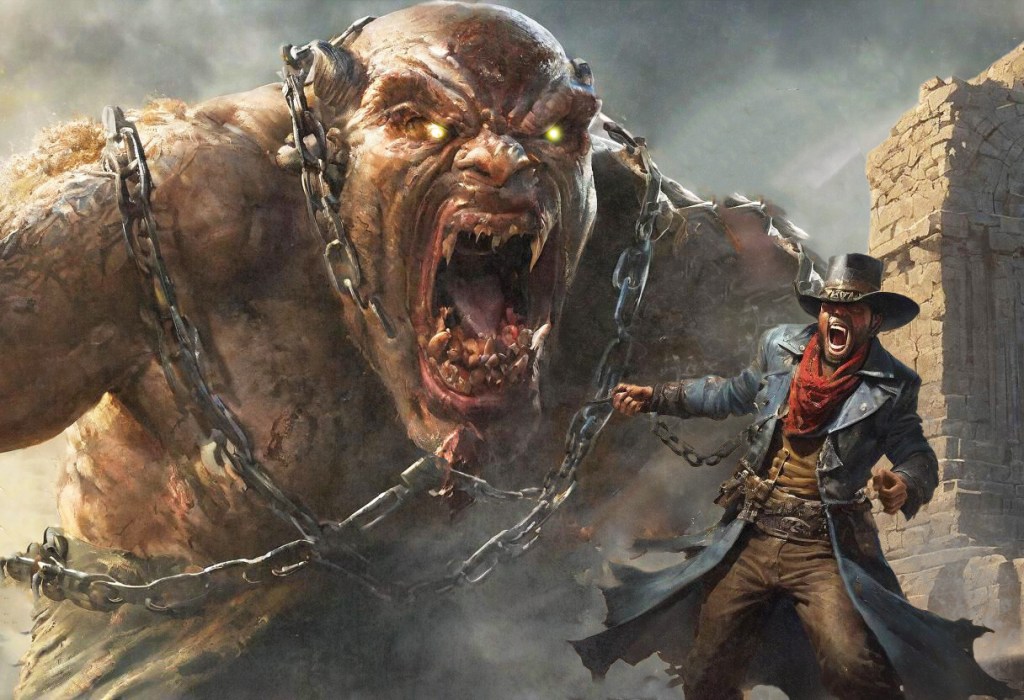
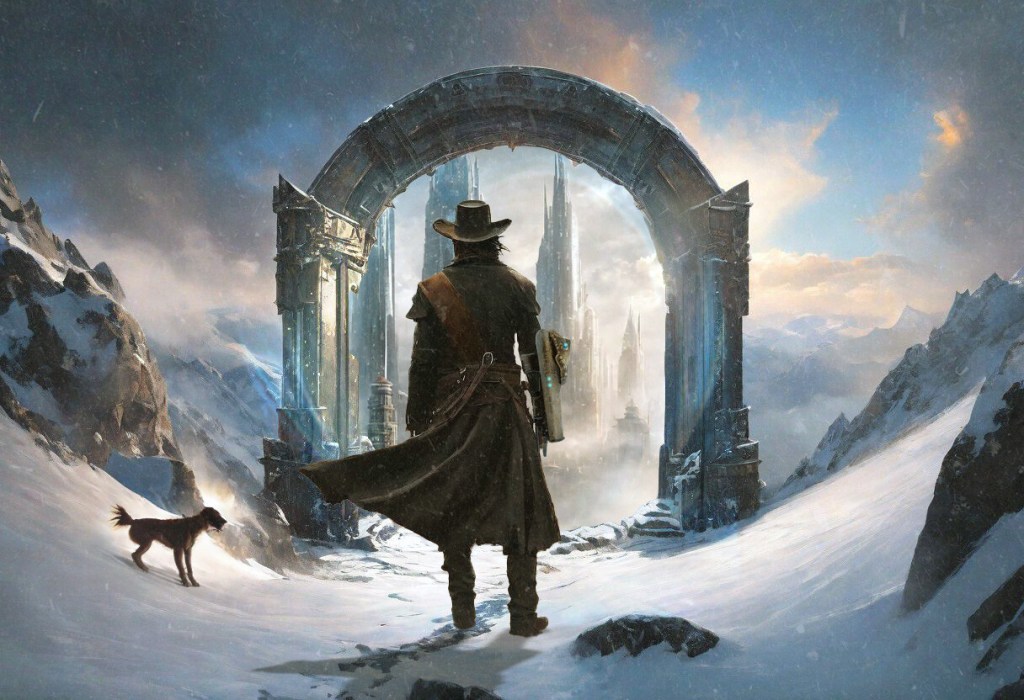
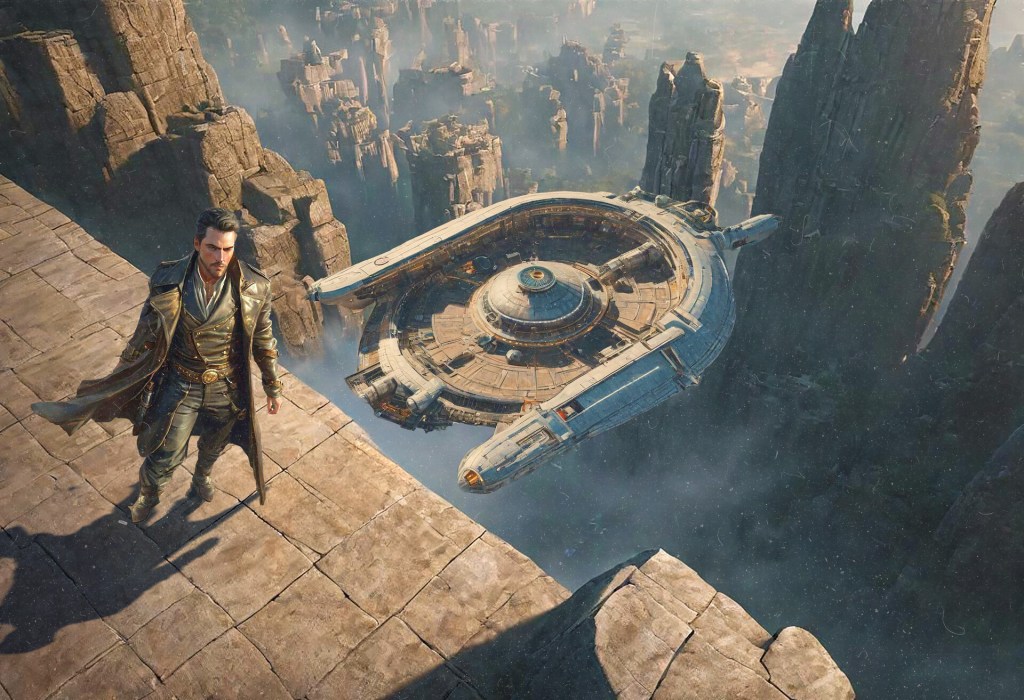
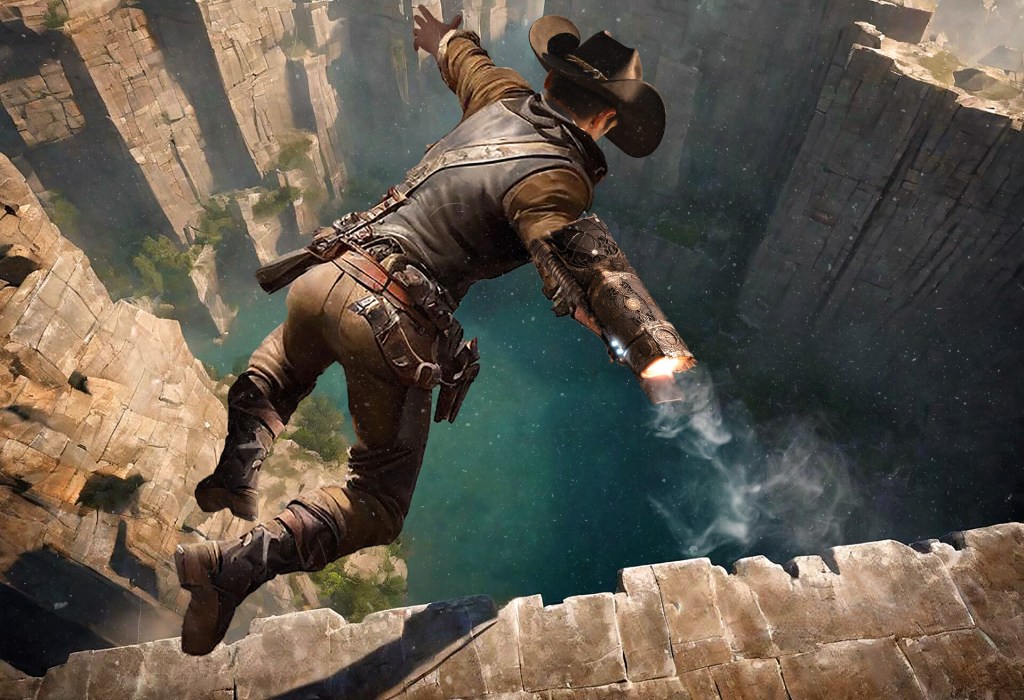
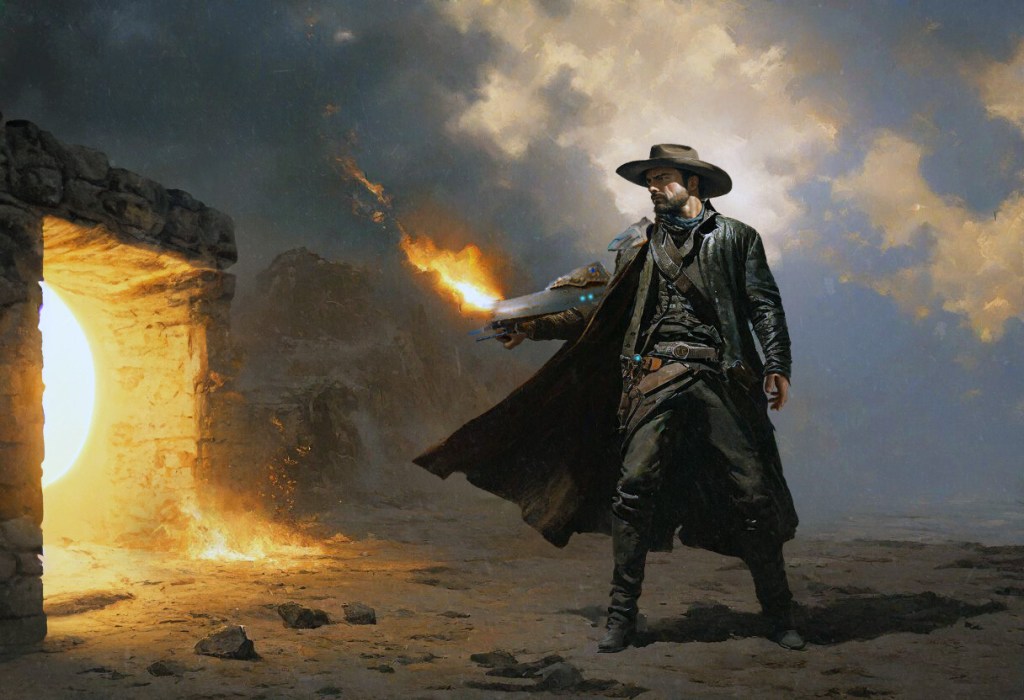
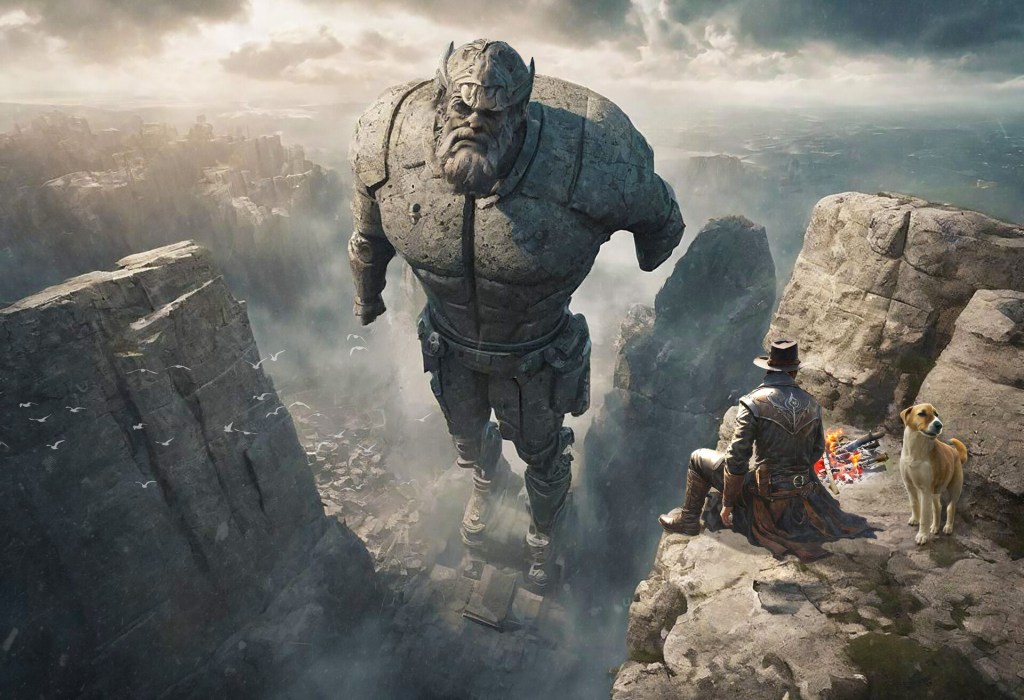
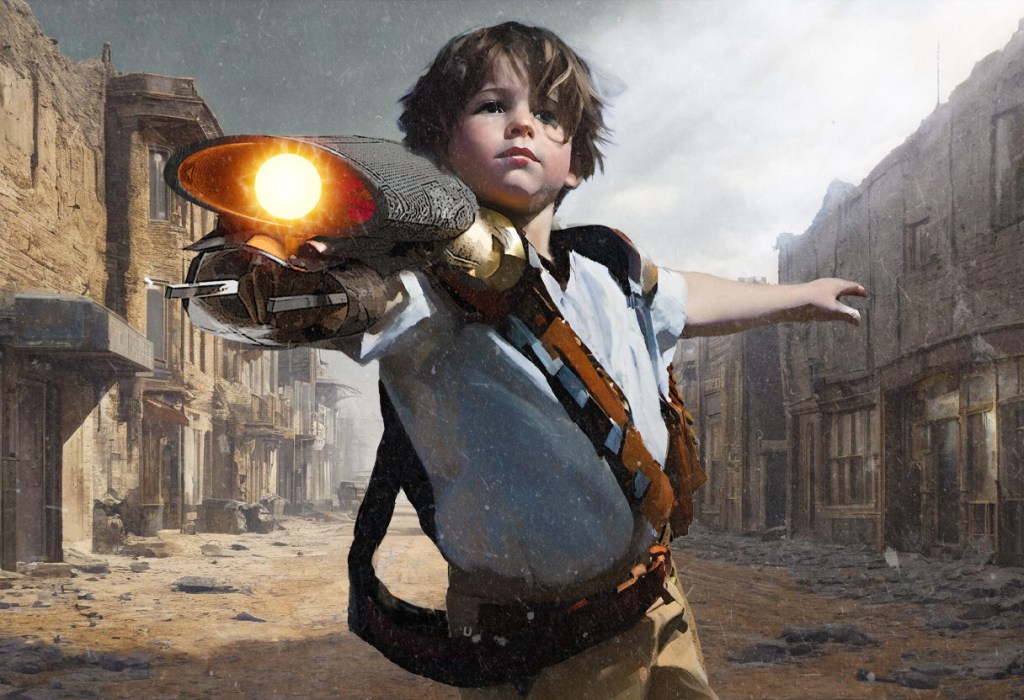
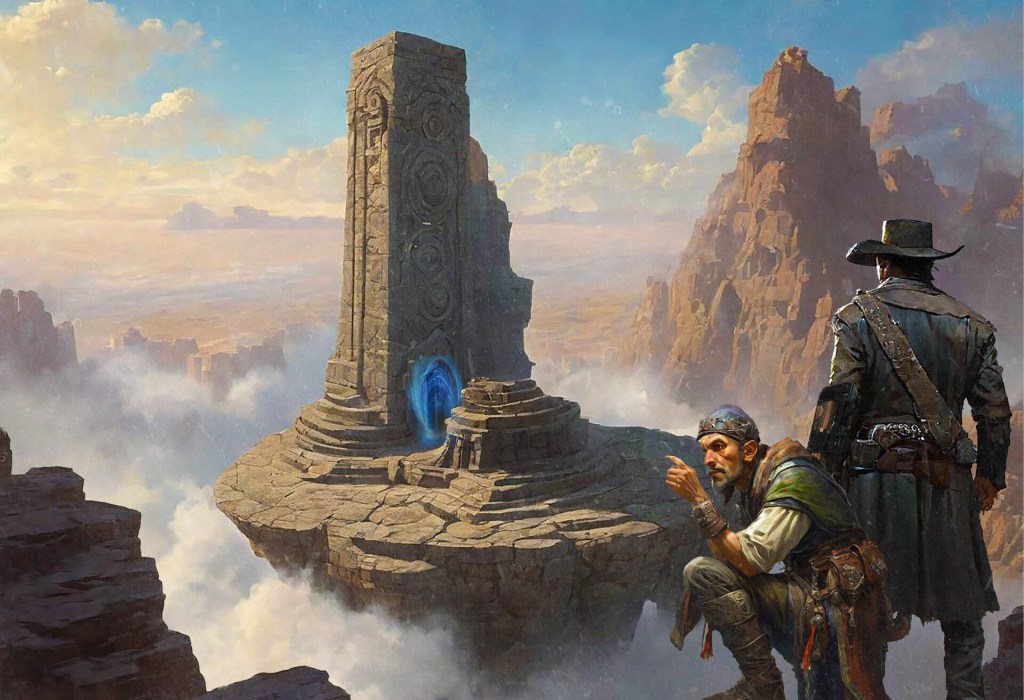
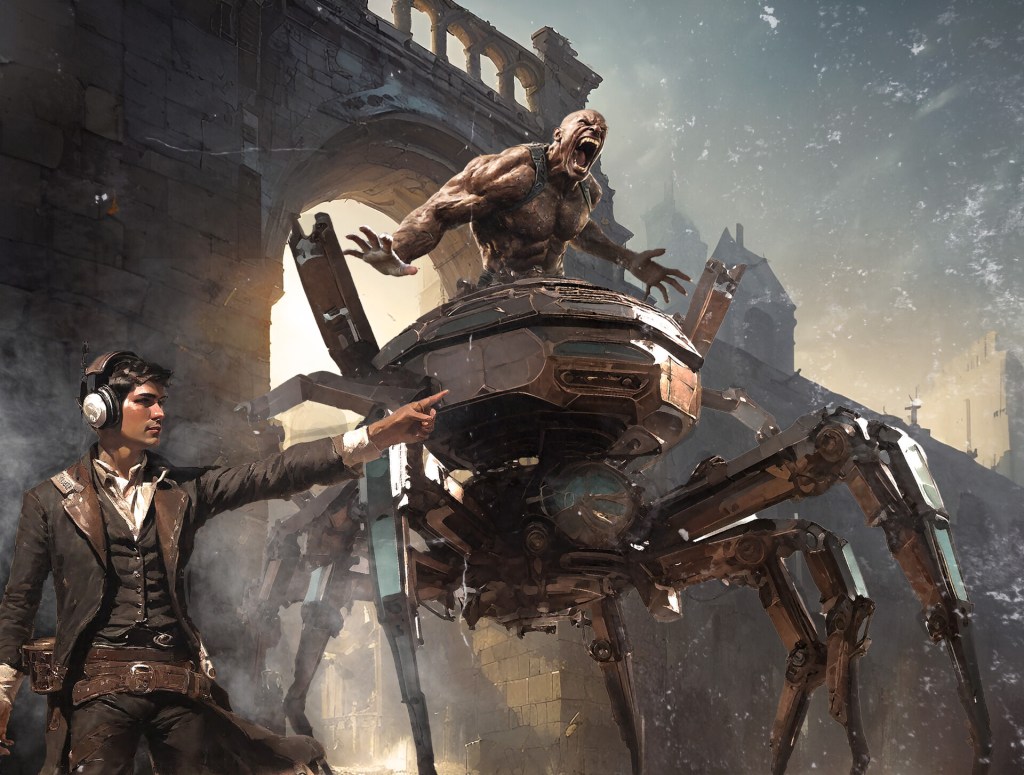
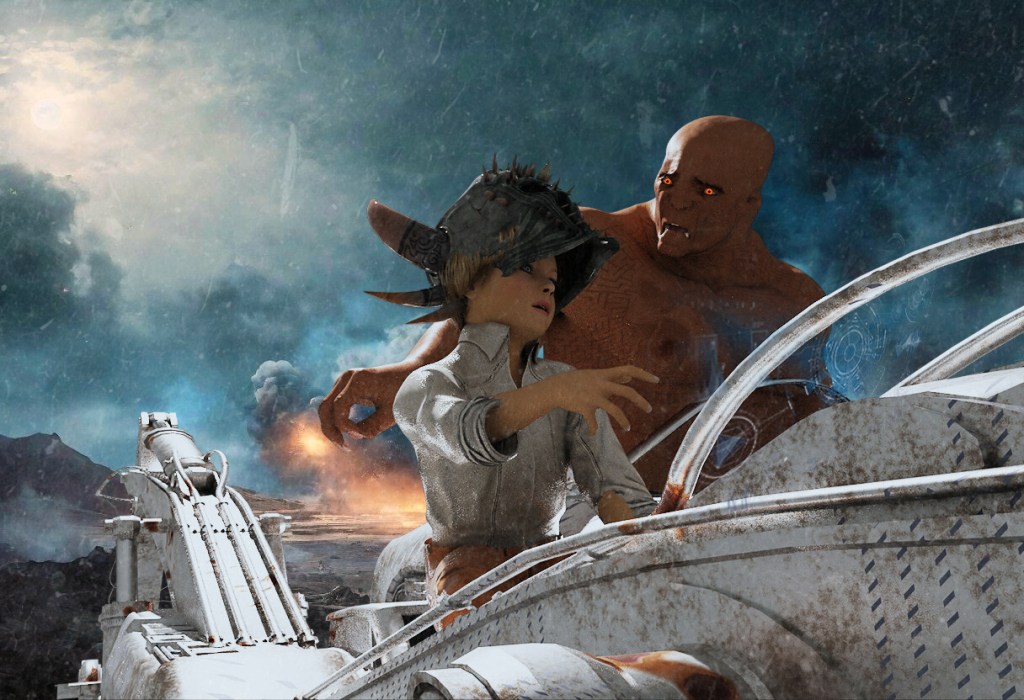
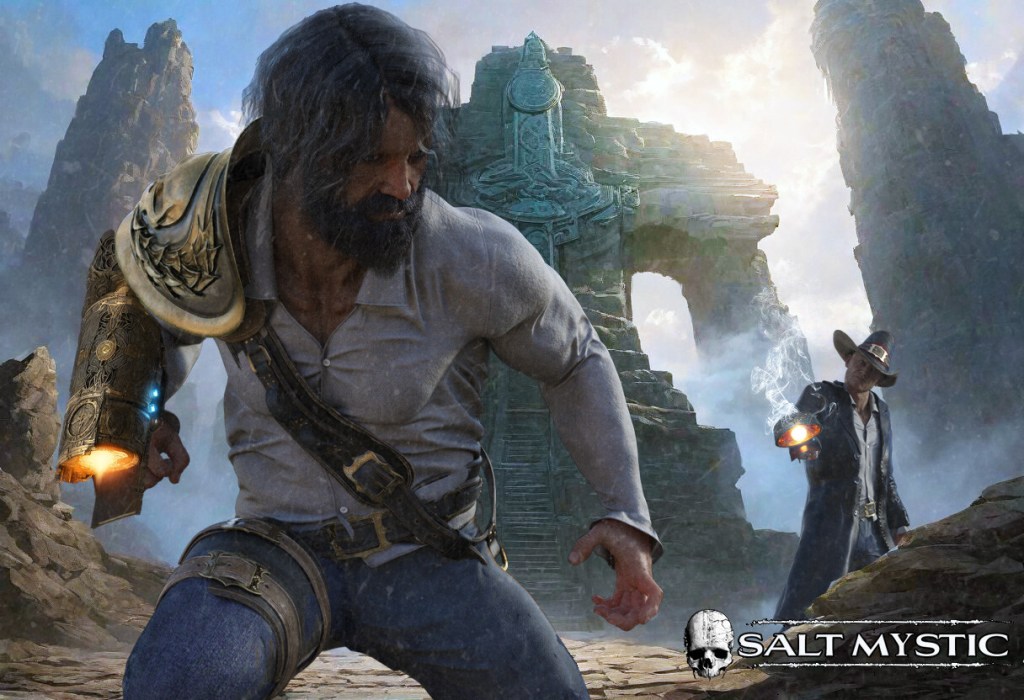
        The images below represent the style of work I’m building these days, relying heavily on photobashing and concept art techniques (with folks like Imad Awan as my virtual gurus). The Grailrunner house design standard is semi-realistic digital painting with grungy overlay, western themed adventurers almost always carrying the signature weapon (a gauntlet-based plasma weapon that doubles as a shield in duels), exploring statue-riddled, software-haunted ruins with shimmering dimensional portals. We aim for vibrant or earthy colors, lots of smoke and grit, with implied stories (often illustrating flash fiction on Salt Mystic lore cards).

        See the lot of them (and trace my hopefully improving style) at the Artstation account. Yes, I use AI-generated bits to composite exactly like I do with stock images but generally composite everything into something new and paint over them such that the transformation is meaningful and my own.

        It gets the job done, at least I think. Still, I wish they were grittier. I wish they broke more new ground than they do. I envy the striking shapes and designs of a lot of concept art out there for cinema and gaming – the kind of images that stick with you even if you don’t know the context. Artstation is great for inspiration, but it can also crush your dreams if you compare yourself to anybody.

        Mitchell Stuart, for example. Or Ricardo Lima. Or Raphael LaCoste. Or Greg Rutkowski. Or Ash Thorp. People like this are just on another level.

        What’s prompted this reminiscence about bad art advice?

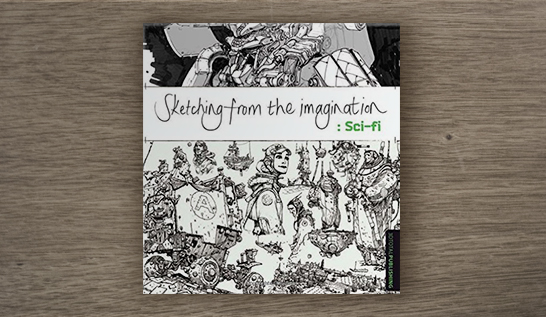
        Well, I came across this book called Sketching From The Imagination: Sci Fi by 3DTotal Publishing. I wrote about it here. That was October, which seems like an eternity ago. I posed for myself the challenge of returning to traditional pencil and ink drawing in a sketchbook to push my imagination harder than ever before. The dream is to explore a blank page with loose shapes and vague ideas to summon phantoms into form and create groundbreaking designs and concepts. Then these wild new beasties and tech and colorful characters would then find homes in the fiction or game settings.

        How’s that going?

        Meh. I was so much rustier than I thought I was. I’ll share some pages here to embarrass myself and stay accountable to you for improving. We’ll get to that. But let’s talk about that advice.

        When I was a kid, I filled scores of sketchbooks and countless backs of trashed dot-matrix printer paper my dad had brought home from work. Drawings of super heroes and sci fi vehicles and cities were my jam. Comic books were my main source of imagery, so everything I was drawing had bold outlines and underwhelming composition. The stories weren’t being told by the images in a self-explanatory way – I didn’t think about that sort of thing. I was alone a lot, so I didn’t share these with anybody, nor did I get any feedback.

        Flash forward to one day in art class, Middle School I guess, the teacher strolled by to see whatever I was working on and stopped to say something about my approach that resonated with me. He pointed at the paper and said something profound:

        “Real world things don’t have outlines. Draw what you see.”

        It shook me. Hadn’t thought about that. Good point. So I gave it everything I had to incorporate his advice into how I drew. Back home, hovering the pencil over the paper, for the life of me I couldn’t figure out where or how to make a mark to start the drawing if you couldn’t outline it.

        For this post, I looked through some old crates to find a particular drawing that would be humiliating to show but really staked the ground for when I began to turn away from drawing entirely. The picture in my head was a Dungeons & Dragons-style adventure party with a lady wizard, a swordsman, and an elf planning their next move on a morning beach with foamy, ripply water lapping at their feet. Maybe a dying campfire in the foreground with smoke rising in front of them. I couldn’t find it, unfortunately.

        Anyway, it was horrid. Everything on the page was so light, you couldn’t even make it out. I was petrified to start drawing outlines again, and I couldn’t see how to force shadows and contrast to draw out the shapes. It threw my perspective. It threw my focus on their faces. It ruined everything. It was the last sketchbook I really did anything with until decades later, at least in any serious way.

        Sounds bad. What’s different now then?

        I get it now. Youtube changes everything, doesn’t it? Contrasting light and dark, the subtle use of textures, faking details, focusing and directing the viewer’s eyes across the image, and strategic use of busy and rest areas…I never went to art school. That all may be common sense to you, but it’s a glorious rainmaker for me to see all that in action artist after artist, listening to these marvelous and generous people draw magnificent things and explain their thought process as they go. Great time to be alive, isn’t it?

        I travel a lot, so I keep an art pack and sketchbook. Pigma FB, MB, and BB brush pens, Staedtler pigment liners, a mechanical pencil, and some Graphix watercolor felt pens. Since October, I’ve put the practice time in almost every night at least for a half hour. It wasn’t a pleasant return.

        The dream is to draw from imagination though: new things. What I’ve learned from artist after artist in their podcasts, Youtube or ImagineFX interviews is that drawing from reference is far more common. A lot of the guys you see on video drawing or painting have their reference images off screen.

        Reference images! That wasn’t why I got into this gig. If I wanted a copy of an image, I’d take a picture. It was disheartening to me to hear professionals talk about light table tracing for their outlines…to see fantasy illustrators mash up references to form fantasy beasts – all of it copying what they saw. That was my problem back in the first place, right?

        Then I came across this genius: Kim Jung Gi. Rest in peace.

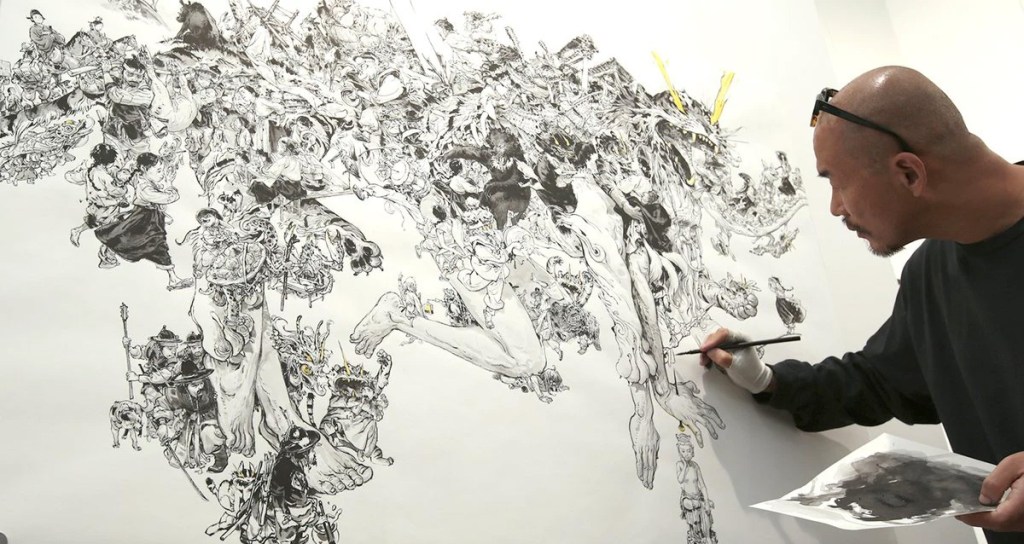
        Please google him if this flame of wonder is unfamilar to you. He drew from his imagination like a magical fountain spews sparkly fairies. He just walked up to paper and went nuts, drawing fish-eyed perspective, highly intricate intertwined figures, scores of objects and novel, distinct, and interesting characters at a high rate of speed and without slowing. How’d he do that?

        That guy didn’t have any reference images. That’s what I wanted. I had to go deep to understand what he did right that I was doing wrong that could unlock this magic. Exploration on the blank page…finding ideas haphazardly that were uniquely my own…I wanted to bottle this magic for myself. How in the world did he get to the point he could do it so wonderfully. Then I heard him say it (through a translator):

        “Don’t draw what you see. Draw what you HAVE seen.”

        His point was you have to do the reference images and understand forms and shapes in three dimensional space before you can do what he did. He explained the lifetime of sitting in public places filling thousands of pages drawing what he saw and forcing himself to draw it from another angle. That was the key – he drew what he saw with a lifetime of practice, but still practiced summoning those images from his memory to try them from different angles.

        He drew what he HAD seen. It was a big realization for me, this idea of examining the reference image – not just to get better at copying it, but to run your mind’s eye all over it in three dimensions to understand it better and to file that away to fuel your imagination.

        Now THAT’s what artists actually do. They don’t copy. They understand.

        I wish that guy was still alive. He was amazing.

        Agreed. Now how about sharing your progress?

        Ugh. Here you go. Don’t be judgey. Wish me luck that things improve. Go ahead. Click the book.

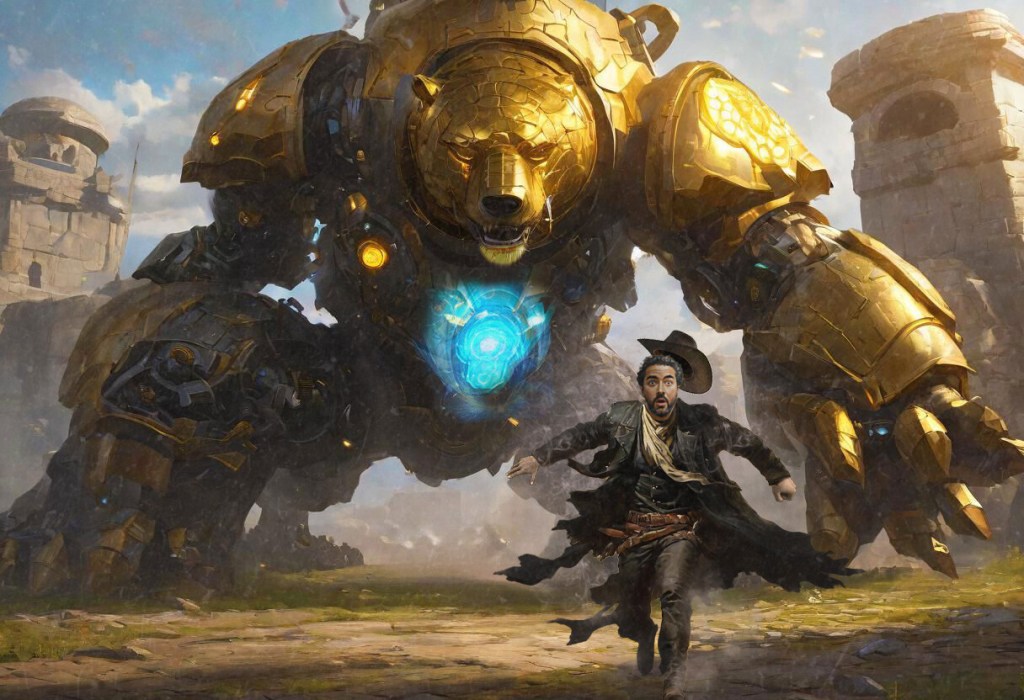
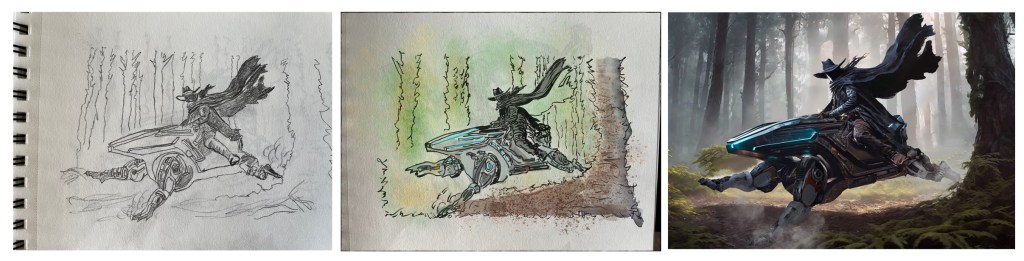
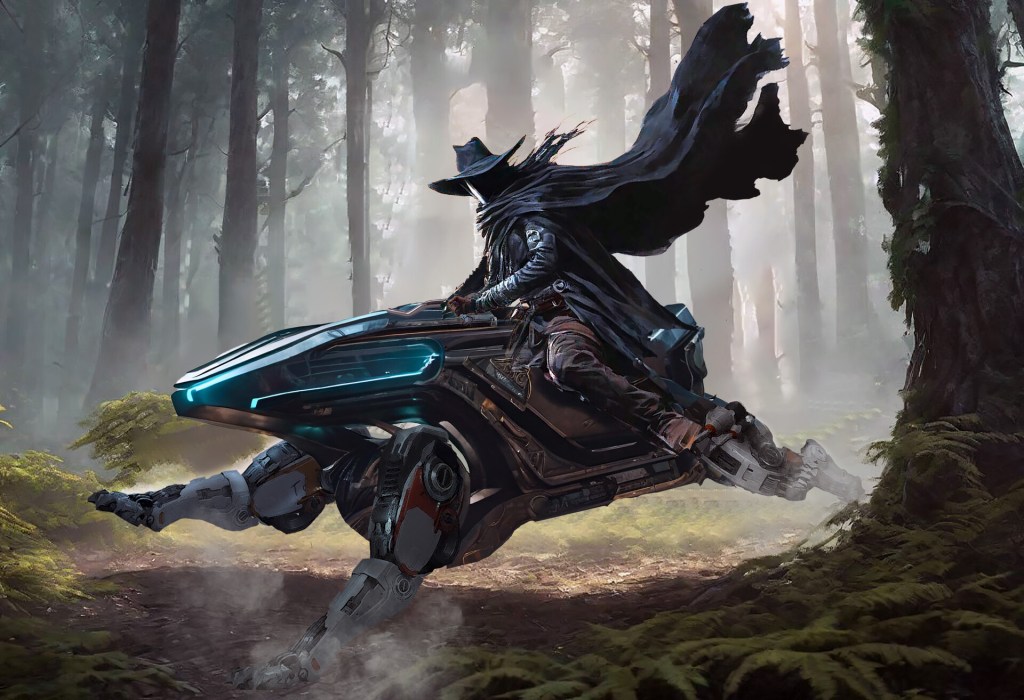
        Ouch. I hope you don’t lose all trust in me, should you have had any. Photobashing is an entirely different beast than battling blank pages with a mechanical pencil. I’ll keep at it. The beast-shaped robotic vehicle in the header image was a minor victory in this experiment: called a “sporecutter”, it’s the first concept that’s come from the new approach that might actually make it to the fiction. Page 15 in the sketchbook file here is the front runner for the design of an important vehicle in the Mazewater: Master of Airships novel I’m working on. That’s another possible win.

        That’s what I wanted to talk to you about today. I hope it was enlightening or helpful, should this be a journey you find compelling for yourself. Otherwise, I hope I still brightened your day a bit and made you think.

        Till next time,
        Uncovering The Plot Of Tolkien’s Unwritten Sequel To “Lord Of The Rings”

        If you love the rousing, unmatchable tales of JRR Tolkien’s Middle Earth (cinematic or book form), then it’s only natural to marvel at the thought that Professor Tolkien did actually consider a sequel. He even said partly what it would be about and wrote about 13 pages of a beginning to it called “The New Shadow”.

        I recently finished reading The Hobbit, the LOTR trilogy, and The Silmarillion as well as The Letters of JRR Tolkien and in honor of that experience, I’ve set the task for myself to determine as accurately as possible what would that full story have been. I’ll try and defend my points along the way, but it’s all speculation since he stopped purposefully (which I’ll explain shortly).

        Care to come along for the ride?

        What do we know for sure about it?

        The full text of the aborted sequel is available in The Peoples of Middle Earth. You can read it there. A summary though:

        It’s been 100 years since the fall of Sauron. King Aragorn’s son, Eldarion rules over Gondor. Elves and hobbits and the fantastic bestiary of years ago haven’t been seen in all that time. It’s the Fourth Age, a time of peace. The Age of Man. The War of the Ring and the great events of those many years ago are just stories, fading in memory.

        By a river below the sprawling towers of Minas Tirith, an old man named Borlas is talking to a younger, easily agitated fellow named Saelon. Borlas is the son of Beregond, the white guard captain assigned to Peregrin Took before the Battle of Pelennor Fields, and Saelon is the childhood friend of Borlas’ absent son. They speak of the growing evil in the hearts of men. And of Orcs.

        Saelon recounts harsh words the old man had had for him years ago, in correcting the boy for stealing apples and damaging trees as “Orc’s work”. That word, Orcs, had fascinated him. The harsh words had angered him.

        “Don’t speak to me of orc’s work, or I may show you some”, Saelon says. “You turned my mind to them. I grew out of petty thefts … but I did not forget the Orcs. I began to feel hatred and think of the sweetness of revenge. We played at Orcs, I and my friends, and sometimes I thought: ‘Shall I gather my band and go and cut down trees? Then he will think that the Orcs have really returned.’” The boy’s sudden anger and resentment perhaps surprise the old man.

        They speak of Herumor, the vile leader of a growing cult called The Dark Tree that worships Sauron and his predecessor, the original dark lord, Melkor. Unrest is spreading: discontent with the reign of Eldarion. There is news of missing ships, and Borlas’ son is away at sea.

        Suddenly, the boy, Saelon makes a mysterious invitation to the old man. If he will return to this spot tonight clad all in black, he will learn everything.

        Before the fragment ends, Borlas smells the air. In the Professor’s words,

        “The door under the porch was open; but the house behind was darkling. There seemed none of the accustomed sounds of evening, only a soft silence, a dead silence. He entered, wondering a little. He called, but there was no answer. He halted in the narrow passage that ran through the house, and it seemed that he was wrapped in a blackness: not a glimmer of twilight of the world outside remained there. Suddenly he smelt it, or so it seemed, though it came as it were from within outwards to the sense: he smelt the old Evil and knew it for what it was.”

        Why didn’t Tolkien finish the book?

        Oh, he explained that in detail.

        Here, in a letter to Colin Bailey, dated May 13, 1964:

        “I did begin a story placed about 100 years after the Downfall [of Mordor], but it proved both sinister and depressing. Since we are dealing with Men it is inevitable that we should be concerned with the most regrettable feature of their nature: their quick satiety with good. So that the people of Gondor in times of peace, justice and prosperity, would become discontented and restless – while the dynasts descended from Aragorn would become just kings and governors – like Denethor or worse, I found that even so early there was an outcrop of revolutionary plots, about a centre of secret Satanistic religion; while Gondorian boys were playing at being Orcs and going round doing damage. I could have written a ‘thriller’ about the plot and its discovery and overthrow – but it would be just that. Not worth doing.”

        In a letter to Douglas Carter dated June 1972, he said:

        “…the King’s Peace would contain no tales worth recounting; and his wars would have little interest after the overthrow of Sauron; but that almost certainly a restlessness would appear about them, owing to the (it seems) inevitable boredom of Men with the good; there would be secret societies practicing dark cults, and ‘Orc cults’ among adolescents”

        What he was saying is that he’d wrapped up the supernatural bits with the close of the War of the Ring, and all that was left was politics and intrigue. It wasn’t what he wanted to write, so he left it there. His real passion remained publishing The Silmarillion into which he’d thrown his heart and soul his entire life, but no publisher would have it in its condition: a dense narrative that can read at times like a technical history book full of difficult names and a flood of events.

        In a letter dated July 1938 when he was supposed to be writing a sequel to The Hobbit, he said:

        “…my mind on the ‘story’ side is really preoccupied with the ‘pure’ fairy stories or mythologies of The Silmarillion…and I do not think I shall be able to move much outside it – unless it is finished”

        In an epic letter to Sir Stanley Unwin dated Sep 14, 1950, he said of the finality of Lord of the Rings that it:

        “…concludes the whole business – at attempt is made to include in it, and wind up, all the elements and motives of what has preceded: elves, dwarves, the Kings of Men, heroic ‘Homeric’ horsemen, orcs and demons, the terrors of the Ring-servants and Necromancy, and the vast horror of the Dark Throne”

        It was disheartening for me, reading the Letters of JRR Tolkien, his final years after his retirement and when his dear wife, Edith passed away, that he was desperately still trying to find time to collate the materials for The Silmarillion and despairing he would ever accomplish it. His mind wasn’t really on a sequel.

        That seems to close the business then. What’s the point of this article and exercise?

        Okay, hear me out. He was super passionate about the elf histories and lore of The Silmarillion; in fact that was the whole point of his worldbuilding his entire life. Yet the market wanted hobbits and heroic myth. If the Professor had gotten The Silmarillion published ten years before, seen a relatively poor reception for it, and had maintained the energy to give it another go, I believe in my heart he would have gone back to the core of his magnum opus to redeem it.

        My point is – he stopped because of his viewpoint on what would happen next, but I believe if he actually made the decision to proceed with a sequel, that wouldn’t have been the direction he would take the book. He and C.S. Lewis agreed long before that if they couldn’t find the books they wanted to read, they’d have to write them. He enjoyed heroic poetry and long, exciting tales of adventure. So that’s what he would have found a way to write. It so happened, that’s what the market wanted anyway.

        But how on earth can we know what change in direction he would have taken with the sequel?

        Ahhh. I believe I can trace the steps on what his thought process would have been given his personal tastes, the groundwork he’d laid for The New Shadow, his fascination with The Silmarillion lore, and how he approached writing the first sequel: Lord of the Rings. Of course, there is wild speculation here. But I can back some of it up.

        OK, so what would have happened?

        A few building blocks first, please. Humor me.

        1. No allegories or basis in world events

        From Tolkien’s foreward to Fellowship of the Ring, 2nd edition:

        “I cordially dislike allegory in all its manifestations…I much prefer history, true or feigned, with its varied applicability to the thought and experience of readers”

        2. Not all the supernatural beasts and creatures need be absent from the story

        Letter to Naomi Michison dated Apr 25, 1954 (referencing Balrogs): “They were supposed to have been destroyed in the overthrow of Thangorodrim, his fortress in the North. But it is here found (there is usually a hang-over especially of evil from one age to another) that one had escaped and taken refuge under the mountains…”

        In fact, we could have dragons.

        “Dragons. They had not stopped; since they were active in far later times, close to our own. Have I said anything to suggest the final ending of dragons? If so it should be altered.”

        3. A dark entity can in fact be guiding events, just not in a physical body, and most likely surrounding itself with a confusion of good intentions and lies

        Letter to Robert Murray dated Nov 4, 1954: “…for or course the Shadow will arise again in a sense (as is clearly foretold by Gandalf), but never again…will an evil daemon be incarnate as a physical enemy; he will direct Men and all the complications of half-evils, and defective-goods, and the twilights of doubt as to sides, such situations as he most loves”

        That tells me no new dark lord. Herumor will be a man, but a man possibly being directed by an evil entity if he’s not the entity itself. It is highly unlikely Tolkien would have reopened Sauron or Melkor as a direct influence, as he very much disliked retreading old ground and cheapening the sacrifices of Lord of the Rings. In order to avoid the focus on politics and intrigue that turned the Professor off to the story in the first place, Herumor would likely have some form of magical objects or access to a lore of some kind to influence events – such as he might be using to take out those ships that were going missing. Herumor MUST have something from Sauron’s days that he’s using.

        4. There would be connections to the previous books

        Letter to Chrisopher Bretherton dated Jul 16, 1964 (regarding his process for writing a sequel to The Hobbit): “The magic ring was the one obvious thing in The Hobbit that could be connected with my mythology. To be the burden of a large story it had to be of supreme importance. I then linked it with the (originally) quite casual reference to the Necromancer…whose function was hardly more than to provide a reason for Gandalf going away and leaving Bilbo and the Dwarves to fend for themselves...”

        In this same letter, he explains at length how he pulled from his existing mythology in materials from The Silmarillion as part of his creative process. That’s key for me, by the way. It is precedent for him going back to the massive well of those materials to make sense of the story he wants to tell. I’ll come back to that in a big way shortly.

        5. Elves are gone and almost certainly would NOT appear. However, Elrond could still play a role.

        Elrond appeared in The Silmarillion, The Hobbit, and in much of the Lord of the Rings. Part man, part elf, and present in the major events of Tolkien’s entire history, this character was incredibly pivotal. Yet elves wouldn’t return; that’s clear. However…

        Letter to Sir Stanley Unwin dated Sep 14, 1950 (footnote): “Elrond symbolizes throughout the ancient wisdom, and his House represents Lore – the preservation in reverent memory of all tradition concerning the good, wise, and beautiful. It is not a scene of action, but of reflection. Thus it is a place visited on the way to all deeds, or ‘adventures’. It may prove to be on the direct road…but it may be necessary to go from there in a totally unexpected course.”

        So how could Elrond play any role at all then if elves are entirely gone? I speculate that Tolkien would have created a character enamored with Elvish lore who even perhaps has books with lost lore written by Elrond if not living in the ruins of Rivendell. That gives a reason to visit Rivendell, a means of Elrond adding to the tale, and gives Tolkien a chance to expound on his beloved Elf legends.

        And it could be key in the heroes (whoever they might have wound up being) unlocking the secrets they will need to defeat the new shadow.

        6. No Ents. No Entwives. These are the walking, talking trees who it is explained lost their wives. I thought at one point I had something here and we could revisit the Ents, but…

        Letter to Naomi Mitchison dated Apr 25, 1954: “I think that the Entwives had disappeared for good, being destroyed with their gardens in the War of the Last Alliance…when Sauron pursued a scorched earth policy and burned their land…Some, of course, may have fled east, or even have become enslaved…If any survived so, they would indeed be far estranged from the Ents, and any rapprochement would be difficult.

        7. Someone humble and unlikely will play the most important heroic role.

        Letter to Sir Stanley Unwin dated Sep 14, 1950: “A moral of the whole…is the obvious one that without the high and noble the simple and vulgar is utterly mean; and without the simple and ordinary the noble and heroic is meaningless.”

        Tolkien wouldn’t likely bring back Hobbits, but he could still create a humble, lovable goofy character who has to be brave to win the day and whose adventures bring them to the noblest and mightiest.

        8. It could be that we see Men transformed physically into Orcs, or at least an effort to make that so.

        This might be too dark even for the Professor. Yet it fits with Melkor’s original intentions to distort Iluvatar’s plan for Men and the nature of all that has come from Melkor’s scheming and influences through the centuries.

        Letter to Forrest Ackerman June 1958: “The Orcs are definitely stated to be corruptions of the ‘human’ form seen in Elves and Men.”

        Letter to Christopher Tolkien May 6, 1944 (referring to World War 2 still being fought): “…we are attempting to conquer Sauron with the Ring. And we shall (it seems) succeed. But the penalty is, as you will know, to breed new Saurons, and slowly turn Men and Elves into Orcs.”

        If anybody’s turning Men into Orcs, it’s Herumor. Given the groundwork here then, he’s learned that craft from Sauron’s lore. And it’s probably how he’s waging war on the high seas such that those ships are missing.

        Ships like the one Borlas’ son was on.

        9. The New Shadow mentions missing ships, and now we have Herumor and his dark lore from Sauron’s days potentially building him a navy of Orcs who used to be Men, fed by a growing secret cult convincing young restless men they actually want to be Orcs.

        So I’m saying that we could have gotten ORCS AT SEA in naval battles with dragons.

        10. There would be a supernatural object

        Tolkien used the Silmaril jewels and a terrible oath regarding them to drive events in The Silmarillion. He used the Arkenstone to drive events in The Hobbit. He used the One Ring to drive events in Lord of the Rings. In tracing his creative process writing LOTR, he definitively looked for a clear thread to tie his many varied elements together, easily made manifest in objects like this. I don’t know why he would break from that pattern in a sequel.

        Since he’d already used jewels and gold, I imagine he would use something silver. What else is incredibly precious other than jewels and gold? I’m speculating, so it’s as good a choice as any.

        But a silver what?

        11. The supernatural object core to the story would be tied to the lore of The Silmarillion

        In the very beginning of The Silmarillion, the God-character, Iluvatar has his created gods (The Ainur) sing with him and for him. Melkor, the original dark lord and Sauron’s future master and inspiration, deviated from the musical themes set by Iluvatar. Melkor wanted to do his own thing, and that was the original sin in the universe Tolkien created. Iluvatar corrected Melkor’s deviations by singing a new musical theme. The big deal here though, was that everything they were singing actually became manifest.

        Their singing created the world we know from all of Tolkien’s stories, as well as the entire history that would play out in it. It turned out that Iluvatar’s part of the song created Elves and Men. That was his plan all along, it seemed. And Elves were to be temporary, required to fade into the west at some point in the future to make way for the Age of Men.

        So Men were very important to Iluvatar’s plan of creation. He had a purpose for creating them, one that corrected whatever sins Melkor was introducing.

        Letter to Robert Murray dated Dec 2, 1953: “The LOTR is of course a fundamentally religious and Catholic work; unconsciously so at first, but consciously in the revision….the religious element is absorbed into the story and the symbolism.

        Letter to W. H. Auden dated May 12, 1965: “I don’t feel under any obligation to make my story fit with formalized Christian theology, though I actually intended it to be consonant with Christian thought and belief.”

        This perspective tells me Tolkien might very well have asked himself what was the original purpose of Iluvatar creating all this for Men and for indeed creating Men at all? In Christian belief, it was to commune together with humanity and for them to make a free will choice to do so with God. I believe Tolkien’s faith would have informed the decision on this supernatural object’s nature.

        Iluvatar created Men to commune with him. Iluvatar does so in song; there’s precedent for that. The Ainur didn’t really have a choice. Men do.

        I believe the object would be a musical object, one allowing its player to sing (excluding pipes and other wind instruments). I assume then, a silver lyre.

        12. The silver lyre would be necessary to resolve the almost certain fall of Men under their own efforts.

        Letter to Miss J. Burn dated Jul 26, 1956: “No, Frodo failed. It is possible that once the ring was destroyed he had little recollection of the last scene. But one must face the fact: the power of Evil in the world is not finally resistable by incarnate creatures, however good.”

        Sarumon and Gandalf were both sent to assist in the fight against Sauron, but Sarumon was a disaster in this. Gandalf died in the process and earned his rest. I don’t believe Tolkien would have provided for another supernatural assistant like that in resolving events in The New Shadow. Given that the silver lyre is now assumed to be critical to the story, I’m imagining Iluvatar sent this object as the aid.

        Accordingly, the creator god has provided the means for Men to help themselves. In line with Christian belief then, it is up to Men to finish the job.

        *

        So whats the story of the New Shadow?

        Tying all this together, I envision a small and disparate group of human characters (embodying natures of Elves and Hobbits perhaps, though physically Men and Women) must undertake a mission to find the silver lyre as their only hope in turning the tide against Herumor and his growing Dark Tree cult. Raging battleships crewed with screaming Orcs are pillaging and plundering port towns all across Middle Earth, establishing beach heads. Youths are disappearing from every village. Almost certainly, Borlas goes along (and possibly Saelon). Word spreads that Herumor has recruited dragons, who fly along with his Orc fleets.

        The new fellowship makes their way to the ruins of Rivendell to consult with the old scholar there, in hopes of learning the lyre’s whereabouts. Secrets are revealed, and a betrayal occurs, though not from the one we expected.

        As Herumor’s dark forces spread, seemingly growing beyond imagination, vile beasts from older days awaken to serve a dark lord, or at least one who deems himself such, one last time. Terrible fates befall hapless towns who’d grown slothful and fat in the long peace. It seems no one has an army or navy able to stand against the black tide of evil sweeping over the lands and seas.

        But the lyre is found, and its music summons mighty fighting ships, though no magical beings to crew them. It is up to the least of the new fellowship to inspire and recruit those who will sail these ships.

        A mighty battle is fought on the roiling seas, flaming dragons and screaming Orcs versus mystical ships and desperate Men and Women. At the darkest hour, everything turns because of the courage (and potentially the sacrifice) of the most precious of the new fellowship – one who we thought might become a King or Queen. It was that selflessness that redeemed Men in their Age.

        The battle is won. Herumor and his fleets are destroyed as the very sea rises up like a man to swallow them whole.

        And in the very end, there is music as Men sing to the skies.

        *

        Anyway, I hope you liked this musing and speculation. What a great experience this has been. I’d love to know what you think – and your own ideas about where the Professor would have taken all this.

        Till next time,
        Understanding The Silmarillion (and what it may tell us about Tolkien’s Sequel To Lord of the Rings) – Part One

        I just finished reading Tolkien’s epic The Silmarillion. I’m proud of that because it took me a few tries to get rolling. But once it started becoming clearer to me what was happening, who was who, and the overall point of everything, I found it to be a stunning work of genius that is unmatched in scope, attention to detail, and craftmanship.

        If you’re into the Peter Jackson movies or love The Hobbit or Lord of the Rings books but have been side-eyeing The Silmarillion like I was, I think I can help with that. If you don’t really know what this insanely impressive book even is, I can help with that as well, and explain why you might want to consider taking the plunge and reading it. (There are spoilers here, but I wouldn’t even recommend reading this book without knowing a few things first if you expect to follow the big picture).

        My point with this two-part set of articles is to give you a few tips that can make the going easier in reading it. Then I’ll land on what Tolkien was actually planning for a sequel and which direction he might have taken that should he have actually determined to press ahead.

        Cool?

        What is The Silmarillion?

        J. R. R. Tolkien was one of the finest writers to ever work in the English language. He was one of the first true detailed worldbuilders, and in large part may have invented that craft itself. His main interest in the beginning was inventing fictional languages, and the worlds at the heart of the Lord of the Rings and related works were just places to house them. In The Hobbit, Fellowship of the Ring, The Two Towers, and Return of the King, we get glimpses and casual mentions of incredible events and the long, rich history of Eä, a fictional universe which contains Middle Earth (among other places). The Silmarillion is an opus of the mythology from creation of these worlds up to the end of their ages leading to our own.

        What’s good about it?

        Oh, man, are you in for some of the most incredible imagery and ideas, fiery wars on a mythological scale that altered the very shape of the earth, fascinating characters fleshed out like real people but strutting larger-than-life on a stage of unimaginable fireworks! They might seem disconnected as you read them, but it all has a point. Practically everything you might love about the more famous books, every place you remember from them, has a history and reason for being. The giant spider that captures Frodo, the fiery balrog that killed Gandalf, why there are wizards at all, who built Minas Tirith, who was Sauron and what he really wanted (he wasn’t the first dark lord), why there is evil in this world, where elves and men came from & why they don’t like each other, why elves are fading, where they’re all going in the west, and on and on. It’s all made clear and hangs together tightly like a masterpiece tapestry while it tells an incredible story. In fact, the events of the more famous books are like footnotes here. There’s so much of a bigger picture going on than the rings and Sauron!

        It’s genius, man. That’s what I’m saying. Genius.

        Summarize it a bit, then. And give some tips on what’s important.

        A creator god invites his supernatural beings to begin singing, though one among them strays into his own musical themes to suit himself rather than following the creator god’s lead (Melkor, one of the most important through-lines of the entire book and eventually the original dark lord). It turns out, their very music is creating Tolkien’s fictional universe, and all its long history, everything that ever will happen in it, is just that original music playing out. The creator god offers for them to enter into this new universe, and some take the invitation.

        This new world is waking up with life and light, and the beings that entered it build a magical place called Valinor. Very much of what happens in The Silmarillion, and what is going on behind the scenes in the later books relates to this magical land to the west. Pay attention to everything that happens in Valinor and any time somebody enters there or leaves there.

        Elves are the first newly created beings to appear in this world (in a place outside Valinor called Middle Earth), and most of action of the book is telling their early history. Most of the characters are in fact various types of elves, split up by various events and decisions and so with different tribal names. But elves nevertheless. Humans come into the picture, though a bit later and ultimately are the point of the music and everything else.

        And the jewels?

        Three magical jewels (called the silmarils) are created by a craftsman elf (Feonor), and that drives an incredible chain of events that serve as the backbone of practically everything that happens. Pay close attention to Feanor, why the jewels glow like that (light from the trees of Valinor), what happened to those trees (Melkor’s dark deeds), and the terrible oath sworn regarding who will own these jewels. That’s the engine of the story, these jewels. That’s why the book is called what it is.

        One family tree is really core to the book. This one:

        Feanor made the jewels – he and his sons swear the oath, which carries supernatural weight and leads to the dooms of many. For anybody that chases those jewels, there are problems. In this family tree, there’s a connection eventually to the rings of power (Celebrimbor), Elrond and Galadriel (who you know from the movies), and a lot of the main events that happen in The Silmarillion. Aragorn traces his ancestry back to here as well. A lot of people are turned off by the firehose blast of names in this book (and I get that), so ticking off a few important names for yourself (and a few important places) is key in enjoying the book. Feanor and his sons matter a lot.

        Over a biblical scale of time, long-lived elves (occasionally with supernatural help) fight Melkor and his dark armies of beasts. Here, you get orcs, balrogs, and the first dragon (who you get to watch grow up), werewolves, and giant spiders. Earthshaking battles and incredible conflicts rage, often to deal with Melkor’s evil or to struggle for those jewels.

        Wait. Werewolves?

        There are werewolves in Tolkien, yes. They’re mainly in the story of Beren and Luthien which is one of the most central parts of the entire tapestry. It’s a story that is gorgeous and mythical. Let me blow your mind a bit, if you didn’t know this:

        That’s the gravestone for Tolkein and his wife. Here’s a quote from the Tolkien society:

        “…the story has a personal significance to Tolkien. In 1917, a young Ronald (as Tolkien was known) saw his wife Edith dancing in a glade near Roos, Yorkshire; this scene was the germ of the story as Beren also first espies Lúthien whilst dancing in Doriath.”

        [Beren And Luthien is available as a standalone book itself, which I’ve also read, and it’s worth your time as well. This is even more of a composite study done by Tolkien’s son than The Silmarillion, and is a bit more like piecing the tale together through notes than a somewhat polished work.]

        Beren is human, Luthien, elf, and her father challenges Beren to bring him a silmaril for her hand. Unfortunately, the dark lord himself has all three of them by this point embedded in his crown where he sits on a throne in a dark and impregnable fortress protected by every manner of vile beast you can imagine and endless armies of orcs. This part of the story is key, so key in fact that Aragorn tells it to Frodo, as they are his ancestors.

        Wrap this up, then. How does The Silmarillion end?

        This book is a world, so it isn’t really that simple. There are several threads going on tangential to the big picture, like the Atlantis city of Numenor and its upheaval, the hidden city of Gondolin and its fall, and the tragedy of Hurin and his children (also available as a standalone work and also worth your time). I name these threads for a reason – pay attention to Numenor’s role and why it was destroyed, how and why Gondolin was destroyed, and Hurin’s son, Turin and his adventures. Still, they’re like side quests.

        However, The Silmarillion tells at last of the fall of Melkor and the eventual fate of the silmarils. If you just keep your eye on Melkor (also named Morgoth) and the silmarils, you’ll get the main flow of everything going on with this incredible book. Towards its end, there is a concise summary of events leading up to the world we know from the more famous books.

        Okay, so what was that you said about a sequel to Lord of the Rings that Tolkien was planning?

        Ahhh, that’s interesting. It will be the point of the second part of this set of articles. A year and a half ago, I found out Tolkien had begun writing a sequel to be called The New Shadow. The scrap of it that exists is chapter 16 in a compilation called The Peoples of Middle Earth.

        That’s honestly why I went deep on Tolkien in the first place. I rewatched the six movies (extended editions) and read all these books I’ve mentioned here, originally because I wanted to solve the mystery for myself of what was going to happen in that sequel should the professor have gone on to continue the story as he at one point planned. He explained clearly why he stopped, so I’ll briefly recap that for you in the second part of this series.

        But what’s more interesting for me is where he would have taken the tale if he’d really decided he would press on with it. I believe he would have returned to the background of The Silmarillion, the big picture of that music from the very beginning and how it decided everything that was to happen, and point of humanity’s coming into this world in the first place.

        *

        I hope this whetted your apetite should you have interest in this amazing book. If it helped, let me know. If you love the book already, let me know that too. It was a transformative experience for me, going this deep into such a rich world.

        Till next time,
        New Salt Mystic Lore Card Available For Free! Meet The Justice Engine.

        I’m swimming with stuff I need to get down in the lore for the Salt Mystic universe. There should be more time in the day and less need to pay bills.

        Anyway, here’s the background if you aren’t familiar with the original IP we’re building here at Grailrunner called Salt Mystic.

        A unique blend of western grit and fantastical science! Step into a far future world where artificial pocket dimensions hide untold mysteries, gunslingers duel with ball lightning, and colossal armies fight for their very survival. Get ready to embark on a boneshaking adventure that will test your courage and set fire to your imagination!

        Salt Mystic is an immersive experience that seamlessly weaves together the rugged allure of a wild western tale but with the boundless wonders of science fantasy.

        Today, we’re introducing a new threat to this rapidly growing world called the Justice Engine, and we’re doing it with an exciting new lore card, available for download free now!

        What is a Salt Mystic lore card?

        Smash the Story Arcade button below to see a description and to access all of them, but basically it’s a distinct fusion of art and flash fiction on a single page to build (brick by brick) this expansive new world.

        Oh, Grailrunner, what have you done now?

        Oh, today’s a whopper! A doozie. A slam-fest to your noggin. It started with the art this time, and the vague idea of a wandering mechanical judge with a dimensional gate in its chest. You can see some of the image in the header and the full image below, though if you’re at all interested, why not just take a peek at the pdf in the Story Arcade?
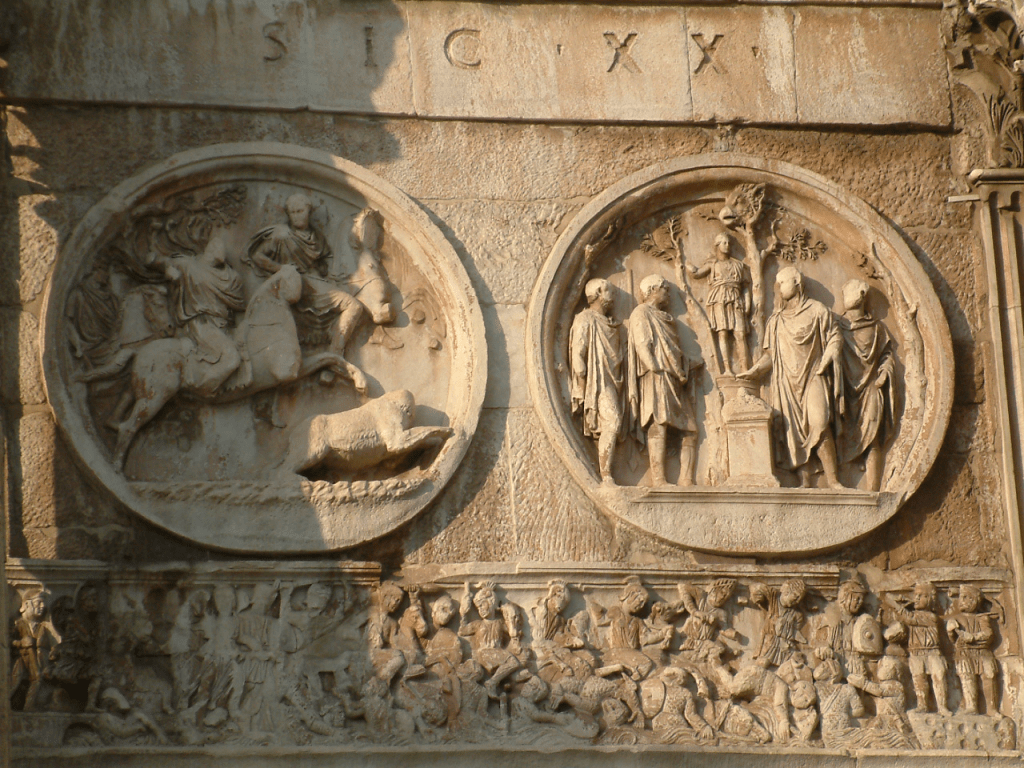
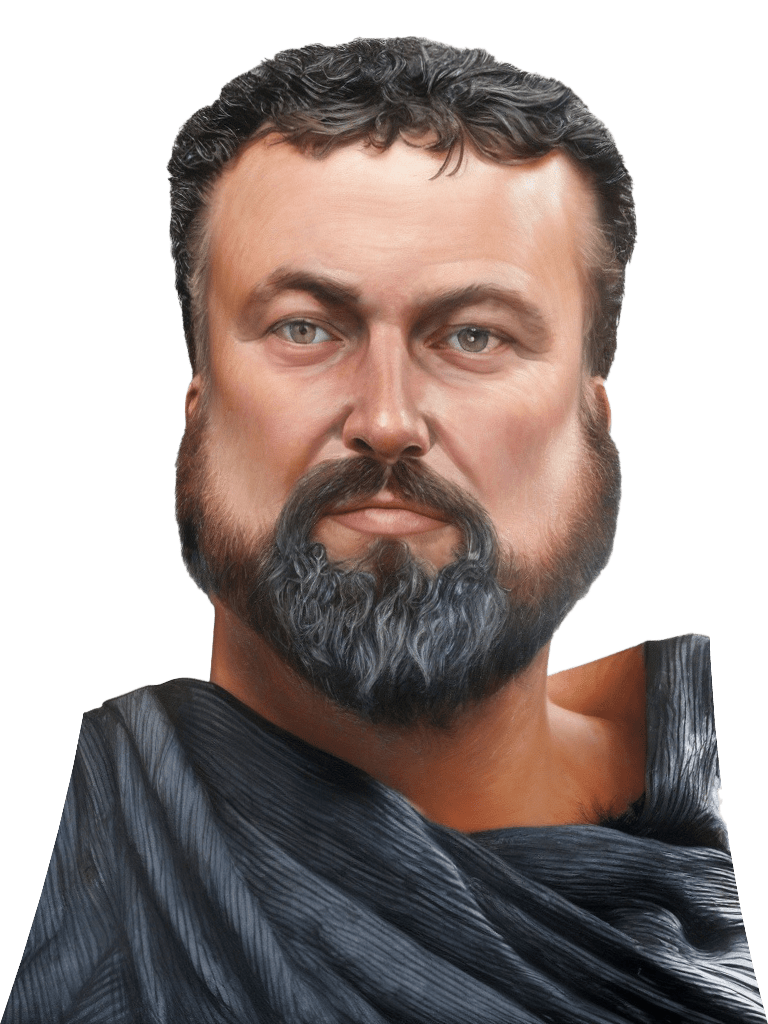
        The art is a photobash paintover, with the golem body itself AI-generated. I altered the background, mainly the tower on the right, and corrected some artifacts that came with it as well as added some clouds and sky. Then I added the rocky ground in the foreground to heighten the image for the card. The dimensional gate swirling was a handful of sparkly and lightning overlays in Color Dodge mode. The idea here is this thingie can just pluck you up and drop you into a pocket dimension should you be found guilty.

        But it isn’t Robocop. I didn’t want some Hollywood-style robot going rogue with its own ideas of justice in a dystopian nightmare. There’s a twist to who’s doing the thinking with these and why they’re qualified to do so. There’s a reason they’re wandering these days, and it’s sad but maybe a little hopeful.

        And all that is tied distinctly to the history of the Salt Mystic setting. I’m personally really proud of this one in particular, and I can’t wait to write it into something more ambitious.

        Anyway, I hope you like it. Full image below and link to the new lore card here.

        Please take a peek at the lore card – shouldn’t take you more than a minute or two to read the text and get the flavor of this new beastie. And let me know what you think!

        Till next time,