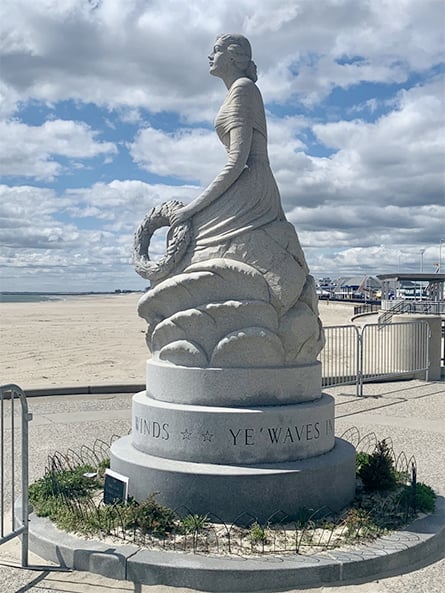
Oh, wow, if you could have been with me at a rainy beach in New Hampshire in 2015! I had a half-day to myself, off from work with a rainy New England afternoon free. I drove from Portsmouth where I was working down to Hampton Beach. It was cold, gray, and everything was closed for the winter. There was one couple on the beach trying to make a romantic walk of it, but it was the slow, drizzling, mean kind of cold rain that soaks into your bones.
Most of the framework and plot of the novel I’d been writing for years had been rattling around in my head since my time in the Navy in the late 90’s. That’s a long time to cook the soup! I get that. And I’d been writing that book, my first one, for over 6.5 years. Almost 7. But I was close. All the threads I wanted to tie up were pretty much tied. I was planning to see if I could just park near the beach, prop open the laptop there in the car to the pat-pat of light rain, and see what I could do to carry things over the finish line.
There’s a statue of a lonesome woman staring at the sea there. I was down the beach some from her, facing the water same as she was. It was a great vibe, honestly. Not physically comfortable, but amazing for creative inspiration. And I did it! That last image…the last conversation…the final closeout I’d been looking for…it went onto the page all by itself. I couldn’t believe it! No one in the world to tell about it, and no one would probably even understand what a big deal that was for me, but it was truly done. Not rushed and not compromised.
Done, the way I wanted it.
What’s the big deal about that?
Writing a novel is challenging to every aspect of your life. Time spent writing is time away from your family. It’s time not working on your day job. And it’s hard – ridiculously hard! Stories grow more complex than you wanted, and characters change from what you made them to be. Dialogue that sounded awesome in your head repeats back as strained, alien, and as plot dumps when that wasn’t what you intended at all.
I was trying to earn my way, be a husband and a father, but still turn visions in my head into something real that could say something meaningful and outlast me: a world people could step inside. But I felt selfish every time I wasn’t playing a game with my wife or watching a movie with my daughter or taking my son fishing. Writing a novel is one of the hardest things I’ve ever done, but also one of the most life-altering. It changed me for the better.
Okay, so what are we talking about here?
It takes too long. That’s what I’m saying. Need to fix that. I’m over 4 years in to the novel I’m writing now. Not cool if I’m still banging away on it for three more years.
Talk to me, Grailrunner – how do we speed up the creative process?
If you’re a novelist, like the kind of folks who might read Grailrunner and nod, you feel the tug of two opposing forces:
You want your story clean, logical, tight, like a well-made blade
You write in spirals, rewrites, loops, hollows — messy, intuitive, iterative
Tell me I’m not alone in that. Anyway, it feels like a flaw to rewrite because it feels like starting over. I’m thinking in layers, but trying to polish before I’ve built the foundation.
But it struck me recently that concept artists have figured this out!
Many visual artists, particularly concept artists, work in ways that seem counter-intuitive. They don’t sit down with a crystalline vision of what they expect the final image to look like. Instead they check the brief and then:
Lay down marks, then react
Let accidental shapes guide the next decision
Build texture before form
Play off of unexpected accidents
Iterate forward, not backward
I wondered for myself then – this idea of a visual artist pressing ahead with abandon, careless of the final picture, knowing there will be revisions later but enjoying the process for itself and riffing off what they lay down – could that help me?
And?
Here are five principles I’m locking in for myself – maybe they’ll be helpful for you:
1. Generate the back cover text now
I built the entire cover for the book, including the artwork, but more importantly the back cover text. I printed it off in glorious color and even folded it into the size and shape of the final product so I could hold it in my hand. I needed that kind of focus on the story I’m telling (and why) to help me trim shiney bits and bobs that kept raining down from the sky. It’s a laser beam now. Anything not feeding that back cover promise is out!
2. Tell someone the one-line summary of what the book is about
My brother surprised me with the question when I was hip-deep in an action sequence and I hated my ill-prepared, off-the-cuff answer so much I called him two days later with a sharper and better one. Now, it’s like a mantra in my head helping me stick to that promise too. Like the back cover exercise, but even tighter!
3. Get to know the characters better before forcing them into a pre-defined plot
I spent some quality time just extrapolating for myself on what the main folks care about, what they’ve been up to when they’re not “on screen”, and some great backstory that might never make it to the page. AI tools like ChatGPT can accept your work-in-progress manuscript and engage with you in full conversations in those character voices. Crazy way to create a work of art, but an interesting way to immerse yourself in your own story!
4. Draft without editing – for real this time
I press ahead now on the chapter at hand. Just blast it out as intended, almost in a rush, to lay out the skeleton of what’s supposed to happen and let these people do what I know they would do. Tomorrow, I’ll go back over it again and catch the nonsense and the plot holes, the contradictions. Like the concept artist checking the brief, but then just laying down random marks according to what seems right, I’m applying that to the written page. The difference is the freedom now to avoid stopping constantly, in real-time, to worry over whether something makes sense right now and stop to fix it immediately.
5. Accept it when cool things need to die because they no longer fit
Oh, it’s hard! I liked Ilianore a lot, but you’ll never meet her. The climactic spearing from the sky – pretty sure that’s gone too. A midnight flight on a train – also gone. I’m trying, man. I’m trying to turn things loose now when they seemed so amazing but just don’t match up with where things are going or what these people would do. I’m considering short funerals for some, but for sure I’m pasting some of that old text into a document to save in a folder somewhere in case it ever needs to come back to life. Director’s cuts, sort of.
Anyway, that’s what I wanted to bring you today. These principles are speeding things along for me, at least. And I’m noticing a lot less hair growing on the plot these days. Less massive revisions are even necessary. Let’s hope that’s the process working its magic and not also my imagination.
Here at Grailrunner, we chase imagination as craft. Anything we can bring you that lights the fire of your creativity is fair game, with a special bend towards speculative fiction and fantasy. If you’ve got a willingness to tinker, you should find something here you can use, remix, or otherwise refine for whatever literary, roleplaying, or artistic wonders you’re cooking!
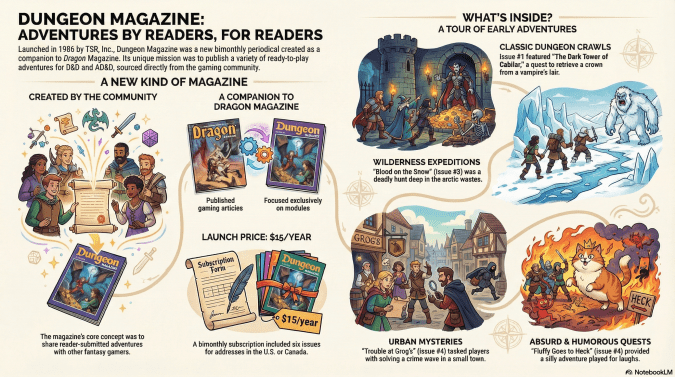
Today’s freebie is a really interesting one for the tabletop crowd, especially anyone who gets that nostalgic, electric feeling when you crack open old-school adventure content and your brain instantly starts building rooms, traps, villains, and bad decisions.
What’s the idea?
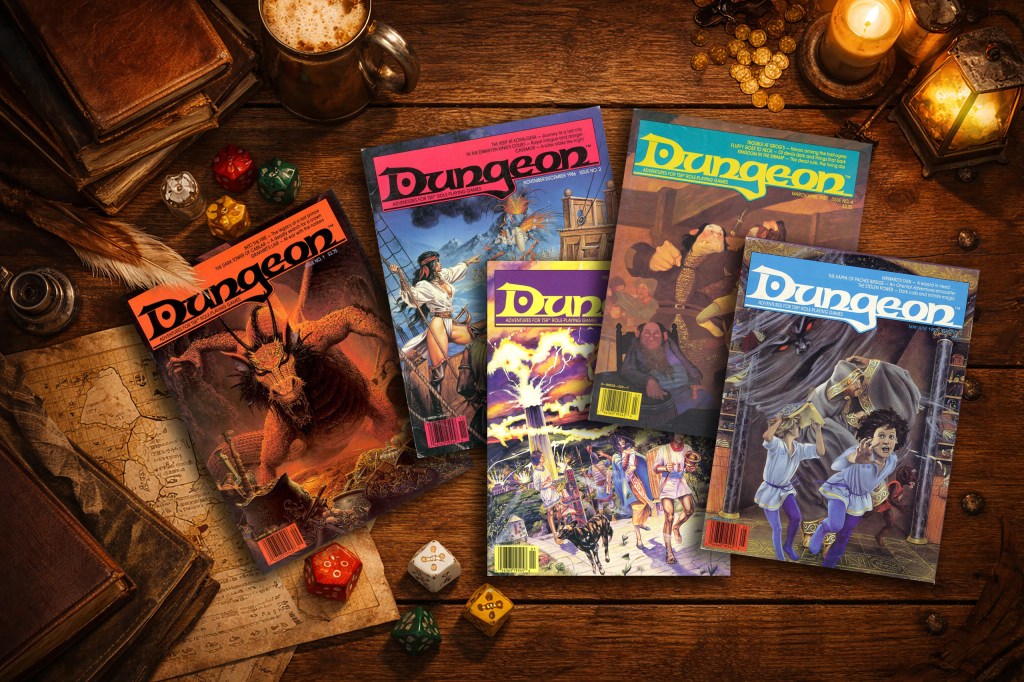
We wanted to turn classic modules from old Dungeon Magazine issues into a listen-able conversation
So, we generated a podcast-style episode using Google’s NotebookLM “Audio Overview” feature: one of those “wait…this is actually useful” tools that can transform your source material into an audio discussion format.
And the source material we fed it is a proper slice of RPG history (which you can download for free thanks to the folks at the Internet Archive – links below):
That’s the on-ramp period: Dungeon Magazine still finding its voice, still doing that early TSR-era thing where the tone can swing from earnest peril to delightfully oddball in the space of a page. It’s an incredible “creative compost pile” for modern GMs: hooks, maps, structures, pacing tricks, and that evergreen lesson that adventures are engines.
What is this (and what is it not)?
This is not a replacement for reading the magazines. It’s not “here are the adventures word-for-word.” Think of it as:
a guided audio tour of themes, adventure structures, and GM sparks
a way to re-encounter old material when you’re driving, cleaning, sketching, or prepping
a fast way to ask: What’s in here that I can steal, remix, and make new?
We like AI tools as levers: ways to turn raw source inspiration into momentum, while still being upfront that AI was used.
Why Dungeon #1–#5?
Because they’re early enough to feel like a time capsule, but polished enough to still be usable at the table. The first five issues show the magazine’s core promise: a buffet of adventures with different moods and play styles. Exactly the kind of variety that keeps a campaign from turning into one long corridor.
Also, if you’re the kind of creator who likes grabbing one great detail: an encounter concept, a villain posture, a dungeon rhythm, and letting it domino into a whole scenario, these issues are loaded with that stuff.
Why NotebookLM for this?
NotebookLM’s Audio Overview is basically a “make my sources talk back to me” button. Google describes it as turning documents and other materials into an “engaging discussion.” blog.google
And that’s the magic. The format doesn’t feel like a lecture. It feels like you’ve got two curious nerds in the room pulling interesting threads out of the stack. For RPG prep, that’s gold because prep is often just asking better questions about material you already have.
What’s the Grailrunner angle?
If you’ve read our recent posts, you know the theme: build year by year, make interesting things, share freebies, keep the creative engine running.
This podcast episode is exactly that energy and another little proof-of-concept that says:
What if “reading old RPG material” became listening to it think out loud and THAT sparked your next session?
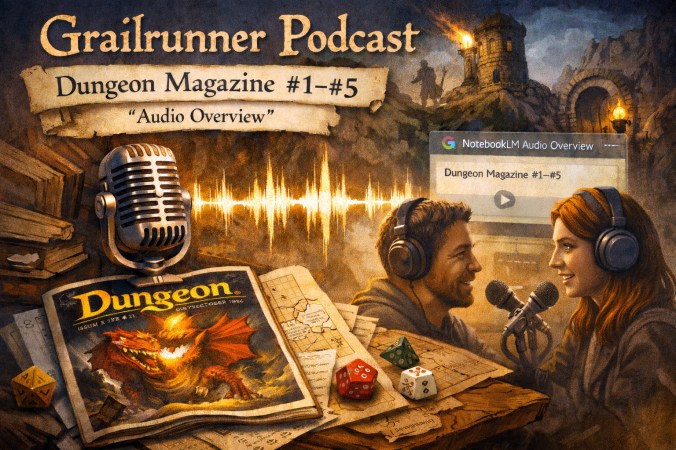
Smash the Podcast Announcement image below to give it a listen for free:
I’d love to know what hits you:
Which issue had the best “I’m stealing that” moment?
Did the audio format surface anything you’d normally skim past?
What should we feed NotebookLM next: old Dragon editorials? a run of White Dwarf? classic sci-fi pulp?
We’ve got a lot cooking for 2026, and if the last year taught us anything, it’s that the best stuff often starts as a weird little experiment you almost didn’t try.
Best day of the year. No doubt at all. I love Christmas in all its crazy-train, circus-riot, flashing chili peppers. I’m sorry if it’s not your jam, and I completely get that for some people. But for me, it’s a warm, crackling fire and pumpkin pie, making the dog wear a goofy sweater, eating at Harvey’s in Kansas City at Union Station, snacking on exotic candy and cookies from World Market, and just enjoying family.
I hope yours has in store for you whatever warms your heart.
2025 was another fun building year for Grailrunner. We published our bibliomancy RPG Salt Mystic: Book of Lots in the Spring and submitted to the Ennie Awards. No dice on the Ennie’s (see what I did there, bibliomancy fans?) but a good experience nonetheless. Following that, we rebooted the Grailrunner store, including the Discovery Series of t-shirts and also started selling our first art prints there. Click the “Shop Now” button to check that out.
Upcoming, we’ve got two Grailrunner novels still in the works: Mazewater (set in the Salt Mystic universe) and a horror novel likely to be titled Line (set in what we hope to launch as a series of blues-saturated highway terror stories we’ll call Highway of Ashes).
We’re also refreshing the art on the Salt Mystic tabletop skirmish game. That’s particularly exciting because feedback has always been that people wish we hadn’t gone with the 3D art of the original. We’re fixing that, so be patient. So far, they look fantastic – there are just a lot of them and only so much time in the day (and budget).
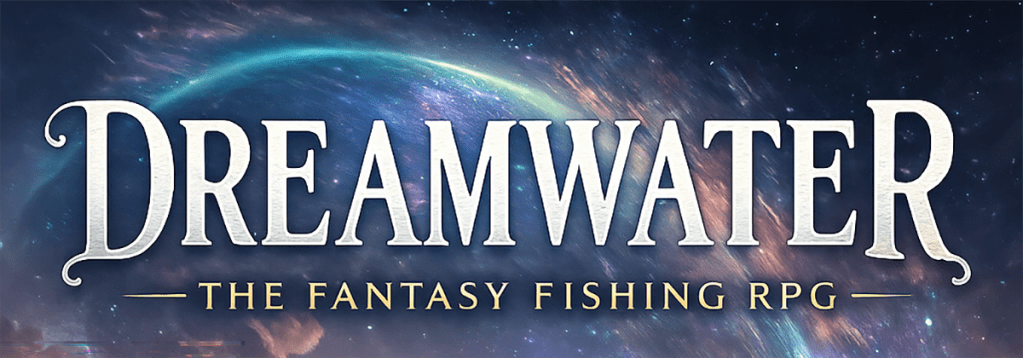
I’m hoping in 2026 we can at least get started on a marvelous idea that’s been bubbling around the Grailrunner creation station for a few months now: a fantasy fishing roleplaying system to be called Dreamwater. If we can get this put together, and if you at all see the attraction of sitting by a beautiful lake with a fishing rod in hopes of catching a magical fish that speaks and possibly changes into a fighting beast, then we’ve got your back with this one. Will be amazing.
Anyway, thanks for hanging around with us this year and stopping by to see what nonsense we get up to. I’m always interested to see where people are that read our posts – drop us a note here or on the Facebook page to stay in touch. Let’s hope we can keep finding novelties of history to tell you about, fascinating creators to interview, great pulp science fiction of the past to highlight, and amazing freebies to send your way. Have a look here to see if you missed anything cool.
Anyway, in celebration of the year and this holiday season, I wanted to point you to some beautiful and nostalgic Christmas illustrations to enjoy.
To honor Christmases of the past, I came across a few vintage Christmas illustrations and links to their sources that sent my mind reeling. I love the windey-turney path by which we got so many of our Christmas traditions, and these really caught my eye:
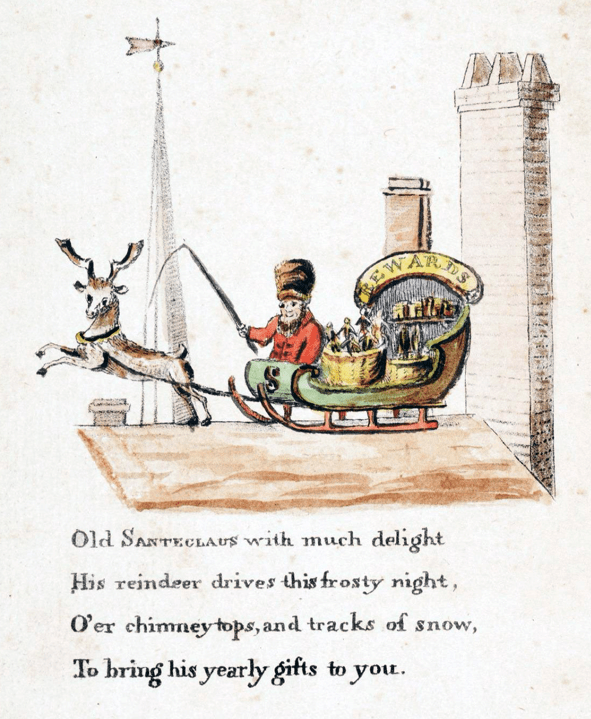
In 1821, a small illustrated paperback titled The Children’s Friend: A New-Year’s Present, to the Little Ones from Five to Twelve was published. It contained quite possibly the first mention and illustration of Santa’s reindeer and sleigh and predated Twas The Night Before Christmas by 2 years. It may have even inspired Clement Clarke Moore to write that poem, which of course gave us the core of our modern Santa Claus.
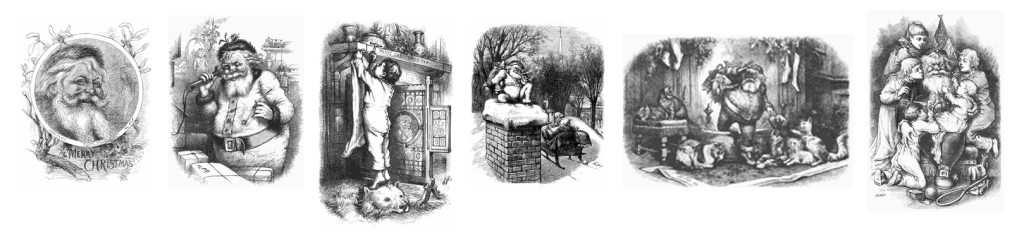
And of course the famous cartoonist, Thomas Nast fine-tuned the Santa we know and love today in his wonderful illustrations, many of which are compiled in a book titled Christmas Drawings for the Human Race. Here’s a link so you can take a look at the entire book. It’s a real treat to see some of these masterworks and know as you appreciate the craftmanship and warmth that these very pictures are what taught us how the jolly old elf looks and makes his way. In many ways, Nast described all this for us, and he did it to help heal America from its wounds from the Civil War.
Here are a few of those gorgeous illustrations, which are hilarious and charming. You really should take a few minutes to go see the full series of art pieces. They’re important history, but also just magical.
That’s what I wanted to bring you today. I wish for you all the joy that you can wish this Christmas and for a shining, prosperous new year.
Since we kicked off Grailrunner around 2016 or so, I’ve intentionally left out references to me personally or the contractors I work with. My thought was to keep this super professional and focus on inspiring ideas and cool tools or giveaways that prod other people’s imaginations. Grailrunner Publishing is just a network of like-minded folks that help me put new things into the world, with the potential for other like-minded folks to (hopefully) catch a spark here and unleash their own.
I’ve noticed, however, that a lot of Youtubers are finding these days that their audiences seem to want to know more about them personally, beyond whatever terrain building tips or historical curiosities they talk about. Then occasionally, we get asked the magic question:
Who is Grailrunner?
So for giggles, I’ve rewritten the ABOUT page to tell the origin story and shed a little light on that, specifically recounting the strange experience I had in a rock gorge in Oman in 1997 that poured jet fuel into what became Grailrunner and our signature property, Salt Mystic.
No fairy tales. No gimmicks. That happened. Go read it to see what I mean. Over a decade later when I read that C.S. Lewis had a similar experience that turned into the Narnia series, it struck a chord with me big time. But anyway, in order to celebrate this slight shift in the Grailrunner approach to you guys, I thought it would be awesome to have something cool and free for you to enjoy.
So I wrote a Grailrunner theme song.
I was going for Springsteen/Bob Dylan-style poetry with a modern rock vibe, and I wanted to include a variation on our slogan: “Dreams are engines. Be fuel.” Not an easy task, I’ll grant you. It wasn’t a pretty process. I’m also bad about mixed metaphors, so if you detect any traces in the lyrics of shifting imagery, just be cool about it.
And no, that isn’t me singing. I used Suno, an AI app, to take the lyrics and generate a bunch of variations – all in a rock & roll direction but with some tweaks on other styles to get something nice that didn’t sound like everyone else. I think it turned out fantastic.
Anyway, let me know what you think about all this. And if you liked the song, I’d especially appreciate hearing that as my wife thinks it’s too loud and fast. We kind of all need to tell her how wrong she is about that.
So I was killing time at the airport last week, waiting on my flight. Grabbed lunch and sat down to start doom scrolling my phone since I had a couple of hours to kill. Then I thought…”Wait, I’m trying out the ChatGPT+ premium membership this month.”
I really….really need to share with you what this AI built for me with some simple prompting, all on my iPhone while I had lunch. Even the pdf I’m going to share, with the front and back covers. All of it.
On. My. Phone. During lunch.
Anyway, our policy is to consider AI as powerful tools but to always call out their usage. This is for pure entertainment. Nobody’s selling you anything here.
So I always read back in the 70’s and 80’s that “computers can’t create”, and imagination is the skill of the future. I hear it a lot now, actually, that AI is blobbing existing works together and creating nothing new, and that’s technically true. But that’s also what our brains do.
“All you need to invent is an imagination and a pile of junk.”Thomas Edison
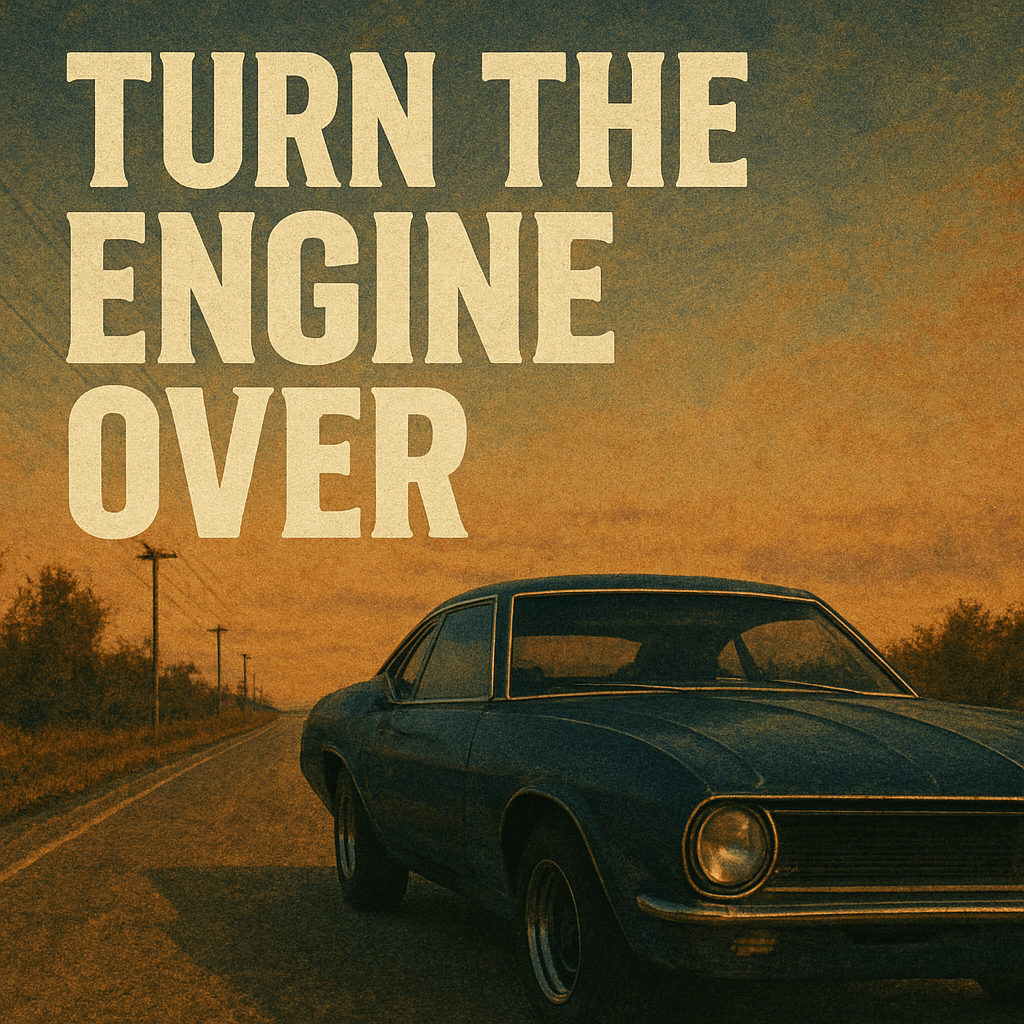
It’s one thing to see the lyrics of an imaginary Bruce Springsteen song, like “Turn The Engine Over”:
I was born on the edge of a steel town flame, Where the smokestacks whisper your daddy’s name. Mama lit candles, prayed hard through the storm, While the foreman shouted, “Son, that’s just how you’re born.” The rail yard’s rusted, the bar lights dim, But I still see her dancin’ like a seraphim. [Chorus] Turn the engine over, feel the rattle in your bones, Roll past the ghosts that call these back roads home. Love don’t die, it just hides out in the dust, So turn the engine over, babe— Drive it like you still believe in us. [Verse 2] Jenny worked nights down at Jackson’s Grill, Saved up dimes in a jar on the windowsill. She said, “Someday, I’ll see the ocean tide,” But dreams like that don’t get no free ride. I was too scared to run, too proud to beg, Now her name’s a tattoo on my right leg. [Chorus] Turn the engine over, feel the thunder in your chest, Every mile a mercy, every town a test. The past don’t sleep, it rides in the rearview dust— So turn the engine over, babe— Drive it like you still believe in us. [Bridge] We were kings of the lot, gods of the drag, Laughin’ through summers in American rags. Now I punch clocks just to quiet my mind, But some nights I hear her, singin’ soft through the pines… [Verse 3] Now my hands are blistered, my boots are worn, I’ve buried too much to mourn like I’m torn. But this old Ford’s got one more ride, And maybe redemption waits on the other side. [Final Chorus] So turn the engine over, let it roar like it’s alive, This heart’s still beatin’ like it’s twenty-five. Hope ain’t gone, it’s just buried in the dust— So turn the engine over, babe— Drive it like you still believe in us. [Outro] Yeah, turn the engine over, babe… Drive it like you still believe in us.
I had Suno (different AI application) gen up a version you can listen to, which wound up a country song and nothing like the Boss, but honestly still pretty awesome. Listen to that here.
The lyrics are eerily appropriate to something the Boss might write. Not mind-blowing, I agree. But it definitely reads like him. Certainly better than anything I could do trying to emulate him.
In my case over lunch, I really felt like reading a King Arthur short story since:
I love King Arthur and grail stories, in all their forms
I only had a sandwich and didn’t want to deal with anything very long anyway
If it sucked, it really didn’t matter. It’s just replacing futile news scrolls and will serve as a place to put my eyeballs and attention for a little while.
I think very highly of Professor Tolkien’s writing style and lament that he didn’t generate a bigger bibliography of fully formed fiction in his unmatchable voice and sense of scale, his ability to summon majestic backdrops and twinkling cities in the distance. So I added to the prompt to make the story roughly 2,000 words and in the style of Tolkien.
What I got was – honestly, not bad at all. First try. Shorter than I had asked, but still interesting. I gave it a couple of ideas to squeeze in to some new attempts, specifically about the Green Knight, and then asked for a cover image. I wanted to test if I could generate an entire pdf ebook (really a packaged short story) without needing Photoshop or other desktop tools.
Just my phone, waiting on a plane.
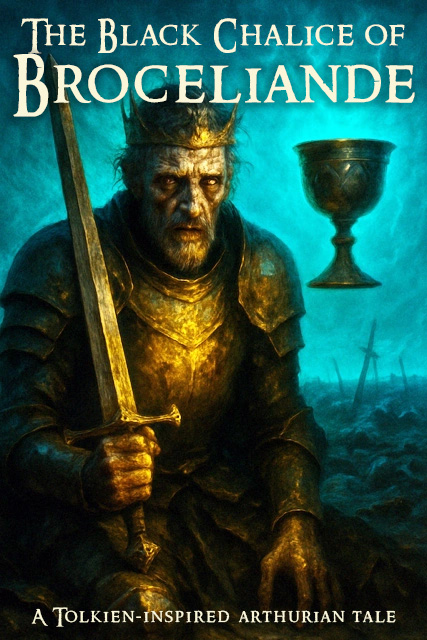
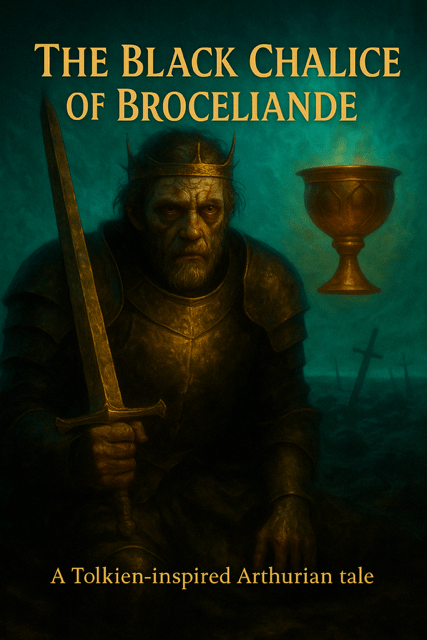
The cover kind of gave me fits and needed a lot of coaxing, though I didn’t use Photoshop at all for this. I mean, it also named the story for me, generated variations of fonts and layouts, and created the entire front cover just based on prompts (the one in the header, I did in Photoshop, so that’s cheating):
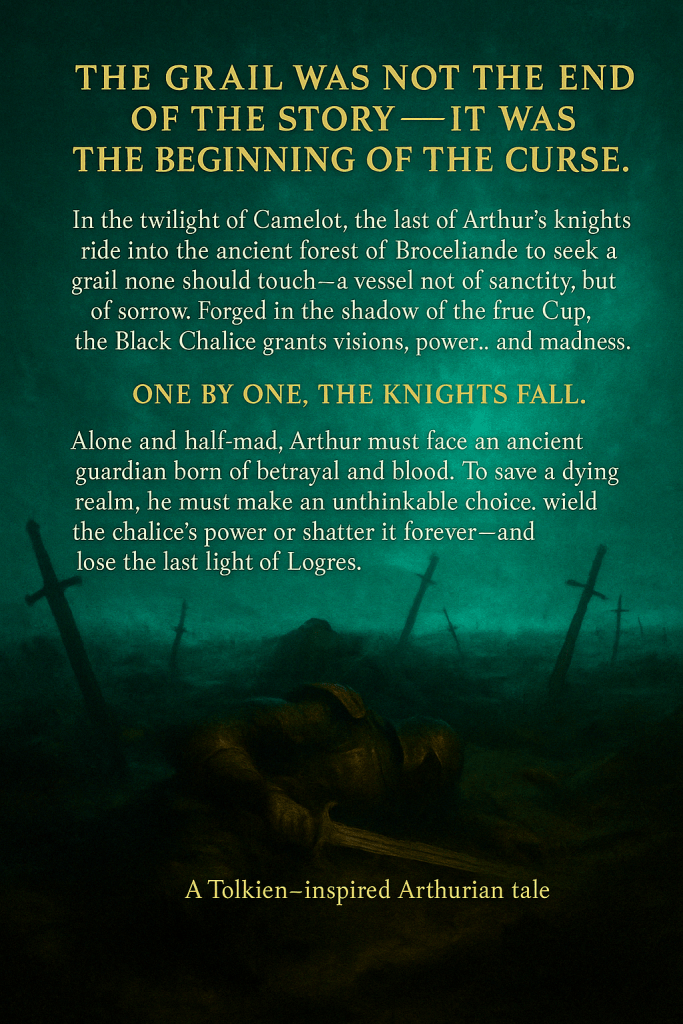
Here’s the back cover it generated for me, based on text it wrote and some prompts to stick to the theme of the story and the front cover:
And finally, having no idea if it was possible, I asked it to include all of this generated content into a pdf. And here that is.
Please keep in mind – I didn’t sit down with Indesign or Photoshop or Word. I didn’t write any of it. I didn’t paint anything. This is me waiting on a plane and punching things into my iPhone to entertain myself.
Crazy world we live in, isn’t it? I think we need to be careful with all this, for sure. Training databases should be combinations of properly licensed images and works or things in public domain. Original creators need to be paid for their work. People using AI ought to say so and be clear how.
Still, crazy world. And a wonderful way to pass some time if you’re itching for a new Tolkien story.
We’re including this post in a new ongoing series where AI is resurrecting interesting people for us to chat with, or dropping them into alternate realities to entertain us (for free). It’s called:
I’m told my reading habits are a little out there. I get that. I do.
However, it intrigues me that in almost any field of human endeavor, there is a specific type of personality that thrives on breaking its rules and forging incandescent new ways of doing things. If you’re new here, that’s almost entirely what we do here – find, spotlight, analyze, and celebrate innovation in the creative process.
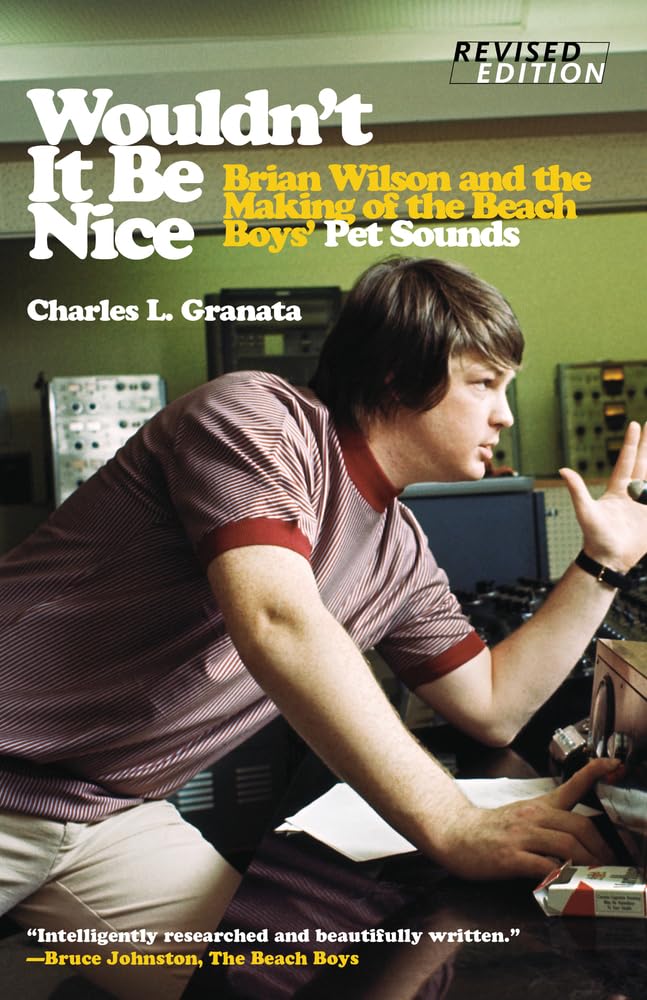
So I was reading this book about 1960’s beach music:
I don’t like that sort of music at all. I especially detest men singing falsetto and lyrics obsessing over the teenage emotional range. However, I had heard that the Beach Boys album, Pet Sounds, was considered the greatest and most influential album in music history. Knowledgeable people say that. I wanted to understand why in the world that would be, given its niche genre, its terrible album cover and name, and the fact that it isn’t chock full of top 10 hits.
What was so special? And once I knew that, I would of course ask: what inspired it?
I’ll cut to the chase since the answers to those questions don’t actually comprise my point today. I want to extend some of these lessons over to mythmaking and storytelling since that’s my main jam. (If you’re into this crossover of music and storytelling, I wrote about this sort of thing in an article called “Aesthetic Puzzles: When Bach Met Shakespeare”, which you can go catch here.)
Why is Pet Sounds a big deal?
Brian Wilson was the main creative driver behind the 1960’s-era pop band, the Beach Boys, and took a break from touring in 1965 to focus on creating “the greatest rock album ever made”. Till then, their songs were bubble-gum melodies of no real sophistication and lyrics aimed like a piledriver at teenagers having fun, especially in and around the rapidly-growing fad of surfing. Wilson was enamored with the “wall of sound” production techniques of music producer, Phil Spector, which involved using echo chambers and physical studio arrangements augmenting studio manipulation of recorded tracks to generate robust, layered textures of sounds that would come across richly on a jukebox. Spector’s stated logic behind his own innovation was:
“I was looking for a sound, a sound so strong that if the material was not the greatest, the sound would carry the record.”
So it was mono (versus stereo) playback technology and the limited fidelity of speakers available at the time that prompted Spector to layer sounds together and experiment with ways of making the sounds more textured. Wilson felt the Beatles album, Rubber Soul contained some of the most mature lyrics yet for the band, and from these two launch points, he wanted to get more emotional with his lyrics and more experimental with his production techniques to surpass them all.
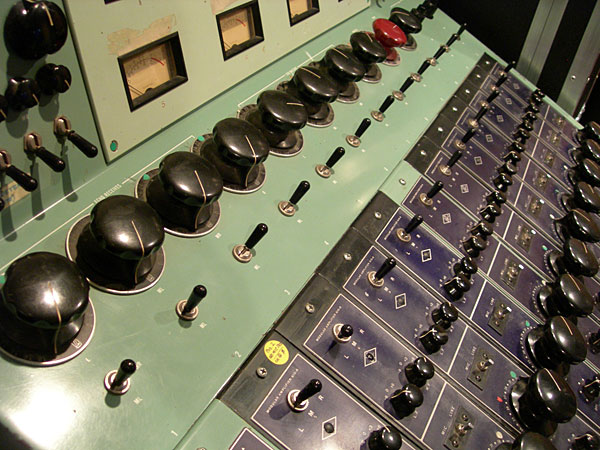
Wilson wound up innovating in all areas, and indeed developing intriguing ways of making the studio itself an instrument: combining, for example, multiple instruments simultaneously into a blended and new quality that sounded nothing like any of them. He introduced novel instruments like bicycle bells, a variation on the theremin, among others, in a rogue recording marathon of studio musicians while the actual band was out touring. Nobody had done that before, or even went off the trail of a small ensemble like that to make an album that couldn’t actually be played live. He also experimented with chord voicings, meaning how different chords are brought together (a little out of phase, for example, so there’s a slightly noticeable tremor) or avoiding a definitive key signature. By all accounts, Wilson’s efforts with the band surpassed anything Spector had done or would do. He took the inspiration and ran with it.
Studio musicians involved said of the time that they knew something very different was happening. Something important. It was interesting to me, reading what it felt like for the other guys there, the ones just hired to do a thing and realizing they were part of something.
So the idea to hold in your head then, for my point to land, is this: an approach towards recording music where all manner of frequencies and qualities of instruments and voices are layered over each other in a rich texture of sounds that you could listen to a multitude of times with headphones on and the volume turned up and still catch new things.
Texture. That’s the thing to remember. Innovating with texture.
What’s all this got to do with storytelling?
I’ve spent the last 3 years working on an approach to storytelling and tabletop roleplaying that I engineered to be as innovative as I could manage. I tried to rethink how narrative games like Dungeons & Dragons function and streamline everything down to core essentials.
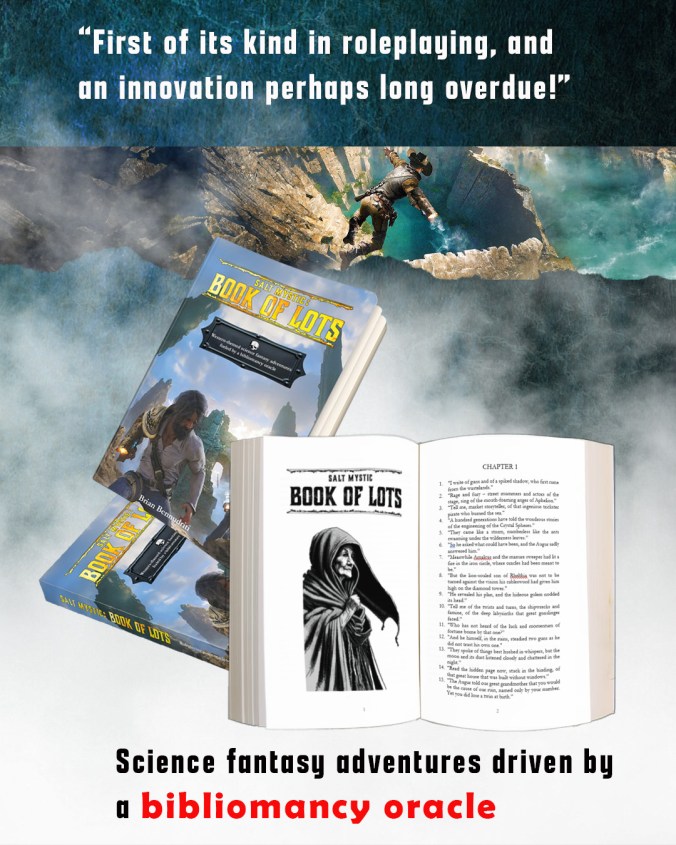
“The awe and danger of exploration inside the covers of a book.” That was my compass. It’s here, called SALT MYSTIC: BOOK OF LOTS. I’m not trying to sell you that right now, though. I want to talk about using it as a recording studio like Wilson did.
This idea now of texture and layered elements building a rich tapestry to transform a familiar art form into something different and new prodded a new question for me:
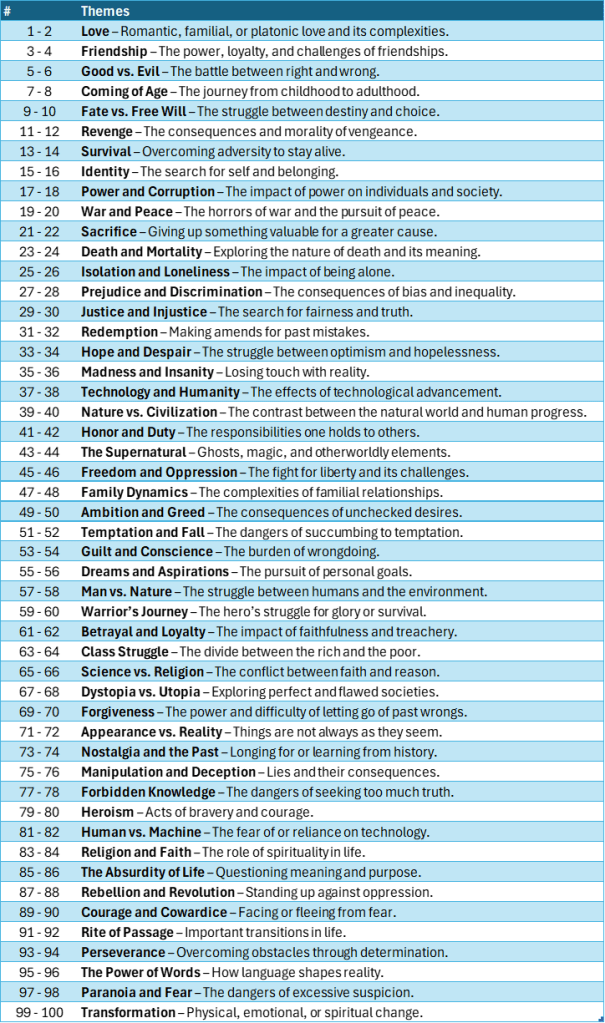
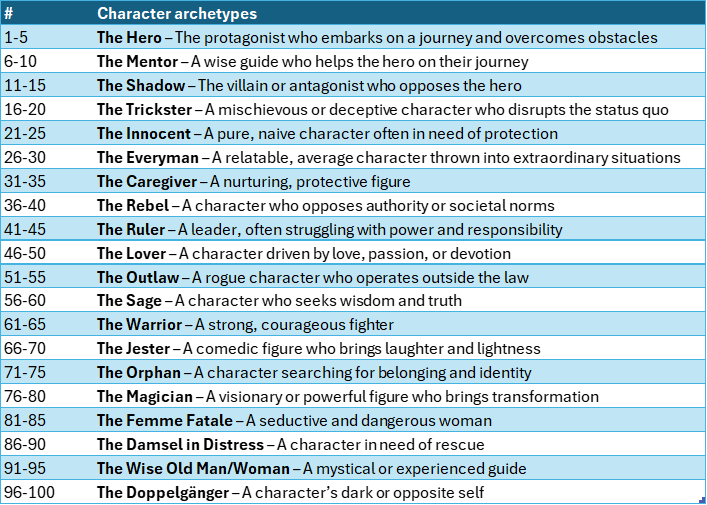
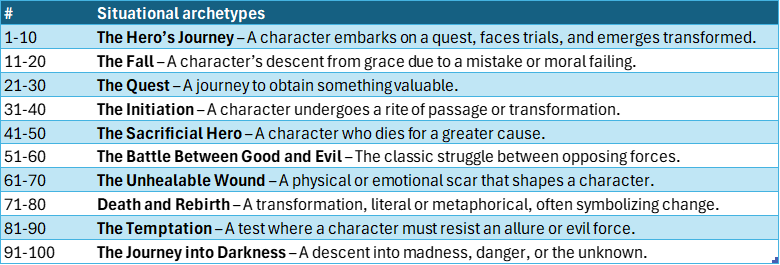
Can the elements of mythology and storytelling play the same role for the written word that musical notes, chords, and rhythms play? Instead of playing for the ear a rich tapestry like that, can archetypes and themes be arranged to play for the emotions?
Here are the commonly accepted themes of mythology and folklore in a table, arranged into numbered entries appropriate for a roll of D100 dice:
Here are the common character types of mythology, similarly arranged:
And finally, here are the common situational types of mythology:
SALT MYSTIC: BOOK OF LOTS is designed in a similar manner, with appendix tables for all manner of characters, encounters, and places arranged along the 100-scale like this, appropriate for idle shopping, dice rolls, or use of the bibliomancy mechanic core to the book’s function. The concept with the book is to forge a solo adventure and tell yourself an amazing, resonating story.
The analogy I’m drawing today is that themes and types of mythology have a power and resonance very much like the comforting, stable floor of bass in music. A deep, low melody on bass grounds a melody and makes it richer, makes it seem more important. That’s how myths work. I’m imagining incorporating elements from these tables into a solo tabletop adventure to make them play the same role…
…to summon them so they must work their magic.
I picture roleplaying game rulesets like the one in the BOOK OF LOTS as recording studios: an engine of creation that wasn’t available to previous generations that we can bend to dazzling new heights like Wilson did.
I see elements of oracle tables like those in BOOK OF LOTS or Ironsworn, Starforged, the Dungeon Dozen volumes 1 and 2, and other amazing sourcebooks as chords and notes.
And I see the solo player as a crazy artist, just messing with things to see what new comes out of it all. Telling new stories. Jamming new jams.
My head is swimming at the thought of this. I wonder if it’s too much coffee or if there’s something to be said, truly, about combinations of mythic elements arranged like music. Intriguing idea for me today, at least, to bring it to you today.
Back in October of 2023, we celebrated being at the halfway mark in completing a thrilling new project at Grailrunner. Incredibly, and I can’t believe I’m finally typing this, we’re finished! This puppy is ready to run!
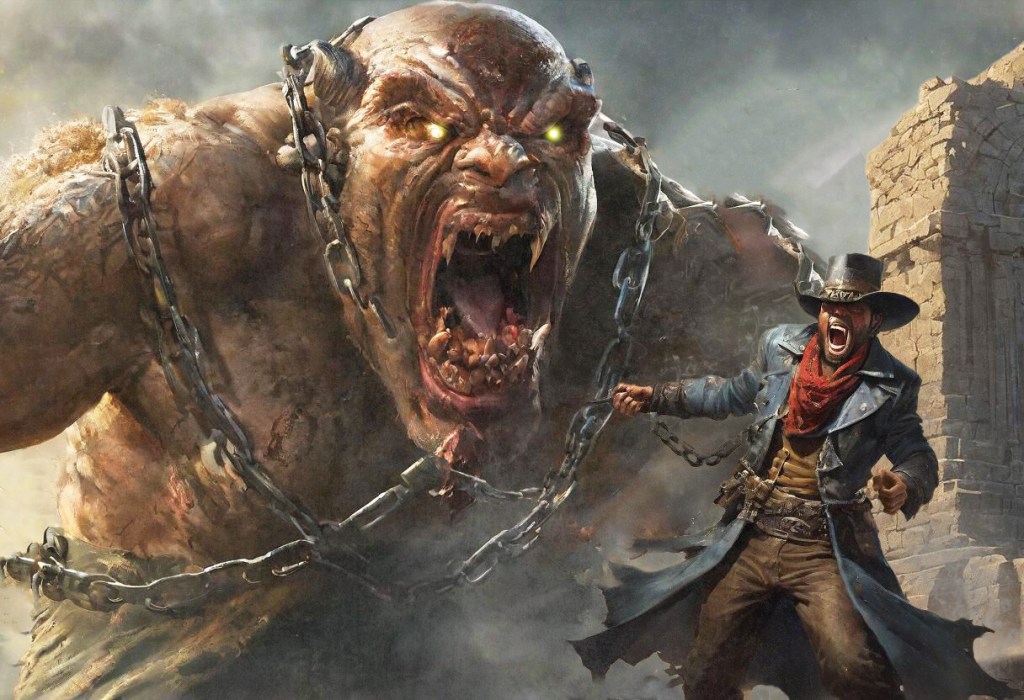
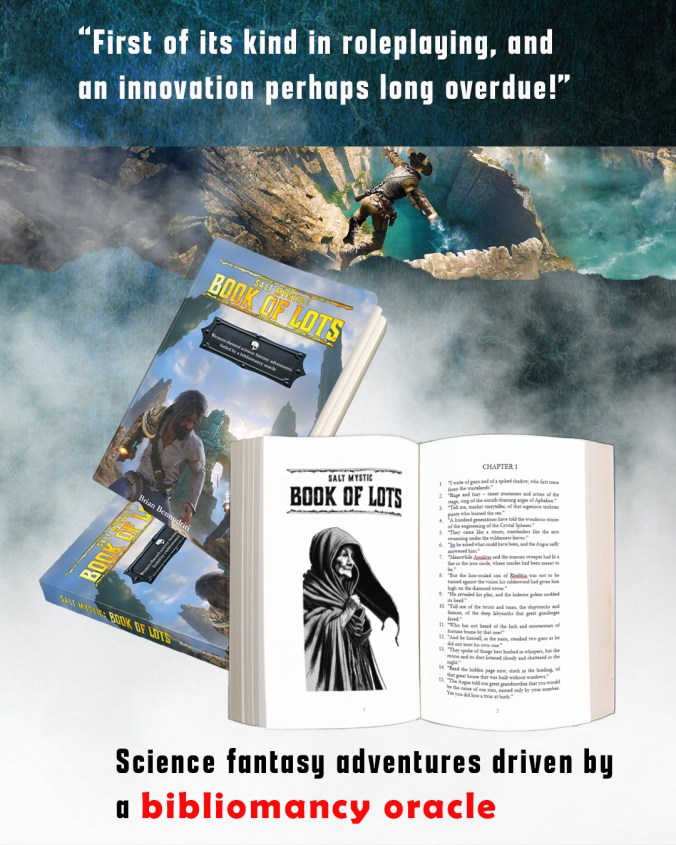
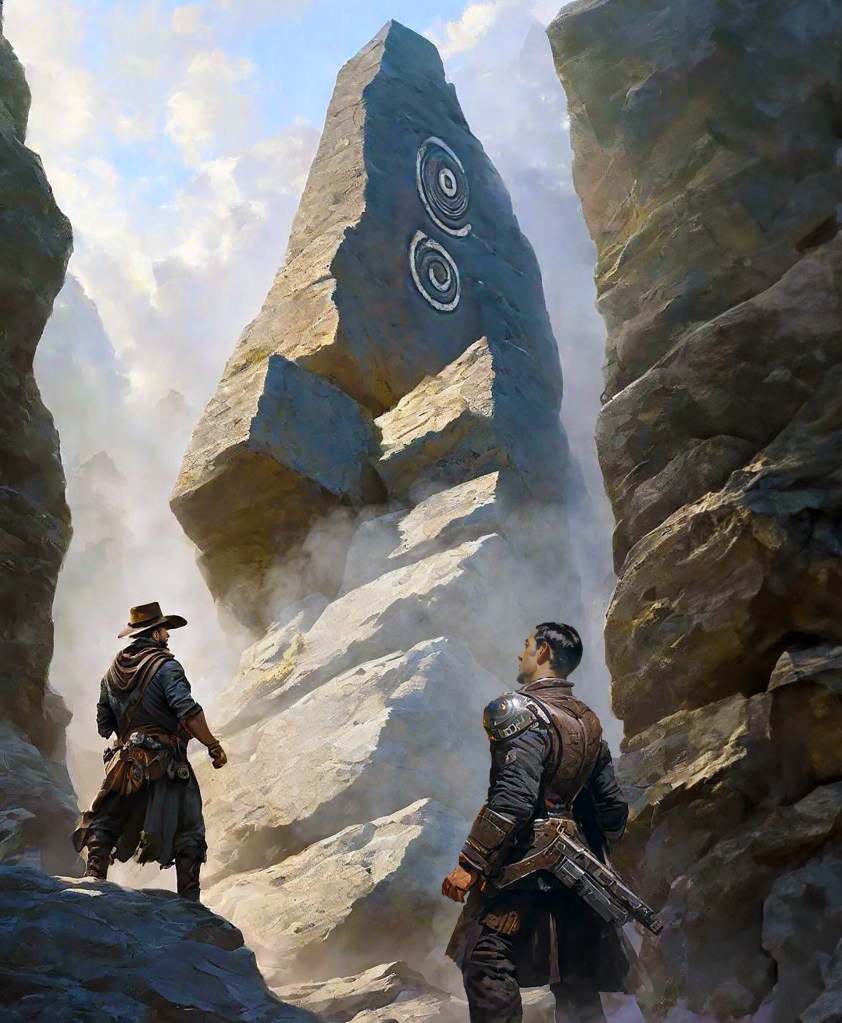
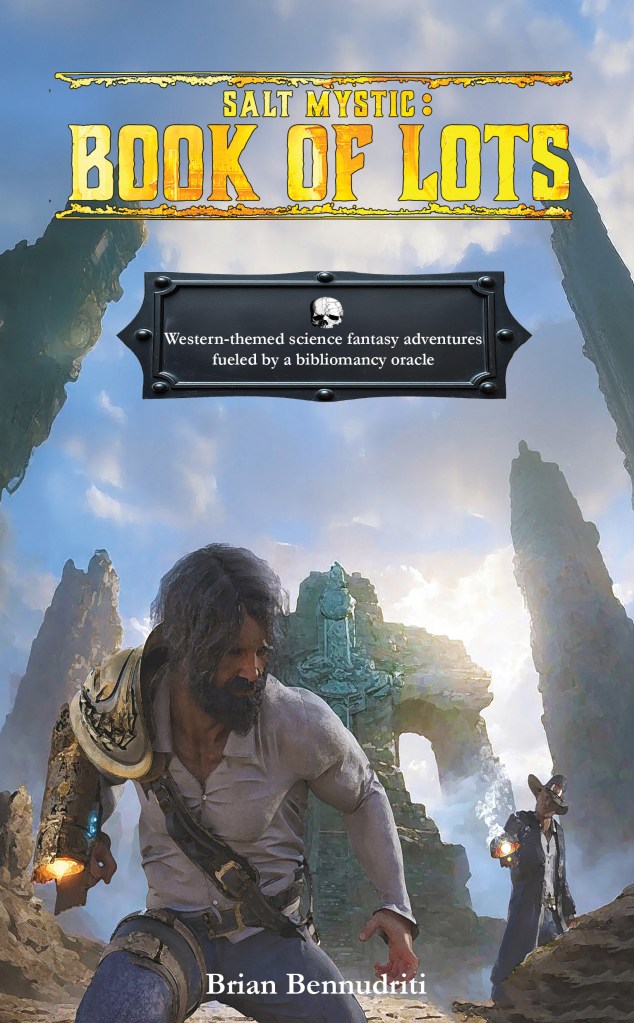
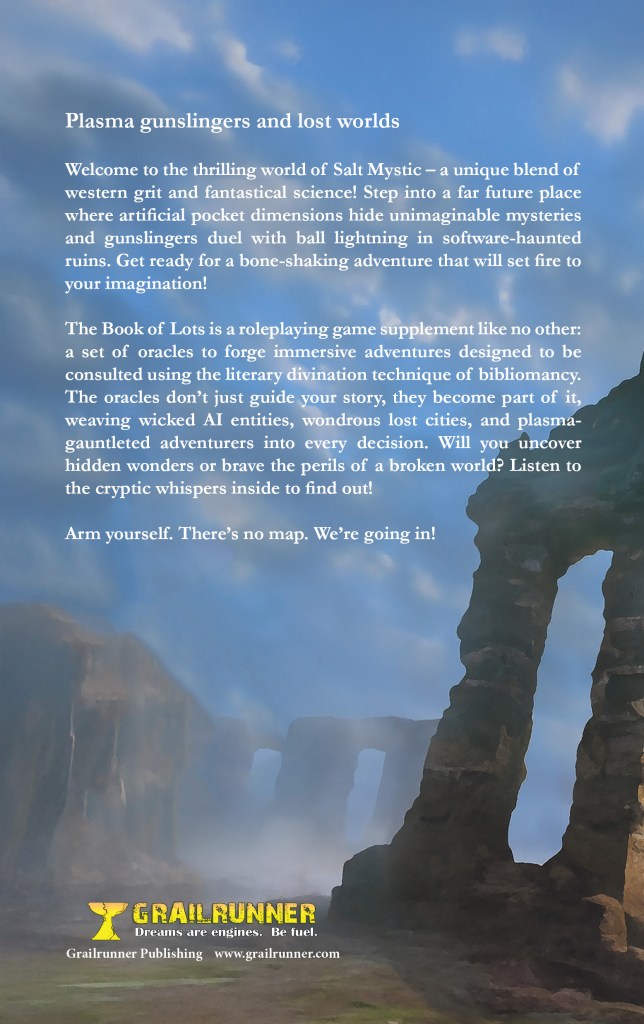
March 1st, 2025, we are launching SALT MYSTIC: BOOK OF LOTS, a roleplaying game & supplement aimed at the solo player providing western-themed science fantasy adventures through a bibliomancy oracle.
Who are we?
If you’re new around here, we’re Grailrunner, an indie publisher of science and speculative fiction fiction and games. Our driving passion and special emphasis is on the creative process – innovations in immersive storytelling. Read about that here.
What is the BOOK OF LOTS?
The spirit behind the whole project was to provide the thrill and danger of exploration and adventure inside the cover of a book and to open a fully realized world accessible through the fortune-telling mechanics of bibliomancy.
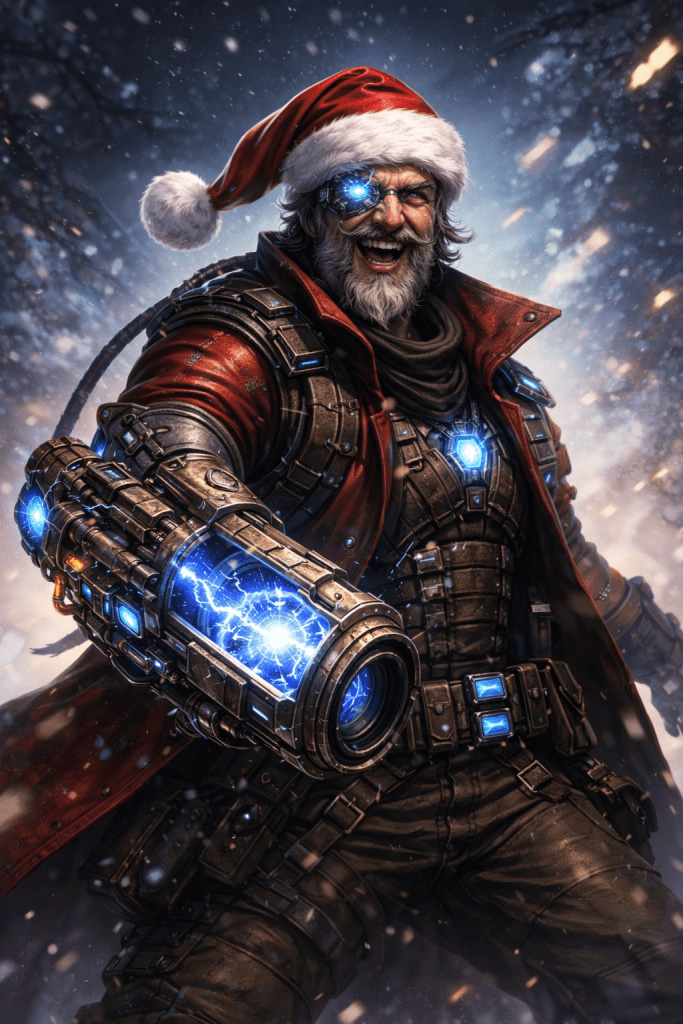
Contents of this 265 page book include an introduction to a far-future setting (western-themed, so plasma-gauntlet dueling cowboys delving pocket worlds), a simple, streamlined set of rules enabling a player to use no ruleset at all or even dice outside of the book, and a 40,000+ word set of short passages, consulted via bibliomancy to judge outcomes and events, adding story prompt flavor to judgements. Also included are a map and atlas descriptions of locations in the setting, 13 traditional nested oracle tables to further drive events in the story and a detailed index.
How does it work?
We walk you through it in a prologue with a detailed Quick Start example, but the general idea is to use the setting descriptions, the atlas and map, and the oracles tables to build out the skeleton of a character and story following a framework we call the Five Questions. Then, either use the roleplaying game rules of your choice (like D&D or Free League’s Year Zero system) or use the barebones, streamlined rules of this book to start experiencing your story.
Either once per in-game day or as you see fit, consult the lots by holding a specific question in your mind and turning to a random passage on a random page, locating a 1 -3 line passage (called a “lot”) and its number. A question might be “What will I find on the other side of this hill?” or “What happens when I try to climb the walls of these ruins?”
The rules provide for YES/NO answers as well as more sophisticated outcome judgements, but, more importantly, add a layer of story prompt-style chaos and randomness to what happens.
Shoot me a comment here on this article if you’d like to know more or if you’re interested in a review copy.
Since we’re a teensie little indie publisher, it’s super hard to get attention and drum up interest in new products, especially if they’re very different or not related to dungeons. If you’re willing to post something for yourself linking to this announcement, it would be tremendously appreciated!
Every little kind word helps!
*
Anyway, that’s the big announcement. I hope you can feel some of the excitement here on our side. This has been an incredible and life-changing amount of work. It’s nice to start telling people about it.
Back in May, I posted some musings on this site about what I called bad art advice that I’d gotten when I was in Middle School.
“The real world doesn’t have outlines – draw what you see.”
Weird, I know, but I struggled so much with that I gave up drawing altogether. I get that it should be straightforward advice that every burgeoning artist SHOULD in fact receive and, indeed, follow. I get that it’s true and obvious and OUGHT to have been helpful. Just wasn’t how I reacted, unfortunately.
I’ve come to realize that is just a first step.
I recounted how back in October 2023, I’d come across a lifechanging book series called Sketching From The Imagination and an art magazine called ImagineFX that had me rejuvenated to start it all over again, on fire with cool pictures in my head and a spirit to truly give it a go this time. I shared my sketchbook at the time (shudder!) a little over a half-year in, to be accountable to folks here for improving.
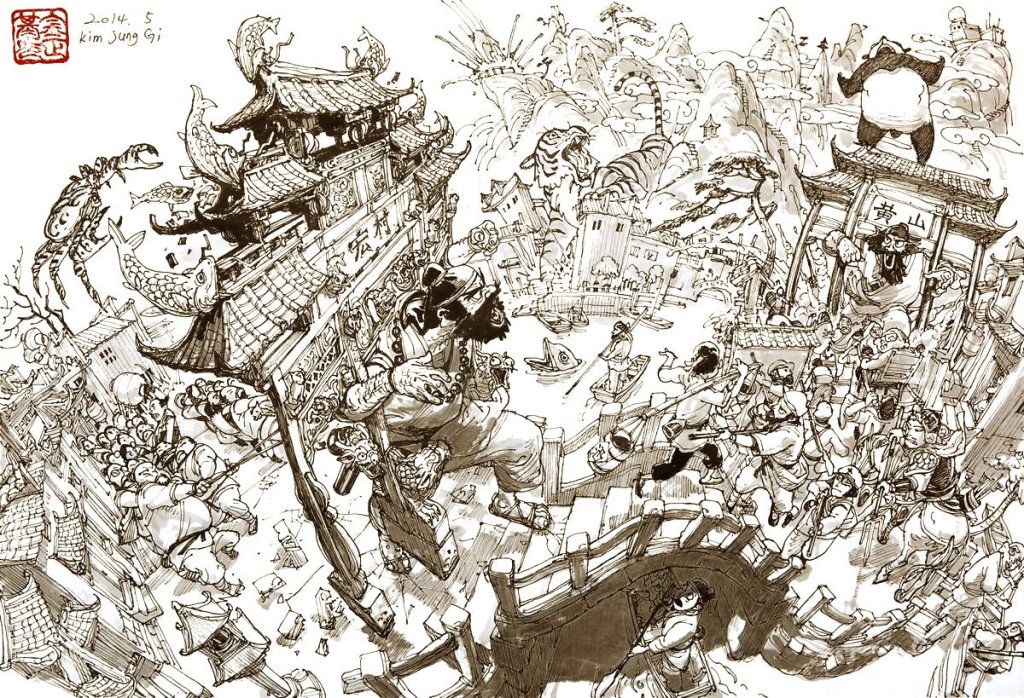
Another phase of things had opened up with an enlightening quote from the genius artist, Kim Jung Gi that said:
“Don’t draw what you see. Draw what you HAVE seen.”
I liked his emphasis on practicing reproducing reference images, only from different angles and perspectives so you can learn their forms in three dimensional space. Over time, your visual library carries enough shape and texture language to work directly without reference. Very nice. You see, I have a complicated relationship with the use of reference images in creating art. The dream has always been to sit down with a piece of paper or a blank screen and summon fantasy and science fiction imagery from nothing – not to robotically reproduce an image in front of me. Over and over, every artist I was seeing on Youtube or reading in interviews, they were all using reference images. I had this inner voice saying “if I wanted to reproduce an image, I’d take a picture of it”. Kim Jung Gi’s advice offered a different relationship with reference imagery.
So it’s been over a year now. Keeping up the practice frequency to at least a half-hour each night if at all possible. Even when I’m bone tired after work and would rather stare at history documentaries or old spy movies (or train movies -those are awesome).
Anyway, somewhere along the way, this happened:
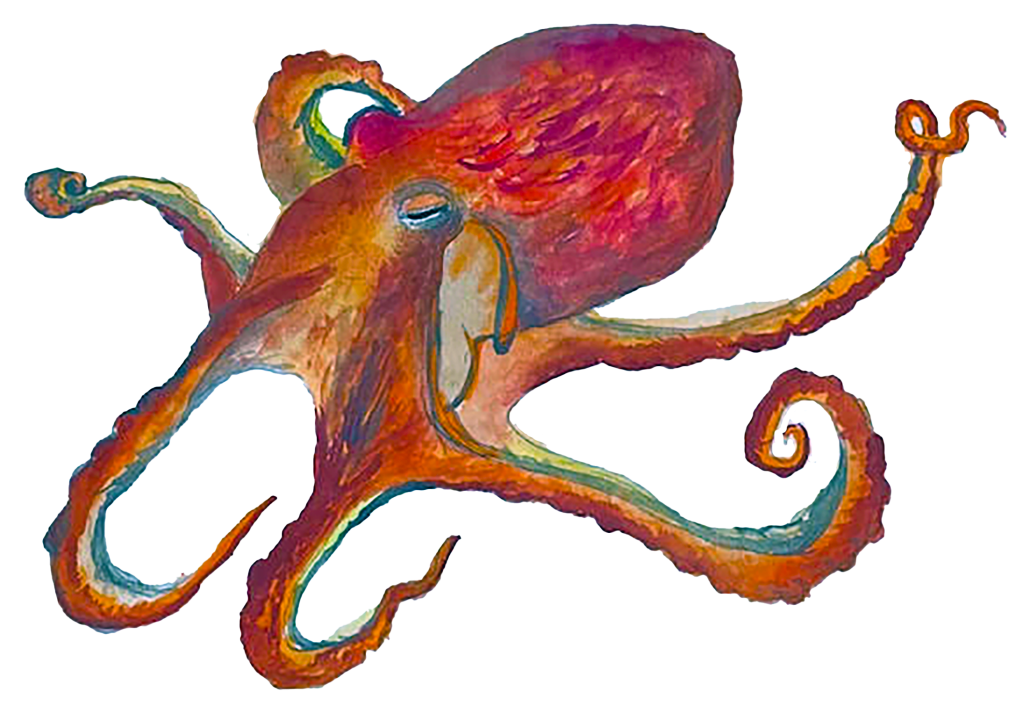
Don’t ask, my friend. I just thought I’d try watercolor painting and this guy showed up. I call him Barney. My first attempt. I hadn’t planned on getting obsessed with watercolors – it was Peter Han‘s fault. Was watching Peter draw something amazing, and he pulled out a little travel palette set. The smooth and striking combination of ink and colored wash fascinated me. Strangely, as I submerged into the very deep and mesmerizing well of watercolor painting in magazines, books, interviews, and tutorials, a new, possibly ultimate and final step has started to take shape.
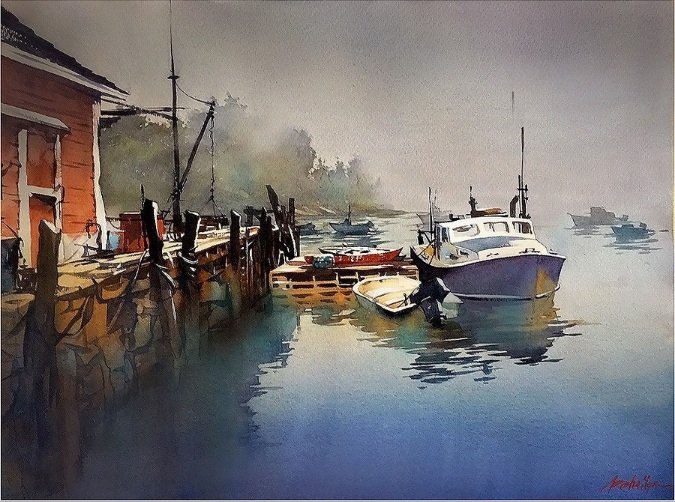
Watercolor pigment does what it feels like doing on the paper. It moves around. Crashes. Blossoms. Ignores your feeble mortal attempts to control it. But it makes incredible gradients and blooms and textures like nothing else. And its mightiest trick, almost its entire reason for being, is to capture light. I’m talking about the translucency of a green leaf in summer with sunlight bleeding through, the broken sunbeam dancing on a marble floor, the ghostly and serene reflections of clouds and seafoam on the beach once the wave goes out. Google “Steve Hanks” and Thomas Schaller to see what I mean.
Reflecting on Indian Beach (Steve Hanks)Foggy Morning – Maine (Thomas Schaller)
The more this got in my head, the more I began to realize there even WAS a third step to this process. I’m not there yet, but I think I can see it taking shape. If I hadn’t started paying so much closer attention to light filtering through trees or bathing morning fog in an orange glow because of all this focus on watercolors, I’d have missed it, I think. This final quote that crystalizes what I’m seeing has popped up a number of times now, so I’m not sure who started it all. It’s a boneshaker though, that I’m still trying to coax into being my buddy:
“Don’t draw what you see, draw what you feel.”
Now that’s an entirely different way to interact with reference imagery, isn’t it! Snapping a picture in the moment during a hike or on the train freezes one of those haiku moments for you, sure. Cobbling together some stock images and a DAZ3d render or a photobash of some AI-generated elements can put together a good and unique composition, of course. And in that first step, you can practice your technique, reproducing it as faithfully as you can.
At some point though, Gi’s second step suggests you vary the angle, maybe reproduce it from above or from a different side…maybe with an armored zebra beside it, or a screaming werewolf. Mess around and don’t stress about perfection, right? It’s a sketchbook; what do you care if every other one turns out trash? Forms start repeating for you: the fact that eyes aren’t really ovals, that lips and noses and hair cast shadows, and that people almost never stand vertically straight on both feet. That sort of thing.
But then, when you’ve maybe gotten to a point where you can somewhat faithfully reproduce an image with variations and additions, with subractions, and perhaps even can summon something to the page entirely from memory and imagination, another step opens up for you.
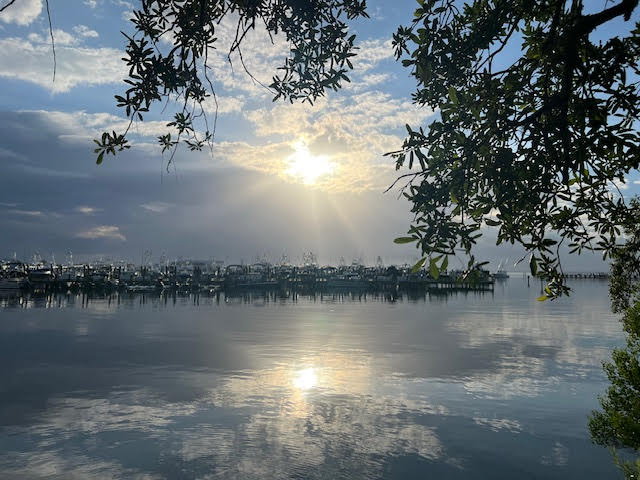
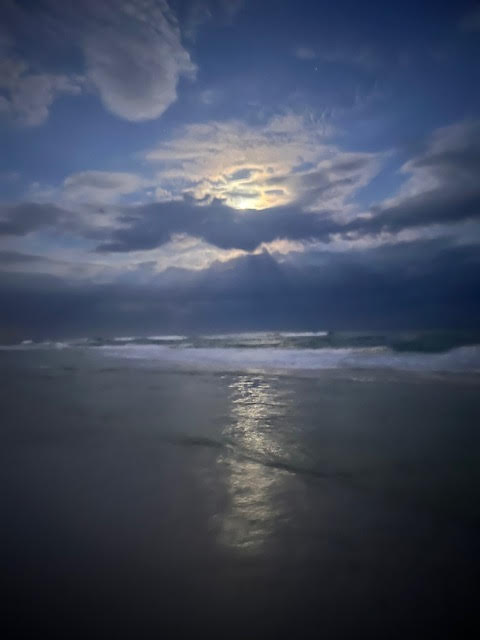
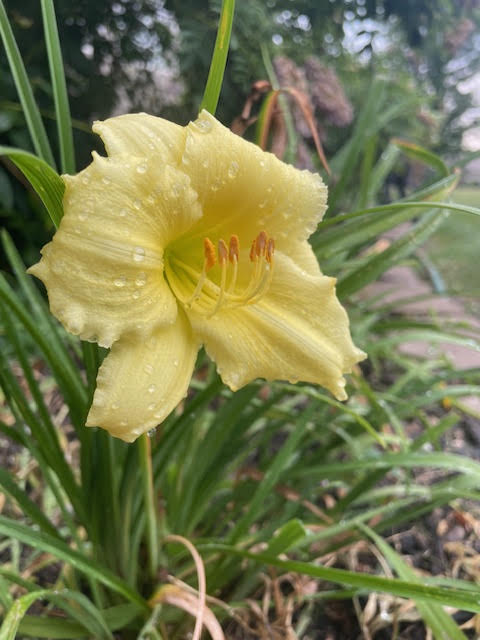
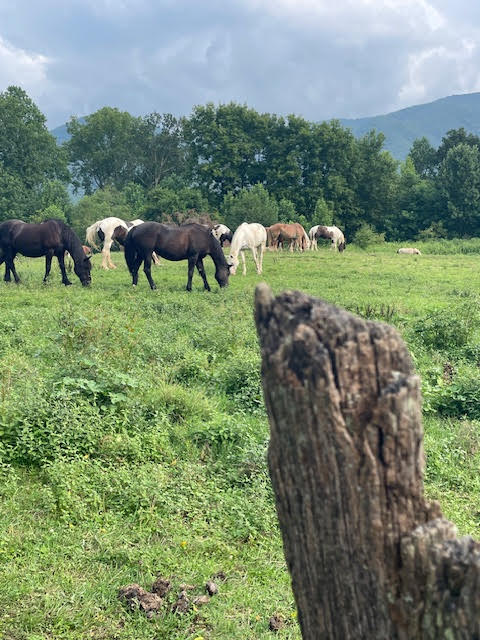
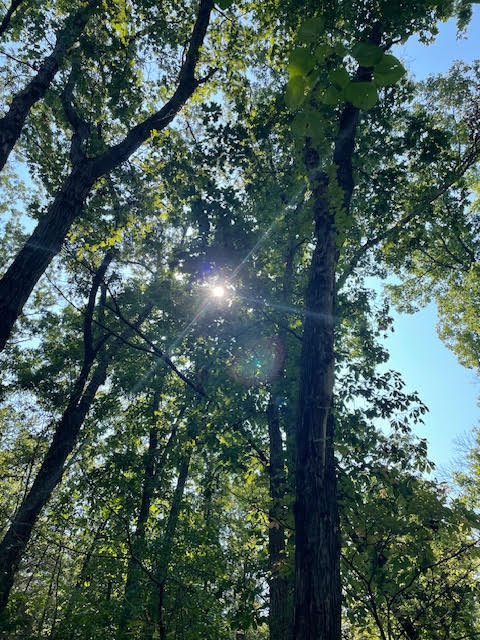
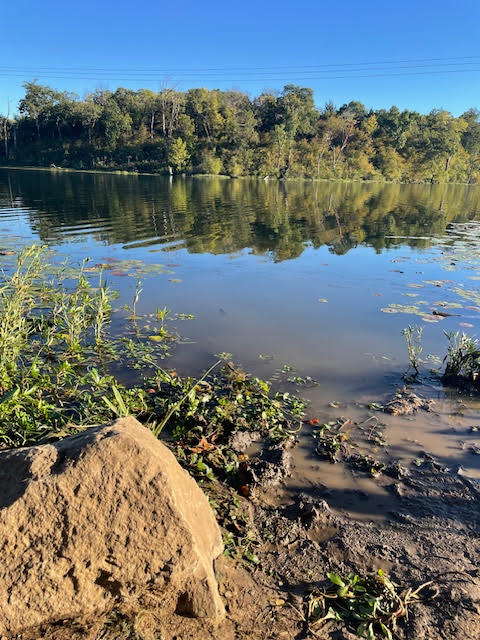
Those are pictures I’ve taken in various spots this summer in Kansas City, Cades Cove in Tennessee, and at Destin, FL. You’ve probably got ones like it on your own phone, those images that caught your eye and made you feel something. A foggy morning, a quiet library with the sunlight streaming off a high window, a busy subway station or airport with interesting faces, or maybe a funny face your dog made. It made you feel something, so you snatched it to stick in your pocket.
That’s the third and ultimate step in art journeys, I think: to capture what you feel on the page. The reference becomes almost beside the point. I’m still working this out for myself. Maybe these musings prod something for you if visual arts are at all of interest to you.
Since some folks appreciated the first uploaded sketchbook, here is an update (paper sketches 1-3, watercolors from 4-13, Procreate digital art from 14-17):
Crazy busy year. I hope yours has gone well. For my part, I’m glad Christmas is on its way. That particular crazy freight train is more than welcome this year.
(Update Mar 2025)
And, in the spirit of accountability to improve, here’s an updated sketchbook of what I’ve been up to since this post went up (watercolors on pages 1-8, Procreate sketches pages 9-18, and physical sketchbook pages 19-24):
I’ve had a couple of weeks worth of a pause in a very hectic year so far and managed to dig back in to a novel in progress. This week, I had some mind-expanding epiphanies that set the whole novel on fire for me again: the exhilaration and thrill to see this story play out on paper burning with the same heat it did when they were all just ideas.
When they were all just ideas, that is, before words went to paper to ruin my dreams.
Thought I’d share that with you in case writer’s block or a blank canvas is staring back at you, or if the plot that made so much sense suddenly crumbled like burnt toast in your hands.
Mazewater: Master of Airships is a standalone story set in the Salt Mystic universe, existing at around 38k words of a planned 70-80k. The original notion was to introduce a new war marshal with the novel, which would lead the introduction of new playing cards in the Salt Mystic wargame for his faction. “Read the book, love the guy, go buy his cards.” Right?
But it grew to be a lot more than that. A whole world more!
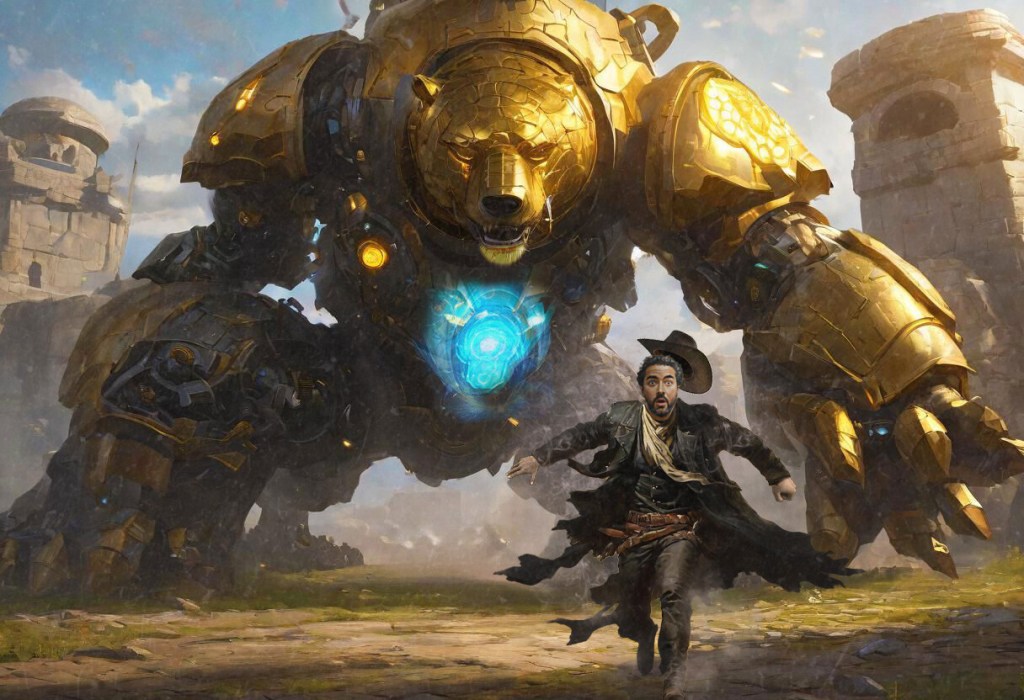
Taking place in a wild, unruly city called the Jagganatheum, it’s the story of a sickly, asthmatic young dreamer from a doomed family and the abandoned sentient weapon he steals. When a wheezing, sickly giant is unleashed at the city’s heart, it reveals intrigues that carry him into adrenalin-fueled adventures in a shattered world and, ultimately, to the heights of legend.
Here, there are lore cards to learn more if you’re interested, all relating to elements that will appear in the novel:
Anyway, I pretty much stopped writing on this back in February. Yes, I was busy with my day job, but the plot I had in mind just kind of fell apart for me. It stopped making sense. I really got the impression back in the dead of winter that all the dazzling imagery I had in mind, those flashes of plot points that made the book worth writing for me, they were just getting strung together with a discount plot that would obviously stall and get contrived in places.
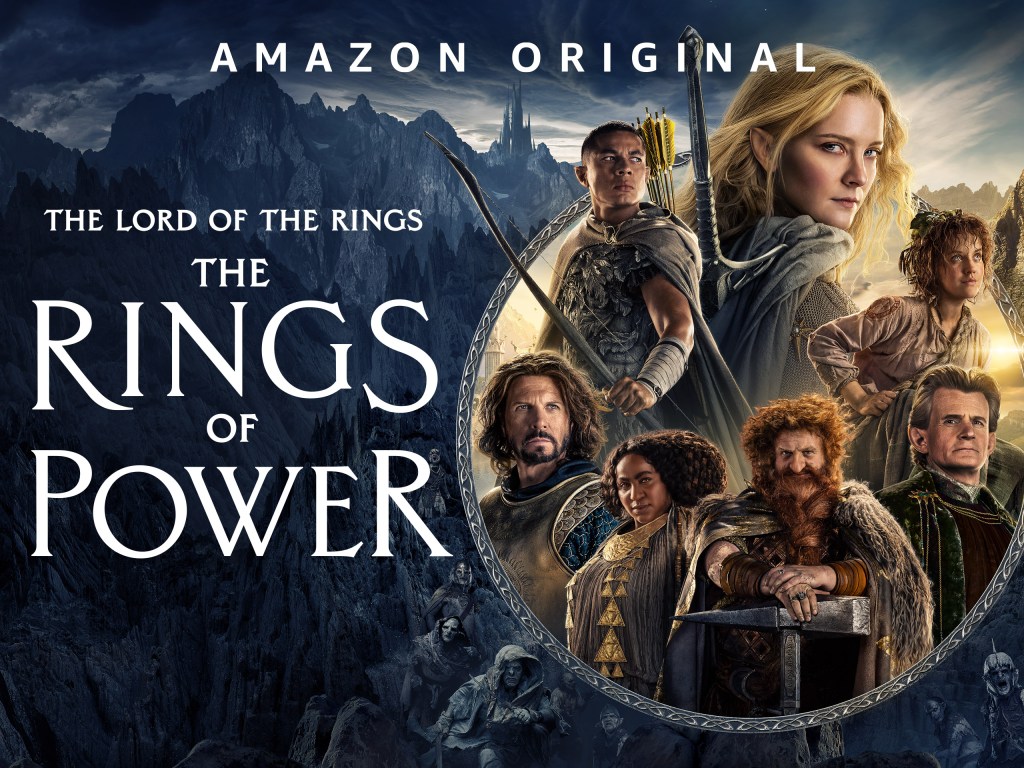
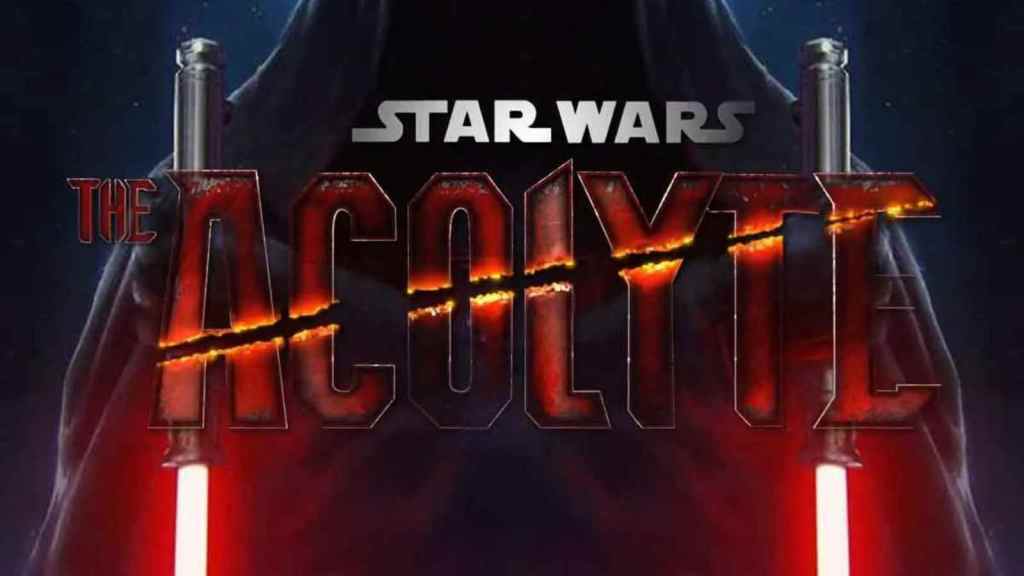
I’m the first guy to complain about poorly written soap opera nonsense like Star Wars: The Acolyte and Amazon’s Rings of Power. Juvenile and inept attempts at high school level drama frustrate me: having lead characters just go be heroes because that’s who they are, people being angry with each other just for the dialogue the writer wanted to include, or sizzle reels glued awkwardly together with coincidences or by having characters do things they just wouldn’t normally do but need to for the plot happen, for a few examples. I truly don’t want to be associated with anything that even smells like that.
No offense if you’re into either of these, but craftmanship in plotting is an aspiration of mine. These two mainstream offerings are stinkers in my opinion.
I read three things over the years that have been screaming at me recently (only one of which I can cite so I’ll paraphrase):
“The only thing worth writing about is people.” – Harlan Ellison
“Villains are interesting because they are often the driver of the plot – they DO things.” -unknown
“Marvel’s Magneto (major villain in the X-Men comics and movies) has one of the most interesting motivations in all of comics.” -unknown, but it was a writer for Wizard Magazine
What I take from all that is:
Stick to realistic motivations and interesting, fleshed-out people who all have their own agendas and desires (not just plot supporters who don’t exist when not in the chapter)
Have protagonists DRIVE the plot (versus villains) by their actions, which have consequences
Make the motivations of villains make sense and be understandable and relatable, almost justified
It’s these principles that set the wrecking ball to the ideas I was holding on to. I’ll give you a few examples of what I’m talking about:
1. A train trip through the wild, jumbled Jagganatheum
Right after I started writing the novel, I caught the flu – it was a nasty one with a fever that wouldn’t go away. One night I had one of the most vivid dreams I’ve ever had. I had been trying to envision what a city two thousand years old and comprised of a single enormous building strapped to a mountainside would look like from the inside (and getting nowhere).
Then the dream – I saw Mazewater’s entire day play out. I watched him get beaten up by a guy who posed as his bully so his mom would stop trying to toughen him up. I saw him in a complex series of barter exchanges and understood how the social networks functioned. I remember being in a subway-style train station with ancient broken marble statues and skylights, hissing through massive corridors like airport concourses. It was a genius picture and made the city make so much more sense for me.
I was enamored with those images for months before I came to realize the whole series of exchanges and even the trip across the city just burned the clock and didn’t move anything. They could be trimmed without cost to the plot, and that hurt tremendously to let them go.
But I had to. And I knew it. Finally.
2. Ilianore, the loose cannon brunette
Oh, I hated to let this one go! No fever dream this time, but still she showed up in my head fully formed such that I could almost hear her voice. She had jet black hair she kept in a pony tail and worked part time for a troll-looking lady chef right out of a Studio Ghibli movie. When the lead character (who had crushed on her since they were in school together) would accidentially get her fired, Ilianore would barge into his apartment in a storm of anger, light a match and drop it to the floor, and sit to demand of him what was he thinking while his carpet burned. Just to make her point.
I found myself cramming in a romantic subplot with awkward flirting, weird secrets she would bring to the story, and a terrible confrontation after you were made to like her where she would die to drive him forward.
All nonsense and didn’t fit at all. It just wasn’t the story the core ideas needed. By keeping her, it forced certain things to happen with her or risk distractions and clutter. Unfortunately, and I breaks my heart to say this, we will not meet Ilianore in this book. We’ll likely never meet her, and I miss her already.
3. An old conspiracy uncovered
I turned this one loose just this past week. Still hurts.
Again, almost fully formed, I saw Mazewater on a stylite pillar doing a vision quest, trying to commune with the sentient weapon he’d stolen for 3 days in the rain. I knew why the pillar was there and what that had to do with the founding of the city. I knew what the weapon would say when it finally spoke, and how that would unlock an old conspiracy that turned the whole story on its head. I could have told you what that had to do with the giant’s attack on the city, what was really going on, and what happened next. I mean, this part of the story was core to the whole remainder of the novel. I really….can’t stress this enough….really didn’t see even the NEED to let this go.
So I was taking a long walk in the woods this past Tuesday, pleased that I had rewritten the work done so far into a tighter, coherent narrative with dynamic characters and that, so far, this story matched what was needed. However, some things about the bigger picture still didn’t make sense for me and felt cluttered. I was really worried heading out on that walk, fearing things might crumble again as I thought them through looking for holes. My plan was to let this walk take as long as it took to iron things out.
At one point, almost audibly, I told myself nothing was sacred. Nothing at all. What would the story look like if I just stopped holding on to cool pictures or imagined moments and let the motivations and personalities decide the course? What was it, exactly, that made me want to write this thing at all?
It turned out, the old conspiracy didn’t add anything useful at all. The weapon needs to say something else entirely. Even the vision quest was just a sizzle-reel for me that I thought was interesting, to add flavor to the history of the city but was useless in the end.
Gone! All of it. I am fascinated with where this wound up though. It’s tight and hangs together like brickwork.
Anyway, what I wanted to offer you today is the wisdom of outtakes. I have entire an entire chapter of Ilianore that I’m keeping for my own files. I’ve got pages of notes about the old conspiracy and what I saw in that fever dream of the city, that will likely never see the light of day – but which I’ll keep.
I’m not going to delete or discard any of that, much like directors struggle to cut scenes from their movies to which they’d become attached. In their case, they might add them to Director’s Cut versions of the movie just to feel good about sharing them with the world. Whether scenes wind up in the world or not though, it was the cutting that made the difference. That’s what tightened the story and made it resonate enough with an audience that anyone would even want a Director’s Cut of it in the first place.
Turn them loose, then. Nothing is sacred. Move on, even if they’re gorgeous.
I had writer’s block for a reason, and it was because I was holding on to nonsense that felt like gold.
Let me know what you think about that. Till next time,
If you love the rousing, unmatchable tales of JRR Tolkien’s Middle Earth (cinematic or book form), then it’s only natural to marvel at the thought that Professor Tolkien did actually consider a sequel. He even said partly what it would be about and wrote about 13 pages of a beginning to it called “The New Shadow”.
I recently finished reading The Hobbit, the LOTR trilogy, and The Silmarillion as well as The Letters of JRR Tolkien and in honor of that experience, I’ve set the task for myself to determine as accurately as possible what would that full story have been. I’ll try and defend my points along the way, but it’s all speculation since he stopped purposefully (which I’ll explain shortly).
Care to come along for the ride?
What do we know for sure about it?
The full text of the aborted sequel is available in The Peoples of Middle Earth. You can read it there. A summary though:
It’s been 100 years since the fall of Sauron. King Aragorn’s son, Eldarion rules over Gondor. Elves and hobbits and the fantastic bestiary of years ago haven’t been seen in all that time. It’s the Fourth Age, a time of peace. The Age of Man. The War of the Ring and the great events of those many years ago are just stories, fading in memory.
By a river below the sprawling towers of Minas Tirith, an old man named Borlas is talking to a younger, easily agitated fellow named Saelon. Borlas is the son of Beregond, the white guard captain assigned to Peregrin Took before the Battle of Pelennor Fields, and Saelon is the childhood friend of Borlas’ absent son. They speak of the growing evil in the hearts of men. And of Orcs.
Saelon recounts harsh words the old man had had for him years ago, in correcting the boy for stealing apples and damaging trees as “Orc’s work”. That word, Orcs, had fascinated him. The harsh words had angered him.
“Don’t speak to me of orc’s work, or I may show you some”, Saelon says. “You turned my mind to them. I grew out of petty thefts … but I did not forget the Orcs. I began to feel hatred and think of the sweetness of revenge. We played at Orcs, I and my friends, and sometimes I thought: ‘Shall I gather my band and go and cut down trees? Then he will think that the Orcs have really returned.’” The boy’s sudden anger and resentment perhaps surprise the old man.
They speak of Herumor, the vile leader of a growing cult called The Dark Tree that worships Sauron and his predecessor, the original dark lord, Melkor. Unrest is spreading: discontent with the reign of Eldarion. There is news of missing ships, and Borlas’ son is away at sea.
Suddenly, the boy, Saelon makes a mysterious invitation to the old man. If he will return to this spot tonight clad all in black, he will learn everything.
Before the fragment ends, Borlas smells the air. In the Professor’s words,
“The door under the porch was open; but the house behind was darkling. There seemed none of the accustomed sounds of evening, only a soft silence, a dead silence. He entered, wondering a little. He called, but there was no answer. He halted in the narrow passage that ran through the house, and it seemed that he was wrapped in a blackness: not a glimmer of twilight of the world outside remained there. Suddenly he smelt it, or so it seemed, though it came as it were from within outwards to the sense: he smelt the old Evil and knew it for what it was.”
Why didn’t Tolkien finish the book?
Oh, he explained that in detail.
Here, in a letter to Colin Bailey, dated May 13, 1964:
“I did begin a story placed about 100 years after the Downfall [of Mordor], but it proved both sinister and depressing. Since we are dealing with Men it is inevitable that we should be concerned with the most regrettable feature of their nature: their quick satiety with good. So that the people of Gondor in times of peace, justice and prosperity, would become discontented and restless – while the dynasts descended from Aragorn would become just kings and governors – like Denethor or worse, I found that even so early there was an outcrop of revolutionary plots, about a centre of secret Satanistic religion; while Gondorian boys were playing at being Orcs and going round doing damage. I could have written a ‘thriller’ about the plot and its discovery and overthrow – but it would be just that. Not worth doing.”
In a letter to Douglas Carter dated June 1972, he said:
“…the King’s Peace would contain no tales worth recounting; and his wars would have little interest after the overthrow of Sauron; but that almost certainly a restlessness would appear about them, owing to the (it seems) inevitable boredom of Men with the good; there would be secret societies practicing dark cults, and ‘Orc cults’ among adolescents”
What he was saying is that he’d wrapped up the supernatural bits with the close of the War of the Ring, and all that was left was politics and intrigue. It wasn’t what he wanted to write, so he left it there. His real passion remained publishing The Silmarillion into which he’d thrown his heart and soul his entire life, but no publisher would have it in its condition: a dense narrative that can read at times like a technical history book full of difficult names and a flood of events.
In a letter dated July 1938 when he was supposed to be writing a sequel to The Hobbit, he said:
“…my mind on the ‘story’ side is really preoccupied with the ‘pure’ fairy stories or mythologies of The Silmarillion…and I do not think I shall be able to move much outside it – unless it is finished”
In an epic letter to Sir Stanley Unwin dated Sep 14, 1950, he said of the finality of Lord of the Rings that it:
“…concludes the whole business – at attempt is made to include in it, and wind up, all the elements and motives of what has preceded: elves, dwarves, the Kings of Men, heroic ‘Homeric’ horsemen, orcs and demons, the terrors of the Ring-servants and Necromancy, and the vast horror of the Dark Throne”
It was disheartening for me, reading the Letters of JRR Tolkien, his final years after his retirement and when his dear wife, Edith passed away, that he was desperately still trying to find time to collate the materials for The Silmarillion and despairing he would ever accomplish it. His mind wasn’t really on a sequel.
That seems to close the business then. What’s the point of this article and exercise?
Okay, hear me out. He was super passionate about the elf histories and lore of The Silmarillion; in fact that was the whole point of his worldbuilding his entire life. Yet the market wanted hobbits and heroic myth. If the Professor had gotten The Silmarillion published ten years before, seen a relatively poor reception for it, and had maintained the energy to give it another go, I believe in my heart he would have gone back to the core of his magnum opus to redeem it.
My point is – he stopped because of his viewpoint on what would happen next, but I believe if he actually made the decision to proceed with a sequel, that wouldn’t have been the direction he would take the book. He and C.S. Lewis agreed long before that if they couldn’t find the books they wanted to read, they’d have to write them. He enjoyed heroic poetry and long, exciting tales of adventure. So that’s what he would have found a way to write. It so happened, that’s what the market wanted anyway.
But how on earth can we know what change in direction he would have taken with the sequel?
Ahhh. I believe I can trace the steps on what his thought process would have been given his personal tastes, the groundwork he’d laid for The New Shadow, his fascination with The Silmarillion lore, and how he approached writing the first sequel: Lord of the Rings. Of course, there is wild speculation here. But I can back some of it up.
OK, so what would have happened?
A few building blocks first, please. Humor me.
No allegories or basis in world events
From Tolkien’s foreward to Fellowship of the Ring, 2nd edition:
“I cordially dislike allegory in all its manifestations…I much prefer history, true or feigned, with its varied applicability to the thought and experience of readers”
2. Not all the supernatural beasts and creatures need be absent from the story
Letter to Naomi Michison dated Apr 25, 1954 (referencing Balrogs): “They were supposed to have been destroyed in the overthrow of Thangorodrim, his fortress in the North. But it is here found (there is usually a hang-over especially of evil from one age to another) that one had escaped and taken refuge under the mountains…”
In fact, we could have dragons.
“Dragons. They had not stopped; since they were active in far later times, close to our own. Have I said anything to suggest the final ending of dragons? If so it should be altered.”
3. A dark entity can in fact be guiding events, just not in a physical body, and most likely surrounding itself with a confusion of good intentions and lies
Letter to Robert Murray dated Nov 4, 1954: “…for or course the Shadow will arise again in a sense (as is clearly foretold by Gandalf), but never again…will an evil daemon be incarnate as a physical enemy; he will direct Men and all the complications of half-evils, and defective-goods, and the twilights of doubt as to sides, such situations as he most loves”
That tells me no new dark lord. Herumor will be a man, but a man possibly being directed by an evil entity if he’s not the entity itself. It is highly unlikely Tolkien would have reopened Sauron or Melkor as a direct influence, as he very much disliked retreading old ground and cheapening the sacrifices of Lord of the Rings. In order to avoid the focus on politics and intrigue that turned the Professor off to the story in the first place, Herumor would likely have some form of magical objects or access to a lore of some kind to influence events – such as he might be using to take out those ships that were going missing. Herumor MUST have something from Sauron’s days that he’s using.
4. There would be connections to the previous books
Letter to Chrisopher Bretherton dated Jul 16, 1964 (regarding his process for writing a sequel to The Hobbit): “The magic ring was the one obvious thing in The Hobbit that could be connected with my mythology. To be the burden of a large story it had to be of supreme importance. I then linked it with the (originally) quite casual reference to the Necromancer…whose function was hardly more than to provide a reason for Gandalf going away and leaving Bilbo and the Dwarves to fend for themselves...”
In this same letter, he explains at length how he pulled from his existing mythology in materials from The Silmarillion as part of his creative process. That’s key for me, by the way. It is precedent for him going back to the massive well of those materials to make sense of the story he wants to tell. I’ll come back to that in a big way shortly.
5. Elves are gone and almost certainly would NOT appear. However, Elrond could still play a role.
Elrond appeared in The Silmarillion, The Hobbit, and in much of the Lord of the Rings. Part man, part elf, and present in the major events of Tolkien’s entire history, this character was incredibly pivotal. Yet elves wouldn’t return; that’s clear. However…
Letter to Sir Stanley Unwin dated Sep 14, 1950 (footnote): “Elrond symbolizes throughout the ancient wisdom, and his House represents Lore – the preservation in reverent memory of all tradition concerning the good, wise, and beautiful. It is not a scene of action, but of reflection. Thus it is a place visited on the way to all deeds, or ‘adventures’. It may prove to be on the direct road…but it may be necessary to go from there in a totally unexpected course.”
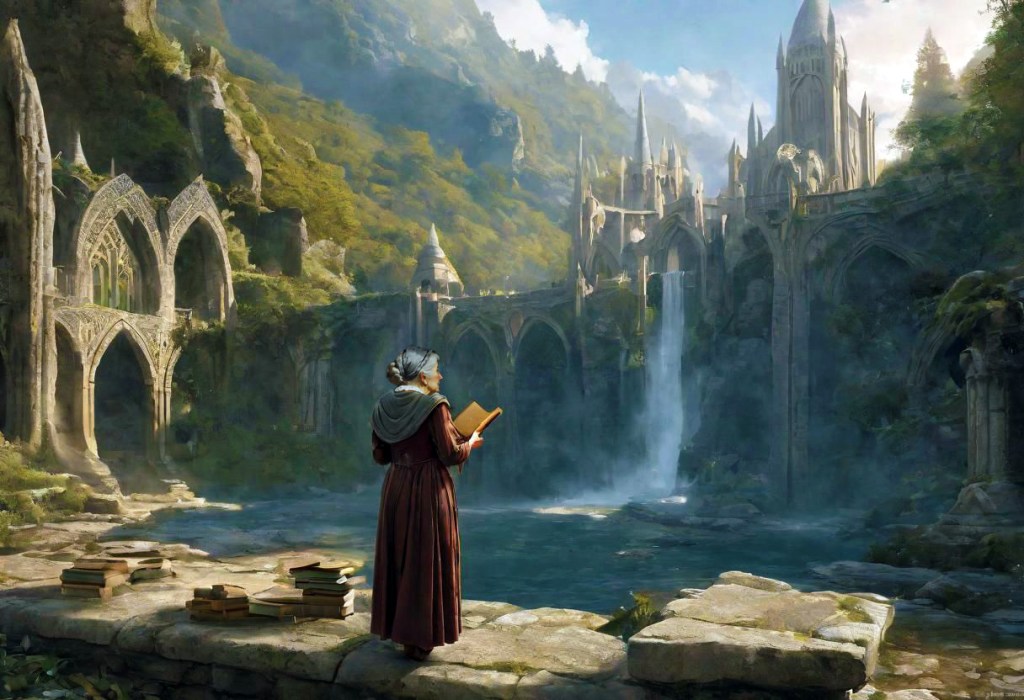
So how could Elrond play any role at all then if elves are entirely gone? I speculate that Tolkien would have created a character enamored with Elvish lore who even perhaps has books with lost lore written by Elrond if not living in the ruins of Rivendell. That gives a reason to visit Rivendell, a means of Elrond adding to the tale, and gives Tolkien a chance to expound on his beloved Elf legends.
And it could be key in the heroes (whoever they might have wound up being) unlocking the secrets they will need to defeat the new shadow.
6. No Ents. No Entwives. These are the walking, talking trees who it is explained lost their wives. I thought at one point I had something here and we could revisit the Ents, but…
Letter to Naomi Mitchison dated Apr 25, 1954: “I think that the Entwives had disappeared for good, being destroyed with their gardens in the War of the Last Alliance…when Sauron pursued a scorched earth policy and burned their land…Some, of course, may have fled east, or even have become enslaved…If any survived so, they would indeed be far estranged from the Ents, and any rapprochement would be difficult.“
7. Someone humble and unlikely will play the most important heroic role.
Letter to Sir Stanley Unwin dated Sep 14, 1950: “A moral of the whole…is the obvious one that without the high and noble the simple and vulgar is utterly mean; and without the simple and ordinary the noble and heroic is meaningless.”
Tolkien wouldn’t likely bring back Hobbits, but he could still create a humble, lovable goofy character who has to be brave to win the day and whose adventures bring them to the noblest and mightiest.
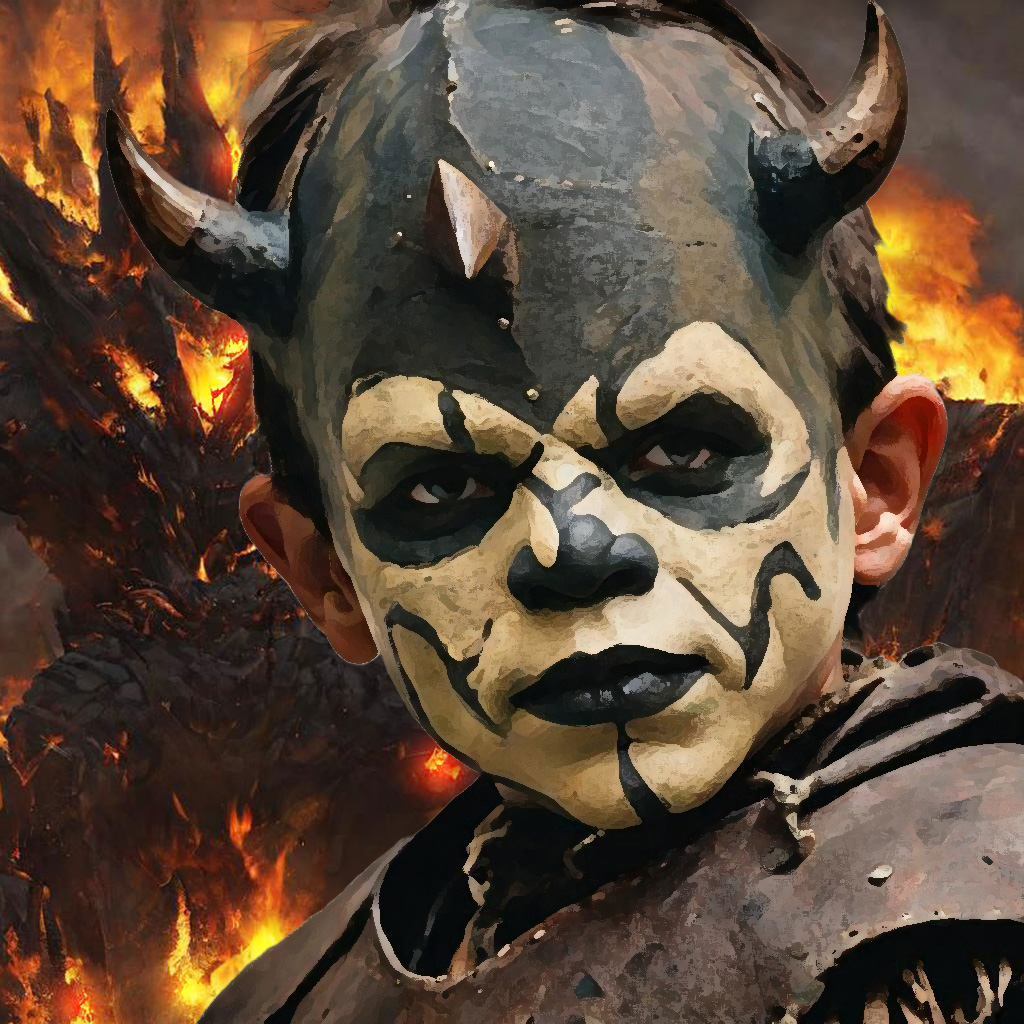
8. It could be that we see Men transformed physically into Orcs, or at least an effort to make that so.
This might be too dark even for the Professor. Yet it fits with Melkor’s original intentions to distort Iluvatar’s plan for Men and the nature of all that has come from Melkor’s scheming and influences through the centuries.
Letter to Forrest Ackerman June 1958: “The Orcs are definitely stated to be corruptions of the ‘human’ form seen in Elves and Men.”
Letter to Christopher Tolkien May 6, 1944 (referring to World War 2 still being fought): “…we are attempting to conquer Sauron with the Ring. And we shall (it seems) succeed. But the penalty is, as you will know, to breed new Saurons, and slowly turn Men and Elves into Orcs.”
If anybody’s turning Men into Orcs, it’s Herumor. Given the groundwork here then, he’s learned that craft from Sauron’s lore. And it’s probably how he’s waging war on the high seas such that those ships are missing.
Ships like the one Borlas’ son was on.
9. The New Shadow mentions missing ships, and now we have Herumor and his dark lore from Sauron’s days potentially building him a navy of Orcs who used to be Men, fed by a growing secret cult convincing young restless men they actually want to be Orcs.
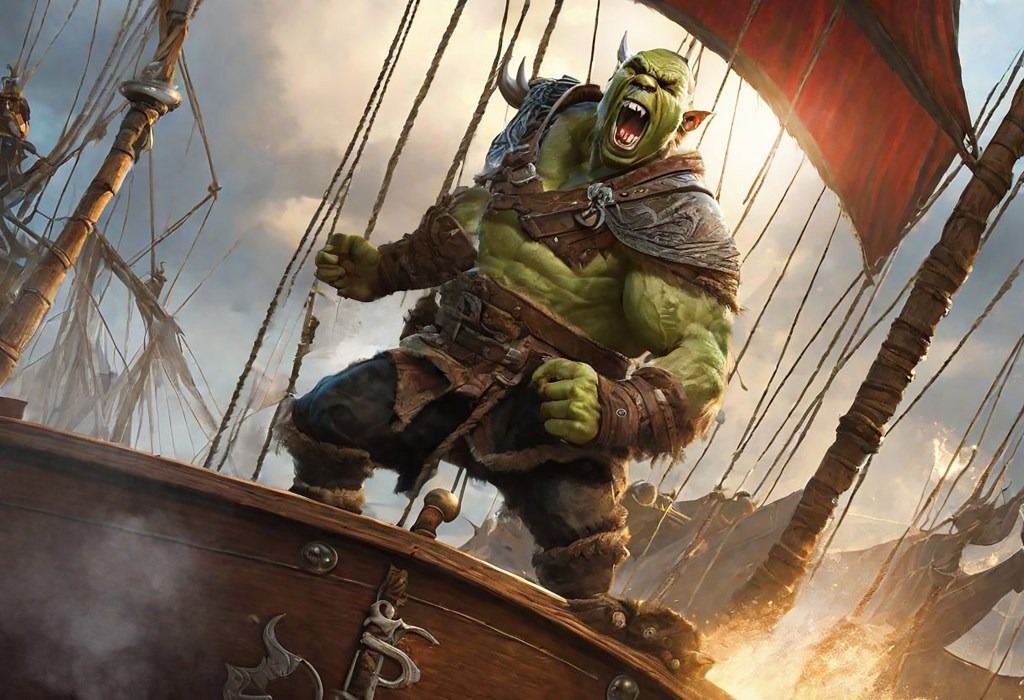
So I’m saying that we could have gotten ORCS AT SEA in naval battles with dragons.
10. There would be a supernatural object
Tolkien used the Silmaril jewels and a terrible oath regarding them to drive events in The Silmarillion. He used the Arkenstone to drive events in The Hobbit. He used the One Ring to drive events in Lord of the Rings. In tracing his creative process writing LOTR, he definitively looked for a clear thread to tie his many varied elements together, easily made manifest in objects like this. I don’t know why he would break from that pattern in a sequel.
Since he’d already used jewels and gold, I imagine he would use something silver. What else is incredibly precious other than jewels and gold? I’m speculating, so it’s as good a choice as any.
But a silver what?
11. The supernatural object core to the story would be tied to the lore of The Silmarillion
In the very beginning of The Silmarillion, the God-character, Iluvatar has his created gods (The Ainur) sing with him and for him. Melkor, the original dark lord and Sauron’s future master and inspiration, deviated from the musical themes set by Iluvatar. Melkor wanted to do his own thing, and that was the original sin in the universe Tolkien created. Iluvatar corrected Melkor’s deviations by singing a new musical theme. The big deal here though, was that everything they were singing actually became manifest.
Their singing created the world we know from all of Tolkien’s stories, as well as the entire history that would play out in it. It turned out that Iluvatar’s part of the song created Elves and Men. That was his plan all along, it seemed. And Elves were to be temporary, required to fade into the west at some point in the future to make way for the Age of Men.
So Men were very important to Iluvatar’s plan of creation. He had a purpose for creating them, one that corrected whatever sins Melkor was introducing.
Letter to Robert Murray dated Dec 2, 1953: “The LOTR is of course a fundamentally religious and Catholic work; unconsciously so at first, but consciously in the revision….the religious element is absorbed into the story and the symbolism.“
Letter to W. H. Auden dated May 12, 1965: “I don’t feel under any obligation to make my story fit with formalized Christian theology, though I actually intended it to be consonant with Christian thought and belief.”
This perspective tells me Tolkien might very well have asked himself what was the original purpose of Iluvatar creating all this for Men and for indeed creating Men at all? In Christian belief, it was to commune together with humanity and for them to make a free will choice to do so with God. I believe Tolkien’s faith would have informed the decision on this supernatural object’s nature.
Iluvatar created Men to commune with him. Iluvatar does so in song; there’s precedent for that. The Ainur didn’t really have a choice. Men do.
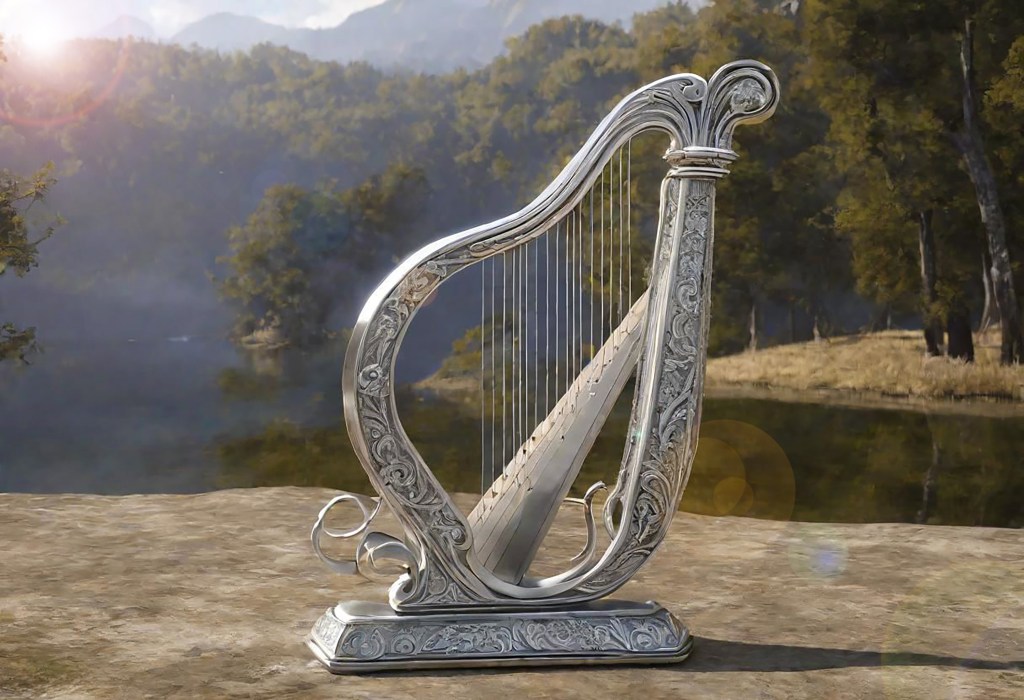
I believe the object would be a musical object, one allowing its player to sing (excluding pipes and other wind instruments). I assume then, a silver lyre.
12. The silver lyre would be necessary to resolve the almost certain fall of Men under their own efforts.
Letter to Miss J. Burn dated Jul 26, 1956: “No, Frodo failed. It is possible that once the ring was destroyed he had little recollection of the last scene. But one must face the fact: the power of Evil in the world is not finally resistable by incarnate creatures, however good.”
Sarumon and Gandalf were both sent to assist in the fight against Sauron, but Sarumon was a disaster in this. Gandalf died in the process and earned his rest. I don’t believe Tolkien would have provided for another supernatural assistant like that in resolving events in The New Shadow. Given that the silver lyre is now assumed to be critical to the story, I’m imagining Iluvatar sent this object as the aid.
Accordingly, the creator god has provided the means for Men to help themselves. In line with Christian belief then, it is up to Men to finish the job.
*
So whats the story of the New Shadow?
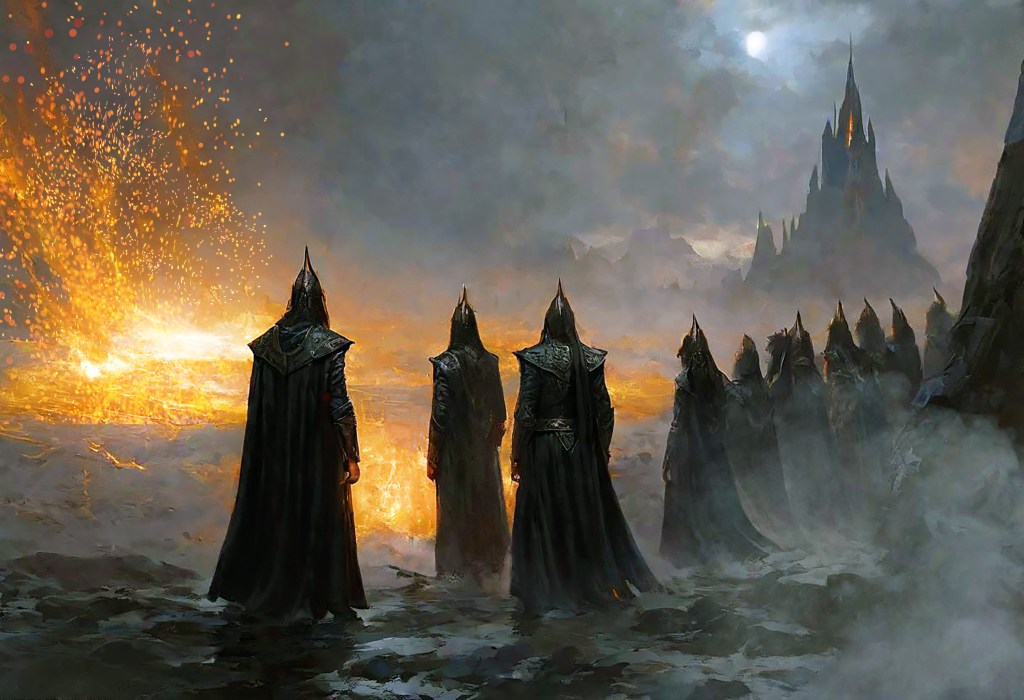
Tying all this together, I envision a small and disparate group of human characters (embodying natures of Elves and Hobbits perhaps, though physically Men and Women) must undertake a mission to find the silver lyre as their only hope in turning the tide against Herumor and his growing Dark Tree cult. Raging battleships crewed with screaming Orcs are pillaging and plundering port towns all across Middle Earth, establishing beach heads. Youths are disappearing from every village. Almost certainly, Borlas goes along (and possibly Saelon). Word spreads that Herumor has recruited dragons, who fly along with his Orc fleets.
The new fellowship makes their way to the ruins of Rivendell to consult with the old scholar there, in hopes of learning the lyre’s whereabouts. Secrets are revealed, and a betrayal occurs, though not from the one we expected.
As Herumor’s dark forces spread, seemingly growing beyond imagination, vile beasts from older days awaken to serve a dark lord, or at least one who deems himself such, one last time. Terrible fates befall hapless towns who’d grown slothful and fat in the long peace. It seems no one has an army or navy able to stand against the black tide of evil sweeping over the lands and seas.
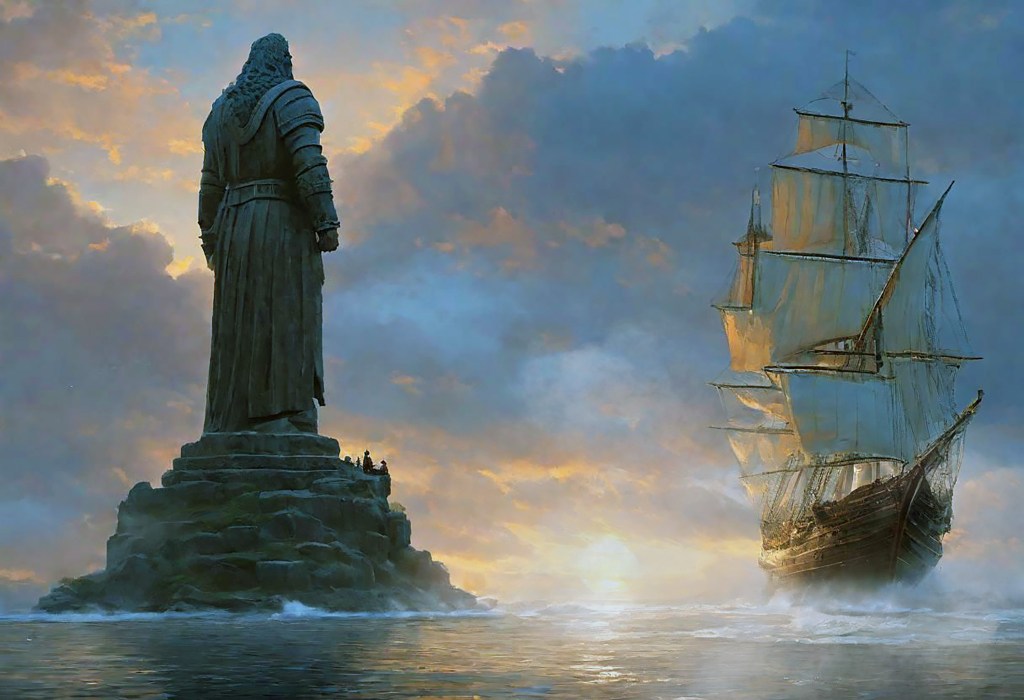
But the lyre is found, and its music summons mighty fighting ships, though no magical beings to crew them. It is up to the least of the new fellowship to inspire and recruit those who will sail these ships.
A mighty battle is fought on the roiling seas, flaming dragons and screaming Orcs versus mystical ships and desperate Men and Women. At the darkest hour, everything turns because of the courage (and potentially the sacrifice) of the most precious of the new fellowship – one who we thought might become a King or Queen. It was that selflessness that redeemed Men in their Age.
The battle is won. Herumor and his fleets are destroyed as the very sea rises up like a man to swallow them whole.
And in the very end, there is music as Men sing to the skies.
*
Anyway, I hope you liked this musing and speculation. What a great experience this has been. I’d love to know what you think – and your own ideas about where the Professor would have taken all this.















 Grailrunner Publishing