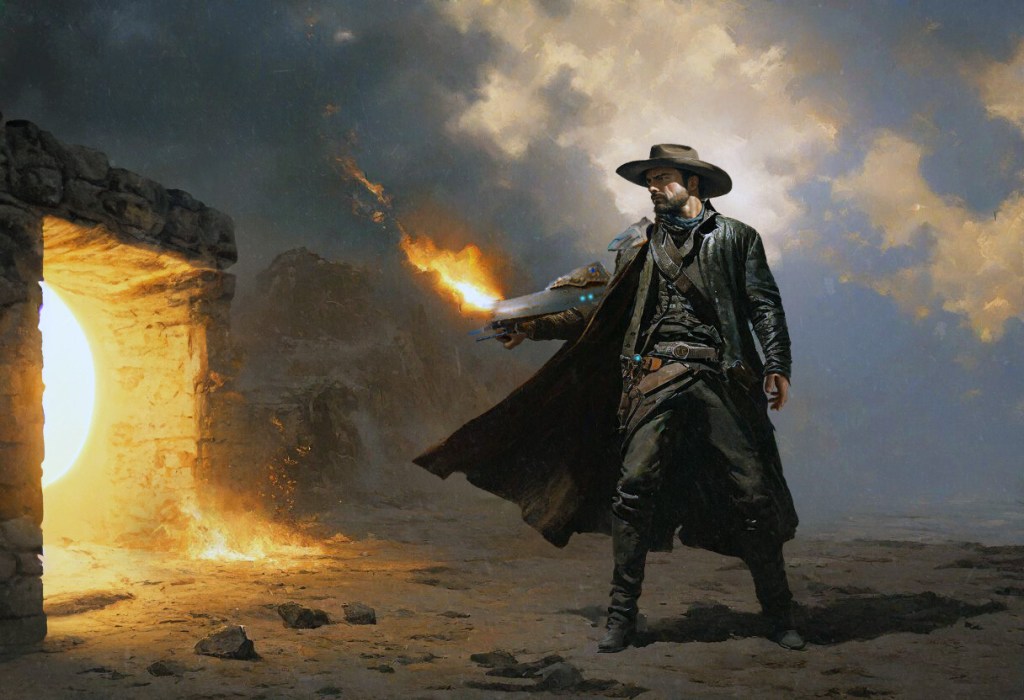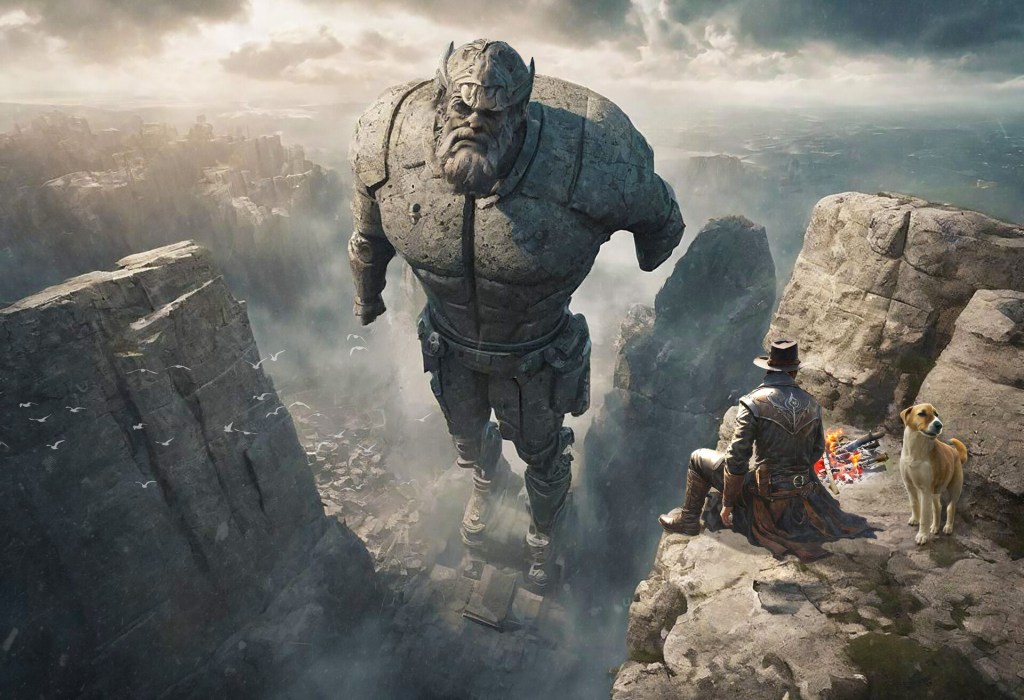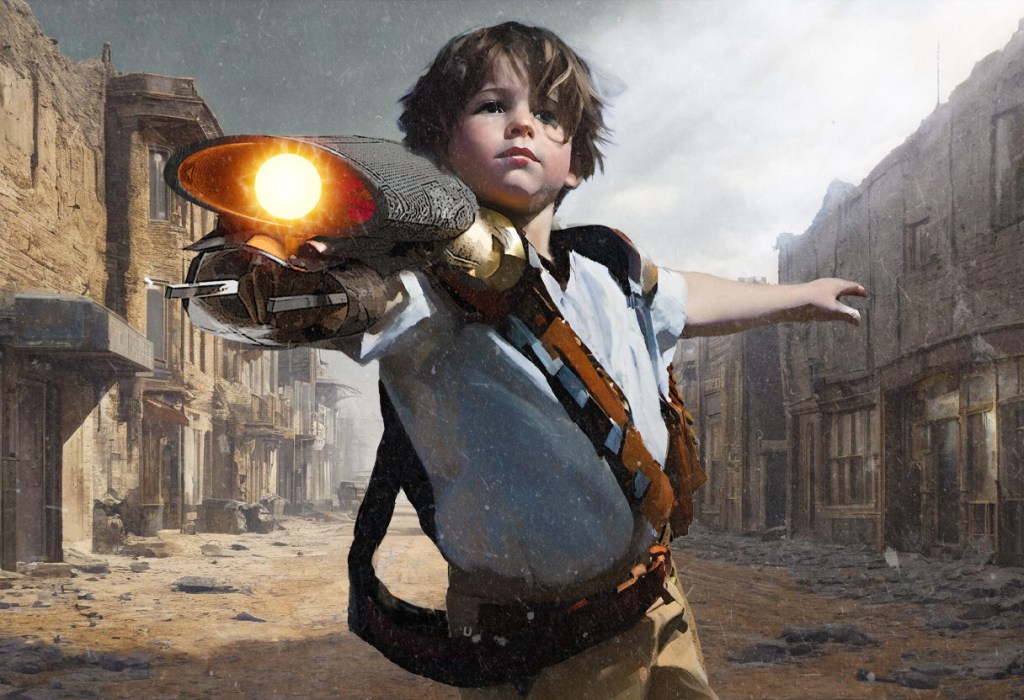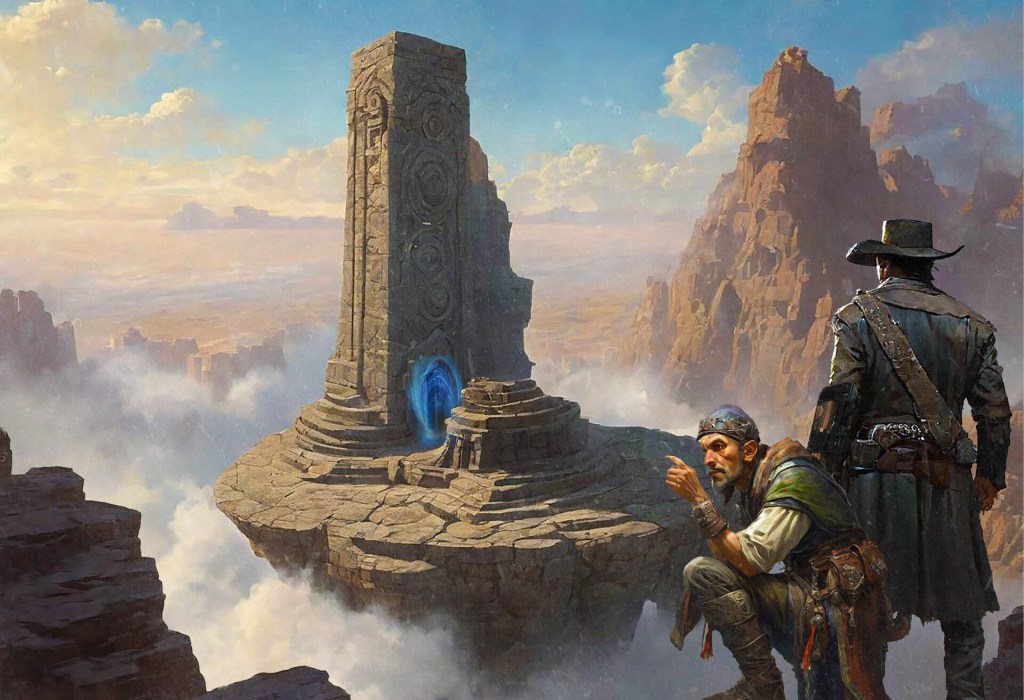
Yes, there’s a Grailrunner theme song now

Since we kicked off Grailrunner around 2016 or so, I’ve intentionally left out references to me personally or the contractors I work with. My thought was to keep this super professional and focus on inspiring ideas and cool tools or giveaways that prod other people’s imaginations. Grailrunner Publishing is just a network of like-minded folks that help me put new things into the world, with the potential for other like-minded folks to (hopefully) catch a spark here and unleash their own.

I’ve noticed, however, that a lot of Youtubers are finding these days that their audiences seem to want to know more about them personally, beyond whatever terrain building tips or historical curiosities they talk about. Then occasionally, we get asked the magic question:

Who is Grailrunner?

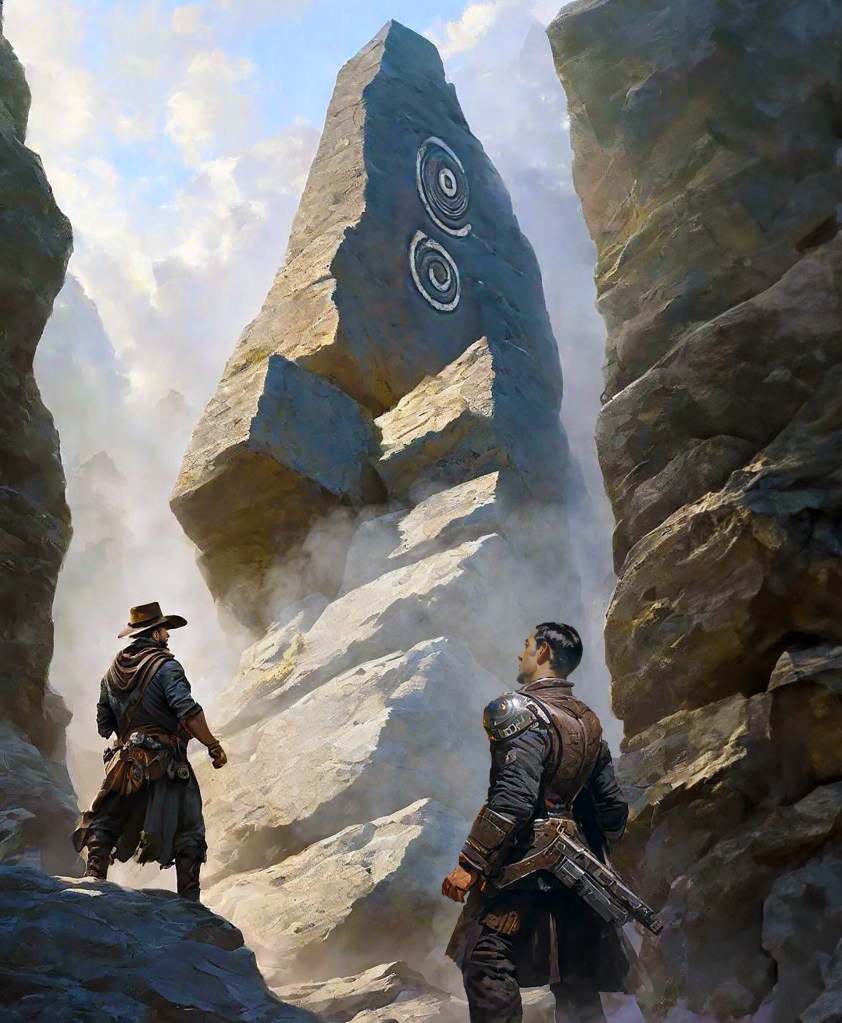
So for giggles, I’ve rewritten the ABOUT page to tell the origin story and shed a little light on that, specifically recounting the strange experience I had in a rock gorge in Oman in 1997 that poured jet fuel into what became Grailrunner and our signature property, Salt Mystic.

No fairy tales. No gimmicks. That happened. Go read it to see what I mean. Over a decade later when I read that C.S. Lewis had a similar experience that turned into the Narnia series, it struck a chord with me big time. But anyway, in order to celebrate this slight shift in the Grailrunner approach to you guys, I thought it would be awesome to have something cool and free for you to enjoy.

So I wrote a Grailrunner theme song.

I was going for Springsteen/Bob Dylan-style poetry with a modern rock vibe, and I wanted to include a variation on our slogan: “Dreams are engines. Be fuel.” Not an easy task, I’ll grant you. It wasn’t a pretty process. I’m also bad about mixed metaphors, so if you detect any traces in the lyrics of shifting imagery, just be cool about it.

Here’s a link to hear it.

Here are the lyrics, by the way.

And no, that isn’t me singing. I used Suno, an AI app, to take the lyrics and generate a bunch of variations – all in a rock & roll direction but with some tweaks on other styles to get something nice that didn’t sound like everyone else. I think it turned out fantastic.

Anyway, let me know what you think about all this. And if you liked the song, I’d especially appreciate hearing that as my wife thinks it’s too loud and fast. We kind of all need to tell her how wrong she is about that.

Till next time,
A resurrected Harlan Ellison helps settle the question of shock value in storytelling

Harlan would hate this. With a bullet. But it’s happening.

We’re making hay while the sun shines, trying out a premium ChatGPT subscription and bringing all sorts of people back to life or mashing them together into alternate realities for our entertainment. And honestly, some of these simulations of literary or artistic geniuses are surprisingly accurate to how they thought and spoke. So far, we’ve hosted a hilarious debate about conciseness in storytelling with Stephen King, Hemingway, Poe, H.P. Lovecraft, Professor Tolkien, George R.R. Martin, and Homer called Verbosity & Vine and had Professor Tolkien write a new 2,000 word King Arthur short story with an evil grail titled The Black Chalice of Broceliande. There is absolutely going to be a Seinfeld Season 10 post at some point, once I pipe Modern Seinfeld prompts into ChatGPT and let the horses run.

Anyway, welcome to a series we call:

Since the King versus Hemingway debate wound up so funny, we thought it would be a hoot to smash some more genius creators together and have them argue the merit of shock value in storytelling. To remind everyone: our policy at Grailrunner is to consider AI as powerful tools but to always call out their usage. This is for pure entertainment. Nobody’s selling you anything here.

This simulated argument was entirely written by AI with prompts from us, but really took on a life of its own. We decided who joined the conversation, and some of those choices really wound up fantastic. In fact, things really surprised us when we had Professor Tolkien join this conversation as well, as he kind of cleaned everyone’s clock on the matter at hand and got suddenly inspiring. That just happened – we can’t take credit for it! Ellison, at least for our part, stole the show though.

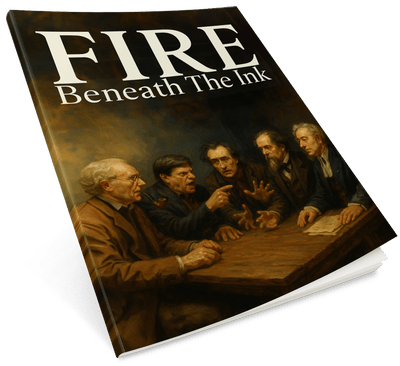
The conversation is called Fire Beneath the Ink:

Key players (all deceased) from left to right are:

Professor J. R. R. Tolkien – author of The Hobbit and the Lord of the Rings trilogy and master craftsman of worldbuilding.

Harlan Ellison – a fiercely imaginative and outspoken American writer known for his prolific work in speculative fiction, particularly short stories, television scripts, and essays that challenged social norms and literary conventions. Also one of the finest writers to ever punch a typewriter.

Antonin Artaud – a radical French dramatist, poet, and theorist best known for developing the Theatre of Cruelty, which sought to shock audiences into confronting the deeper truths of human existence. He once threw meat at his audience.

Charles Dickens – a celebrated English novelist and social critic whose vividly drawn characters and dramatic storytelling captured the struggles and injustices of Victorian society. Nobody has ever been better at generating pathos and character empathy than this guy.

Jonathan Swift – an Irish satirist, essayist, and clergyman best known for his sharp wit and scathing critiques of politics and society, particularly in works like Gulliver’s Travels and A Modest Proposal.

Random? Maybe a little. They all seemed to suit the topic at hand though, and Artaud and Harlan got along famously! See for yourself by smashing the cover button below!

So funny! We hope you enjoyed the debate. Somehow, it was nice to hear from Harlan again, and with him in good humor, poking at people and enjoying himself. If you’re familar with him at all, surely you see how much he would loathe this entire idea and likely drive to my house and tell me so.

And what about that Professor?! Did you get tingles at the end? We sure did.

Anyway, come back often and check on us. We’re unleashing the creative hordes here.

Till next time,
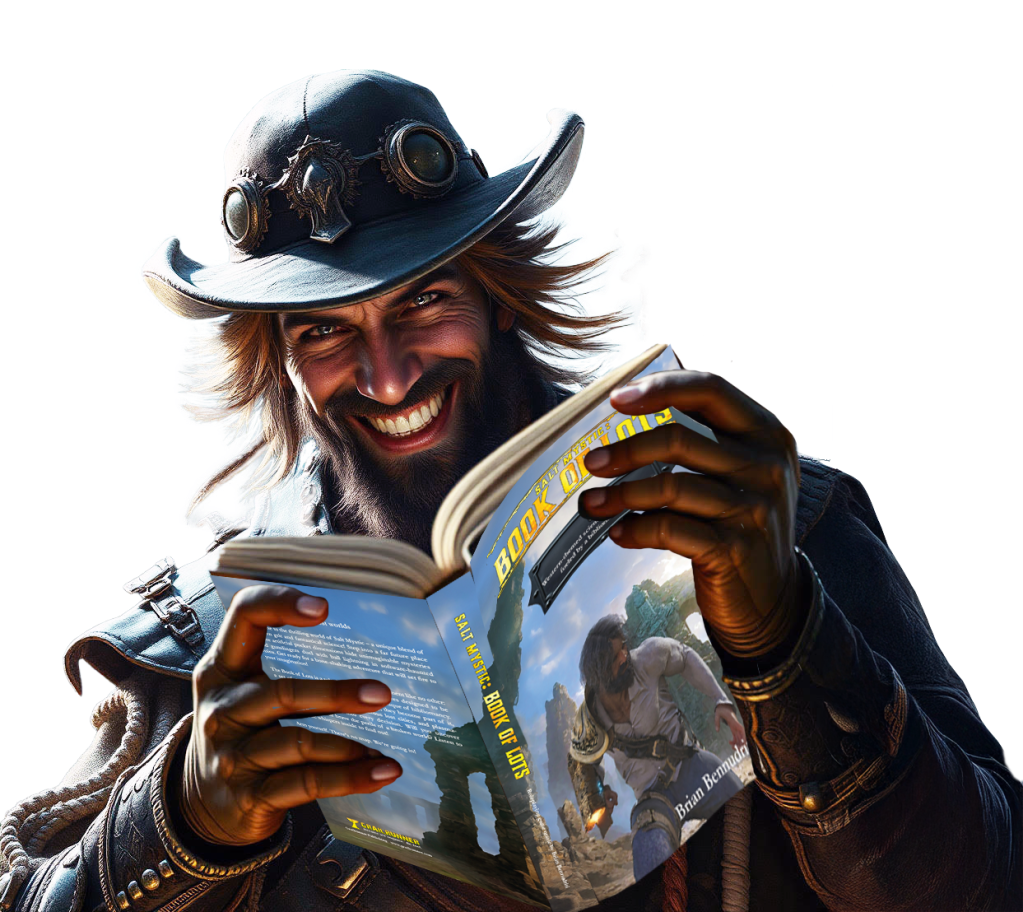
One Month Into Book Launch: How’s That Going?

It’s been a month since we published SALT MYSTIC: BOOK OF LOTS, a solo roleplaying game based on our multi-media Salt Mystic setting. There are some bright spots, some hopeful notes, and a world of pain. Overall, we’re still incredibly proud of the product and seeing and hearing people appreciate it in the wild is an experience like nothing else!

We thought it would be helpful for anybody thinking of putting your own book out to see what we tried: what worked, and what didn’t…and what still might. Care to come along?

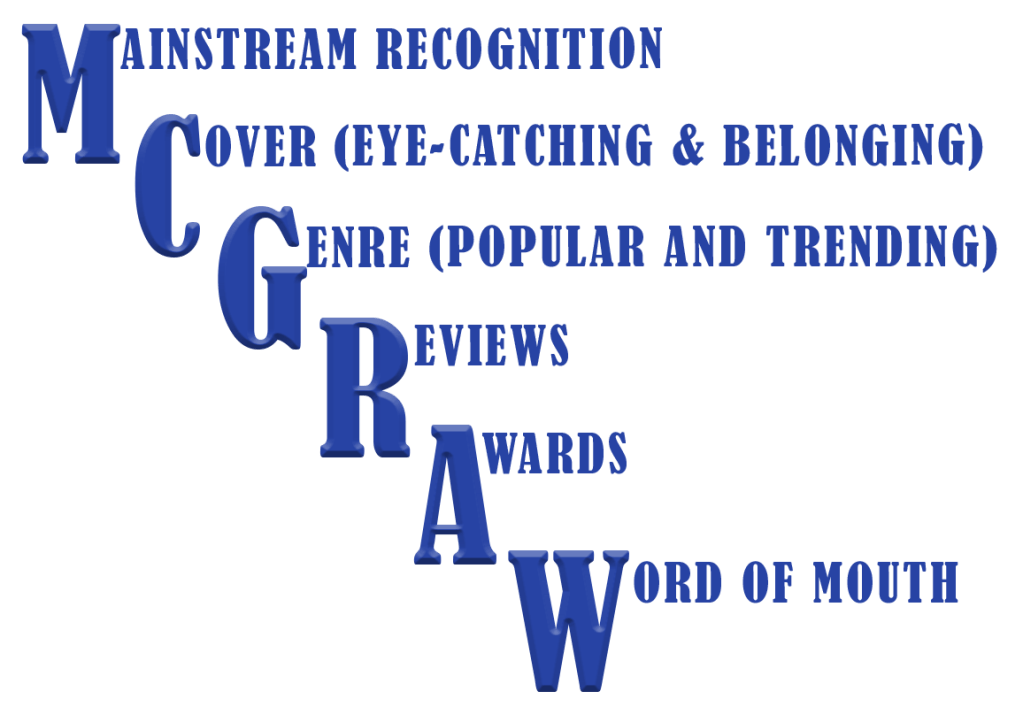
Way back in 2016, I wrote a short article defining some indie publishing principles based on lessons from the launch of my first book: TEARING DOWN THE STATUES. The principles were consolidated into the acronym “MCGRAW”, suggesting the key elements necessary for publishing success (Mainstream recognition, an eye-catching Cover that looks like it belongs with books like it, a popular Genre, as many Reviews on major listing sites as possible, Awards to add validation that the book merits attention, and Word of Mouth.) We kept these in mind this launch and tried to incorporate what we could, although the genre of tabletop roleplaying is so saturated and so dominated by Dungeons & Dragons that we were working uphill and digging holes from the beginning.

Still, hope springs eternal, and this is a product we believe in mightily, knowing from its ideation that nobody else was doing anything like it.

What was the pre-launch like?

February was a hot mess, finalizing the proofs and shaking trees to try and get attention from bloggers and gaming news sites. Short of providing free pizza delivered by cosplayers who do magic tricks, I’m not sure what else we could have done to get mentions from some of these guys – we reached out to 20 and got one “No, Thanks” and absolute crickets otherwise. That’s offering a free physical copy for review, by the way. Local gaming store wasn’t interested, and I didn’t have the heart to cold call others. My ego can only take so much bruising!

I pushed my Photoshop skills to the breaking point generating ad assets to use in social media and ad campaigns, stirring up some images that I think really popped! Here’s my favorite, though we had to switch it out to juice the click rate after things got rolling.

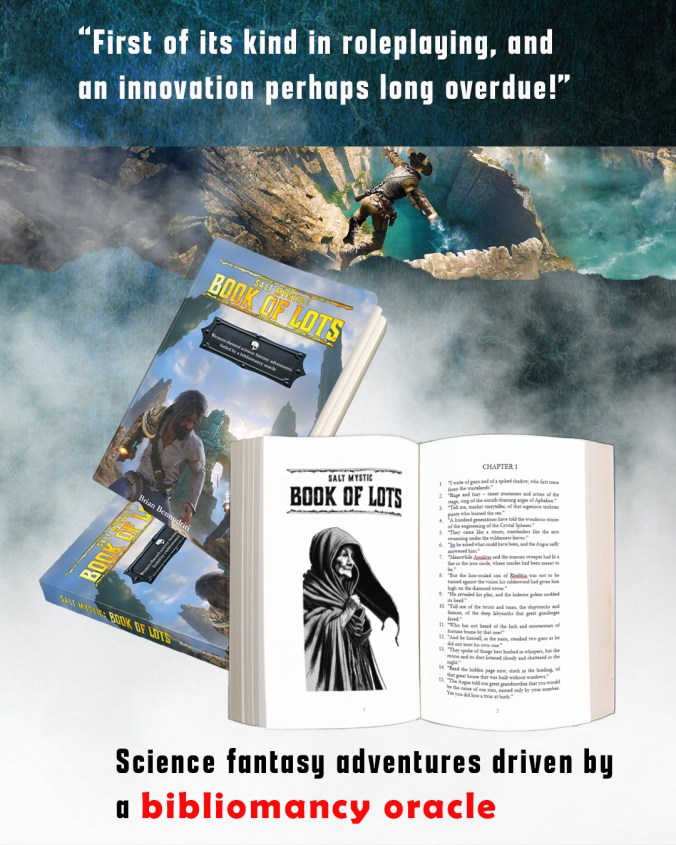
I’m a big fan of Absolute’s 3d cover generator and Envato’s PlaceIt – both to generate mock up’s of the cover in various places. We generated this one below for banners through RPG Geek and some other sites:

We came SOOOO close to hiring an artist we’ve been targeting for years now, and he might yet come on board for a promotional poster, so I won’t jinx anything by saying more. That would be amazing, so wish us luck! Anyway, he was swamped with other things, so the heavy lifting on graphics was still in-house.

How did you handle distribution setup?

The book is available at booksellers globally through Ingram Spark, and also on Amazon thru Kindle Direct Publishing, as well as the pdf on Drivethru RPG. We got the barcode direct from Bowker to retain full distribution rights – there are strings attached to the freebies. Honestly, setup was fairly painless for Kindle Direct, but I thought at one point Ingram was going to leave me with facial tics!

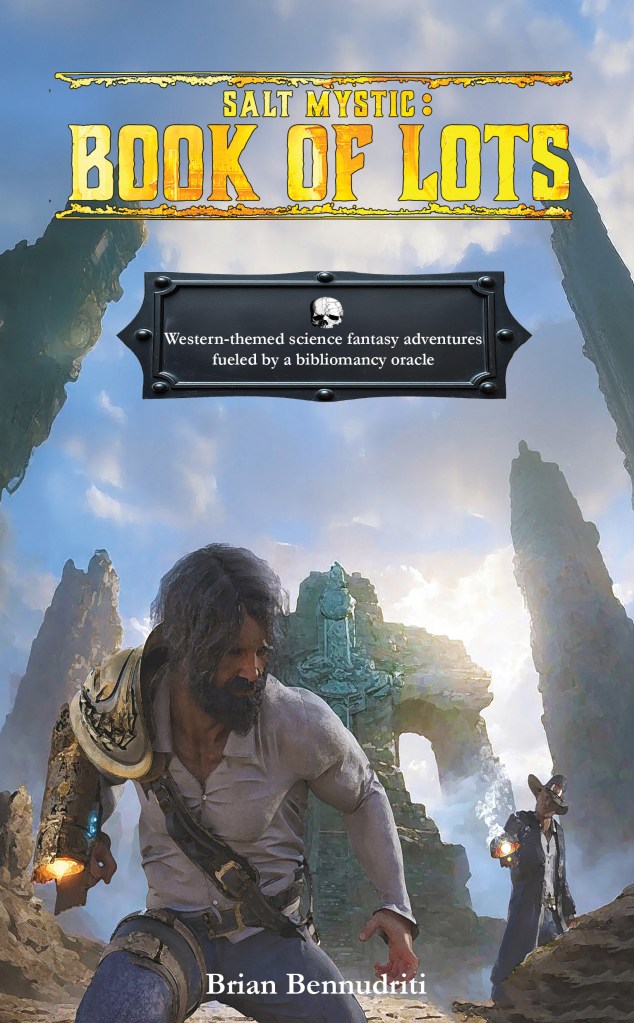
The cover file was a high res jpg I’d built in Adobe Illustrator, and it included some transparent png images (the title and the Grailrunner logo). The art was done with Daz Studio for the figures, some Blender and Photoshop filters for the forearm weapons, and some AI help for the background, everything composited and color graded in Photoshop then dropped into Illustrator for the text and placements. This is what that looks like, front and back:

Weird white outlines were appearing in the digital proof around anything that was a png in the image. Maddening! Nobody at Ingram Customer Service was responding, and internet advice was kind of all over the place. I tried various export presets and never resolved it, at last approving the digital proof even with the outlines in hopes that it was in fact a screen artifact only (as some advice suggested). Thankfully, the issue didn’t show up in the physical version.

As for offering a physical version through Drivethru RPG, I basically gave up. They seem to be saying they use the same print house as Ingram, though a different division or something? I dunno. Anyway, much worse issues with anything that was a png, including the interior art! A true disaster! I’m sure they would say it’s my fault, but I bailed entirely and just offer the digital version through them. My blood pressure thanked me immediately!

How did you advertise?

We ran campaigns on Facebook, through Google, Amazon, and on RPG Geek. The book is also listed this month on Ingram’s home page and in the World Reader, iCurate Connection, and Indiewire newsletters, all via Ingram (~28,000 circulation for the newsletters). Through the Independent Book Publishers Association, the book will be represented at the American Library Association conference in Philadelphia this June. We’ll see how all that works out, but here are some initial experiences:

Meta (Facebook) started at 2.1% click rates with tens of thousands of impressions as well as loads of shares and likes and bookmarks. It all felt great until we saw that precious little of that was converting to sales. Internet research was suggesting a good click rate was 2% for search ads and 0.1% for display ads like banners, but for us it was just a lot of activity with poor conversions. By changing the graphics out to a grinning gunslinger and tweaking the copy a bit, we doubled the click rate to 4.2%. We’ll see if all those bookmarks and shares pay off down the line!

Google Ads was impressive, as their algorithm learns as you go, tweaking things to improve the reach. We wound up with a 5.1% click rate by the campaign’s end, which we view as solid. We even had one day peak at the end at 8.1%! All campaigns led to the same Amazon listing, so we can’t separate sales by campaign but I thought a lot of this experience overall.

RPG Geek was a little disappointing. Multiple banner and display ads dominated the site for a month. The thinking here was that this site entirely specializes in roleplaying games, so you couldn’t find a more on-the-nose target audience! Still, click rates flatlined at 0.1% for two weeks, till the same changes as above doubled that to a paltry 0.18% by campaign end.

Amazon: We only launched the Amazon ads in the last week or so – it’s a little early to report any results. I’d also never added any A+ content to a listing before, so that was new. Of course, I added that gunslinger since he seems to catch eyeballs, along with a very short description of the book.

So, was it a good launch?

Could have done more on pre-launch to get some mentions, honestly. We need to work on a solid email list and social media following though the new content required for that is a bit threatening when everyone has day jobs. Reviews remain super difficult to get, though some favorables have popped up that we didn’t arrange. Overall, sales are ramping up very slowly. Glacially, you might say.

What’s next?

I submitted SALT MYSTIC: BOOK OF LOTS for consideration in the 2025 Ennie Awards, which is the Super Bowl of RPG’s! Any mentions at all would be high octane fuel for me. That’s a long shot, of course, just because of the ridiculous amount of talent in the field these days. Still, you never know…

*

I hope some of this was helpful or at least entertaining. Warts and all, this is how things have gone so far and the plan going forward. I’m sure the outside observer can find all manner of beasties and stinking swamps herein, but from the inside, it’s a wild, crazy bucking bronco we’re just happy to hold onto!

Till next time,

Science Fantasy Adventures Fueled By A Bibliomancy Oracle

Back in October of 2023, we celebrated being at the halfway mark in completing a thrilling new project at Grailrunner. Incredibly, and I can’t believe I’m finally typing this, we’re finished! This puppy is ready to run!

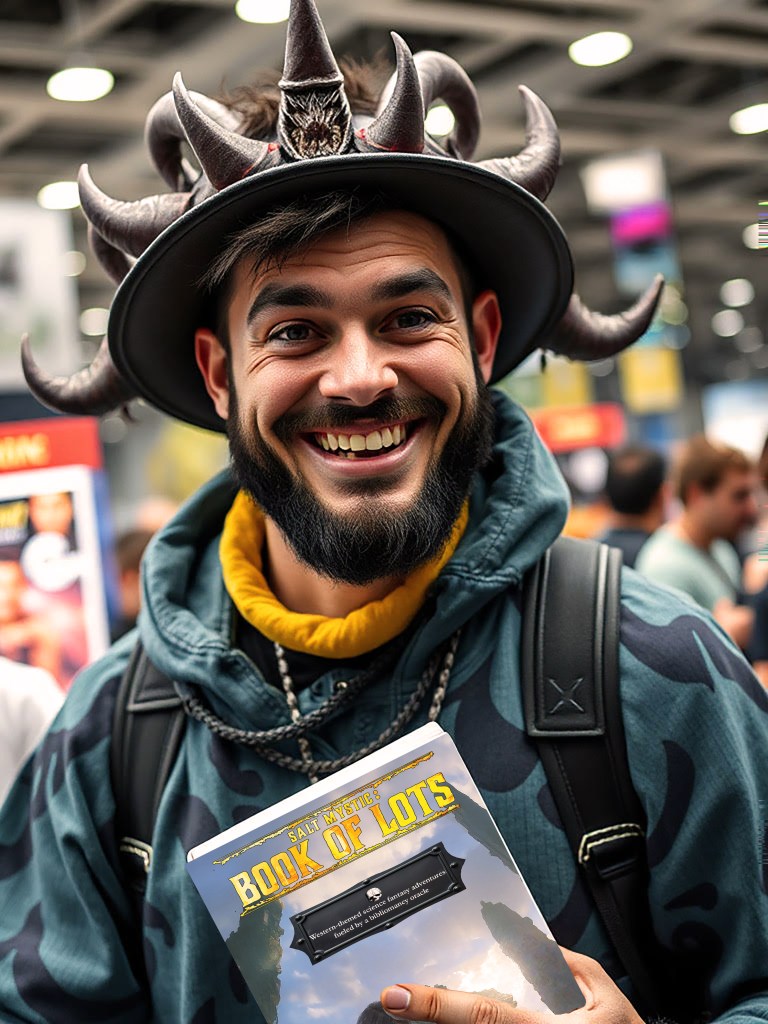
March 1st, 2025, we are launching SALT MYSTIC: BOOK OF LOTS, a roleplaying game & supplement aimed at the solo player providing western-themed science fantasy adventures through a bibliomancy oracle.

Who are we?

If you’re new around here, we’re Grailrunner, an indie publisher of science and speculative fiction fiction and games. Our driving passion and special emphasis is on the creative process – innovations in immersive storytelling. Read about that here.

What is the BOOK OF LOTS?

The spirit behind the whole project was to provide the thrill and danger of exploration and adventure inside the cover of a book and to open a fully realized world accessible through the fortune-telling mechanics of bibliomancy.

Contents of this 265 page book include an introduction to a far-future setting (western-themed, so plasma-gauntlet dueling cowboys delving pocket worlds), a simple, streamlined set of rules enabling a player to use no ruleset at all or even dice outside of the book, and a 40,000+ word set of short passages, consulted via bibliomancy to judge outcomes and events, adding story prompt flavor to judgements. Also included are a map and atlas descriptions of locations in the setting, 13 traditional nested oracle tables to further drive events in the story and a detailed index.

How does it work?

We walk you through it in a prologue with a detailed Quick Start example, but the general idea is to use the setting descriptions, the atlas and map, and the oracles tables to build out the skeleton of a character and story following a framework we call the Five Questions. Then, either use the roleplaying game rules of your choice (like D&D or Free League’s Year Zero system) or use the barebones, streamlined rules of this book to start experiencing your story.

Either once per in-game day or as you see fit, consult the lots by holding a specific question in your mind and turning to a random passage on a random page, locating a 1 -3 line passage (called a “lot”) and its number. A question might be “What will I find on the other side of this hill?” or “What happens when I try to climb the walls of these ruins?”

The rules provide for YES/NO answers as well as more sophisticated outcome judgements, but, more importantly, add a layer of story prompt-style chaos and randomness to what happens.

Where will this be available?

Available on Amazon here. Available globally through Ingram, so hundreds of booksellers around the world (though all in English). On Barnes & Noble here. On Drivethru RPG here.

How about the cover?

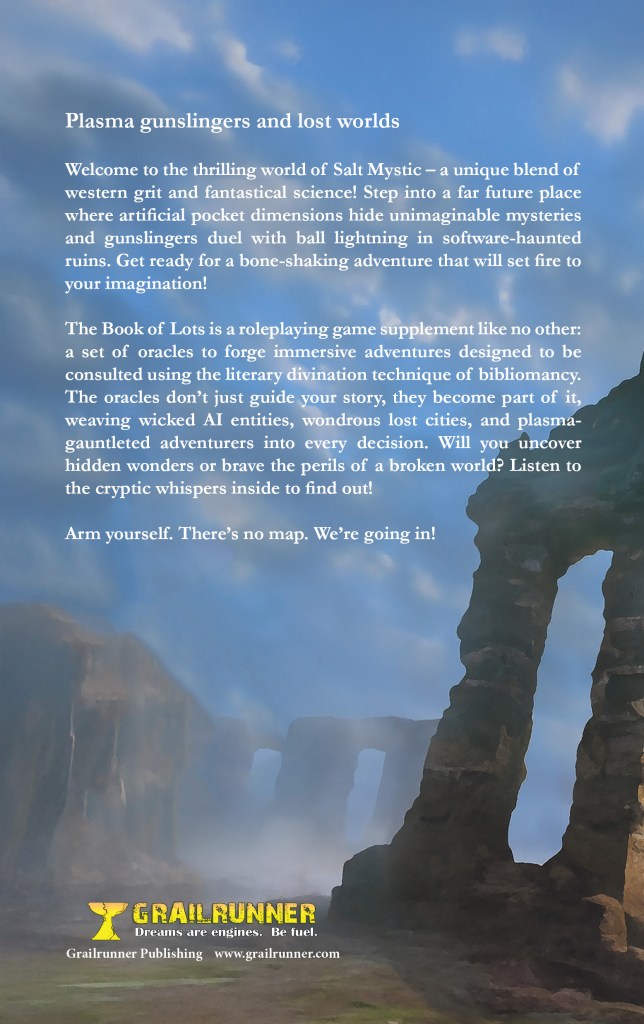
Here are the front and back:

What next?

Shoot me a comment here on this article if you’d like to know more or if you’re interested in a review copy.

Since we’re a teensie little indie publisher, it’s super hard to get attention and drum up interest in new products, especially if they’re very different or not related to dungeons. If you’re willing to post something for yourself linking to this announcement, it would be tremendously appreciated!

Every little kind word helps!

*

Anyway, that’s the big announcement. I hope you can feel some of the excitement here on our side. This has been an incredible and life-changing amount of work. It’s nice to start telling people about it.

Till next time,

Outtakes: A Way Forward For Writers That Can’t Let It Go

I’ve had a couple of weeks worth of a pause in a very hectic year so far and managed to dig back in to a novel in progress. This week, I had some mind-expanding epiphanies that set the whole novel on fire for me again: the exhilaration and thrill to see this story play out on paper burning with the same heat it did when they were all just ideas.

When they were all just ideas, that is, before words went to paper to ruin my dreams.

Thought I’d share that with you in case writer’s block or a blank canvas is staring back at you, or if the plot that made so much sense suddenly crumbled like burnt toast in your hands.

Mazewater: Master of Airships is a standalone story set in the Salt Mystic universe, existing at around 38k words of a planned 70-80k. The original notion was to introduce a new war marshal with the novel, which would lead the introduction of new playing cards in the Salt Mystic wargame for his faction. “Read the book, love the guy, go buy his cards.” Right?

But it grew to be a lot more than that. A whole world more!

Taking place in a wild, unruly city called the Jagganatheum, it’s the story of a sickly, asthmatic young dreamer from a doomed family and the abandoned sentient weapon he steals. When a wheezing, sickly giant is unleashed at the city’s heart, it reveals intrigues that carry him into adrenalin-fueled adventures in a shattered world and, ultimately, to the heights of legend.

Here, there are lore cards to learn more if you’re interested, all relating to elements that will appear in the novel:

Anyway, I pretty much stopped writing on this back in February. Yes, I was busy with my day job, but the plot I had in mind just kind of fell apart for me. It stopped making sense. I really got the impression back in the dead of winter that all the dazzling imagery I had in mind, those flashes of plot points that made the book worth writing for me, they were just getting strung together with a discount plot that would obviously stall and get contrived in places.

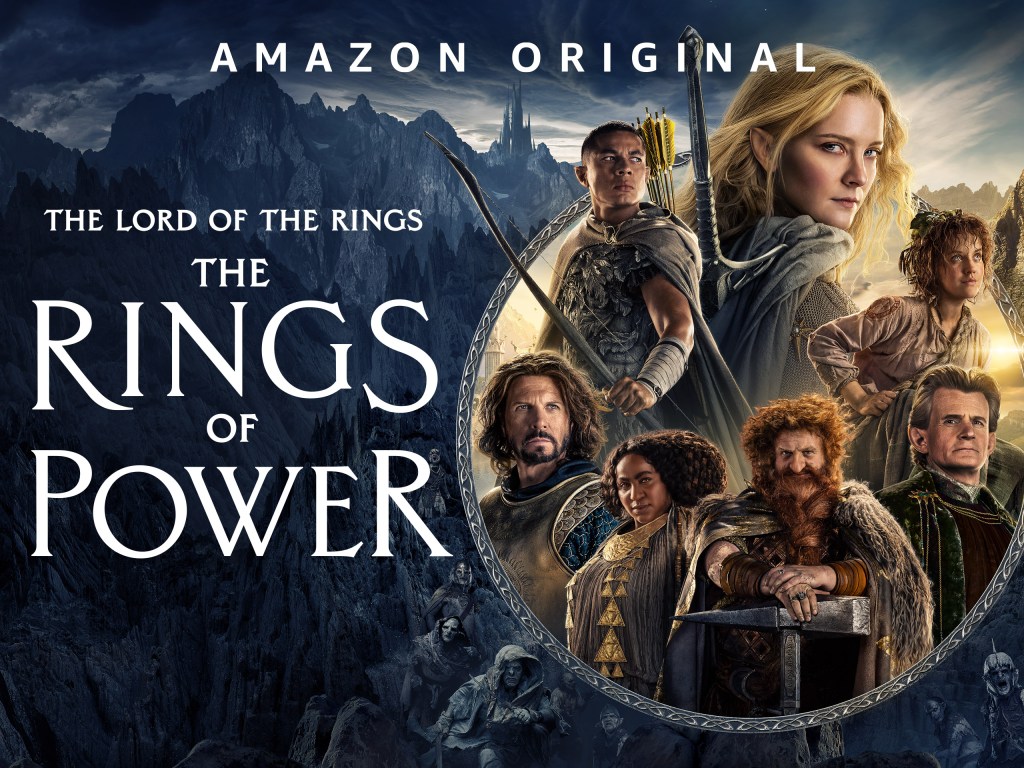
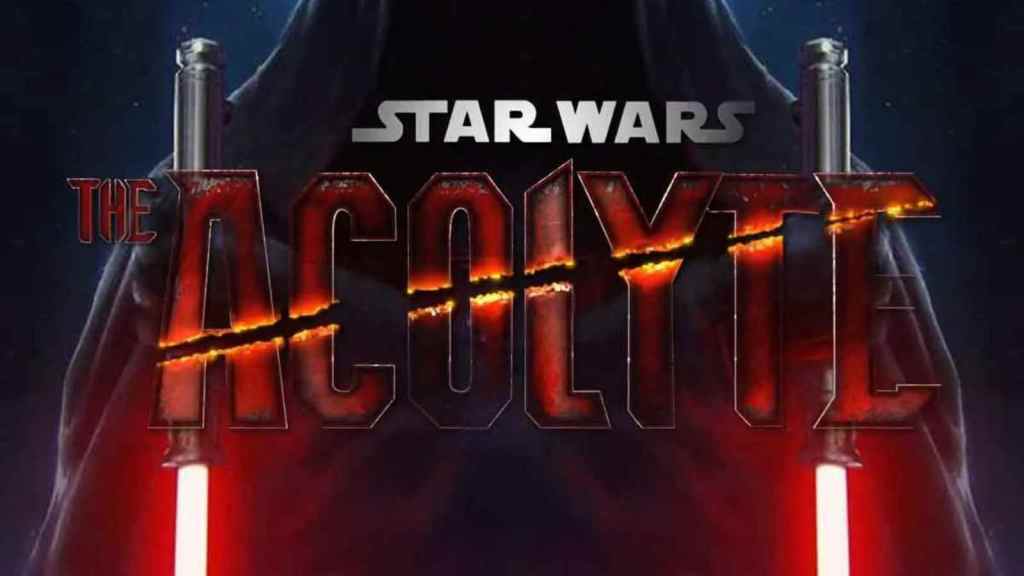
I’m the first guy to complain about poorly written soap opera nonsense like Star Wars: The Acolyte and Amazon’s Rings of Power. Juvenile and inept attempts at high school level drama frustrate me: having lead characters just go be heroes because that’s who they are, people being angry with each other just for the dialogue the writer wanted to include, or sizzle reels glued awkwardly together with coincidences or by having characters do things they just wouldn’t normally do but need to for the plot happen, for a few examples. I truly don’t want to be associated with anything that even smells like that.

No offense if you’re into either of these, but craftmanship in plotting is an aspiration of mine. These two mainstream offerings are stinkers in my opinion.

I read three things over the years that have been screaming at me recently (only one of which I can cite so I’ll paraphrase):

  1. “The only thing worth writing about is people.” – Harlan Ellison
  2. “Villains are interesting because they are often the driver of the plot – they DO things.” -unknown
  3. “Marvel’s Magneto (major villain in the X-Men comics and movies) has one of the most interesting motivations in all of comics.” -unknown, but it was a writer for Wizard Magazine

What I take from all that is:

  1. Stick to realistic motivations and interesting, fleshed-out people who all have their own agendas and desires (not just plot supporters who don’t exist when not in the chapter)
  2. Have protagonists DRIVE the plot (versus villains) by their actions, which have consequences
  3. Make the motivations of villains make sense and be understandable and relatable, almost justified

It’s these principles that set the wrecking ball to the ideas I was holding on to. I’ll give you a few examples of what I’m talking about:

1. A train trip through the wild, jumbled Jagganatheum

Right after I started writing the novel, I caught the flu – it was a nasty one with a fever that wouldn’t go away. One night I had one of the most vivid dreams I’ve ever had. I had been trying to envision what a city two thousand years old and comprised of a single enormous building strapped to a mountainside would look like from the inside (and getting nowhere).

Then the dream – I saw Mazewater’s entire day play out. I watched him get beaten up by a guy who posed as his bully so his mom would stop trying to toughen him up. I saw him in a complex series of barter exchanges and understood how the social networks functioned. I remember being in a subway-style train station with ancient broken marble statues and skylights, hissing through massive corridors like airport concourses. It was a genius picture and made the city make so much more sense for me.

I was enamored with those images for months before I came to realize the whole series of exchanges and even the trip across the city just burned the clock and didn’t move anything. They could be trimmed without cost to the plot, and that hurt tremendously to let them go.

But I had to. And I knew it. Finally.

2. Ilianore, the loose cannon brunette

Oh, I hated to let this one go! No fever dream this time, but still she showed up in my head fully formed such that I could almost hear her voice. She had jet black hair she kept in a pony tail and worked part time for a troll-looking lady chef right out of a Studio Ghibli movie. When the lead character (who had crushed on her since they were in school together) would accidentially get her fired, Ilianore would barge into his apartment in a storm of anger, light a match and drop it to the floor, and sit to demand of him what was he thinking while his carpet burned. Just to make her point.

I found myself cramming in a romantic subplot with awkward flirting, weird secrets she would bring to the story, and a terrible confrontation after you were made to like her where she would die to drive him forward.

All nonsense and didn’t fit at all. It just wasn’t the story the core ideas needed. By keeping her, it forced certain things to happen with her or risk distractions and clutter. Unfortunately, and I breaks my heart to say this, we will not meet Ilianore in this book. We’ll likely never meet her, and I miss her already.

3. An old conspiracy uncovered

I turned this one loose just this past week. Still hurts.

Again, almost fully formed, I saw Mazewater on a stylite pillar doing a vision quest, trying to commune with the sentient weapon he’d stolen for 3 days in the rain. I knew why the pillar was there and what that had to do with the founding of the city. I knew what the weapon would say when it finally spoke, and how that would unlock an old conspiracy that turned the whole story on its head. I could have told you what that had to do with the giant’s attack on the city, what was really going on, and what happened next. I mean, this part of the story was core to the whole remainder of the novel. I really….can’t stress this enough….really didn’t see even the NEED to let this go.

So I was taking a long walk in the woods this past Tuesday, pleased that I had rewritten the work done so far into a tighter, coherent narrative with dynamic characters and that, so far, this story matched what was needed. However, some things about the bigger picture still didn’t make sense for me and felt cluttered. I was really worried heading out on that walk, fearing things might crumble again as I thought them through looking for holes. My plan was to let this walk take as long as it took to iron things out.

At one point, almost audibly, I told myself nothing was sacred. Nothing at all. What would the story look like if I just stopped holding on to cool pictures or imagined moments and let the motivations and personalities decide the course? What was it, exactly, that made me want to write this thing at all?

It turned out, the old conspiracy didn’t add anything useful at all. The weapon needs to say something else entirely. Even the vision quest was just a sizzle-reel for me that I thought was interesting, to add flavor to the history of the city but was useless in the end.

Gone! All of it. I am fascinated with where this wound up though. It’s tight and hangs together like brickwork.

Anyway, what I wanted to offer you today is the wisdom of outtakes. I have entire an entire chapter of Ilianore that I’m keeping for my own files. I’ve got pages of notes about the old conspiracy and what I saw in that fever dream of the city, that will likely never see the light of day – but which I’ll keep.

I’m not going to delete or discard any of that, much like directors struggle to cut scenes from their movies to which they’d become attached. In their case, they might add them to Director’s Cut versions of the movie just to feel good about sharing them with the world. Whether scenes wind up in the world or not though, it was the cutting that made the difference. That’s what tightened the story and made it resonate enough with an audience that anyone would even want a Director’s Cut of it in the first place.

Turn them loose, then. Nothing is sacred. Move on, even if they’re gorgeous.

I had writer’s block for a reason, and it was because I was holding on to nonsense that felt like gold.

Let me know what you think about that. Till next time,
The Worst Art Advice I Ever Got

I lost over thirty years in my art journey because I (stupidly) took a wrong turn based on what should have been great advice. Let me tell you about that, how exactly I went off the rails, and what a ridiculously talented Korean artist said that got me back on the journey.

If you care about the process of visual creation, whether it’s you doing the creating or just a spectator’s interest in how all that works, then this one’s for you.

Why does this matter?

Crap, man, I’d like to be thirty years better in drawing and painting! I hate that I stepped away for that long. I’m the chief illustrator for Grailrunner, and its lead writer, and its game designer. I need to get a lot done myself to control costs, but somehow keep a high standard on quality of art to convey the unique (we think) property we’re trying to build with the Salt Mystic line.

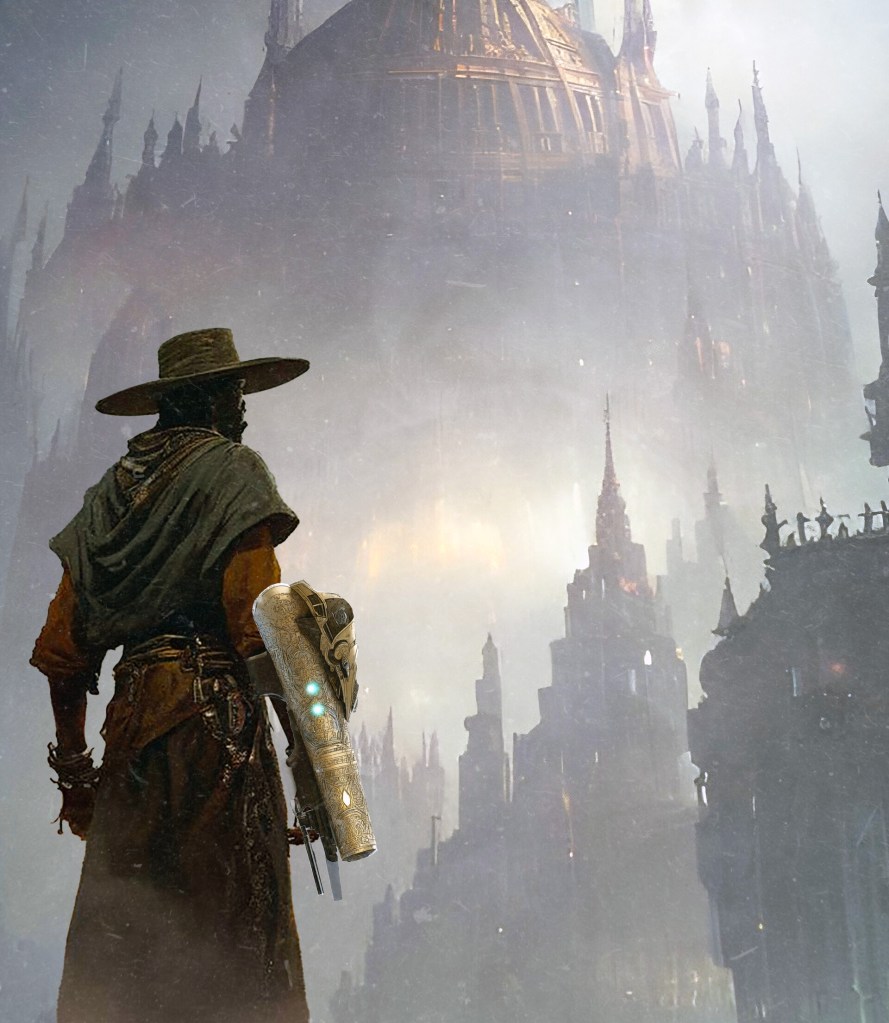
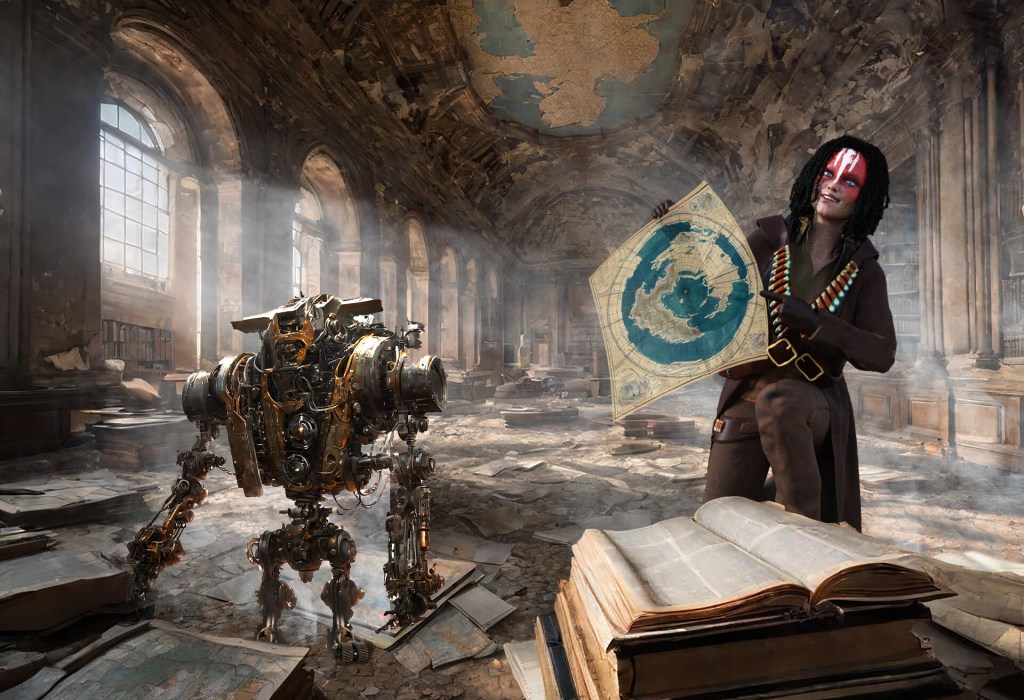
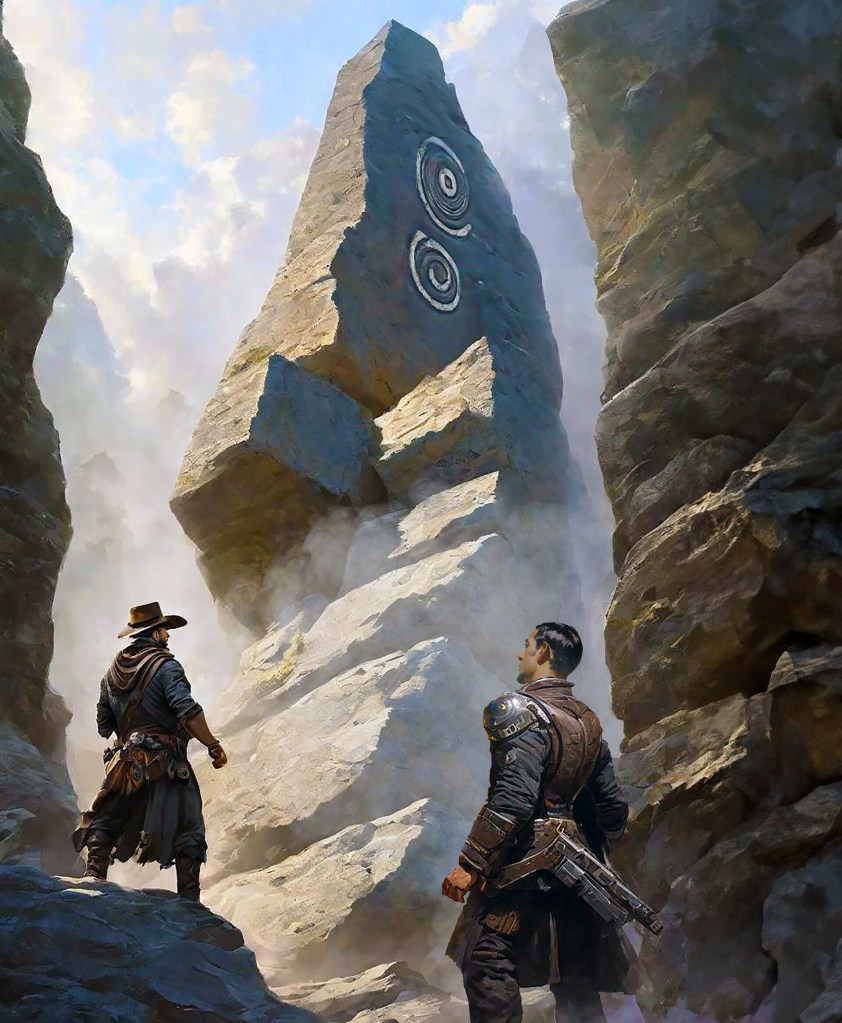
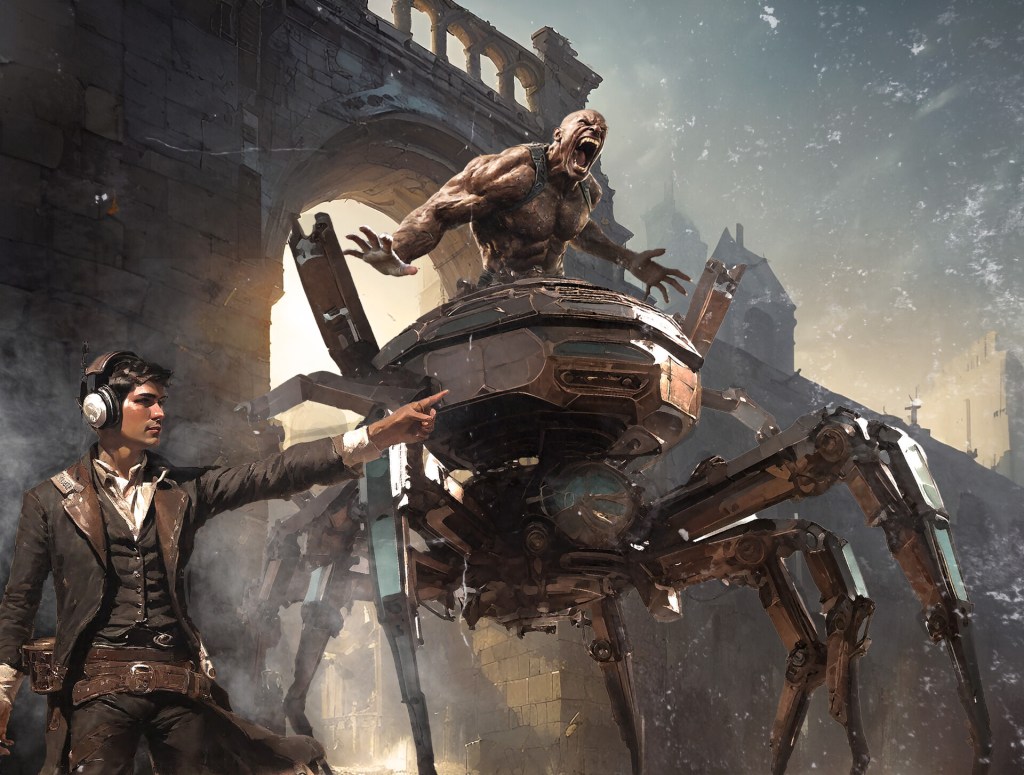
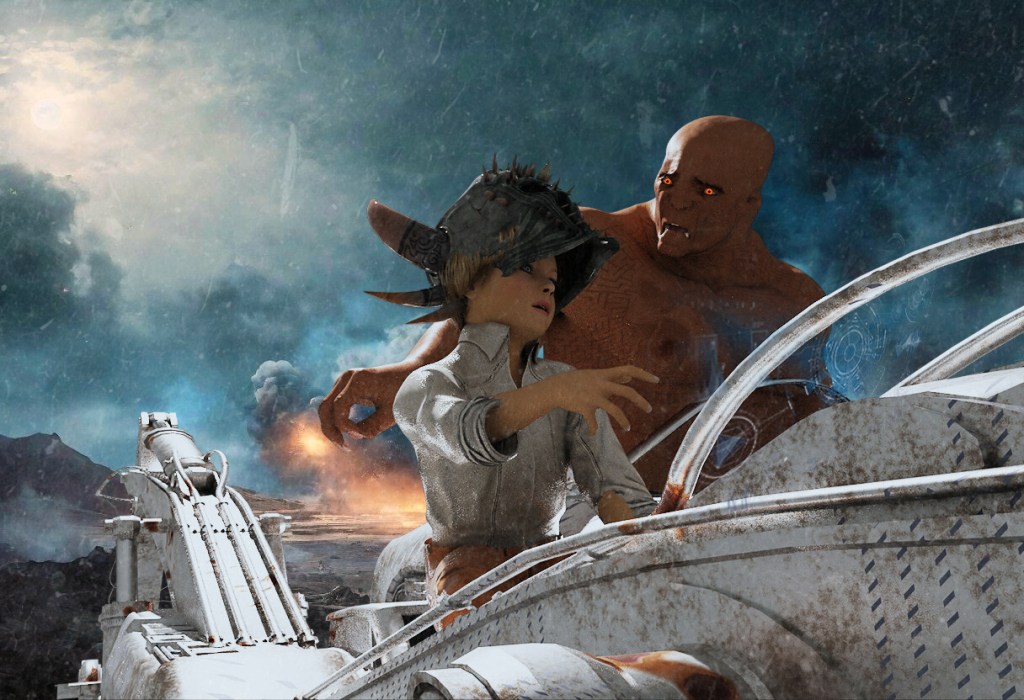
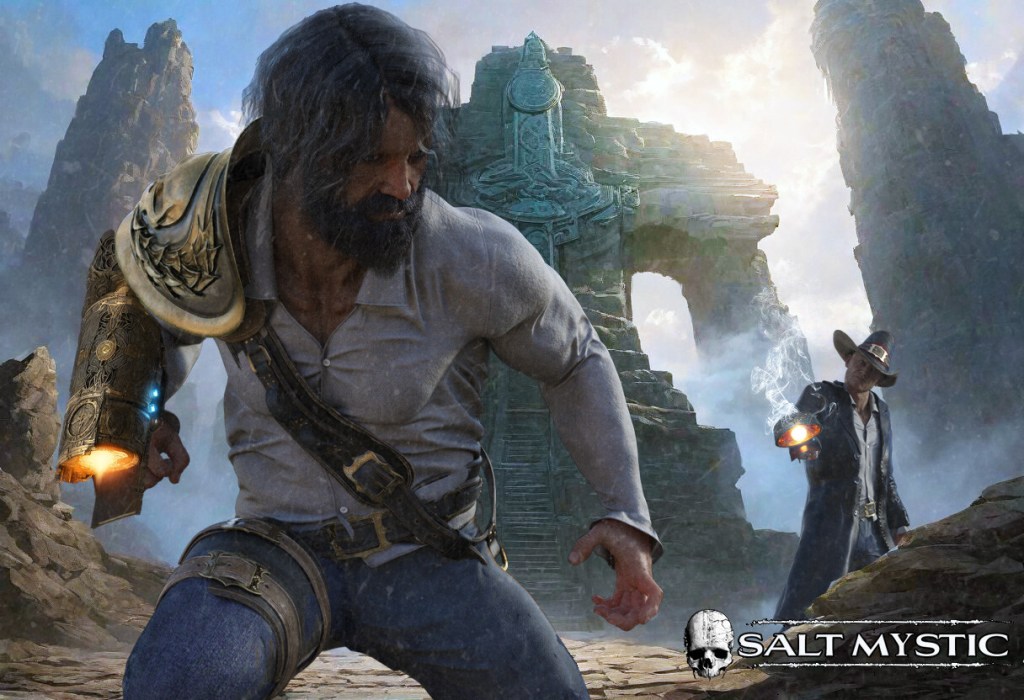
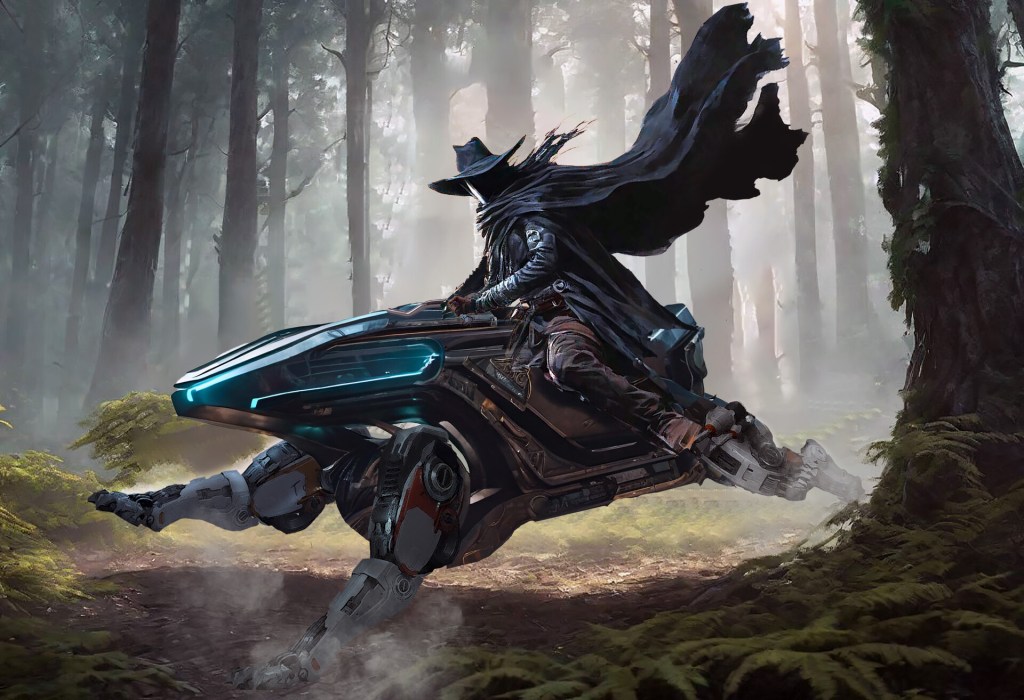
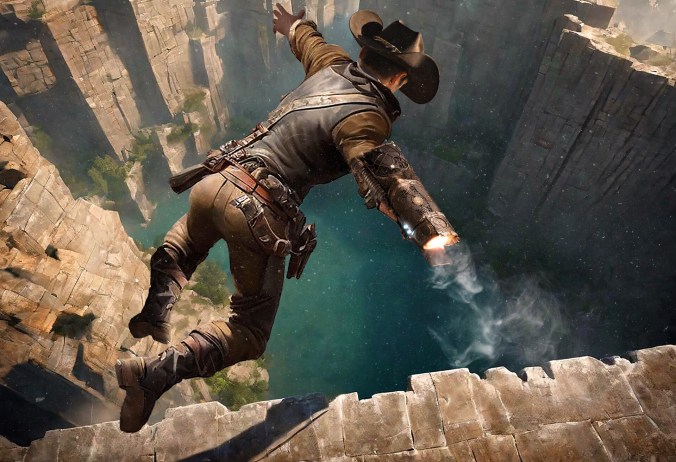
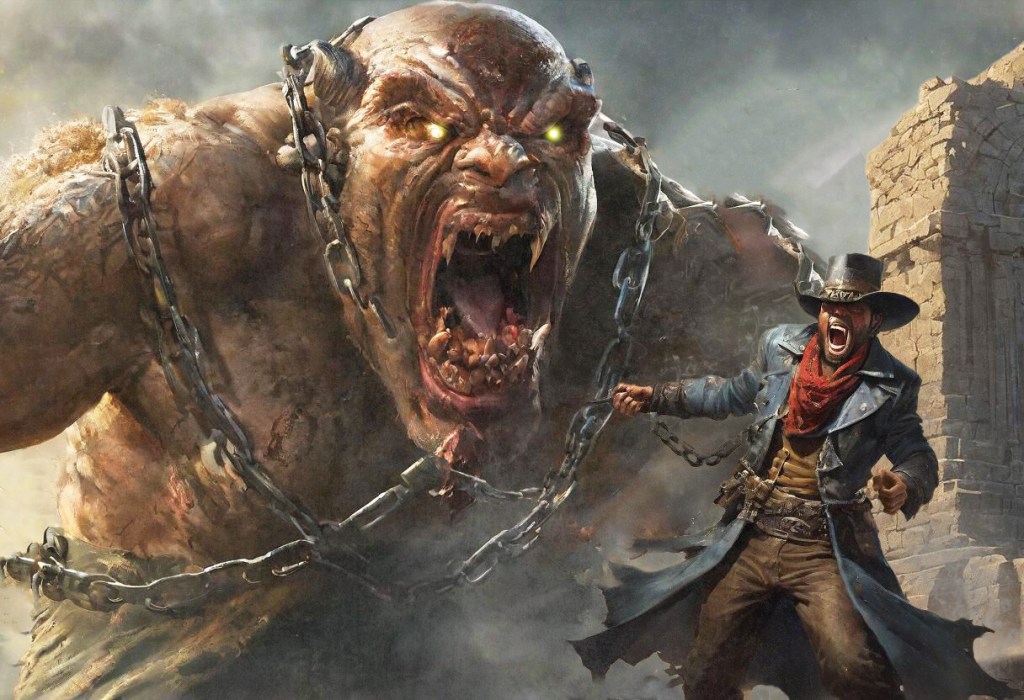
The images below represent the style of work I’m building these days, relying heavily on photobashing and concept art techniques (with folks like Imad Awan as my virtual gurus). The Grailrunner house design standard is semi-realistic digital painting with grungy overlay, western themed adventurers almost always carrying the signature weapon (a gauntlet-based plasma weapon that doubles as a shield in duels), exploring statue-riddled, software-haunted ruins with shimmering dimensional portals. We aim for vibrant or earthy colors, lots of smoke and grit, with implied stories (often illustrating flash fiction on Salt Mystic lore cards).

See the lot of them (and trace my hopefully improving style) at the Artstation account. Yes, I use AI-generated bits to composite exactly like I do with stock images but generally composite everything into something new and paint over them such that the transformation is meaningful and my own.

It gets the job done, at least I think. Still, I wish they were grittier. I wish they broke more new ground than they do. I envy the striking shapes and designs of a lot of concept art out there for cinema and gaming – the kind of images that stick with you even if you don’t know the context. Artstation is great for inspiration, but it can also crush your dreams if you compare yourself to anybody.

Mitchell Stuart, for example. Or Ricardo Lima. Or Raphael LaCoste. Or Greg Rutkowski. Or Ash Thorp. People like this are just on another level.

What’s prompted this reminiscence about bad art advice?

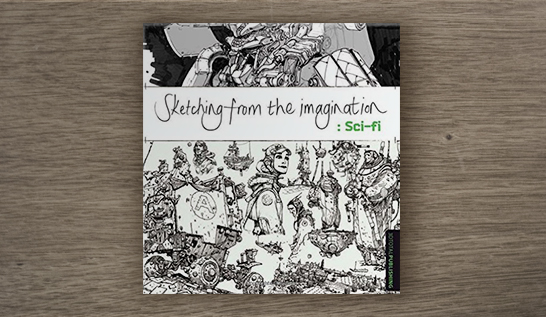
Well, I came across this book called Sketching From The Imagination: Sci Fi by 3DTotal Publishing. I wrote about it here. That was October, which seems like an eternity ago. I posed for myself the challenge of returning to traditional pencil and ink drawing in a sketchbook to push my imagination harder than ever before. The dream is to explore a blank page with loose shapes and vague ideas to summon phantoms into form and create groundbreaking designs and concepts. Then these wild new beasties and tech and colorful characters would then find homes in the fiction or game settings.

How’s that going?

Meh. I was so much rustier than I thought I was. I’ll share some pages here to embarrass myself and stay accountable to you for improving. We’ll get to that. But let’s talk about that advice.

When I was a kid, I filled scores of sketchbooks and countless backs of trashed dot-matrix printer paper my dad had brought home from work. Drawings of super heroes and sci fi vehicles and cities were my jam. Comic books were my main source of imagery, so everything I was drawing had bold outlines and underwhelming composition. The stories weren’t being told by the images in a self-explanatory way – I didn’t think about that sort of thing. I was alone a lot, so I didn’t share these with anybody, nor did I get any feedback.

Flash forward to one day in art class, Middle School I guess, the teacher strolled by to see whatever I was working on and stopped to say something about my approach that resonated with me. He pointed at the paper and said something profound:

“Real world things don’t have outlines. Draw what you see.”

It shook me. Hadn’t thought about that. Good point. So I gave it everything I had to incorporate his advice into how I drew. Back home, hovering the pencil over the paper, for the life of me I couldn’t figure out where or how to make a mark to start the drawing if you couldn’t outline it.

For this post, I looked through some old crates to find a particular drawing that would be humiliating to show but really staked the ground for when I began to turn away from drawing entirely. The picture in my head was a Dungeons & Dragons-style adventure party with a lady wizard, a swordsman, and an elf planning their next move on a morning beach with foamy, ripply water lapping at their feet. Maybe a dying campfire in the foreground with smoke rising in front of them. I couldn’t find it, unfortunately.

Anyway, it was horrid. Everything on the page was so light, you couldn’t even make it out. I was petrified to start drawing outlines again, and I couldn’t see how to force shadows and contrast to draw out the shapes. It threw my perspective. It threw my focus on their faces. It ruined everything. It was the last sketchbook I really did anything with until decades later, at least in any serious way.

Sounds bad. What’s different now then?

I get it now. Youtube changes everything, doesn’t it? Contrasting light and dark, the subtle use of textures, faking details, focusing and directing the viewer’s eyes across the image, and strategic use of busy and rest areas…I never went to art school. That all may be common sense to you, but it’s a glorious rainmaker for me to see all that in action artist after artist, listening to these marvelous and generous people draw magnificent things and explain their thought process as they go. Great time to be alive, isn’t it?

I travel a lot, so I keep an art pack and sketchbook. Pigma FB, MB, and BB brush pens, Staedtler pigment liners, a mechanical pencil, and some Graphix watercolor felt pens. Since October, I’ve put the practice time in almost every night at least for a half hour. It wasn’t a pleasant return.

The dream is to draw from imagination though: new things. What I’ve learned from artist after artist in their podcasts, Youtube or ImagineFX interviews is that drawing from reference is far more common. A lot of the guys you see on video drawing or painting have their reference images off screen.

Reference images! That wasn’t why I got into this gig. If I wanted a copy of an image, I’d take a picture. It was disheartening to me to hear professionals talk about light table tracing for their outlines…to see fantasy illustrators mash up references to form fantasy beasts – all of it copying what they saw. That was my problem back in the first place, right?

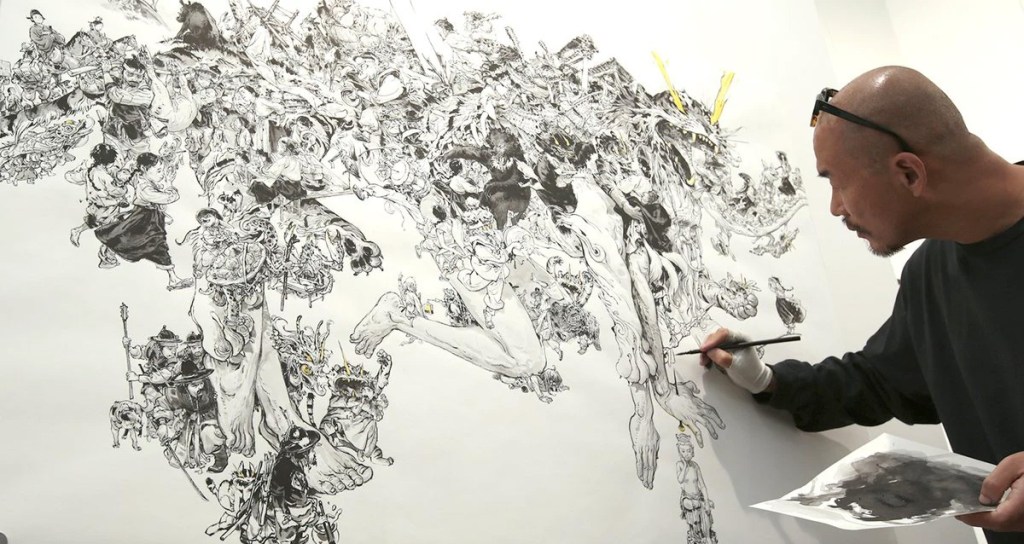
Then I came across this genius: Kim Jung Gi. Rest in peace.

Please google him if this flame of wonder is unfamilar to you. He drew from his imagination like a magical fountain spews sparkly fairies. He just walked up to paper and went nuts, drawing fish-eyed perspective, highly intricate intertwined figures, scores of objects and novel, distinct, and interesting characters at a high rate of speed and without slowing. How’d he do that?

That guy didn’t have any reference images. That’s what I wanted. I had to go deep to understand what he did right that I was doing wrong that could unlock this magic. Exploration on the blank page…finding ideas haphazardly that were uniquely my own…I wanted to bottle this magic for myself. How in the world did he get to the point he could do it so wonderfully. Then I heard him say it (through a translator):

“Don’t draw what you see. Draw what you HAVE seen.”

His point was you have to do the reference images and understand forms and shapes in three dimensional space before you can do what he did. He explained the lifetime of sitting in public places filling thousands of pages drawing what he saw and forcing himself to draw it from another angle. That was the key – he drew what he saw with a lifetime of practice, but still practiced summoning those images from his memory to try them from different angles.

He drew what he HAD seen. It was a big realization for me, this idea of examining the reference image – not just to get better at copying it, but to run your mind’s eye all over it in three dimensions to understand it better and to file that away to fuel your imagination.

Now THAT’s what artists actually do. They don’t copy. They understand.

I wish that guy was still alive. He was amazing.

Agreed. Now how about sharing your progress?

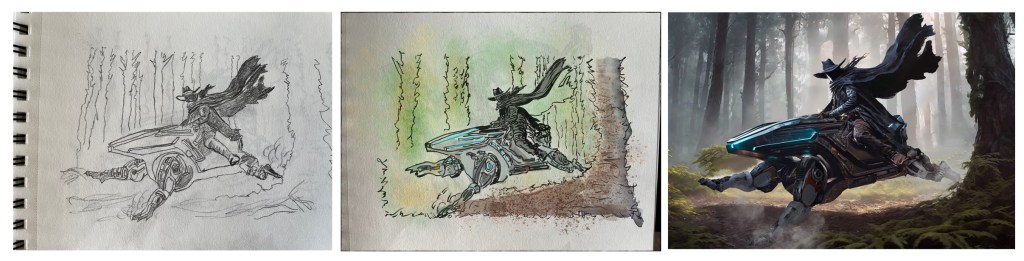
Ugh. Here you go. Don’t be judgey. Wish me luck that things improve. Go ahead. Click the book.

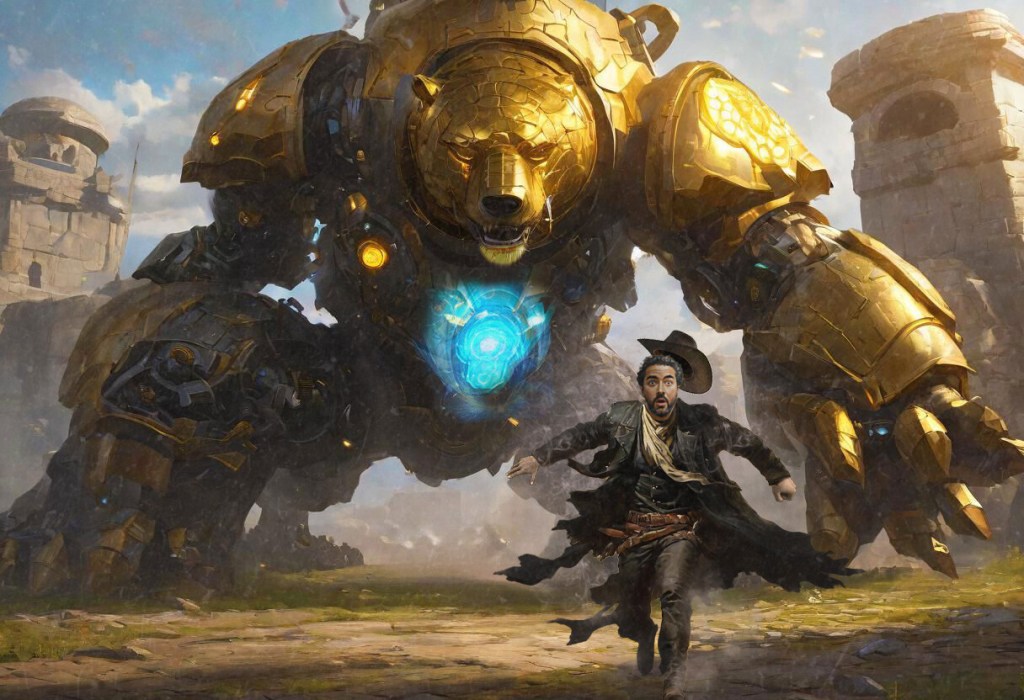
Ouch. I hope you don’t lose all trust in me, should you have had any. Photobashing is an entirely different beast than battling blank pages with a mechanical pencil. I’ll keep at it. The beast-shaped robotic vehicle in the header image was a minor victory in this experiment: called a “sporecutter”, it’s the first concept that’s come from the new approach that might actually make it to the fiction. Page 15 in the sketchbook file here is the front runner for the design of an important vehicle in the Mazewater: Master of Airships novel I’m working on. That’s another possible win.

That’s what I wanted to talk to you about today. I hope it was enlightening or helpful, should this be a journey you find compelling for yourself. Otherwise, I hope I still brightened your day a bit and made you think.

Till next time,
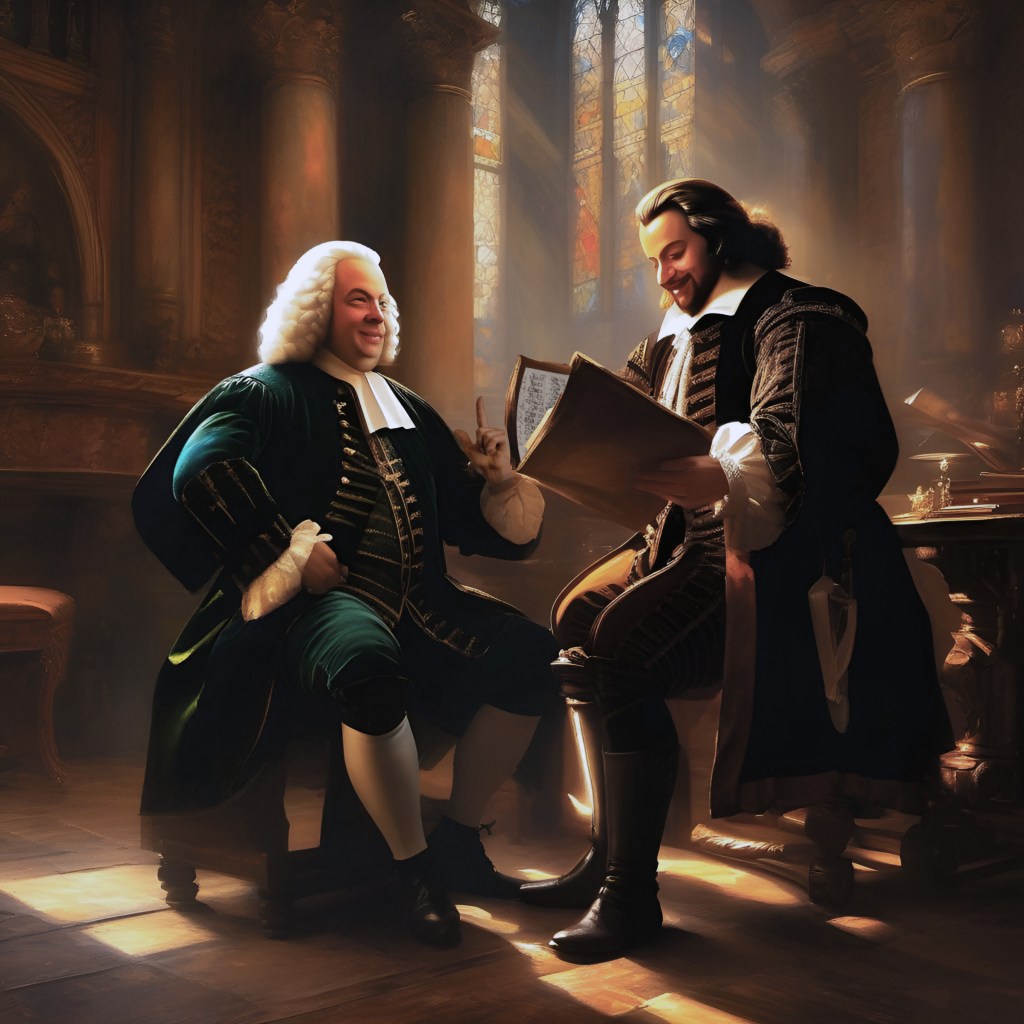
Aesthetic Puzzles: When Bach Met Shakespeare

Bach never met Shakespeare. Sorry about the clickbait title. Stick around though, because as always with this site we’re probing the creative process and what inspires it. In the past few weeks I’ve personally been going down a deep well with Johann Sebastian Bach, father of western music, and how his mind worked. I’m finding useful lessons there that I thought you might find helpful if you’re a creator yourself. Special focus here is on writing, hence the Shakespeare reference.

And you don’t have to know a thing in the world about music.

Join me?

(There are loads of Youtube videos about what makes Bach great, but two excellent books from which I’ve drawn heavily here are Bach: Music in the Castle of Heaven by John Eliot Gardiner and Why Bach? An Audiovisual Presentation by Daniel Brown.)

Bach composed music primarily for Sunday church services and often wrote the music for existing hymns or verses written by someone else. It was an aesthetic puzzle for him to solve, and sometimes a difficult one. Certain notes clash with one another and can sound harsh. We (somehow) almost universally feel kind of sad with certain notes and sequences and kind of happy with others. We (again, somehow) expect certain notes to show up after others or else it feels weird and lacking closure. For whatever reason, western ears generally agree on quite a bit about how musical notes should string together into music. Strange, but true.

Bach knew his craft well, understood these basic principles and expectations, and steered his listeners like a sailing ship by leveraging them in his works. He didn’t settle for just solving these aesthetic puzzles but broke every rule and went to places with his imagination that suited his own dazzling, soaring intellect in the process. That helped lay the foundations for western music as we know it today.

I noticed the more I read about Bach’s compositional tactics that those who were analyzing the music would very often say things along the lines of “you expect this, but he does that”. Once you get your head around these fundamental expectations I’m talking about above, it gets a bit clearer what Bach was doing, and what it can mean for a writer or creator in different fields than his.

Here’s an example: Jesu, Joy of Man’s Desiring. This (in my opinion) is one of the most beautiful pieces of music ever written. Bach fit this masterpiece on top of some stanzas written over 60 years earlier by a minister and musician named Martin Janus in 1661. It opens with Bach’s melody, followed by the first phrase of Janus’ chorale, then shortly thereafter the 2nd phrases of both works coincide flawlessly. The freedom with which he went gonzo with his own melody yet managed to fit without seams over the hymn is my point.

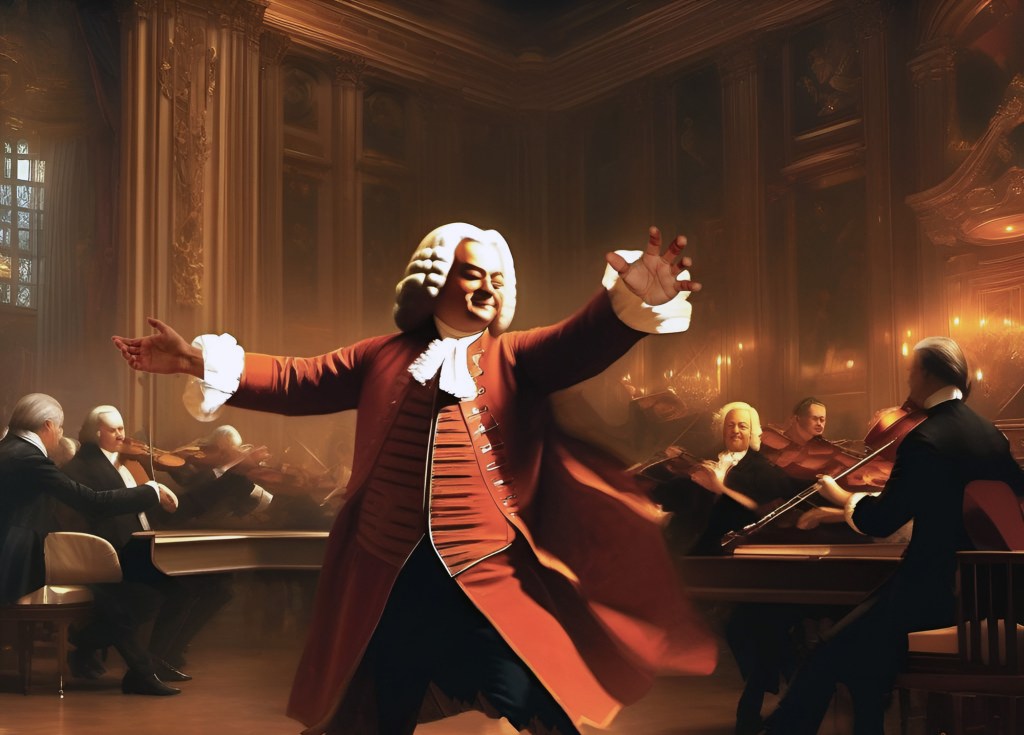
Bach was dancing.

Another example is particularly moving and gets to the heart of the spirituality and emotions that moved him when he was composing.

Sleepers Awake, a Voice Is Calling: An obscure 16th century pastor named Philipp Nicolai had just taken the job in the town of Unna when plague struck and killed half its people. His parsonage overlooked the cemetery. Suffering deeply, yet wishing to record his meditations to encourage the survivors, Nicolai wrote a collection he called “Mirror of Joy” which emphasized shining your own light in expectation of great things, not terrible ones. Bach built his own work on top of Nicolai’s hymn in a masterclass of weaving musical compositions.

In his piece, Bach presents his new melody entirely, then repeats the first three phrases (with 2nd and 3rd swapped) but with Nicolai’s melody in the choral part underneath. Again, separately they sound nothing alike, yet together they are flawless. At one point, Bach’s melody repeats its first phrase over Nicolai’s phrase that does not.

Did you catch that?

Bach wrote something that can repeat its melody and match perfectly in two different places on another melody. In this perfect weave, he was also weaving Nicolai’s times and his own – for Bach’s audience too was being encouraged to shine their own lights into a world that needed hope.

Last example, and another gorgeous one:

Air from the 2nd movement of Bach’s Orchestral Suite No. 3 in D Major. Click the link and listen to the incredibly talented Evangelina Mascardi (who has said she spent up to 6 months at a time learning Bach’s songs). You can stop after the first half when she pauses and moves on to ‘Gavotte’ to see my point here.

Listen closely for the melody – you’ll catch it right away. It’s really beautiful and poignant. People tend to describe this as, not sad…not happy…but something rather that reminds them of happy times, good memories, good friends. Keep listening though. You want him to repeat it. He doesn’t, not exactly. He adds all manner of embellishments and hesitations and dances around the melody he knows you want to hear again.

He gives you what you want, but embroiders it.

So what’s all this got to do with writing?

Recently, I came across a thorough article describing 49 effects possible in literature. At the time I first read it, I was just starting to examine Bach’s approach to composition and his freedom to innovate with tuning, different instruments, and other elements. I was seeing him play with his listener’s expectations, creating tension and dissonance and delaying resolution till it suited his dramatic purposes.

And I was seeing the same possibilities in this list of literary effects, such as pathos, irony, comedy, and others. Readers most certainly have common expectations and tropes, which can be similarly placed in opposition to each other. Bach mastered the elements of his craft and innovated wildly, though always staying in close view of what he knew were his listener’s expectations of resolution.

Maybe some principles apply here:

  1. Consider your characters and their dynamics. Anticipate the readers’ expectations and play with that. Don’t shortcut and focus on “subverting”, which is obnoxious and unpleasant.
  2. Innovate, but stay in view of the compelling engine driving the story…the central character dynamics. Don’t mess that up in your desire to make the plot happen.
  3. Break the attention barrier with something energetic and wild. Bach’s church audience was rude, reading papers, talking loudly, ogling women, endlessly walking in late and leaving early. He demanded their attention with his craft. We should do the same.
  4. Know the elements of your own craft. Be a professional – no obvious mistakes with grammar or plot holes, terrible dialogue or vague character motivations. It breaks the magic.
  5. Feel it. Bach felt it in his soul. He was talking to God. If we’re going to try and make something new for the world, at least we could try and feel it as we do so.

Anyway, I hoped you enjoyed a layman’s take on Bach. Impressive genius, even if you don’t really understand all the nuances of what he was doing.

Till next time,
An 11th Century Philosophers’ Game For Meditating On The Universe

Back in 2017, I wrote an article about Herman Hesse’s fascinating Glass Bead Game. The idea of two people at a table moving shiny glass beads around on a complex game board filled with mysterious glyphs, pondering incredible connections between disparate concepts still intrigues me terribly. I imagine a near-impossible breadth of knowledge needed to master this imaginary game, and its best players discovering hidden patterns behind reality and history as they ply their ingenious strategies.

Awesome.

Still, that’s fake. No such thing. Not really. But I wanted to bring something to your attention that has been around since the 11th century and that you can still buy on Etsy or whatever that isn’t fake at all. And if you squint real hard and just go with it, you’ll see something equally fascinating: an engine to tune your mind to the workings of the cosmos (sort of).

Anyway, I’m going deep right now into Medieval cosmology. Don’t ask. I don’t always pick these intellectual bunny trails; sometimes they pick me. Has to do with D&D’s Spelljammer, the Troika roleplaying game, and something I’m going to write up here in the future on Grailrunner. Will be great; I promise. Still cooking.

But this though:

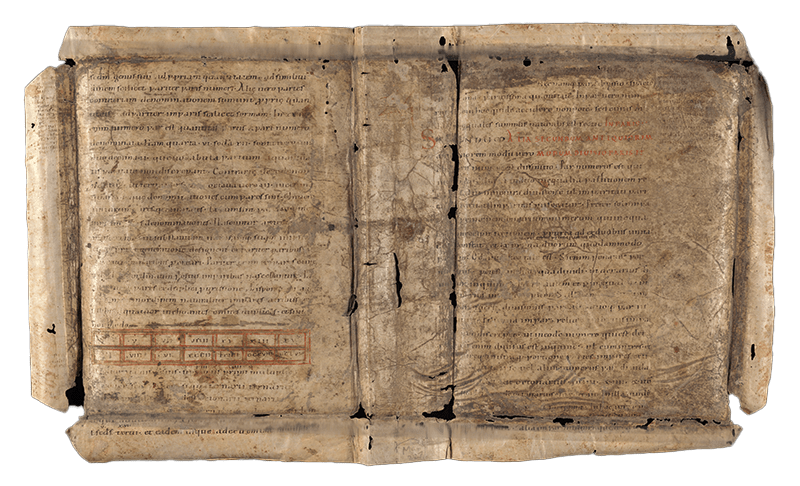
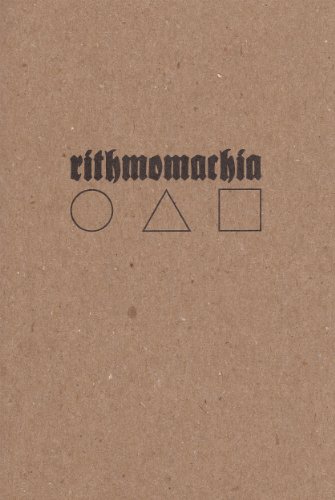
That’s a vellum manuscript dating back to 1000AD, a copy of a work titled De Arithmetica by a philosopher named Anicius Boethius who actually wrote the work in the 6th century. He’s more famous for a conversation with philosophy in woman form called “On The Consolation Of Philosophy”, which is a bit of a mood piece about the fickle nature of fate and how you should deal with that. Not my topic today. Let’s talk about that book in the picture.

“Wait a second. You’re a blog about nerd stuff and science fiction. Why are you on about this right now?”

I hear you. Hold on to that. We bring you inspiration, and wonderful little nuggets that you can file away for your own creations. Edison said “All you need to invent is an imagination and a pile of junk.” And so we proceed…

“So what’s the big deal about Boethius?”

Boethius is important because he served as a bridge between ancient philosophy and the Middle Ages. He didn’t just translate Aristotle, but also commented on the works and added newer insights. He brought ideas from Neoplatonists like Porphyry into wider recognition and helped people make sense of them. In De Arithmetica, he translated De institutione arithmetica libri duo by Nichomachus of Gerasa, who was writing around 100 AD. You see what I mean about this guy being an important bridge of older thinkers, yes?

Philosophy is about pondering things, seeing the beautiful and intricate architecture behind things in flashes of insights and through establishing connections where others can’t see them. Boethius saw the foundation of philosophy as a bedrock he called “the quadrivium”, consisting of arithmetic, geometry, music, and astronomy. Fundamentally and at their innermost core, he might tell you, these four things merge.

“I thought we were talking about a game?”

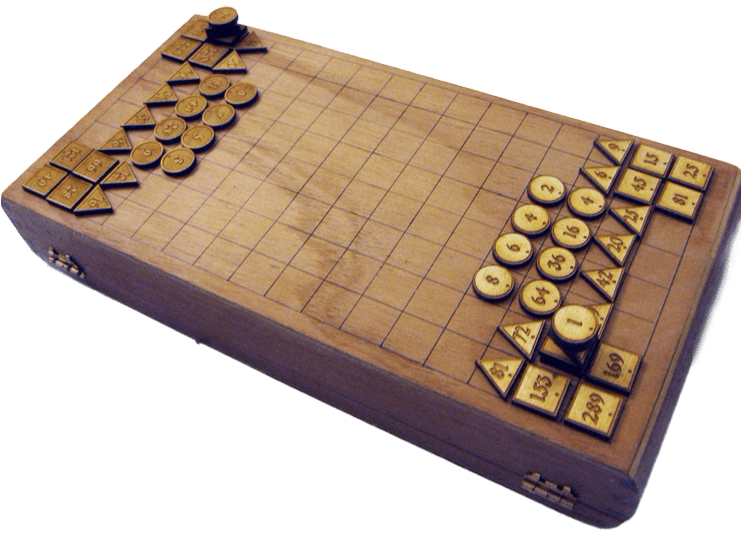
Yes, we are. Here’s a wikipedia article about Rithmomachia, also called The Philosophers’ Game or The War Of The Numbers. The game is based on the study of numerical proportions and harmonies that Boethius studied and wrote about, much of which you could find perusing through that book up there. In fact, historian David Sepkowski said of Rithmomachia that between the twelfth and sixteenth centuries,

“Rithmomachia served as a practical exemplar for teaching the contemplative values of Boethian mathematical philosophy, which emphasized the natural harmony and perfection of number and proportion, that it was used both as a mnemonic drill for the study of Boethian number theory and, more importantly, as a vehicle for moral education, by reminding players of the mathematical harmony of creation”.

“What?”

Here, check this out to see what he’s talking talking about, then I’ll tell you what it’s like playing this game:

  • Arithmetical proportions: Say I give you the numbers 3 and 15. You can find the missing number between them that would form an arithmetical proportion by summing the first and last numbers of the sequence (3 and 15 for a sum of 18), then dividing by 2. So in this example: 3, 9, 15.
  • Geometrical proportions: Say instead I give you the numbers 2 and 72. You can find the missing number between these that would form a geometrical proportion by multiplying the first and last numbers of the sequence (2 x 72 = 144) then finding the square root of that. So in this example: 2, 12, 72.
  • Harmonic proportions: Say now, finally, I give you the numbers 12 and 20. You can find the missing number between these that would form the harmonic proportion by multiplying the first and last numbers of the sequence and also by 2 (12 x 20 x 2= 480) then dividing that by the sum of the same two numbers I gave you (12 + 20 = 32). So in this example, 480 / 32 = 15 and the sequence is 12, 15, 20.

To the minds of the Greeks, all the way up for centuries after Boethius wrote about this, number sequences like this have a magic to them, because they’re tuned to reality itself. Nature and the cosmos, the very music in the air, the movement of the moon and the stars, all tied in to these perfect, intellectually satisfying numerical relationships. Measure anything in the stars or on the water or in the music from a harp and you’ll find these sequences, they would tell you.

Make fun of that if you want, or look down on it as caveman thinking, but I felt the same kind of magic in school when I studied this little wonder:

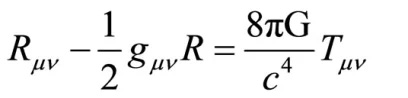
That’s Einstein’s field equations, tying together everything that ever was. It’s one of the most verified things in Physics. Explains how the world goes round, why things fall, and the future of the universe. Gorgeous. Absolutely gorgeous. That’s the way the monks felt playing Rithmomachia, clashing their little game pieces together looking for ways to feel these proportions. Not to just learn them.

To feel them.

If you’re at all interested in learning more about this wonderful game, seeing its rules clearly delineated for you, and seeing some nice illustrations of game play maneuvers, then head to Amazon and read Rithmomachia by Seth Nemec.

He does an amazing job walking you through why the number sequences mattered to those to whom this game was more than a pastime and a learning mechanism, but rather a way of worshipping and meditating on the very fabric of the cosmos. If you have Kindle Unlimited, it’s free.

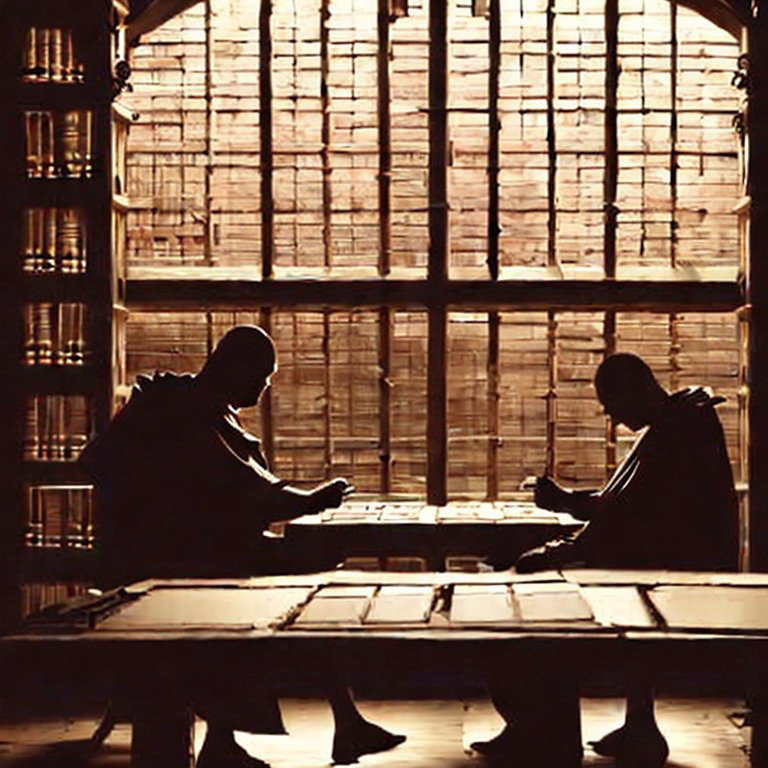
I’ve read it four times myself over the years just because he makes the game seem like an awful lot of fun, and somehow important. It makes me want to hop in the minds of those monks and feel the way they felt playing it, and to see that crazy board and its pieces on a big old oak table read to go.

In fact, it was the idea of a philosophers’ game with real-world implications that inspired a story collected in Kyot: The Storybook Puzzle Box. That one’s called The Berserker’s Game, and a far bit darker than Rithmomachia. Read it here if you like.

Overview of Rithmomachia

Quick summary of the game though, so I can tell you whether I beat my son on Christmas Eve or not (and some insights we had playing it):

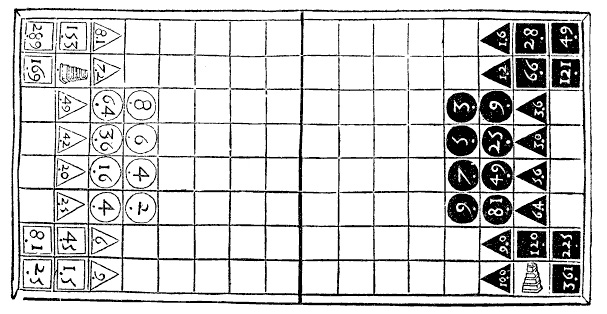
Game pieces: Game pieces are either circles, triangles, or squares, all with numbers on them. The two game piece sets aren’t the same, nor are they symmetrical, though the White player’s pieces are based on even numbers and Black’s pieces on odd numbers. The numbers themselves, their placement in the starting setup, and the movement rulesets are all based on Boethius’s proportions. Precisely defined stacks, one stack per opponent and called ‘pyramids’ are provided for as well.

The board: The board is an 8 x 16 squares grid, basically two chess boards set end to end.

Moves: Everything can move orthogonally or diagonally, but circles move 1 space at a time, triangles 2 spaces at a time, and squares move three spaces at a time. Piece moves can’t come up short – you move exactly 1, 2, or 3 spaces when you move. Pyramids may move in the manner corresponding to their component parts, as long as the requisite shape is represented somewhere in the pyramid (meaning it can’t move a single space any longer if it’s lost all its circles, for example).

*

Attacks: Four basic attacks exist (but the attacking piece does NOT move into their victim’s space as it does in chess or checkers, you just call it and take the piece):

1. Siege is surrounding a target piece on four sides, either orthogonally or diagonally (board edge counts). Surround them and call it, taking the piece.

2. Encounter is when an attacking piece COULD legally move into the space where an opponent’s piece (of equal numerical value) is located. Just call it and take the piece.

3. Eruption is when you multiply the attacking piece’s number by the spaces between it and the target piece to obtain the target’s number. Say your 8 is 2 spaces from your opponent’s 16 (which in this game means side by side because the squares they’re on count in this calculation). Since 8 x 2 = 16, and that’s the target’s number, you call it and take the piece. Division okay too.

4. Deceit is when you surround a target pieces on 2 sides, and the two attacking pieces sum to the target piece’s number.

*

Victory conditions: A number of victory conditions are provided across two categories – those defined based on pieces captured and those defined based on numerical progressions formed with remaining pieces on the board. Simplest possible is Victory Of Goods, meaning pick an overall score (say 100) and the first player to capture pieces summing to that number wins.

“So you’ve played this? What’s that like?”

I built a Rithmomachia board based on Nemec’s book a few years ago when I first encountered the game, just to see how the rules played out, and what differences I experienced in game play between the opposing sides, given the asymmetry of their assigned numbers. It’s been in my closet a while now though. My son is in college, majoring in computer science and math, and I knew he’d be into this when he was back home for Christmas (2022 as I write this). It’s right down his alley now, and he’s devious and sly enough to uncover slick strategies in any new game.

And he’s not afraid to get mean when necessary.

Some interesting insights based on our game play:

  • Eruption is awesome. It’s just awesome. It was our signature move, because of the level of aggression and devastation you can wreak with it. Planning Eruption attacks feels like planning moves for Bishops, Rooks, and the Queen in chess, only slightly more difficult due to running all the permutations through your head.
  • I see now why the checkerboard needs to be as long as it is – Eruption needs spaces on the board to provide for more multiples and make the math behind the attack useful in going after larger numbers. If you’re only multiplying by 1 or 2 each time, that isn’t much to work with.
  • The rules allow you to take multiple pieces in one attack as long as conditions are met for the respective pieces, so we really focused on trying to make that happen. It felt a lot like chess in that respect, with long turns of staring at the board. (We had very little luck in this though.)
  • The fact that you don’t move the attacking piece into the captured piece’s position flavors the entire game very, very differently to chess or checkers. It’s much more cerebral, constantly checking different combinations and possibilities mentally. Since you can’t move and attack in the same turn, this forces you to spend some turns moving just to change up the board configuration.
  • We stuck to very basic attacks and lower numbers. Yet there are numbers on the board like 289 and 361. You’re dividing a lot, trying to seize one of these big pieces, but you can see pretty quickly that won’t be easy at all to just go for the one big kill shot, due to their placement in the startup configuration. We really should have moved more pieces versus the constant attacks, to change up the dynamics of the board

And the single biggest observation that became apparent within the first few moves was surprising to me. I hadn’t expected a game designed by monks for monks, engineered at its core for instruction and meditation on the harmony of the cosmos would be a poker face game of deceit.

“What do you mean?”

So many of the attacks work both ways. Since you can’t move and attack in the same turn, when you move into position for your planned attack, in many cases, the other guy can do it to you instead. That was especially true for us because of our fascination with the Eruption attack. It meant you had to keep a straight face, look elsewhere on the board, even say deceitful things to distract your opponent from what you’re scheming.

Our game deteriorated quickly into a broadsides shootout between our two pyramids and with a few surrounding pieces, blasting away with Eruption attacks since we kept getting confused about what was concealed in the stacks. It was a way of trying to surprise the other guy.

I just hadn’t expected a monk’s game to require so much deception and stealth. Crazy.

“Well, who won?”

I got a lucky strike in, which sent me over the goal for a win. Honestly, it’s just a lot to keep in your head with many, many possible sneak attacks. You start to feel a little paranoid about that.

But overall, I did start to get a feeling for the numerical patterns, the weight of the larger numbers, the reasoning behind their placement and the logic of the startup configuration. It’s a fascinating game, and easy to see why people who felt these patterns were the language of God would see wonder in the board and its pieces.

Anyway, that’s what I wanted to tell you about this week. Great game, and Nemec’s book is worth a read.

What do you think?

Till next time,
Guys, Exciting Announcement….The Salt Mystic Lore Cards Are Here!!

This is huge for us, so I hope you’re feeling it after reading this. Give me just a couple of minutes here, and then let us know what you think.

What’s this announcement about?

Our signature IP here at Grailrunner Publishing is a science fiction universe called Salt Mystic, comprised of books, games, and branded merchandise. The spin we’re offering here is to innovate, to do something new not tied to or ripping off the big franchises like Star Wars or Warhammer 40K. In fact, that’s kind of the whole point of Grailrunner (check out who we are), blazing new trails…

Well what’s Salt Mystic about?

Imagine roving gunslingers adventuring in artificial pockets of space, remnants of a world-spanning civilization now shattered and warring with fantastic weaponry and vehicles, and legends of a fable cunningly engineered to possess the right person at the right time…

Anyway, go here and read more about that.

So what’s the announcement?

The first novel came out in 2015, the wargame in 2021. Along that journey, we’ve been looking for an engaging way to share the blend of art and storytelling we envision with Salt Mystic. It’s the 21st century, with busy people and tons of things competing for attention. We need escapism, free of politics and agendas, free of controversy and messages, and something that’s just inspiring.

Social media has done a lot for us, and we started sharing short fiction a few years ago, tied to original art pieces that illustrate parts of the Salt Mystic lore or characters. It’s been incredible, how an art piece that started with fiddling around in Photoshop blossoms into a realized piece of fiction, or how the flash of a story idea manifests into an original work of art. And it’s amazing, the way people respond to really short fiction and images like they have! It seems there’s an appetite for something different that’s easy to engage with and doesn’t require familiarity with decades of backstory.

I sometimes check in with Stephen Gibson, creator of Grimslingers and art director for Arcane Games, and he said once that if he didn’t do art, his imagined world wouldn’t exist. That comment has stuck with me, and in a lot of ways informs what’s happening here.

So we’ve created a place to go, free of charge and available to anyone who clicks to do so, for touring the unique fusion of art and short fiction that makes up the Salt Mystic universe. It’s called The Story Arcade, and it’s where you’ll find the ever-developing gallery of Salt Mystic Lore Cards. Click the image to take a look.

What is a Lore Card?

It’s just a pdf one-pager, containing an original work of art and a related short piece of fiction set in the Salt Mystic universe. The idea is you can read this and appreciate the point of it and the imagery in less than five minutes.

A Salt Mystic Lore Card contains the sequence number and title of the story/image at the top, an original art piece (usually at the top or top-left of the card), and a short fiction piece illustrating the image never extending beyond the one page.

No familiarity is needed in the backstory, nor is it necessary to read more than the one Lore Card to understand what’s happening. They’re all stand-alone, by design.

Why are you giving these away for free?

For now, it’s more interesting to provide a way to help grow this original setting and its bleeding-edge technology & concepts for a wider audience than push more products on you. Go buy the Sourcebook or a shirt or a book if you’d care to support us.

I’m an artist or a writer myself, can I submit for consideration on a Lore Card?

Sounds awesome, thanks for asking. Submission guidelines are here.

You know, it does sound exciting. What do I do now?

We’re asking you to support original content like this. I’m personally frustrated with the state of the major franchises like Star Wars and Doctor Who, Star Trek and Warhammer 40K, how they’re safe and stale…recycling ideas and echoing Twitter talking points. Let’s break new ground, right?! Let’s do something different.

Take a walk through the Story Arcade, and let us know your favorites or what got you thinking. If you want to submit something, do it. If you just want to chat about one, that’s cool too.

This is a bit of a milestone for Grailrunner, at least, an acknowledgement and maybe validation of what we’re trying to do when storytelling in modern times is such a lonely, frustrating effort sometimes.

Anyway, thanks for taking a few moments with us today. We hope you enjoy The Story Arcade.

Till next time,

Dreams are engines. Be fuel.

Maps In Books And Other Things We Need

Tolkien’s Middle Earth

Boy, was I wrong!

I need your opinion on something, so bear with me. I saw a post the other day that really got me thinking about supplemental materials in immersive storytelling, and now I’m happily hip-deep in Lord Of The Rings lore and can’t get enough. So I’ll want to ask you for your take, but let’s take a look at the post from The Bookish Elf:

I’ve spent a lot of time looking into what makes stories work, what great writers and myth-tellers did with their structure, their connections, how they introduce them, and immersive techniques. And I’m not sure how I missed this, or how I got the opinion that character lists at the front of a novel are for kids or Shakespeare but not for today’s ‘serious writers’. But I did.
I always had this nagging sense that as much as I hated books with too many characters that introduced them poorly, or with poor distinctiveness between them, that I still shouldn’t include character lists up front because no one does that. I’ve quoted George Lucas before with his intentional introductions of the cast in Episode 4: A New Hope because I think it’s genius:

I could not get out of my mind that poetically speaking I really wanted to have this clean line of the robots taking you to Luke, Luke taking you to Ben, Ben taking you to Han, Han taking you to Princess Leia. I wanted each character to take you to the next person.”Star Wars: The Annotated Screenplays

Outlandishly successful pulp author, Lester Dent relied on what he called ‘tags’ for character distinctiveness:

It means the character is equipped with something that the reader can readily recognize each time the actor appears on the scene. A simple example of an external tag for purposes of illustration might be the one-legged old rascal in Treasure Island. The wooden leg is the thing that is remembered…” -Lester Dent in 1940 essay, Wave Those Tags

Dent described tags as peculiarities of appearance, manner, voice, clothing, hobby, and so on. I thought about this when I read (or re-read) Dickens’ Pickwick Papers, where the gentlemen all have their own distinctive quirks. I saw it in the Dostoevsky’s Brothers Karamazkov as each brother was brought onto the stage. My point here is this sort of wordcraft of character introductions and distinctiveness was where my head’s been at forever on this point of supplemental materials.

Then I started reading Games Workshop’s Black Library and experienced The Horus Heresy (or at least seven books in the series, it’s a lot to get through!). I used those character lists constantly, flipping back and forth to see who someone was. I’m not saying their characters aren’t distinctive or introduced properly at all, just that life’s busy and there is a lot competing for my attention. If people read books straight through without interruptions, maybe I’d feel differently about the difficulty of keeping fictional paper-people separate in my head.

But I found those character lists up front to be tremendously helpful, like a guilty pleasure that I appreciated but maybe shouldn’t.

Then I stumbled across a few Lord Of The Rings nerds on Youtube who were spelling out all the connections and backstories in Tolkien’s towering intellectual achievement. Honestly, I’d always viewed those adventures the same way I might a random Dungeons & Dragons adventure – just beasties those hapless folks come across without patterns or histories and a winding, questy adventure tale. I’m into Tolkien’s, The Silmarillion now, and can now say definitively that nothing is random, that everything is connected flawlessly, and everything…absolutely everything…has a backstory.

And a map.

I wrote Tearing Down The Statues and the Salt Mystic Sourcebook and Core Rules without a defining map. I mean, I knew generally where these places were located, and major landmarks and visuals as I told the tales. But the definitive layout, the connections, who and what exactly were located adjacently and through what sort of lands….nada. Hadn’t seen the point of defining it that clearly. I liked the openness of it.

But the deeper I went into Tolkien and his miraculous achievements, laying the template for all worldbuilding to follow, it struck me how important all those connections are. When I sat down to stitch together all the histories and geographical references in the published tales and the game cards, in the character backstories on the art, it opened entirely new tales based on the geographies. Seriously, it feels like a Renaissance with huge new possibilities, just because I’ve defined the map itself. Amazing. That’s as a writer, I can imagine the utility for the reader even more so.

And that’s the question for you for today – what say you on the inclusion of maps, character lists, maybe even pronunciation guides for character or place names in books you’re reading?

I’m generally curious, and it would help set my direction. Just reply here or on the Facebook Page. You can email me directly if you like, as some of you do (brian at grailrunner.com).

Let me know what you think. Till next time…