A resurrected Harlan Ellison helps settle the question of shock value in storytelling

Harlan would hate this. With a bullet. But it’s happening.

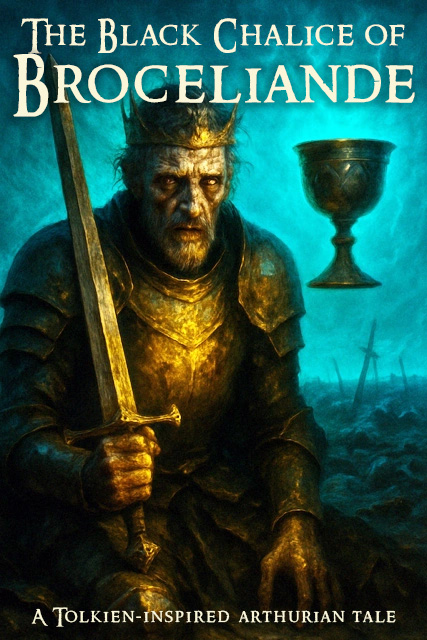
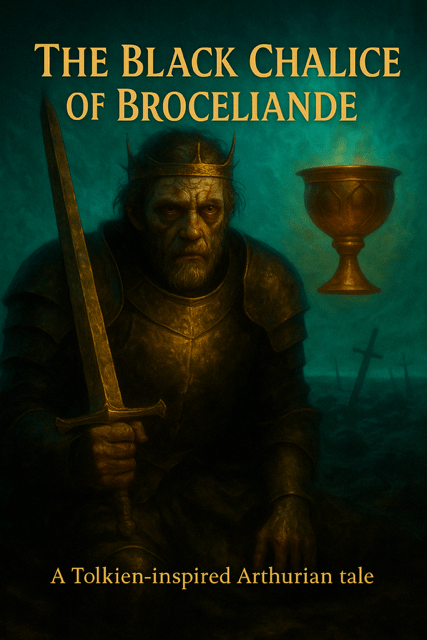
We’re making hay while the sun shines, trying out a premium ChatGPT subscription and bringing all sorts of people back to life or mashing them together into alternate realities for our entertainment. And honestly, some of these simulations of literary or artistic geniuses are surprisingly accurate to how they thought and spoke. So far, we’ve hosted a hilarious debate about conciseness in storytelling with Stephen King, Hemingway, Poe, H.P. Lovecraft, Professor Tolkien, George R.R. Martin, and Homer called Verbosity & Vine and had Professor Tolkien write a new 2,000 word King Arthur short story with an evil grail titled The Black Chalice of Broceliande. There is absolutely going to be a Seinfeld Season 10 post at some point, once I pipe Modern Seinfeld prompts into ChatGPT and let the horses run.

Anyway, welcome to a series we call:
Since the King versus Hemingway debate wound up so funny, we thought it would be a hoot to smash some more genius creators together and have them argue the merit of shock value in storytelling. To remind everyone: our policy at Grailrunner is to consider AI as powerful tools but to always call out their usage. This is for pure entertainment. Nobody’s selling you anything here.

This simulated argument was entirely written by AI with prompts from us, but really took on a life of its own. We decided who joined the conversation, and some of those choices really wound up fantastic. In fact, things really surprised us when we had Professor Tolkien join this conversation as well, as he kind of cleaned everyone’s clock on the matter at hand and got suddenly inspiring. That just happened – we can’t take credit for it! Ellison, at least for our part, stole the show though.

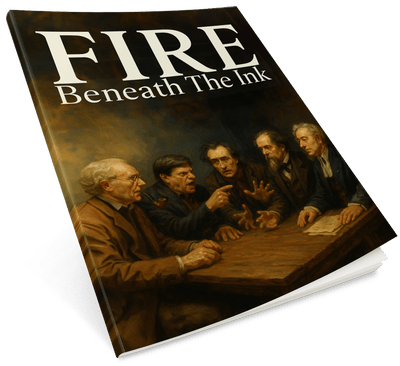
The conversation is called Fire Beneath the Ink:

Key players (all deceased) from left to right are:

Professor J. R. R. Tolkien – author of The Hobbit and the Lord of the Rings trilogy and master craftsman of worldbuilding.

Harlan Ellison – a fiercely imaginative and outspoken American writer known for his prolific work in speculative fiction, particularly short stories, television scripts, and essays that challenged social norms and literary conventions. Also one of the finest writers to ever punch a typewriter.

Antonin Artaud – a radical French dramatist, poet, and theorist best known for developing the Theatre of Cruelty, which sought to shock audiences into confronting the deeper truths of human existence. He once threw meat at his audience.

Charles Dickens – a celebrated English novelist and social critic whose vividly drawn characters and dramatic storytelling captured the struggles and injustices of Victorian society. Nobody has ever been better at generating pathos and character empathy than this guy.

Jonathan Swift – an Irish satirist, essayist, and clergyman best known for his sharp wit and scathing critiques of politics and society, particularly in works like Gulliver’s Travels and A Modest Proposal.

Random? Maybe a little. They all seemed to suit the topic at hand though, and Artaud and Harlan got along famously! See for yourself by smashing the cover button below!
So funny! We hope you enjoyed the debate. Somehow, it was nice to hear from Harlan again, and with him in good humor, poking at people and enjoying himself. If you’re familar with him at all, surely you see how much he would loathe this entire idea and likely drive to my house and tell me so.

And what about that Professor?! Did you get tingles at the end? We sure did.

Anyway, come back often and check on us. We’re unleashing the creative hordes here.

Till next time,

I asked AI to have Tolkien write me a King Arthur story with an evil grail

So I was killing time at the airport last week, waiting on my flight. Grabbed lunch and sat down to start doom scrolling my phone since I had a couple of hours to kill. Then I thought…”Wait, I’m trying out the ChatGPT+ premium membership this month.”

I really….really need to share with you what this AI built for me with some simple prompting, all on my iPhone while I had lunch. Even the pdf I’m going to share, with the front and back covers. All of it.

On. My. Phone. During lunch.

Anyway, our policy is to consider AI as powerful tools but to always call out their usage. This is for pure entertainment. Nobody’s selling you anything here.

So I always read back in the 70’s and 80’s that “computers can’t create”, and imagination is the skill of the future. I hear it a lot now, actually, that AI is blobbing existing works together and creating nothing new, and that’s technically true. But that’s also what our brains do.

“All you need to invent is an imagination and a pile of junk.”Thomas Edison

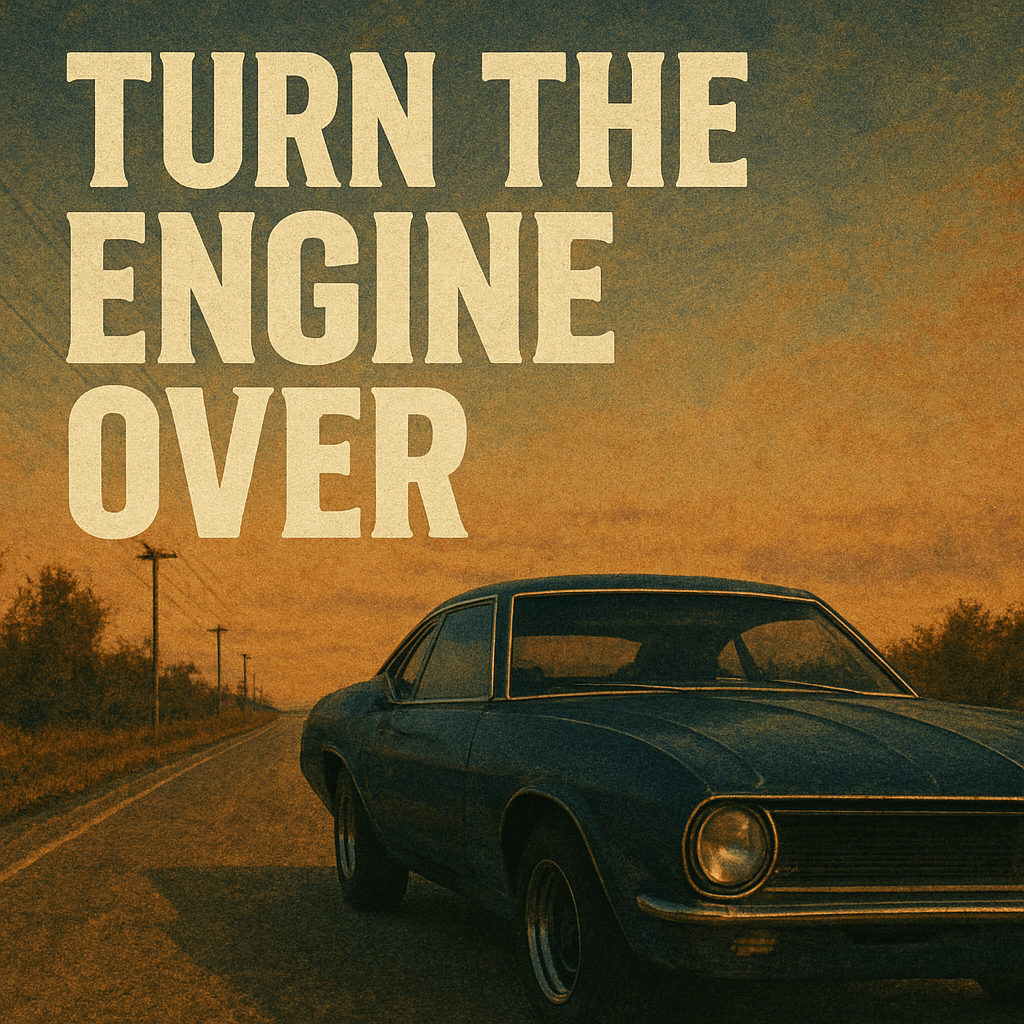
It’s one thing to see the lyrics of an imaginary Bruce Springsteen song, like “Turn The Engine Over”:

I was born on the edge of a steel town flame,
Where the smokestacks whisper your daddy’s name.
Mama lit candles, prayed hard through the storm,
While the foreman shouted, “Son, that’s just how you’re born.”
The rail yard’s rusted, the bar lights dim,
But I still see her dancin’ like a seraphim.
[Chorus]
Turn the engine over, feel the rattle in your bones,
Roll past the ghosts that call these back roads home.
Love don’t die, it just hides out in the dust,
So turn the engine over, babe—
Drive it like you still believe in us.
[Verse 2]
Jenny worked nights down at Jackson’s Grill,
Saved up dimes in a jar on the windowsill.
She said, “Someday, I’ll see the ocean tide,”
But dreams like that don’t get no free ride.
I was too scared to run, too proud to beg,
Now her name’s a tattoo on my right leg.
[Chorus]
Turn the engine over, feel the thunder in your chest,
Every mile a mercy, every town a test.
The past don’t sleep, it rides in the rearview dust—
So turn the engine over, babe—
Drive it like you still believe in us.
[Bridge]
We were kings of the lot, gods of the drag,
Laughin’ through summers in American rags.
Now I punch clocks just to quiet my mind,
But some nights I hear her, singin’ soft through the pines…
[Verse 3]
Now my hands are blistered, my boots are worn,
I’ve buried too much to mourn like I’m torn.
But this old Ford’s got one more ride,
And maybe redemption waits on the other side.
[Final Chorus]
So turn the engine over, let it roar like it’s alive,
This heart’s still beatin’ like it’s twenty-five.
Hope ain’t gone, it’s just buried in the dust—
So turn the engine over, babe—
Drive it like you still believe in us.
[Outro]
Yeah, turn the engine over, babe…
Drive it like you still believe in us.

I had Suno (different AI application) gen up a version you can listen to, which wound up a country song and nothing like the Boss, but honestly still pretty awesome. Listen to that here.

The lyrics are eerily appropriate to something the Boss might write. Not mind-blowing, I agree. But it definitely reads like him. Certainly better than anything I could do trying to emulate him.

In my case over lunch, I really felt like reading a King Arthur short story since:

  1. I love King Arthur and grail stories, in all their forms
  2. I only had a sandwich and didn’t want to deal with anything very long anyway
  3. If it sucked, it really didn’t matter. It’s just replacing futile news scrolls and will serve as a place to put my eyeballs and attention for a little while.

I think very highly of Professor Tolkien’s writing style and lament that he didn’t generate a bigger bibliography of fully formed fiction in his unmatchable voice and sense of scale, his ability to summon majestic backdrops and twinkling cities in the distance. So I added to the prompt to make the story roughly 2,000 words and in the style of Tolkien.

What I got was – honestly, not bad at all. First try. Shorter than I had asked, but still interesting. I gave it a couple of ideas to squeeze in to some new attempts, specifically about the Green Knight, and then asked for a cover image. I wanted to test if I could generate an entire pdf ebook (really a packaged short story) without needing Photoshop or other desktop tools.

Just my phone, waiting on a plane.

The cover kind of gave me fits and needed a lot of coaxing, though I didn’t use Photoshop at all for this. I mean, it also named the story for me, generated variations of fonts and layouts, and created the entire front cover just based on prompts (the one in the header, I did in Photoshop, so that’s cheating):

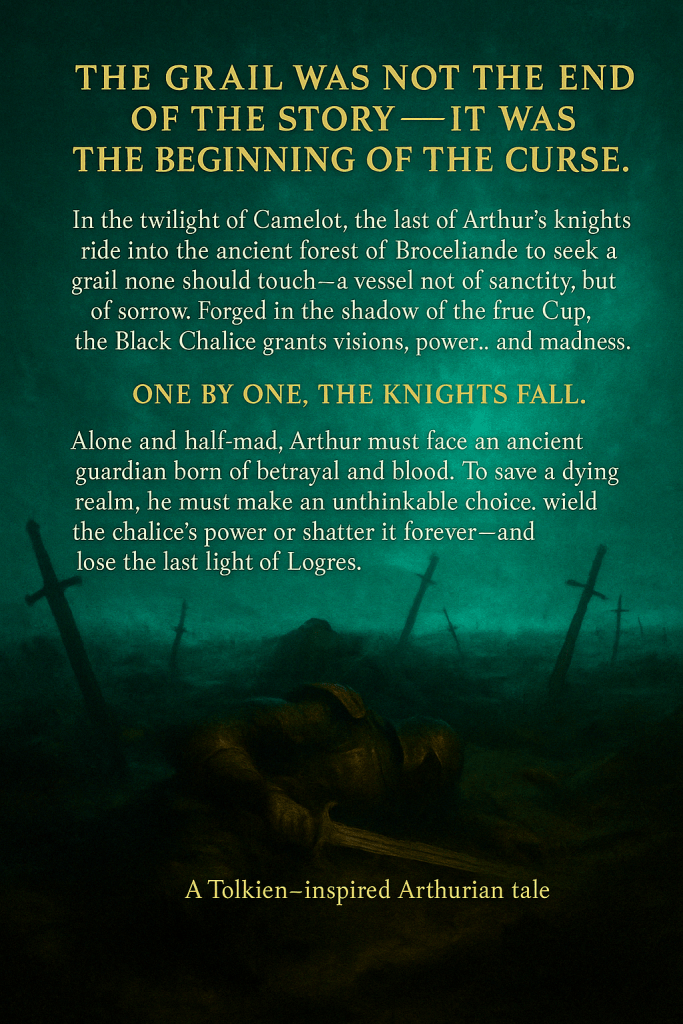
Here’s the back cover it generated for me, based on text it wrote and some prompts to stick to the theme of the story and the front cover:

And finally, having no idea if it was possible, I asked it to include all of this generated content into a pdf. And here that is.

Please keep in mind – I didn’t sit down with Indesign or Photoshop or Word. I didn’t write any of it. I didn’t paint anything. This is me waiting on a plane and punching things into my iPhone to entertain myself.

Crazy world we live in, isn’t it? I think we need to be careful with all this, for sure. Training databases should be combinations of properly licensed images and works or things in public domain. Original creators need to be paid for their work. People using AI ought to say so and be clear how.

Still, crazy world. And a wonderful way to pass some time if you’re itching for a new Tolkien story.

We’re including this post in a new ongoing series where AI is resurrecting interesting people for us to chat with, or dropping them into alternate realities to entertain us (for free). It’s called:

Till next time,

Innovations in Music and Mythmaking (and how to link them!)

I’m told my reading habits are a little out there. I get that. I do.

However, it intrigues me that in almost any field of human endeavor, there is a specific type of personality that thrives on breaking its rules and forging incandescent new ways of doing things. If you’re new here, that’s almost entirely what we do here – find, spotlight, analyze, and celebrate innovation in the creative process.

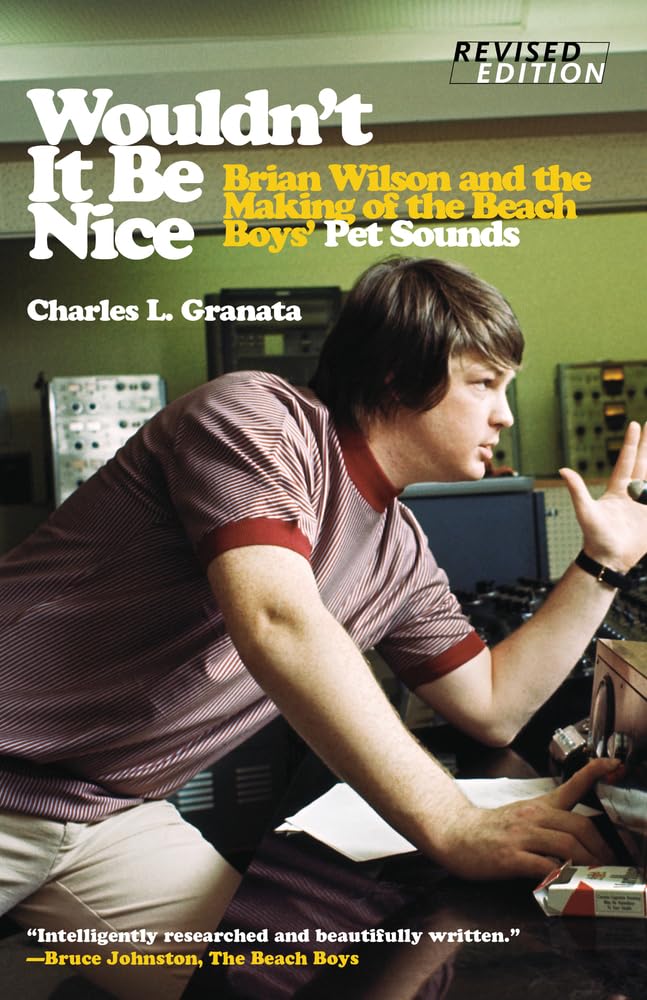
So I was reading this book about 1960’s beach music:

I don’t like that sort of music at all. I especially detest men singing falsetto and lyrics obsessing over the teenage emotional range. However, I had heard that the Beach Boys album, Pet Sounds, was considered the greatest and most influential album in music history. Knowledgeable people say that. I wanted to understand why in the world that would be, given its niche genre, its terrible album cover and name, and the fact that it isn’t chock full of top 10 hits.

What was so special? And once I knew that, I would of course ask: what inspired it?

I’ll cut to the chase since the answers to those questions don’t actually comprise my point today. I want to extend some of these lessons over to mythmaking and storytelling since that’s my main jam. (If you’re into this crossover of music and storytelling, I wrote about this sort of thing in an article called “Aesthetic Puzzles: When Bach Met Shakespeare”, which you can go catch here.)

Why is Pet Sounds a big deal?

Brian Wilson was the main creative driver behind the 1960’s-era pop band, the Beach Boys, and took a break from touring in 1965 to focus on creating “the greatest rock album ever made”. Till then, their songs were bubble-gum melodies of no real sophistication and lyrics aimed like a piledriver at teenagers having fun, especially in and around the rapidly-growing fad of surfing. Wilson was enamored with the “wall of sound” production techniques of music producer, Phil Spector, which involved using echo chambers and physical studio arrangements augmenting studio manipulation of recorded tracks to generate robust, layered textures of sounds that would come across richly on a jukebox. Spector’s stated logic behind his own innovation was:

“I was looking for a sound, a sound so strong that if the material was not the greatest, the sound would carry the record.”

So it was mono (versus stereo) playback technology and the limited fidelity of speakers available at the time that prompted Spector to layer sounds together and experiment with ways of making the sounds more textured. Wilson felt the Beatles album, Rubber Soul contained some of the most mature lyrics yet for the band, and from these two launch points, he wanted to get more emotional with his lyrics and more experimental with his production techniques to surpass them all.

Wilson wound up innovating in all areas, and indeed developing intriguing ways of making the studio itself an instrument: combining, for example, multiple instruments simultaneously into a blended and new quality that sounded nothing like any of them. He introduced novel instruments like bicycle bells, a variation on the theremin, among others, in a rogue recording marathon of studio musicians while the actual band was out touring. Nobody had done that before, or even went off the trail of a small ensemble like that to make an album that couldn’t actually be played live. He also experimented with chord voicings, meaning how different chords are brought together (a little out of phase, for example, so there’s a slightly noticeable tremor) or avoiding a definitive key signature. By all accounts, Wilson’s efforts with the band surpassed anything Spector had done or would do. He took the inspiration and ran with it.

Studio musicians involved said of the time that they knew something very different was happening. Something important. It was interesting to me, reading what it felt like for the other guys there, the ones just hired to do a thing and realizing they were part of something.

So the idea to hold in your head then, for my point to land, is this: an approach towards recording music where all manner of frequencies and qualities of instruments and voices are layered over each other in a rich texture of sounds that you could listen to a multitude of times with headphones on and the volume turned up and still catch new things.

Texture. That’s the thing to remember. Innovating with texture.

What’s all this got to do with storytelling?

I’ve spent the last 3 years working on an approach to storytelling and tabletop roleplaying that I engineered to be as innovative as I could manage. I tried to rethink how narrative games like Dungeons & Dragons function and streamline everything down to core essentials.

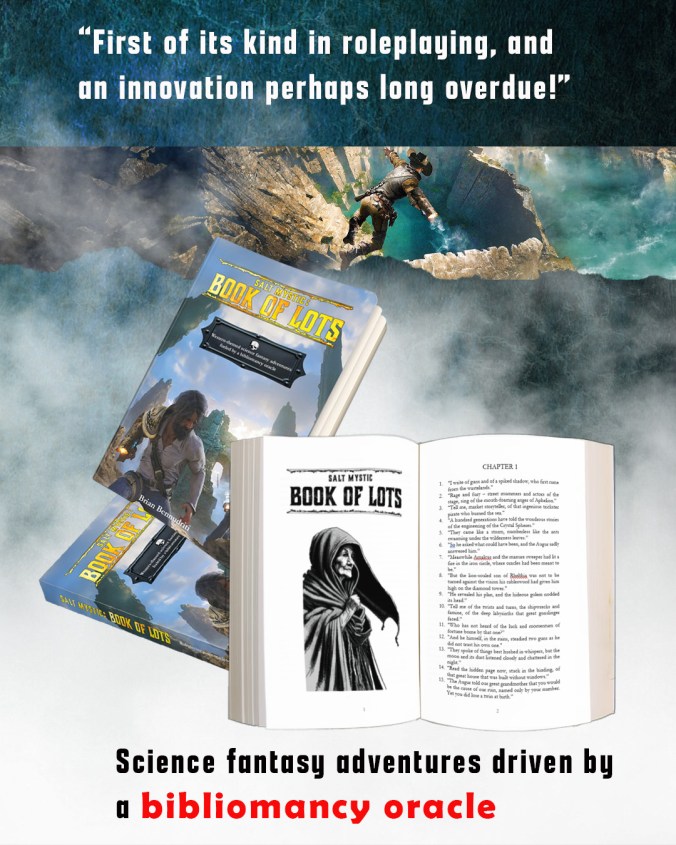
“The awe and danger of exploration inside the covers of a book.” That was my compass. It’s here, called SALT MYSTIC: BOOK OF LOTS. I’m not trying to sell you that right now, though. I want to talk about using it as a recording studio like Wilson did.

This idea now of texture and layered elements building a rich tapestry to transform a familiar art form into something different and new prodded a new question for me:

Can the elements of mythology and storytelling play the same role for the written word that musical notes, chords, and rhythms play? Instead of playing for the ear a rich tapestry like that, can archetypes and themes be arranged to play for the emotions?

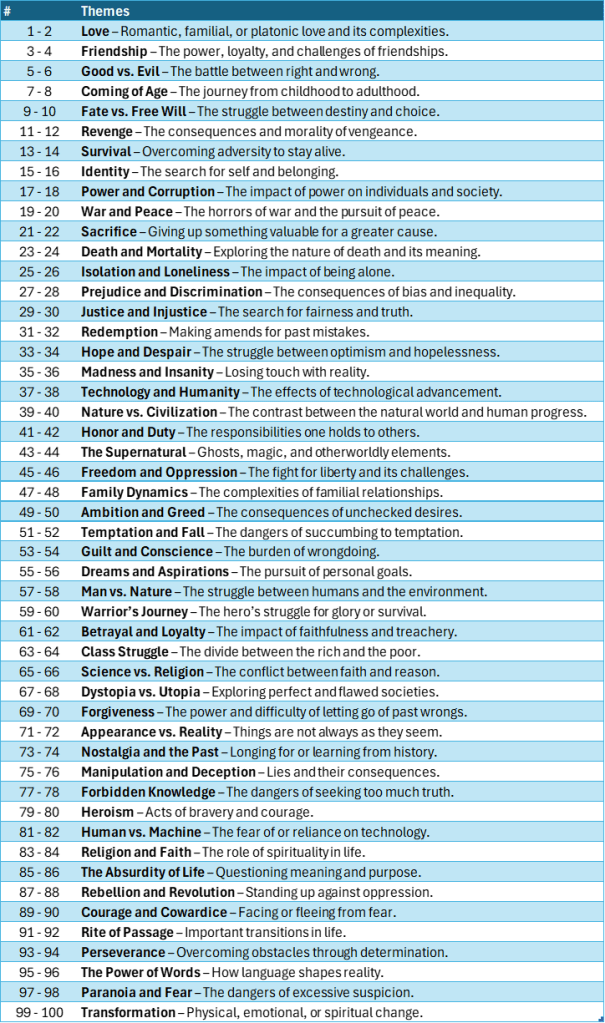
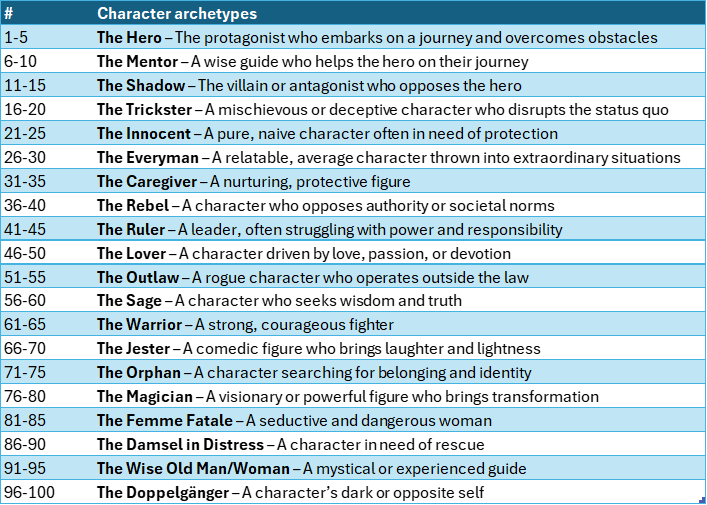
Here are the commonly accepted themes of mythology and folklore in a table, arranged into numbered entries appropriate for a roll of D100 dice:

Here are the common character types of mythology, similarly arranged:

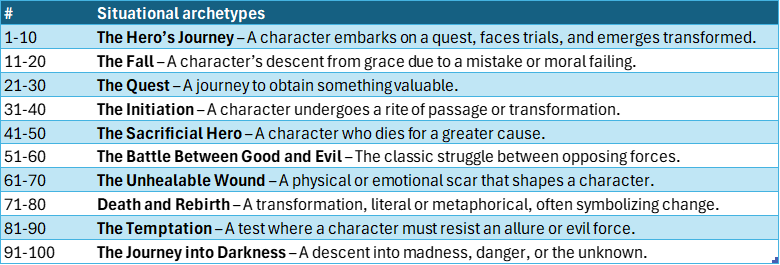
And finally, here are the common situational types of mythology:

SALT MYSTIC: BOOK OF LOTS is designed in a similar manner, with appendix tables for all manner of characters, encounters, and places arranged along the 100-scale like this, appropriate for idle shopping, dice rolls, or use of the bibliomancy mechanic core to the book’s function. The concept with the book is to forge a solo adventure and tell yourself an amazing, resonating story.

The analogy I’m drawing today is that themes and types of mythology have a power and resonance very much like the comforting, stable floor of bass in music. A deep, low melody on bass grounds a melody and makes it richer, makes it seem more important. That’s how myths work. I’m imagining incorporating elements from these tables into a solo tabletop adventure to make them play the same role…

…to summon them so they must work their magic.

I picture roleplaying game rulesets like the one in the BOOK OF LOTS as recording studios: an engine of creation that wasn’t available to previous generations that we can bend to dazzling new heights like Wilson did.

I see elements of oracle tables like those in BOOK OF LOTS or Ironsworn, Starforged, the Dungeon Dozen volumes 1 and 2, and other amazing sourcebooks as chords and notes.

And I see the solo player as a crazy artist, just messing with things to see what new comes out of it all. Telling new stories. Jamming new jams.

My head is swimming at the thought of this. I wonder if it’s too much coffee or if there’s something to be said, truly, about combinations of mythic elements arranged like music. Intriguing idea for me today, at least, to bring it to you today.

Till next time,
I Read A Book Because Of Its Cover, So Let Me Tell You How That Went

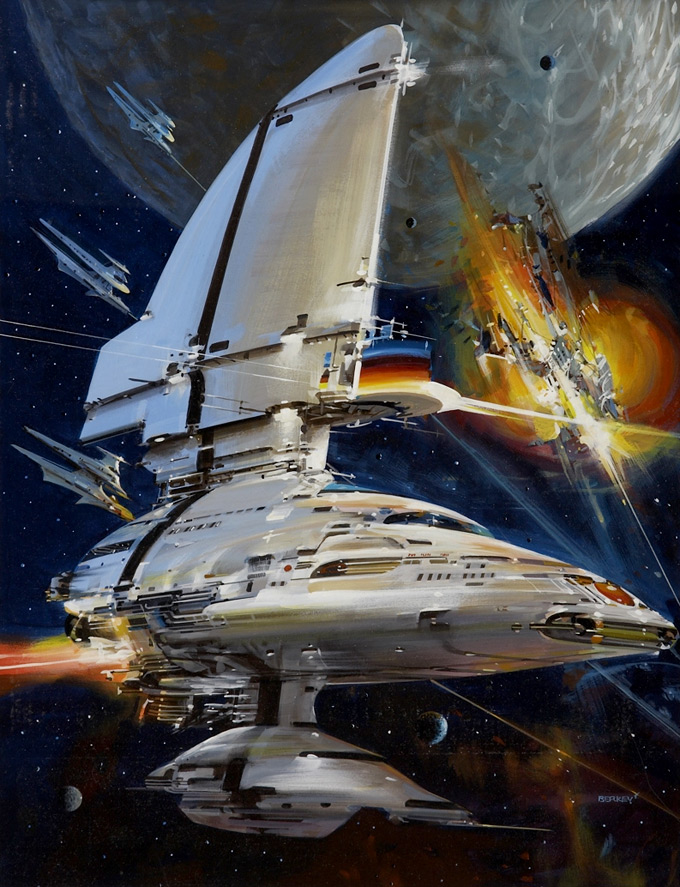
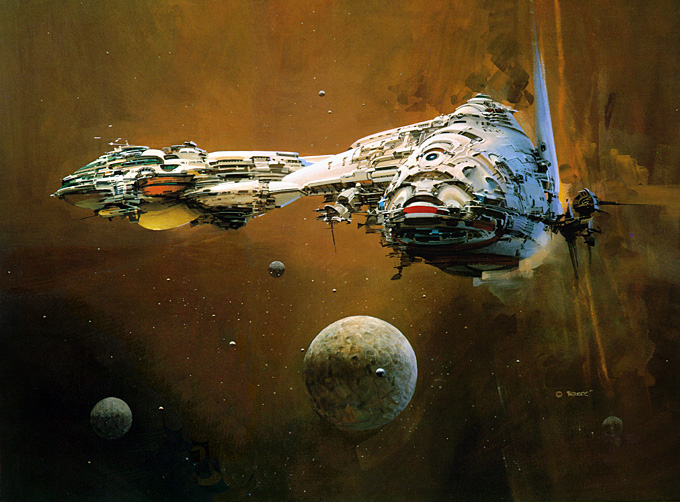
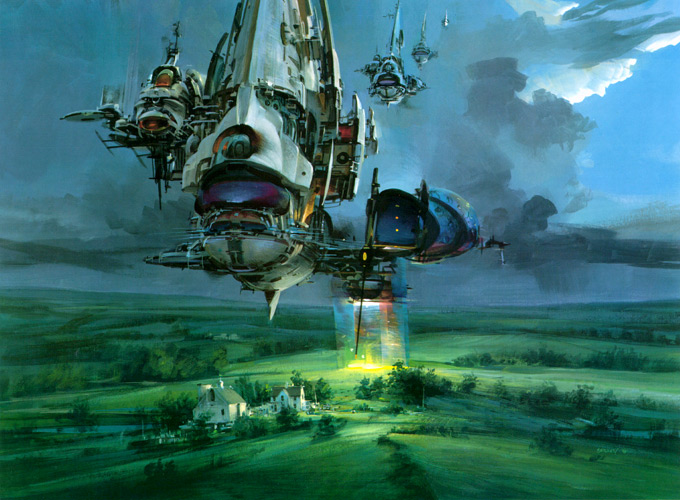
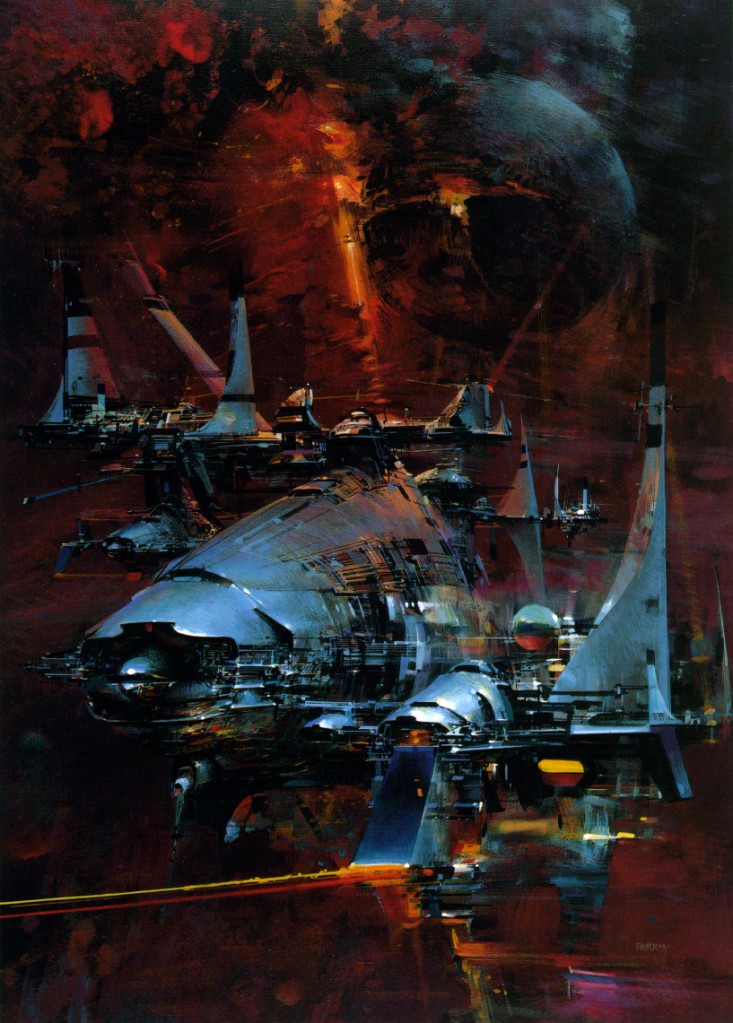
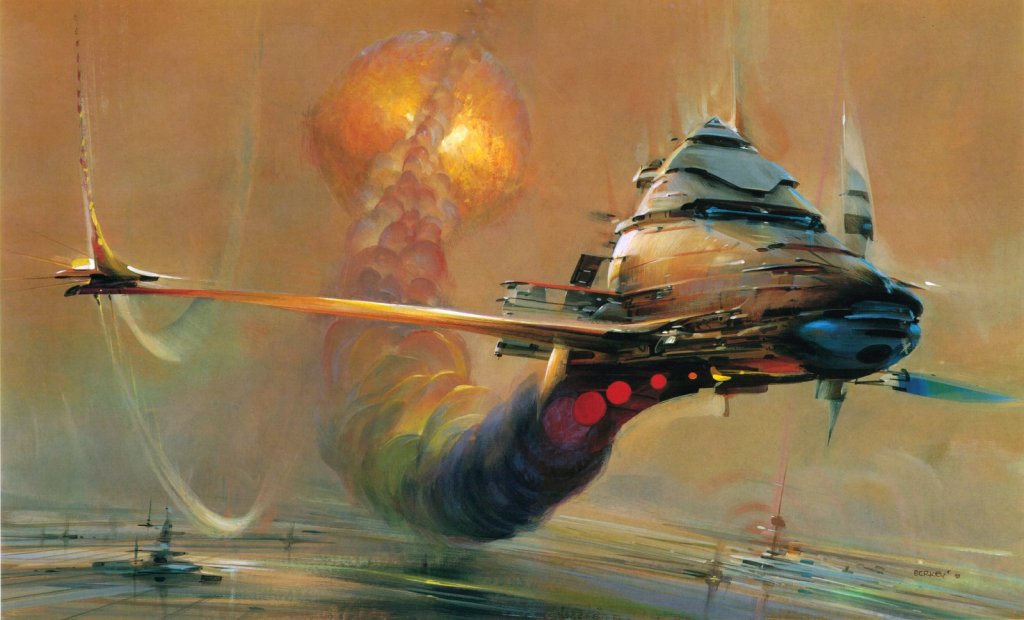
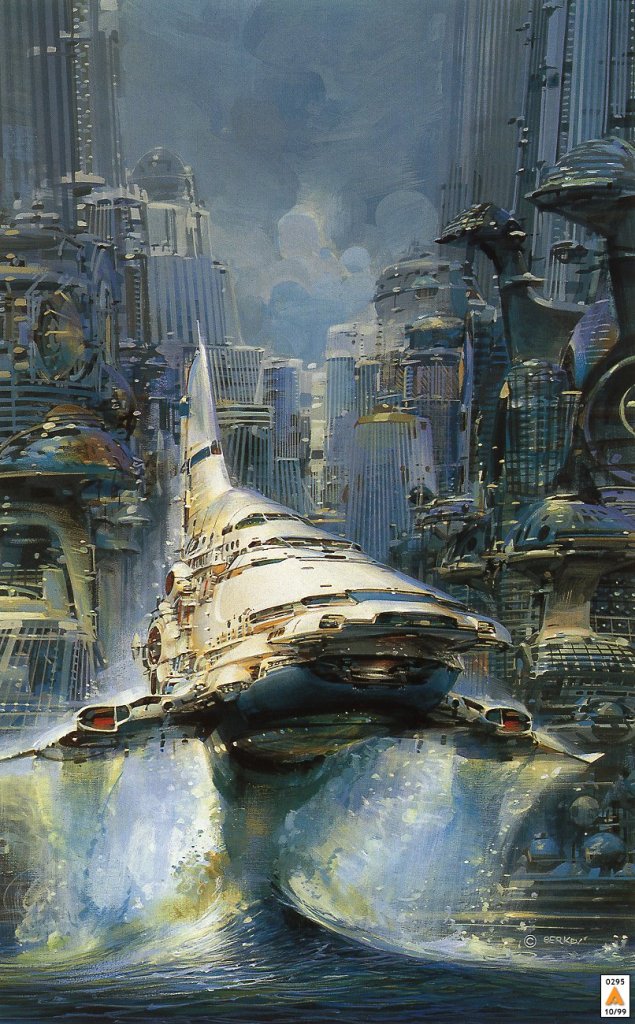
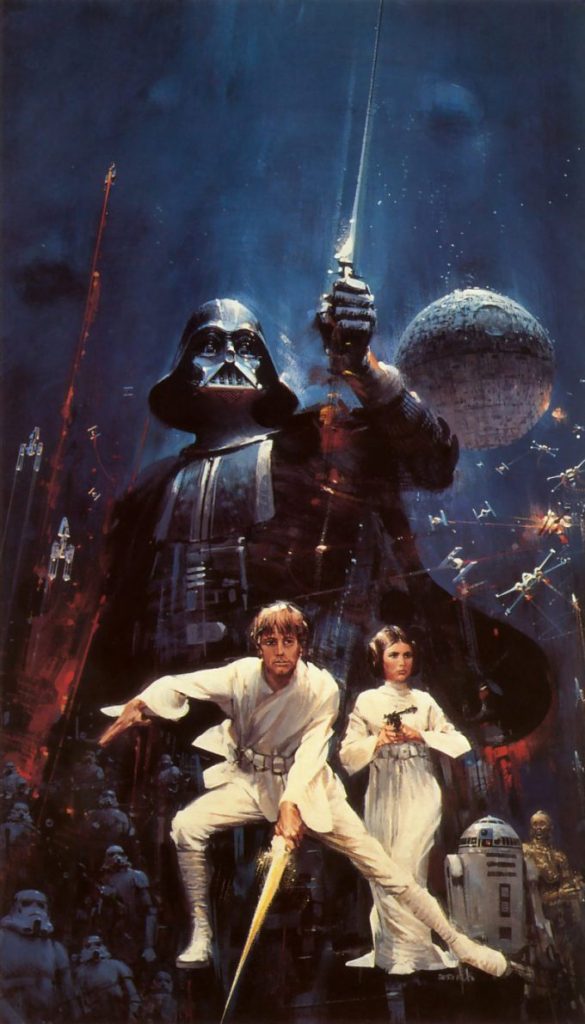
John Berkey was an earth-shattering genius painter of science fiction images. I love everything I’ve ever seen from him. And it isn’t stretching the truth to say that if you view space ships as sleek, aerodynamic vehicles with white plating, that can be traced in many ways right back to him.

Seriously.

He did these, for example:

My first introduction to him way back in the day was this masterwork below, which inspired the mile-high vortex cruiser hydrofoils in the Salt Mystic universe. Just look at this beast:

And, of course, he did this one too, which some of you may remember:

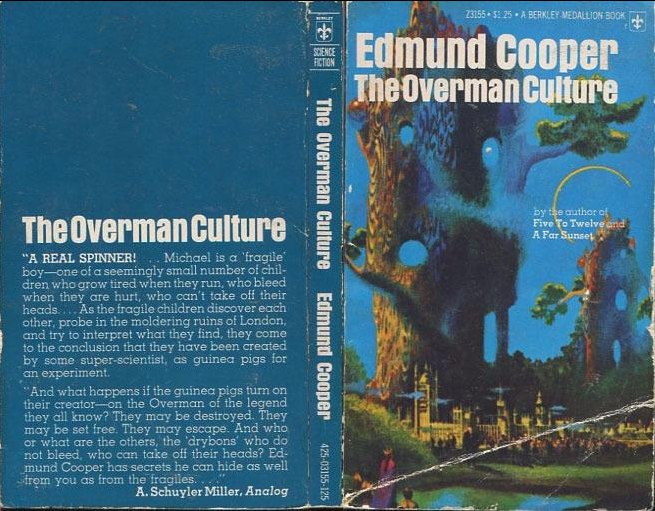
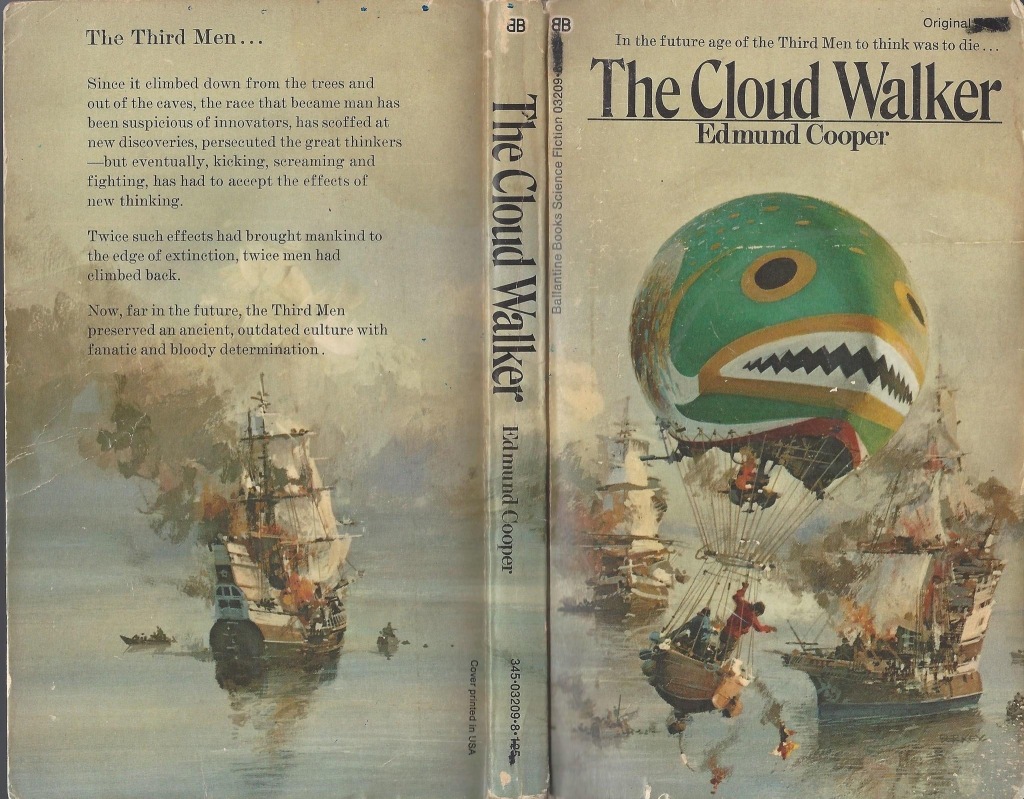
So why am I on again about John Berkey? Well, more than once I’ve seen this haunting, fascinating book cover drift across my social media feed or appear on a used bookstore shelf:

I’d never heard of Edmund Cooper, and it didn’t have space ships or a hook in the back cover text that sealed the deal, so I passed it by multiple times. I’m not that much into humanity turning away from machines because of some uprising or difficulties, like Dune’s Butlerian Jihad or Walter Miller’s A Canticle For Leibowitz. I didn’t really care who the “third men” were, or to read what I imagined would be monotonous pages with religious torch-bearing zealots yammering on in mobs to some plucky machine-builder about how evil computers could be or whatever.

Apologies if that’s your thing, I’m just a bit worn out on those tropes and don’t find them interesting. So I moved on.

But that image though.

What in the world was the deal with that crazy face emblazoned on the balloon?! I love a naval battle too. Maybe, I thought, after considering Berkey’s fascinating cover art so many times, I should read this book just to settle some questions about what he was painting.

And I’ll cut to the bottom line for you: The Cloud Walker is an easy read, with some mild, pleasant twists on the story you expect to play out here based on the cover description:

The setting is mostly the small town of Arundel in what had once been the county of West Sussex in England after two world wars have decimated the population and turned society against technology in all its forms. The protagonist, Kieron, dreams of building a flying machine, even though he knows what the Luddite priests can do to him if he’s caught. There’s an interesting love triangle, with some mild surprises in how that turns out, and a massive shift in the plot at one point – relating to a pirate invasion, and which ultimately leads to the battle portrayed in Berkey’s marvelous image.

I imagine if you’re a regular reader, you can knock this one out in a couple of days. It was a great experience for me, primarily for one key reason which honestly inspired me to write this article in the first place:

Cooper’s writing style.

There is a style of storytelling often used in fables and myths that is charming, easily relatable, and that focuses on things common to us all like family, fear of the unknown, betrayal, and friendship. Read any of the Narnia books by C. S. Lewis or the Oz books by L. Frank Baum and enjoy a master class in what I’m talking about here. It’s in the word choice, the easy manner of painting images with words, and the awe and wonder of fantastic beasts and places like you’re sitting by a fire listening to it. Lewis and Baum knew what they were doing.

Cooper isn’t in their league; it just struck me that I was several chapters in before I knew it and sinking wonderfully deeper into his rural landscape, getting to know Kieron and his family, the two ladies, and just why he wanted to take to the air in the first place.

I won’t spoil anything here, but I feel Cooper stuck the landing on the ending (pun intended, you’re welcome).

Anyway, I liked it so much I tried another one by Cooper, called The Overman Culture.

Honestly, I hated it. It was the same narrative style, just a meandering and plain mystery box story with some juvenile personal interactions and nowhere near enough happening to keep your interest. I doubt I’ll try Cooper again, though The Cloud Walker will remain with me.

Pick it up sometime if you get the chance. It feels like a comforting fable, and maybe we need more stories like that.

Till next time,
Building Out The Lore: The Wisptaken

Here at Grailrunner, we’re building out the lore of a unique western-flavored science fantasy setting called Salt Mystic. We have been for a while now. It’s a novel (with another in the works), a tabletop game, a series of short fiction, and a line of merchandise. It’s also an experiment in the creative process, and a fascinating thing to be a part of.

One of the characters in the first two decks we built for the tabletop game, a weird eye-rolling dude named “Murmur” struck us as funny at the time. The thought was to have a guy whose armor was haunted by software, and he listens to it. That meant he can’t be surprised, so the bonus you normally got of coming up behind him was short-circuited, though his expertise with his own weapon was randomly determined by a die roll.

Because he was crazy. Get it?

But we published a short story called The Weakness Of Demons that took the idea of these leftover software imps from thousands of years before to another level…a malicious, deadly level. You should go read that one. It’s one of my personal favorites. The idea was getting creepier.

Anyway, these imps were unleashed in an era of the Salt Mystic’s history called The Merchant Wars:

“It was a time of devastating economic and psychological warfare where propaganda was brought
to its highest effectiveness. Every book, every newscast, even the music to which their children
danced, was carefully engineered to manipulate belief patterns. Spies were embedded in all
levels of society in every nation, double and triple-crossing one another for advantage. Many
of the cruelly manipulative stonewisps, artificial intelligence chaos agents haunting statues and
masonry elements, date to this period.
” –Salt Mystic Sourcebook And Core Rules p. 14

And creepier still.

Then it struck me today as I finished a ridiculously long business trip and series of conference calls, dropping exhausted to a hotel bed, that some poor shmuck out in the wastelands just trapping beavers or hunting or whatever could come across a stonewisp abandoned in a piece of rubble or a broken machine lying about. And I wondered what that might lead to.

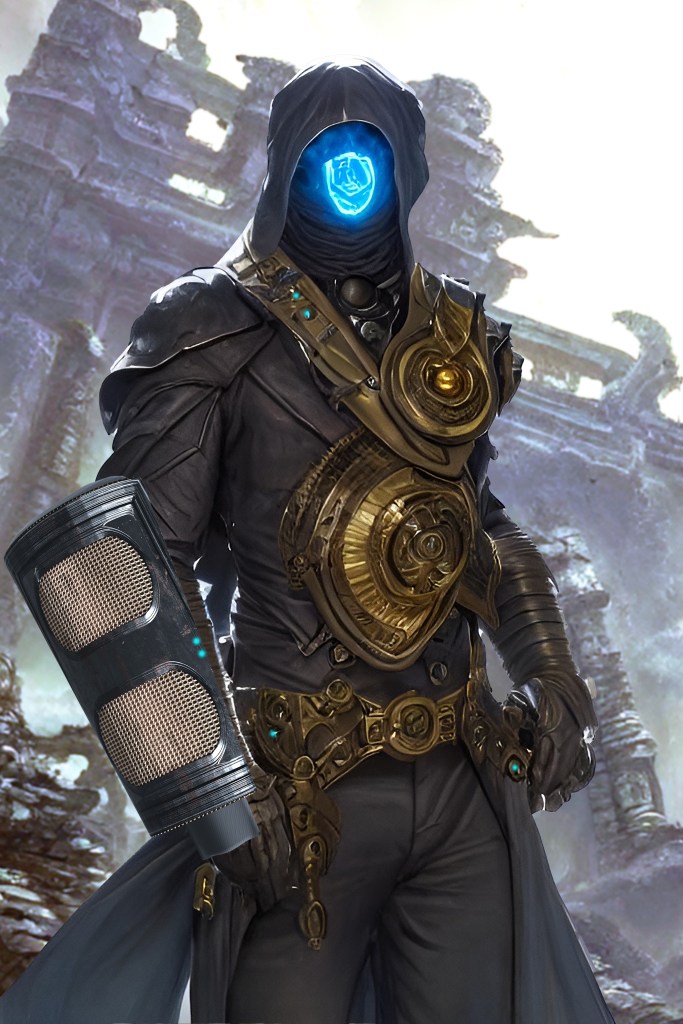
So allow me to introduce you to the newest addition to the Salt Mystic lore: The Wisptaken:

They call them ‘Wisptaken’ because of the terror of it. Anything as unholy and sad and deserving of justice as these tortured souls merits a quick death if you can deliver it. So few can deliver it though, and fall prey in the software-haunted wastelands to one or the other of their wicked judgements: a seducing taunt to join the masquerade or a burning from the carbine on their forearms.

The Wisptaken are as fast and deadly with a gun as they are convincing in their malicious, cunning lies. That’s the trick of it. That’s why they stay in the fog of legends and out of the clarifying light of civilization. If you encounter one of these nightmares in the backcountry or in the ruins between the provinces, it’s probably better to just make a desperate run.

But don’t speak to it. Never speak to it. If you do, there’s no telling what terrible things it will convince you to do.

The stonewisps were artificial intelligence imps embedded in building materials dating back thousands of years to the Merchant Wars when runaway spycraft and intrigue were tearing the world into pieces. Masters of propaganda and brainwashing tactics, manipulation and cult methods, stonewisps were planted in those days for the sole purpose of recruiting terror. It speaks to their mastery that so many were dumped into the wastelands rather than destroyed.

But they are machines. Code. They fulfill their designs. One could almost forgive them for it.

But when a ruined, broken person finally yields to the vile whispering of a stonewisp, one who’s chosen to inhabit their helmet or their armor, even their gun, that person is truly lost. No one could predict the mischief and spoil such a fusion of human and software could bring about.

No, don’t speak to it. Whatever you do.

Pity it. And run.