Who Wrote The First Science Fantasy Story And Why?

Lucian Of Samosota’s True History…I can’t believe I waited this long to read this incredible story! I’ve read it twice now, and I’ll probably read it again. You just need to know about this if you are at all into astounding works of the imagination or gonzo science fantasy. For my part, I’m endlessly fascinated by the creative process, particularly when great creators stretch themselves to build what Stephen King has called a “gosh-a-mighty steam shovel of the imagination” – a paraphrase from an old introduction to the Dark Tower.

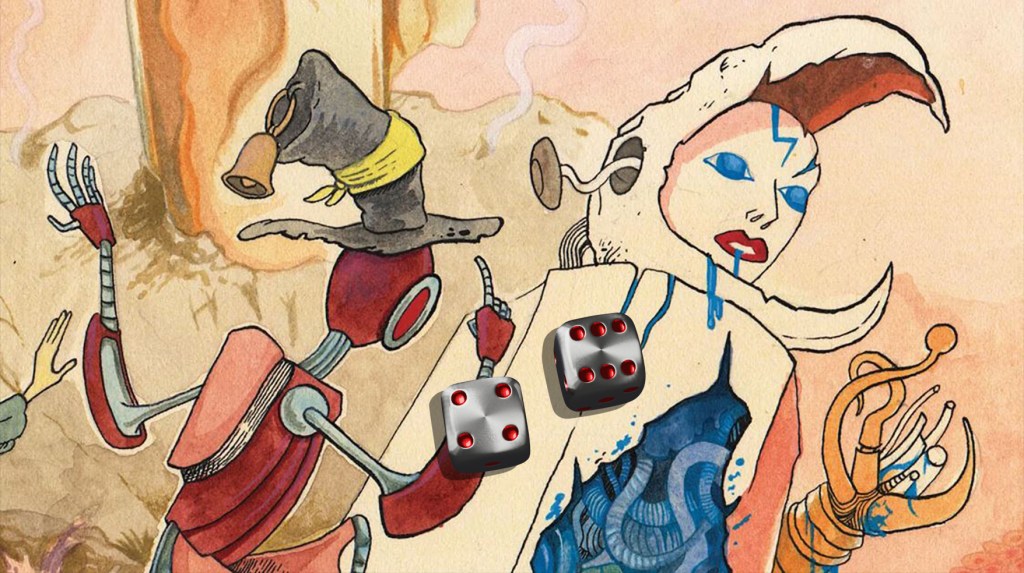
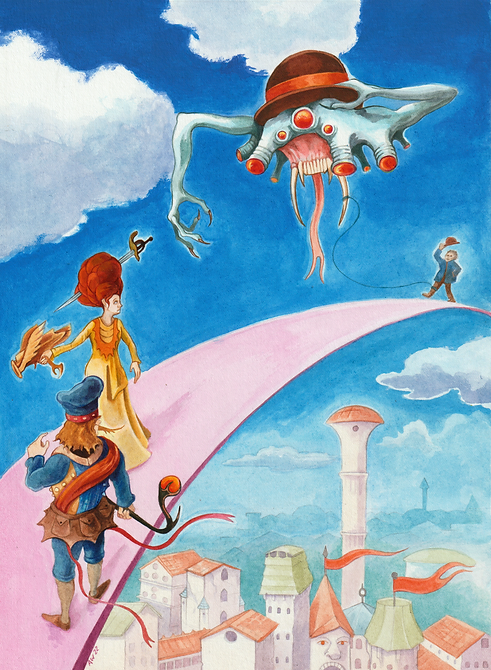
You may know we recently interviewed Daniel Sell of the Melsonian Arts Council, writer and designer behind the Troika roleplaying game. His mind is wired like this too, and in Troika, you might encounter among the crystal spheres a ‘Befouler Of Ponds’ worshipper of the toad church, a gremlin catcher, or a thinking engine with detachable hands that can pilot a golden planar barge.

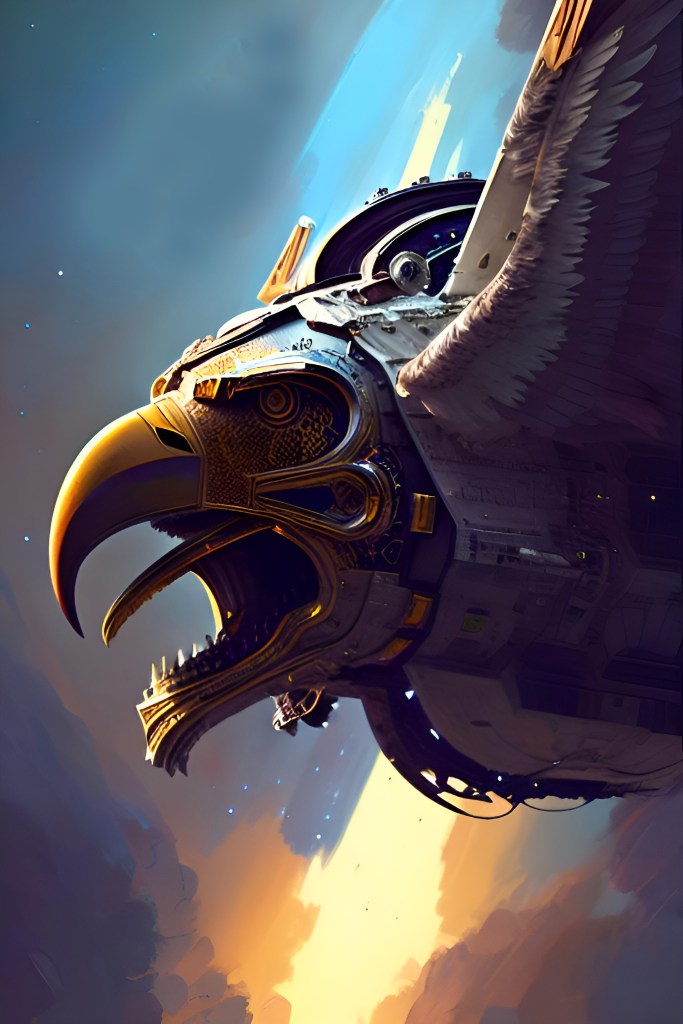
We’ve also hosted Jeff Grubb, creator of D&D’s Spelljammer, which is another mind-expanding launch into the sort of audacious, rulebreaking idea-festival I’m talking about. Spelljammer was recently revived by Wizards Of The Coast but was first born in the early, heady days of TSR. Check that link to read up on where Jeff dreamed up some of that and how it all came about. I’m just smiling thinking about all that.

But where did science fiction…or science fantasy to be more accurate…come from in the first place? Who was the first guy to put something down that we might recognize as bearing the tropes of space travel, cosmic battles, extraterrestrials, and even robots? And if we can know that, can we also ask what the heck he was thinking that led him down that creative trail?

It was Lucian. Crazy Lucian. He did all of that, and he did it in the 2nd century AD while there was still a Roman Empire.

And what he wrote, in that one cosmos-spanning epic, could seamlessly melt into a Spelljammer or Troika game session or sci fi anime even today. It’s the sort of story where you find a ponderous idea in every paragraph, an impressionist painting in words but with a compelling odyssey. It’s called the True History.
You could almost forget he was joking around when he wrote it. Here’s what he said about you, his future reader:

“It would be appropriate recreation for them if they were to take up the sort of reading that, instead of affording just pure amusement based on wit and humour, also boasts a little food for thought that the Muses would not altogether spurn; and I think they will consider the present work something of the kind. They will find it enticing not only for the novelty of its subject, for the humor of its plan and because I tell all kinds of lies in a plausible and specious way, but also because everything in my story is a more or less comical parody of one or another of the poets, historians and philosophers of old, who have written much that smacks of miracles and fables.

“I would cite them by name, were it not that you yourself will recognise them from your reading. One of them is Ctesias, son of Ctesiochus, of Cnidos, who wrote a great deal about India and its characteristics that he had never seen himself nor heard from anyone else with a reputation for truthfulness. Iambulus also wrote much that was strange about the countries in the great sea: he made up a falsehood that is patent to everybody, but wrote a story that is not uninteresting for all that. Many others, with the same intent, have written about imaginary travels and journeys of theirs, telling of huge beasts, cruel men and strange ways of living.

“Well, on reading all these authors, I did not find much fault with them for their lying, as I saw that this was already a common practice even among men who profess philosophy. I did wonder, though, that they thought that they could write untruths and not get caught at it. Therefore, as I myself, thanks to my vanity, was eager to hand something down to posterity, that I might not be the only one excluded from the privileges of poetic license, and as I had nothing true to tell, not having had any adventures of significance, I took to lying. But my lying is far more honest than theirs, for though I tell the truth in nothing else, I shall at least be truthful in saying that I am a liar. I think I can escape the censure of the world by my own admission that I am not telling a word of truth. Be it understood, then, that I am writing about things which I have neither seen nor had to do with nor learned from others–which, in fact, do not exist at all and, in the nature of things, cannot exist.” -Lucian in his Introduction to the True History
Bear with me here for a synopsis, though it’s a rollercoaster ride like you can’t imagine.

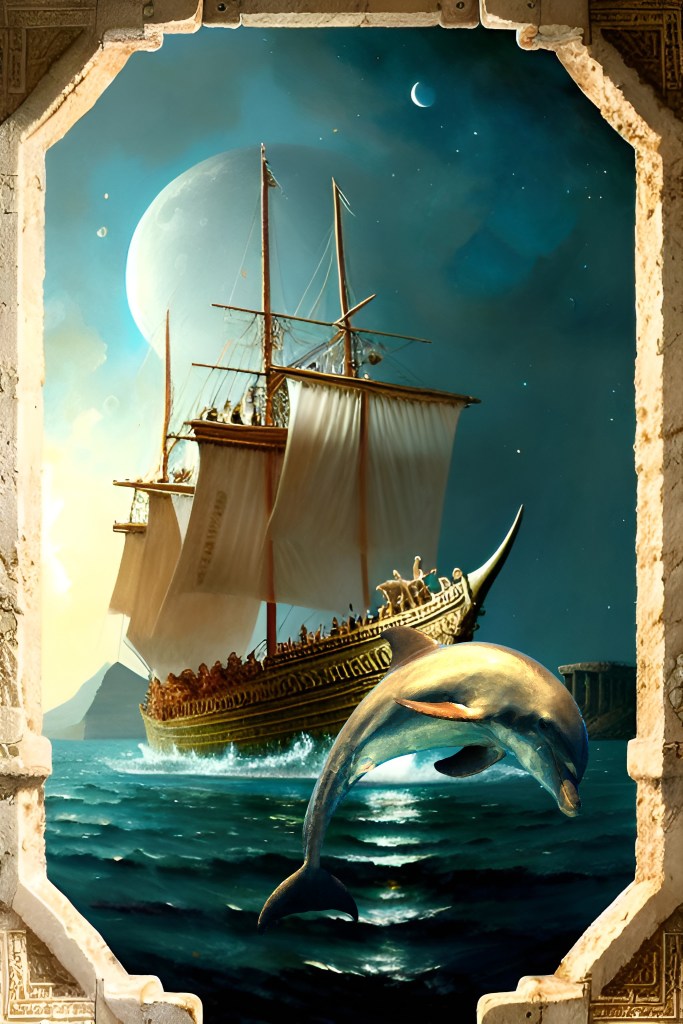
Lucian and his companions set sail through the Pillars Of Hercules, encountering every manner of wonder along the way. Blown off course to an island with a river of wine, they encounter (and barely escape) chimera ladies who are part woman/part grapevine and who transform hapless sailors into vines alongside them should they get overly intimate.
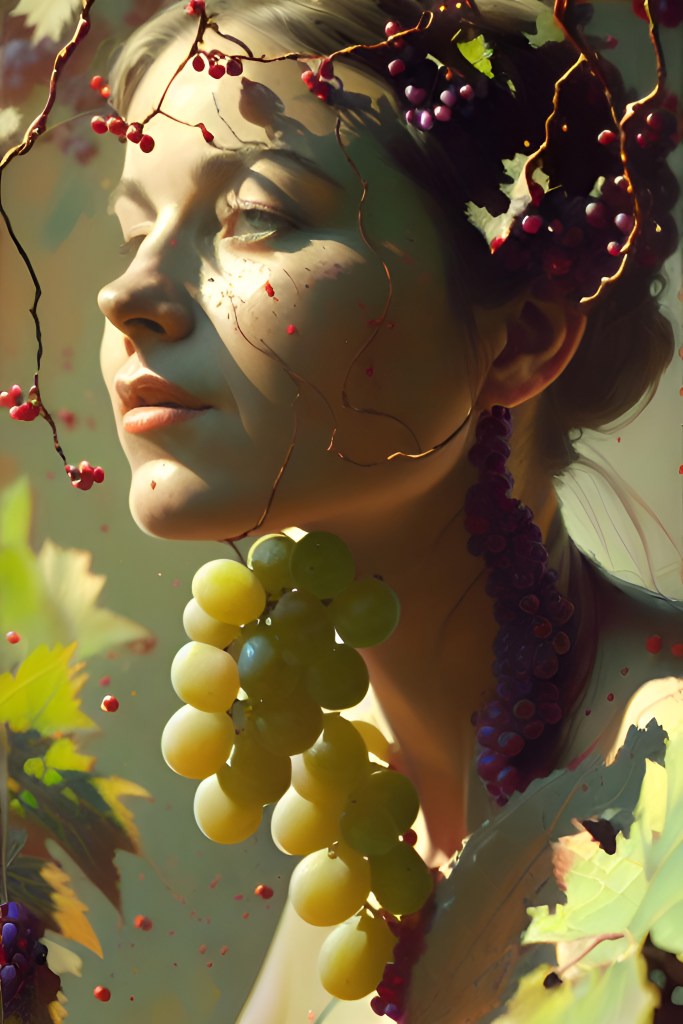
No sooner than leaving that island, a rogue whirlwind whisks them up to the moon where they have arrived in the middle of an interplanetary war between the king of the moon and the king of the sun, fighting over colonization of the planet, Venus. We see hybrid lifeforms and spaceships, giant spiders spinning webs across planets, and entire fleets mobilized in a vivacious, colorful battle that is absolutely mesmerizing. For about 3 pages before he moves on to something else.

Incredible.
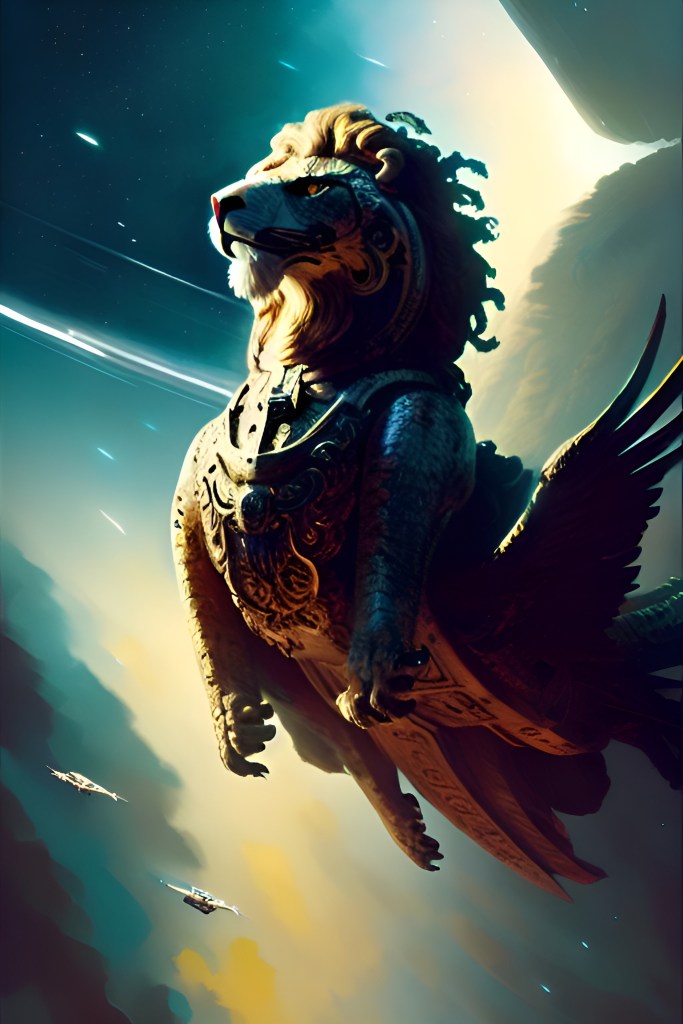
The solar fleet wins the battle by blocking out the light of the sun from the moon, winning their surrender. In the truce, mutual colonization is allowed with a tribute to be paid.

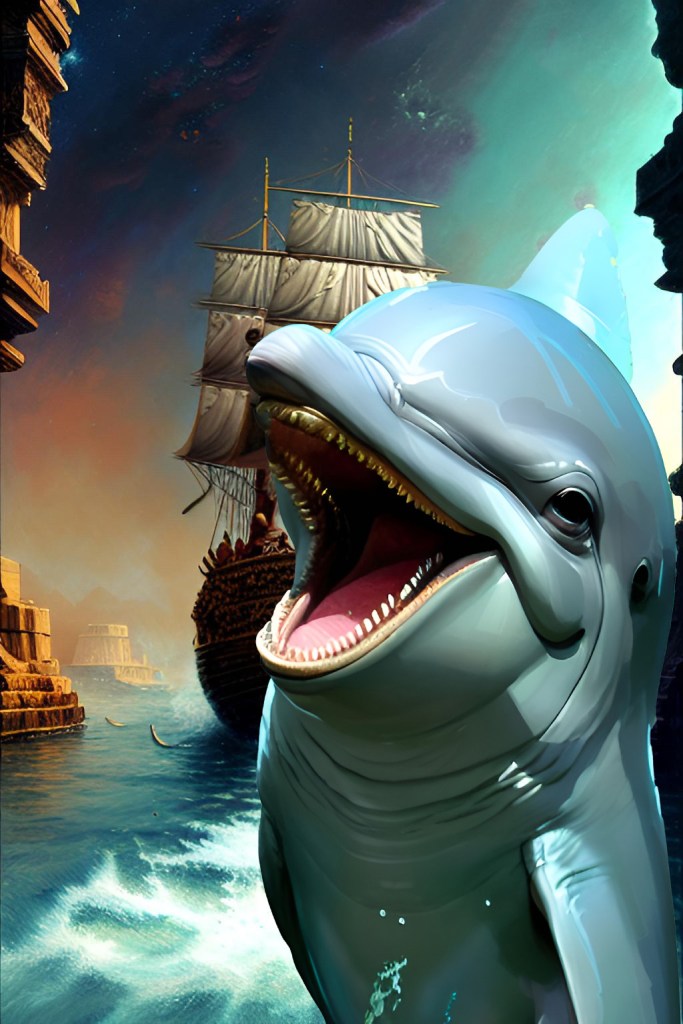
After a short tour of the planets and civilization out there, the sailors return to the sea on earth and quickly are swallowed by a 200 mile long whale. I want to make sure you caught that – this isn’t a Jonah and the whale story; it’s 200 miles long and has entire societies living inside it.

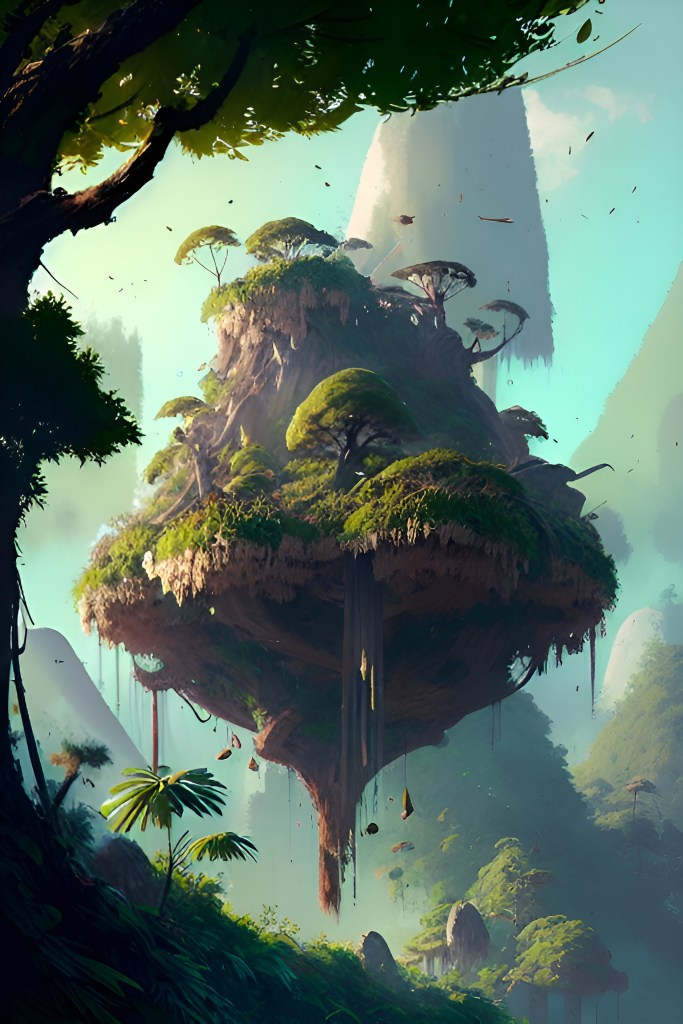
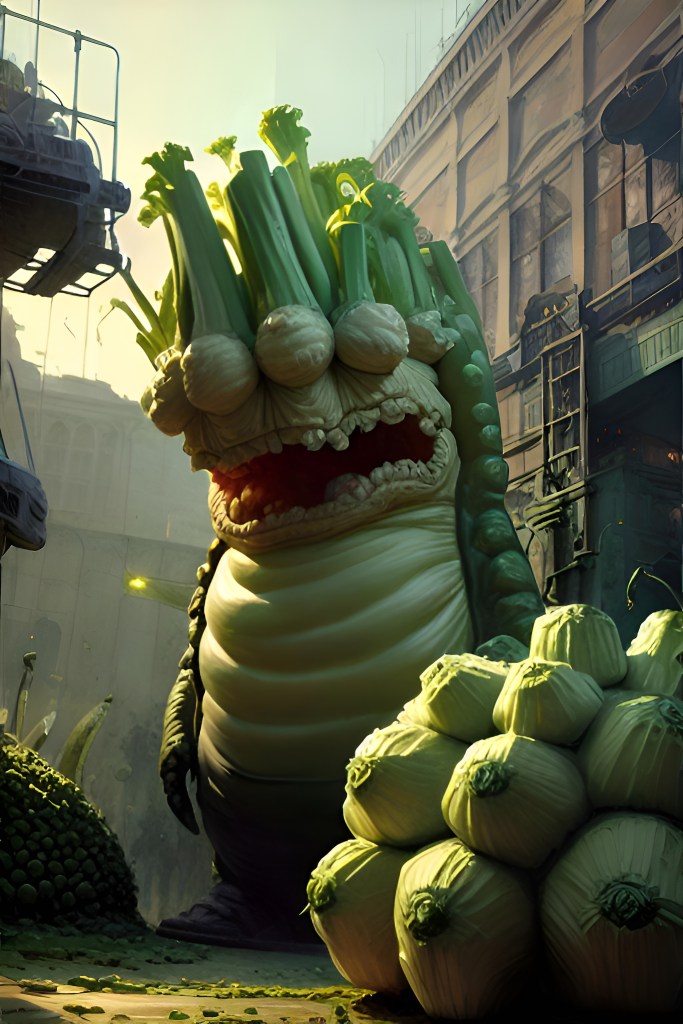
Of course, they wage another war, this one of conquest, and eventually have to escape the enormous whale by killing it. In the sea and among the islands (or sailing through the air), they meet everything from giant talking vegetables to talking trees to floating islands to a giant gulf in the ocean itself.
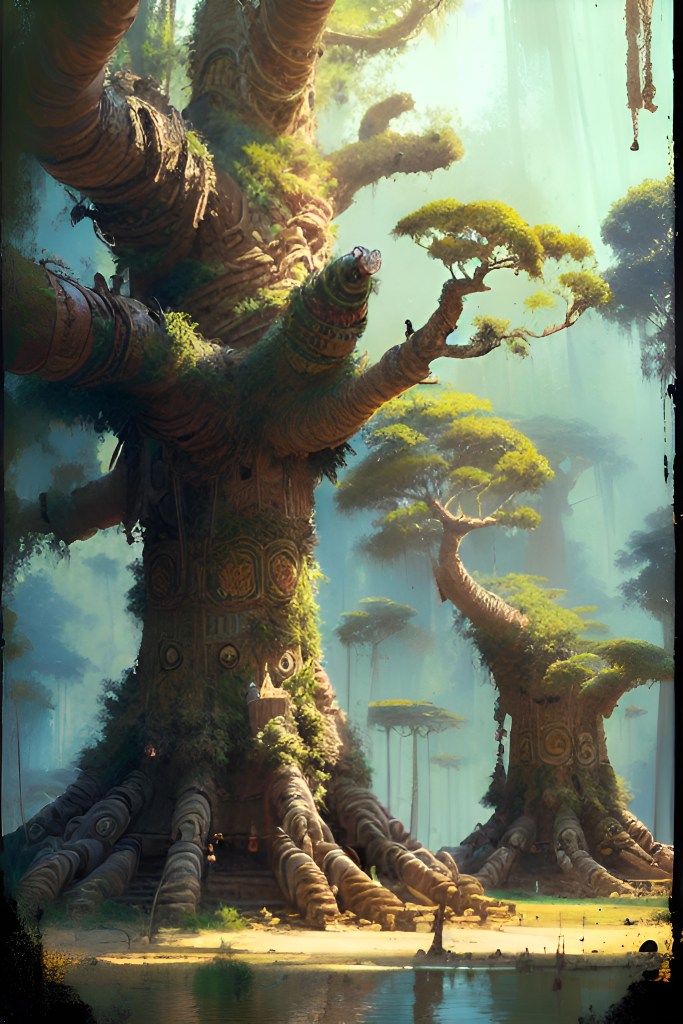
In the climax of the True History, the sailors make it to the Greek/Roman idea of heaven. It’s an island where the heroes of myth and the great philosophers and poets reside. He asks Homer all manner of questions and learns his own future. Of course there is another battle here, this one with zombies.

Not kidding here…zombies. The undead rise from their pits and wage war with the great heroes. It’s just a page or two; blink and you miss it. But it’s there.

And I need to prepare you for the ending. Remember, Lucian was joking. He was messing around, satirizing people who exaggerated their travel tales, and going as boldly and absurdly as his mind could take him.

At the very end, he…

Well, maybe you should read it for yourself to see what happens. Do that here for free.

If you do, read his Life Of Demonax and Alexander The Oracle Monger as well. Both amazing.

*

Till next time,

Let’s Talk To Daniel Sell: Creator Of Troika!

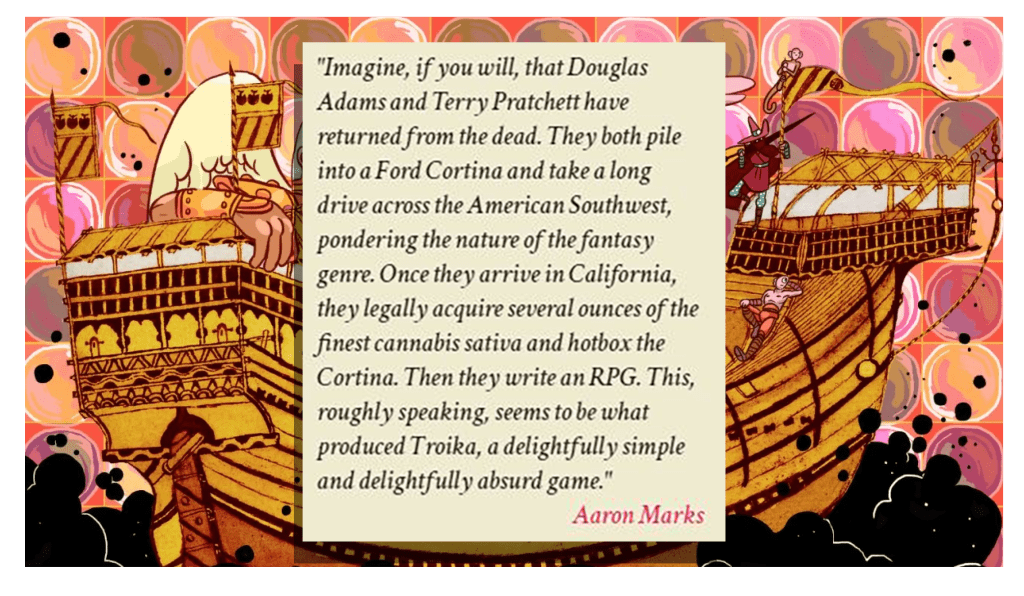
If you’ve never heard of the Troika! roleplaying game, I have a real Scooby snack for you today! As part of our Inspirational Creator Series of interviews, we’ve met with artists, writers, and game designers who break exciting new ground in innovation and imagination.

Here, go see who all we’ve talked to.

Today, we’re thrilled to bring you some insights and musings from Daniel Sell, who is not only Director of the Melsonian Arts Council game publishing company, but is also one of its most talented and mind-expanding creators! Just to whet your appetite a bit on that, let’s quote their mission statement:

The Melsonian Arts Council exists to publish table top adventure and role-playing game books unlike anything the medium has on offer.  To that end we help artists and writers on the bloodied edge of their craft produce beautiful books while helping readers discover this wide, bright world of independent games they never thought possible.

Come on! That’s awesome, right?! Anyway, welcome back to Grailrunner’s Inspirational Creator Series!

Daniel, you’ve said that you run the Melsonian Arts Council as a way to write games without having anyone tell you what to do while you do it. That’s quotable, just so you know, and maybe tells us a bit about your personality. The fresh and innovative approach you and your team are taking with works like Acid Death Fantasy, The Big Squirm, and Troika! are an inspiring breath of clean air in an industry that gets a little hung up on armored dwarves, dragons, and license restrictions.

Thanks for making time for us!

I’m always happy to talk about myself.

Q. Beyond the obvious fact that you have to make games people will buy, what sorts of projects inspire you the most? Is it the game mechanics, the subject matter, the twist on expectations…what makes you smile when you think about spending that kind of effort and time on making a new game?

The thing that sets me on fire is a project that is relentlessly sincere. A major problem with roleplaying game books is that they’re almost always products before they’re anything else, which sends sincerity right out the window. I want books to rip off the mask of best practices and boring choices and let us see what you really wanted to make.

Q. You’ve talked before about things like D&D’s Planescape boxed set as an inspiration for you, imagining a multiverse that maybe lost some of its magic when you were older. Tell us about what sorts of games, books, or films made that magic for you back in the day and what they did right.  

0e and 1e D&D were pretty solidly magic, 2e had a spark of it. Really, lots of games from the 80s and early 90s had a lot of magic to them. They were wild, silly, huge, beautiful and diverse, there were multiple large companies with money making bold choices and beautiful books. Palladium are still at it, and I have an unironic admiration for Uncle Kev and his Glitter Boys et al. (Meet them here) As for books and films, I don’t have much nostalgia for what I consumed back then, it was too hard to find good things before the internet. I still have and love my collection of Fighting Fantasy books, which are almost all immensely bold and idiosyncratic adventures that I love immensely. Something about dungeon merchants and weird things waiting for you to find them just gets me going.

Q. It’s one thing to have cool ideas about games, but quite another to design and publish Ennie award winning works for yourself at your own publishing house. How’d that happen?  

I’m not sure. I started publishing when I saw a guide on a blog explaining the method by which one could assemble a zine at home by hand and I thought that looked fun. All I needed was a zine, so I wrote one. I took an adventure I had run in my home game, tidied it up, and published it as The Undercroft #1. Then I had to do a second one. A big part of the joy of RPG writing is the necessary collaboration that is involved, so I started asking around and working with people I knew and respected in the scene. Over the ten issue run I oversaw I met people who had ideas too big to go in a zine so I decided to make a book instead. Like with every other step, I asked around, talked to people doing the thing I wanted to do, and then did that. From there the world opens up a lot, with crowdfunding and trade publishers and shipping and so on. It continues to open up.

Q. In ‘Letters Of JRR Tolkien’, the professor is quoted as saying:

“Part of the attraction of Lord Of The Rings is, I think, due to the glimpses of a large history in the background: an attraction like that of viewing far off an unvisited island, or seeing the towers of a distant city gleaming in a sunlit mist. To go there is to destroy the magic, unless new unattainable vistas are again revealed.”

French poet, Stéphane Mallarmé said, “To define is to kill. To suggest is to create.”

You said in Troika! “Players travel by eldritch portal and non-Euclidean labyrinth and golden-sailed barge between the uncountable crystal spheres strung delicately across the hump-backed sky.”

What’s that all about?

This is true. Part of the impetus to writing Troika! was a disappointment with Planescape. Growing up I had an incomplete smattering of the core books, leaving massive holes in the thing. They suggested infinite worlds of exciting and absurd wonder in little paragraphs here and there between DiTerlizzi artworks. As an adult I bought more books and it turned out that Tolkien was right, the distant towers were made of cardboard. So I now only fill in the bits I want to fill in, and feel I can fill in while maintaining the tension of a world greater than we can take in with one sweep of the head. I never want to lose that sense of discovery again.

Q. What’s a hump-backed sky though?

The humpbacked sky is an English translation of a French translation of a Greek translation of the term that usually gets translated as “vault of the heavens”.  I prefer humpbacked sky because it is more literal and also less easily skipped over, forcing you to think about it rather than going “yea yea vault of the whatever”. So it is the undulating heavens between the spheres.

Q. Troika! offers a marvelous parade of character types players can become or encounter. But we need to talk about the rhinoman. Tell me about the rhinoman.

I can’t take credit for the rhinoman. I took it from a picture in The Citadel of Chaos by Steve Jackson, a Fighting Fantasy book I read a lot as a child. The image is so bluntly weird and has haunted me ever since. So I thought everyone else should experience it as I did.

Q. I need to geek out a second. You’ve mentioned M. John Harrison’s Viriconium series as one of your inspirations. I sometimes think I’m close to getting him to agreeing to an interview because those stories have been lifechanging for me personally. What’s your take on that collection?

I love them. I came to them late, after Troika was already written, but they solidified an idea I was unable to grab. The Viriconium stories create their own canon, in a way. The first book is quite a normal fantasy adventure, then it just gets weirder and weirder. The future books use the original books words to summon up complex allusions that only make sense in the context of a Viriconium book. Intensely self referential, like a Gene Wolfe novel but spread over a shorter distance. It’s how I approach the weird of the world now, in layers that people can uncover. Impenetrable non sequiturs is easy, and boring. I want to know that there is a trail back to meaning somewhere, even if it’s hard to find. Just knowing is enough.

Q. Can you describe your process for creating – whether the writing or the game mechanics?  

It depends if I’m laying down new work or working on a draft. If it’s new then I wake up and sit in front of a notebook for 4 hours and see what comes out. If it’s a draft I do it in front of a markup word processor because I can’t be trusted with distractions. When writing I limit my reference books since they can become distracting in their own right. I have a book of the names of Catholic saints, a few different books about interesting words, and one or two books of poetry, scripture or product images. The large books are used like divination, when I’m stuck I’ll pick one up and open it at random to see what comes out and use that. The fun part is making that oracle weave in to what you’re doing neatly. I find that process creates a kind of verisimilitude that can’t come from sitting down and making stuff up out of thin air. Going back to Planescape, one of my issues with it is the apparent ease with which they can describe an infinite realm with infinite variety. With this cut-up method we get a taste of real culture, that fractal variance of real life. It’s impossible to make from just one head.

Q. You’ve launched the hardboiled RPG adventure, The Big Squirm quite recently. Anything new you’re working on now is super-secret, but what CAN you tell us about any projects coming out soon?

We’re very busy. I have a few books of my own coming soon; Slate & Chalcedony is a deceptively normal adventure to beat up a wizard in a wizard tower which goes back to my horror roots; Get It At Sutler’s is a (huge) tool for letting your players work a job at a fish market where they can meet people and experience the city of Troika like a native; and I’ll probably have a layer of a Troikan mega dungeon out before that. Otherwise we have another Troika adventure by Andrew Walter, a D&D campaign boxset sequel to Crypts of Indormancy, 2nd editions of Fever Swamp and Fungi of the Far Realms, a Troika based superhero RPG by Christian Kessler, a Dickension burglar RPG by Luke Gearing, and some others I’m probably forgetting. Busy year.

Q. What kind of pitches are you looking for from aspiring writers, artists, or designers right now?

We’re looking for books now. We have a project which we hope to get people involved in creating short adventures set in the city of Troika. Link here for the full brief.

Q. Where can we find more about what you and the Melsonian Arts Council are up to?

www.melsonia.com is the best place to find new things, but we also maintain a stubborn presence on social media for anyone who likes that sort of thing.

On Facebook or on Instagram

Q. Anything else you’d like to let us know?

Times are tough and getting tougher for everyone, the RPG industry feels overwhelmingly tight and the only people who survive are the rich and the stubborn. Be stubborn and make games, please.

*

Daniel, I can’t stress enough how much your approach and your philosophy towards inspiration and the creative process send us over the moon! Thanks so much for the breakthrough work you and your team are doing at Melsonian Arts Council, and especially for the long nights and brain-wracking I’m sure it took to deliver something as mind-bending as Troika! You’re bringing new and good things into the world – we need many more people like you!

Thanks again for making time for us. Best of luck with the blizzard of new products coming. Have a great year!

And till next time,