Oh boy, has this been harder and infinitely more rewarding than I’d thought it would be!
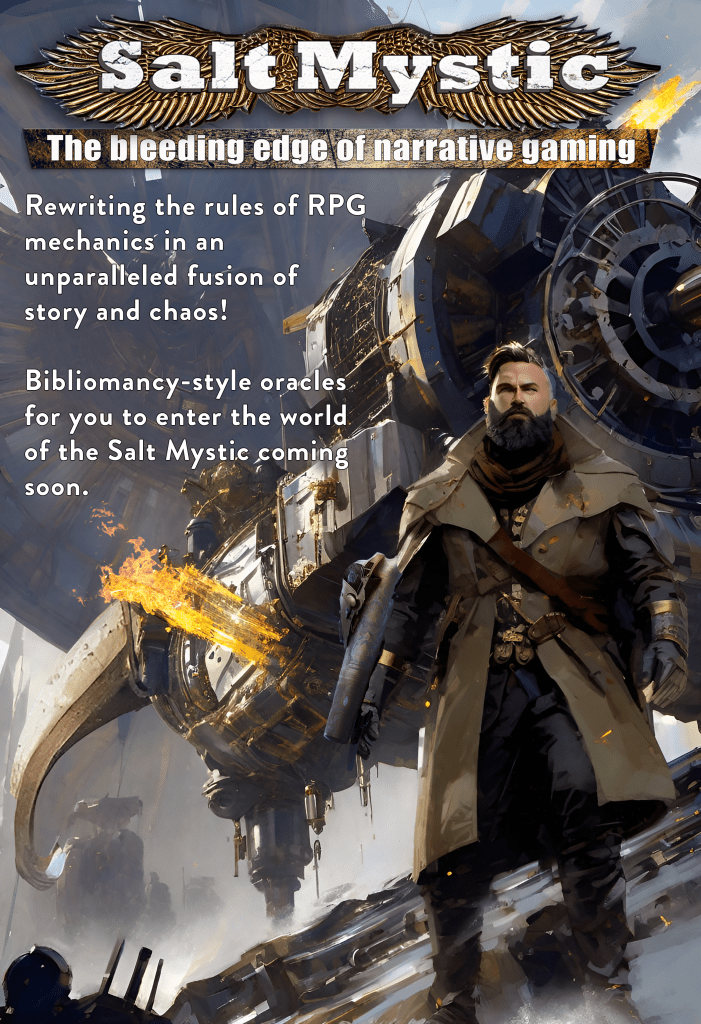
A few months ago, we announced an exciting new project we’re working on at Grailrunner, expanding our Salt Mystic setting into tabletop roleplaying through a bibliomancy-style oracles book. The core idea is to provide a simple engine for exploring a fully realized science fantasy world with its rich history, colorful people and cultures, and the quirks and dangers of exploration contained in the covers of a book. The innovative twist on standard roleplaying oracles, which typically take the form of dice tables, is it will be constructed in a bibliomancy format.
We’re calling it:
I’m the guy writing it and it’s been life-changing. Seriously. I’ve had to stretch my imagination till it hurts to build out a realistic but fantastical world interesting enough to merit exploring and complex enough to come to glorious life for a solo player as well as for groups with a game master…all while avoiding contradictions with stories and materials we’ve already published.
What is bibliomancy?
It means foretelling the future by interpreting a random passage from a book.
How does that relate to roleplaying games?
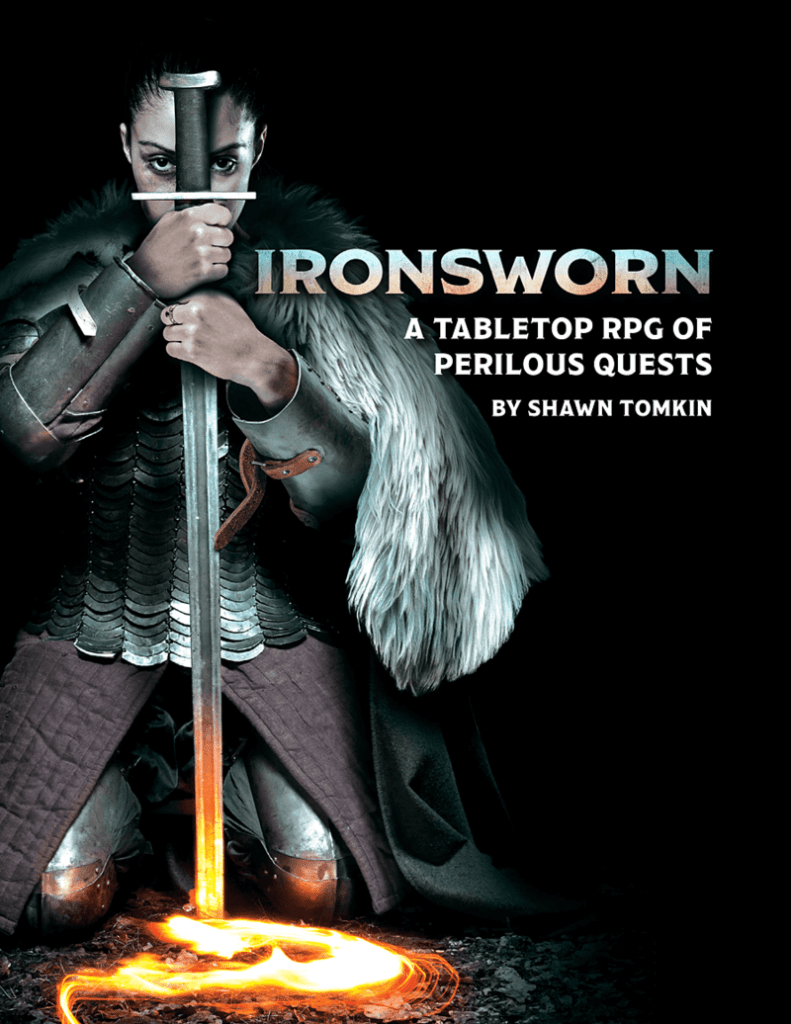
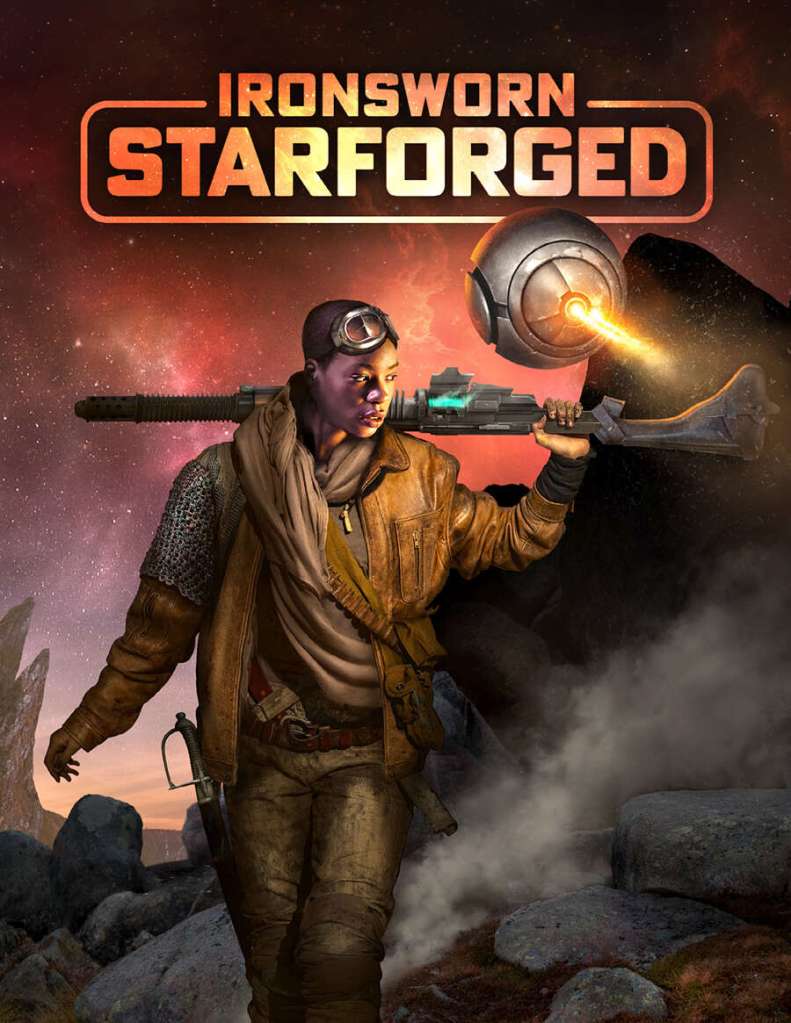
In well-constructed roleplaying games like Shawn Tomkin’s Ironsworn or Starforged, there are layers of dice tables you consult to surprise and throw new encounters and situations at a player. Shawn is a master of this, providing a first impression of a person, then a name, then a more revealed aspect of their character as you get to know them. In Starforged, he provides similar layering for a star system, a planet seen from orbit, then more revealed aspects of settlements as you land your space ship and learn more. This randomness and immersion makes magic happen when you’re trying to avoid a blank page staring back at you (if you’re playing solo) or, worse, a table of players waiting on you to be creative.
More to my point today, he also provides “Action” and “Theme” tables intended to set the scene for a new area you’re exploring or some new situation your player is entering. They’re a bit vague but Shawn has described the marvelous imaginative process we follow in consulting tables like this as “creative interpretation”. What he means is you bring your own thoughts and ideas and filters to bear when you roll for these random descriptive words and make sense of them to drive the story forward.
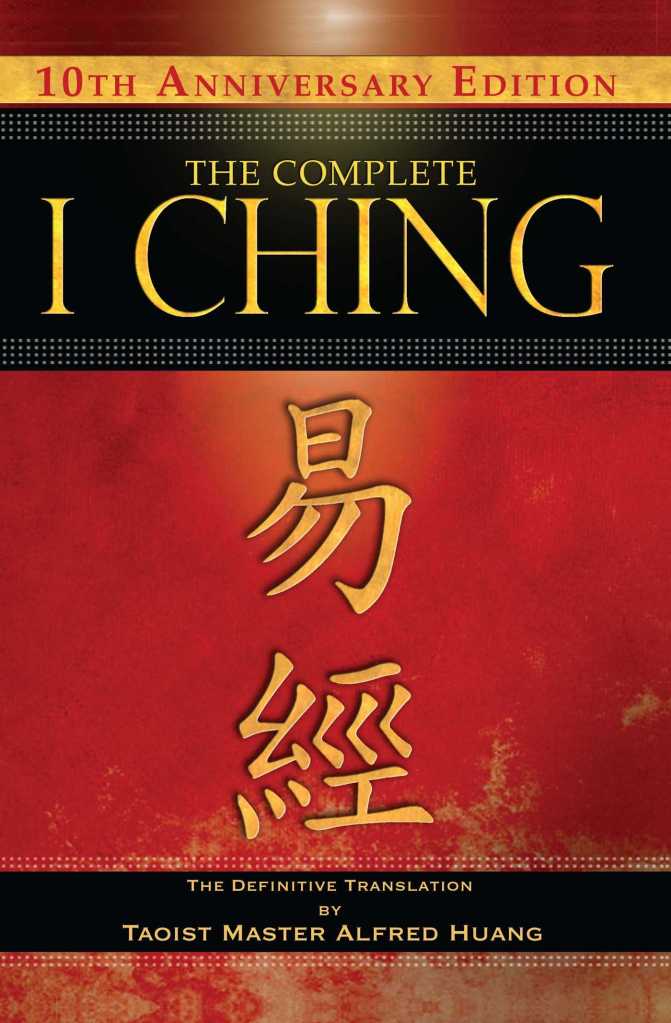
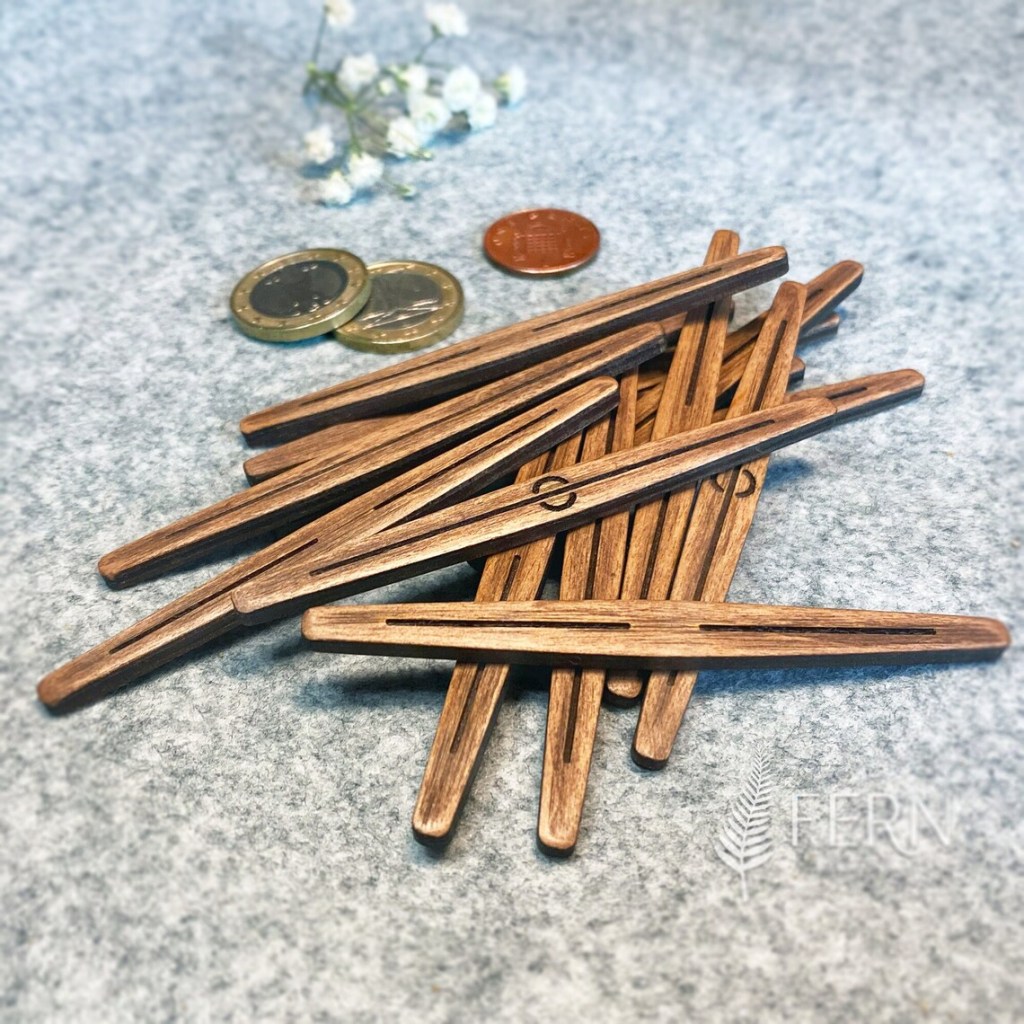
Apologies if you see the I Ching as reflecting a deep reality but I do not and view the creative interpretation process as similarly at work figuring out what a hexagram has to do with a given situation.
So this new book will be a one-stop shop for a roleplaying adventure then?
Yes. I’m being careful to design for use with any roleplaying system (as people are a bit judgey about this) so it can just be an oracles supplement for other systems. However, there are some intriguing things you can only do with bibliomancy mechanics which make it necessary to provide very streamlined rules a solo player or game master can use without any other system (or even dice) at all!
What sorts of new things in the Salt Mystic setting will we see in this?
Wow, it surprises me every week! In another project (called Ruinwalker), we already had designed these massive naturally armored rhinos called “towerbeasts”, bio-engineered for ancient wars but still lingering about. Here, as towerbeasts pop up in various places it struck me that they didn’t have the kind of personality dragons do, jealously guarding piles of treasure and breathing white-hot flames.
So…
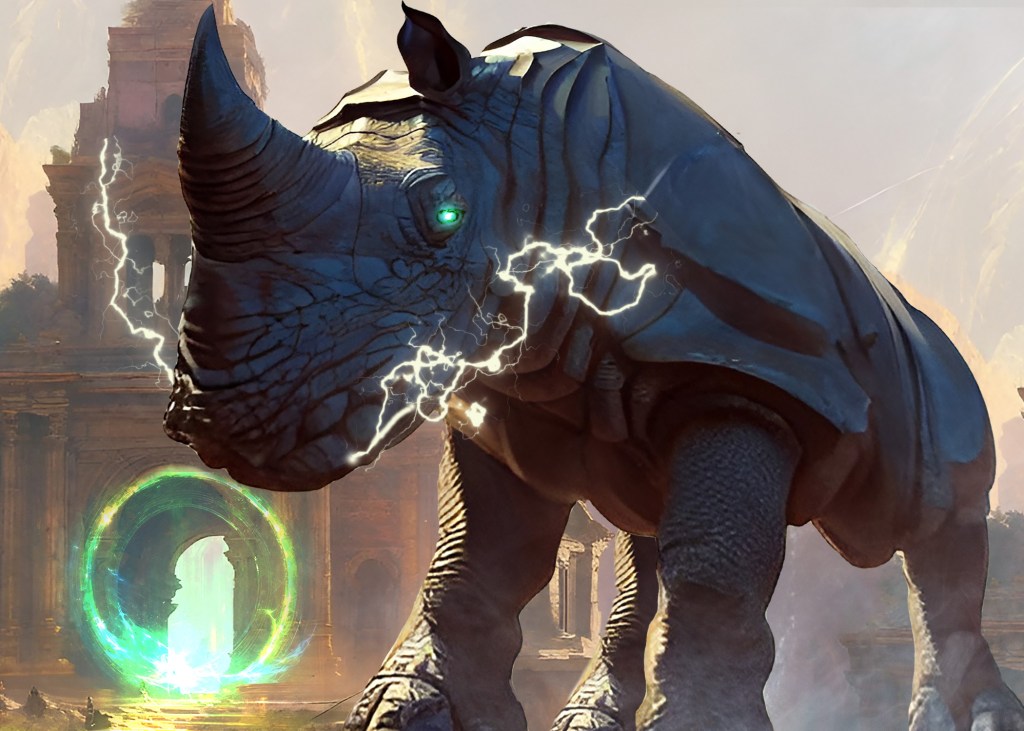
In Salt Mystic, we have all these abandoned gates to pocket dimensions of artificial space, inside which can be all manner of wonders. Suddenly, towerbeasts got taller in my imagination, and curious, fond of idly poking at and lingering about these gates. They might even jealously protect them, creating ugly encounters for adventurers looking to take a peek inside.
And I had them hiss lightning too, just to make it more interesting.
Fantastic! What else?
Oh, it’s something cool every week or so. My background imagination is always running on this. Let’s leave it for now.
OK, what is the creative process for this? What are your influences?
I wanted this to be on an epic scale, with shimmering cities in the distance and a long, rich history that gets glimpsed but maybe not exhaustively explained, giving the feeling of a world that’s existed a very long time and in which terribly and mighty things have happened. I’ve been rotating at random through several classic epics and transforming a randomly selected phrase into something that makes sense in this setting.
These, so far:
- The Iliad
- The Odyssey
- The Ramayana
- The Mahabharata
- Greek mythology
- Metamorphoses
- Lucian’s True History
- Calvino’s Invisible Cities
- Dante’s Inferno
- La Morte D’Arthur
- The Aeneid
- Beowulf
- Gilgamesh
- The Kalevela
- Lugulbanda
- Louis L’Amour books
- The Persian Book of Kings
- Arabian Nights
- Parzival
- Ring of the Nibelung
- The Raghuvamsa
- The Song of Roland
- Pigafetta’s diary
- The Lives of Saints
For example, if a phrase or encounter from a King Arthur story has a betrayal and a virtuous knight, I’ll keep the betrayal and turn the knight into a famous carbine gunslinger. Magical objects become abandoned & mysterious machines.
I’ve also recently started flipping to random pages in ImagineFX magazines and to interesting images on Artstation for inspiration.
What about the game mechanics?
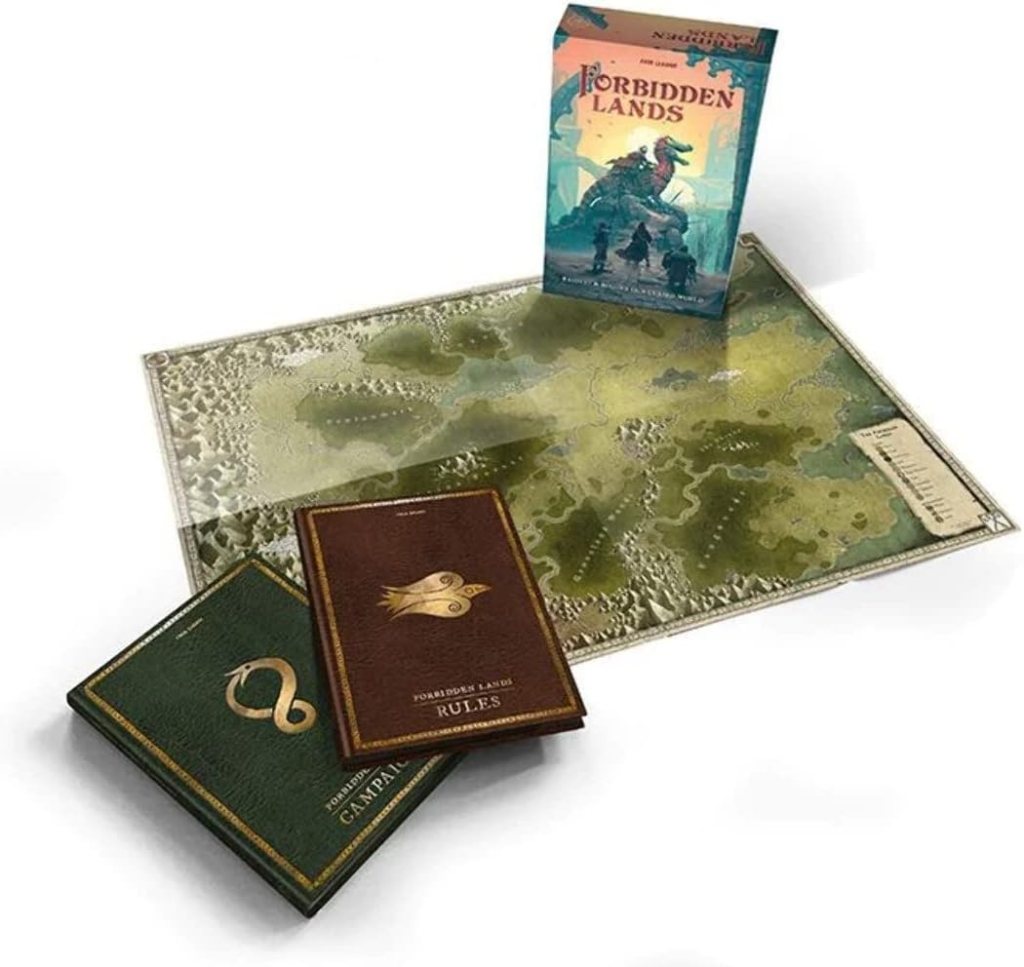
I’ve spent a lot of time researching the best mechanics of various games to translate into a bibliomancy implementation. For exploration, there isn’t a game system better than Free League Publishing’s Forbidden Lands. I’ve taken a spark from them and eliminated dice and the map but tried to keep the general feel of how they treat encounters, story fragments, inventories, and experiences while exploring.
Right now, I’m trying to crack the code on a combat mechanic that doesn’t involve clueless bashing and smashing to grind down hit points. I’m super intrigued by an old, out-of-print game called Riddle of Steel, which contains an innovative and brutal set of rules for realistic combat simulation.
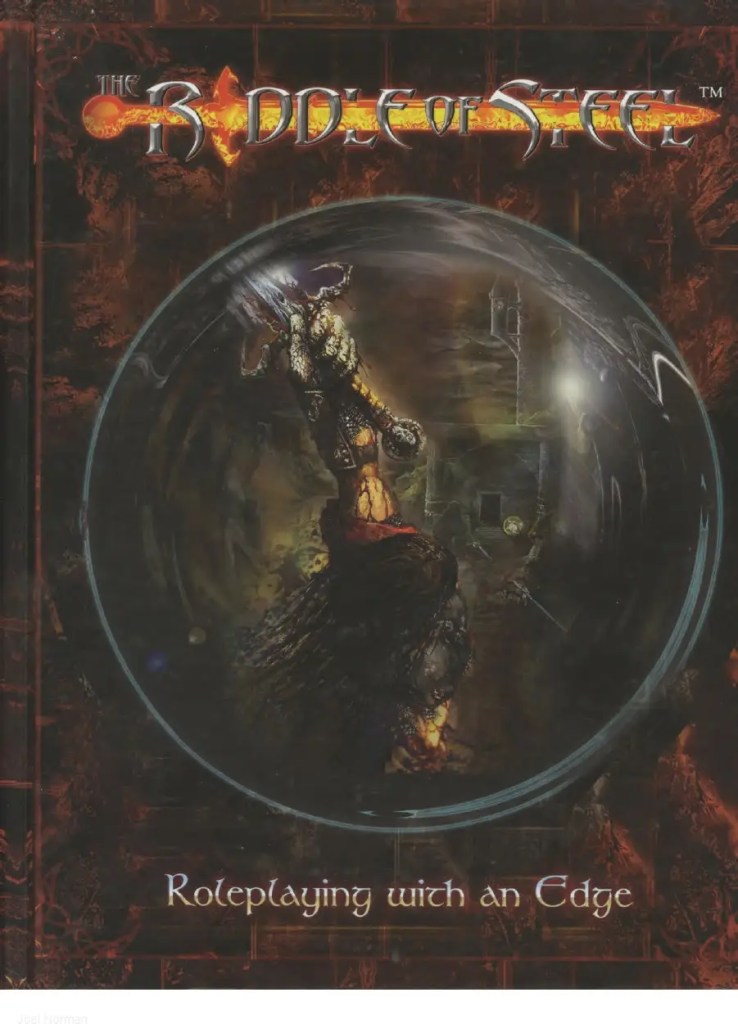
I’ve recently gotten touch with the designer of the game, a fantastic guy named Jake Norwood. We’ll be chatting later this month (I’ll write up the interview for our Inspirational Creator series). Hopefully, I can streamline from the spark of what he has there into something easy but with similar tactics and feel that leverages my format.
Anyway, I just wanted to celebrate a bit and catch everyone up on what’s happening here. I’m targeting 60k words for the text of this, a middling sized novel word count. When I crossed 30k words this week, I felt like cheering. It’s fun, but a real stretch.
I hope this intrigues you, and that you’re okay getting the occasional update as things evolve. Till next time,
 Grailrunner Publishing