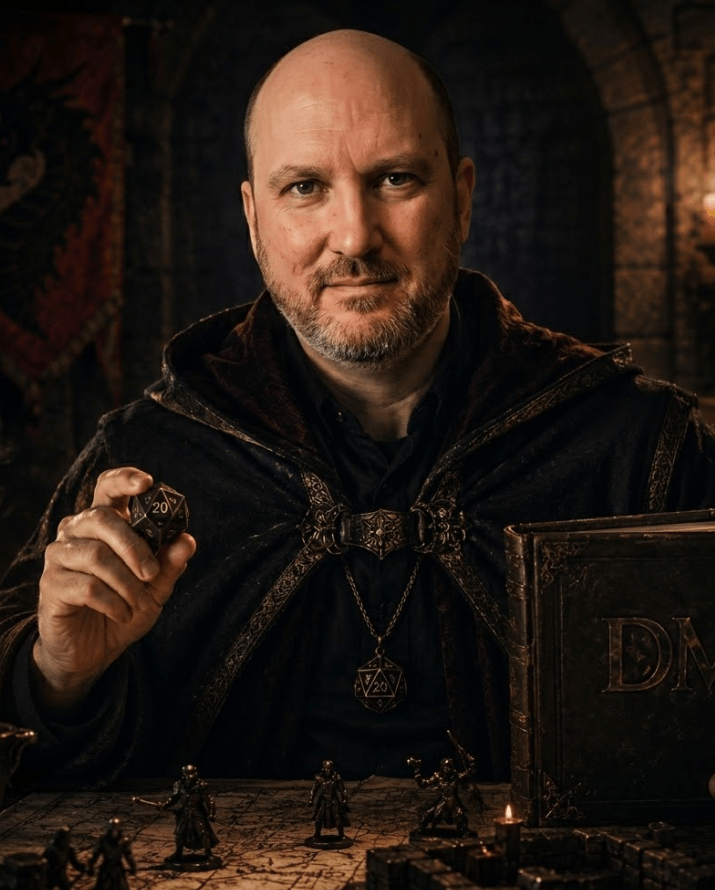
Let’s talk to Michael Weems: the Dungeon Master building the future of roleplaying with AI

Michael Weems is a lifelong Dungeon Master and entrepreneur, longtime Chief Digital Officer of Heritage Auctions, and creator of ZapGM: an AI-powered tool looking to explode how tabletop worlds are built and experienced. We’re going to dig in with him today and talk about tabletop roleplaying, the potential and the risks of AI tools, and what it takes to build a mind-bending evening in a game.

Welcome back to our ongoing series of interviews with innovative creators in science fiction & fantasy storytelling, art, and gameplay! We call it the Inspiration Creator Series.
Michael, thanks very much for spending some time with us! Dungeon Masters are one of the great unappreciated treasures of the world. If no one ever said so, let me just thank you for the long nights googling folklore, drawing maps, printing off cool handouts, and practicing your weird voices. That’s awesome, and we all appreciate it.

That’s a great intro. Glad to be here.

Q. Let’s get your nerd credentials out of the way so we have everyone’s attention. How far do you go back with D&D or other RPG’s and which ruleset do you prefer?

I’ll explain by way of a trek down memory lane for us, um, more seasoned gamers. I was first introduced to OD&D by my friend’s older brother, I think around 1980-82. That would make me maybe 13 at the time. That friend started running for us soon after, and he got the Basic set with the dice you had to color in yourself with the provided wax pencil. I became a Dungeon Master in high school around ‘83, and a Game Master in college in ‘92 when I got hooked on Gurps and Champions for their one system, infinite worlds approach. Champions turned into Hero Games and I ran that and 3.5/Pathfinder mostly for a few decades. However, some of my favorite experiences have been with the Conan official D20 RPG, Warhammer Wrath and Glory and Eclipse Phase game systems. Those provide nuance that is hard to replicate from an “everything” system, and I highly recommend.

Q. What were your biggest creative inspirations growing up?

This may be cliché since everyone around this time was heavily influenced by them, but my influences came from shows like Star Blazers, Battle of the Planets (Gotchaman), Conan, & Star Wars. Literarily, books like the Stainless Steel Rat by Harry Harrison (I have a very dry sense of humor) and later by Snow Crash by Neal Stephenson and The Neutronium Alchemist by Petter F. Hamilton (I love hard sci-fi). It’s almost embarrassing how normal that is.

Q. In the prep for this chat, I saw that you mentioned having created several RPG’s, even selling 50 copies back at a convention in 1990. Let’s pause on that – pitch that game to me now. What made it different?

I’ll get the boring one out of the way first. I made a game adaptation of the movie “TAG: The Assassination Game”, from 1982. In this game, called Slayer, the players really hunted each other to the death for sport and profit, while the cynical public spurned them on through prizes and ad revenue. With that out of the way, here’s the sale pitch:

You’re a high school junior, your girlfriend Julia just broke up with you, and you are drowning your tears with your buddies down behind the bleachers late one Friday night. As the third beer is just starting to hit, your friend starts telling ghost stories about the local hermit that’s been hanging around campus lately. It’s absurd gossip, and it gets more fanciful as he spins the tale, but you’re loving it. Suddenly, you hear your name screamed from the woods. Not called, but screamed. It’s Julia, you’re positive, and you don’t know what to make of this. A cruel prank. Real trouble? Doesn’t matter, you have the disadvantage “must investigate strange occurrences alone”, so you tell your friends to wait there while you see what’s what.

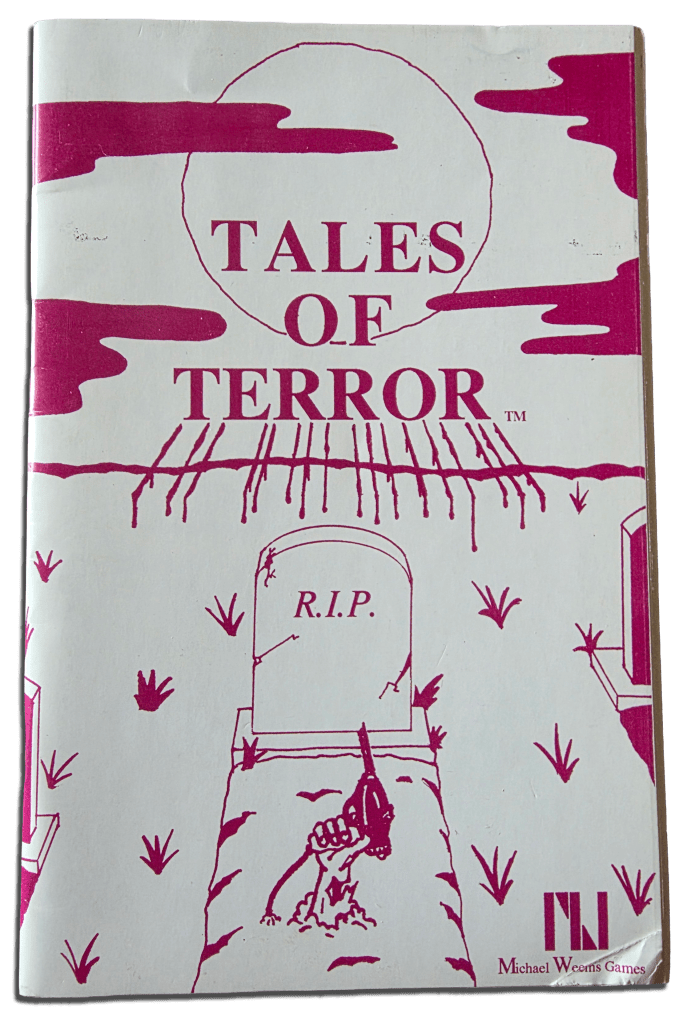
The game is called Tales of Terror.  It is a very simple game meant for the rules to take a back seat to the role playing. You play a character in a horror movie, which could be a victim aspiring to be a hero, a monster or a villain. You build your character with advantages and disadvantages that that were all about flavor. For example, a victim might have an advantage of “scream that can be heard a mile away through solid rock” (Julia), but a disadvantage like “must split from group when in danger” (Julia again) or “car won’t start when in danger” (let’s hope that’s not you, because you feel that urgency to investigate). A villain might have “surprise appearance”, but also “must lecture victims for X rounds”, etc.. The game works great with both seasoned role players, and total novices equally well. Thanks for asking, as now I have a strong desire to break it out again.

This was 1991, and I was inspired by “It Came From the Late, Late, Late Show”, which is similarly themed but very different gameplay.
Q. My personal most memorable RPG moment was back in the 90’s playing Call of Cthulhu with my buddy, his semi-girlfriend (which I thought might have been better off as my girlfriend) and some folks I didn’t know. There was this book that drove you crazy if you read it, and my character tore off a page to carry it around and weaponize it. Anytime somebody gave me crap about something, I just showed them the page. Anyway, as I was descending into a basement researching weird noises, my buddy killed me with some floating whirling blades. She begged him to resurrect me. Yes, he won and I was dead. But she was impressed, and that’s what mattered more at the moment.   

How about you? What’s your most memorable tabletop moment?

Not joking, I just laughed out loud. I didn’t think I would have to compete with the interviewer, but here goes. I love stories, as they are why we play, but I will limit myself to two and I hope you have room for both.  

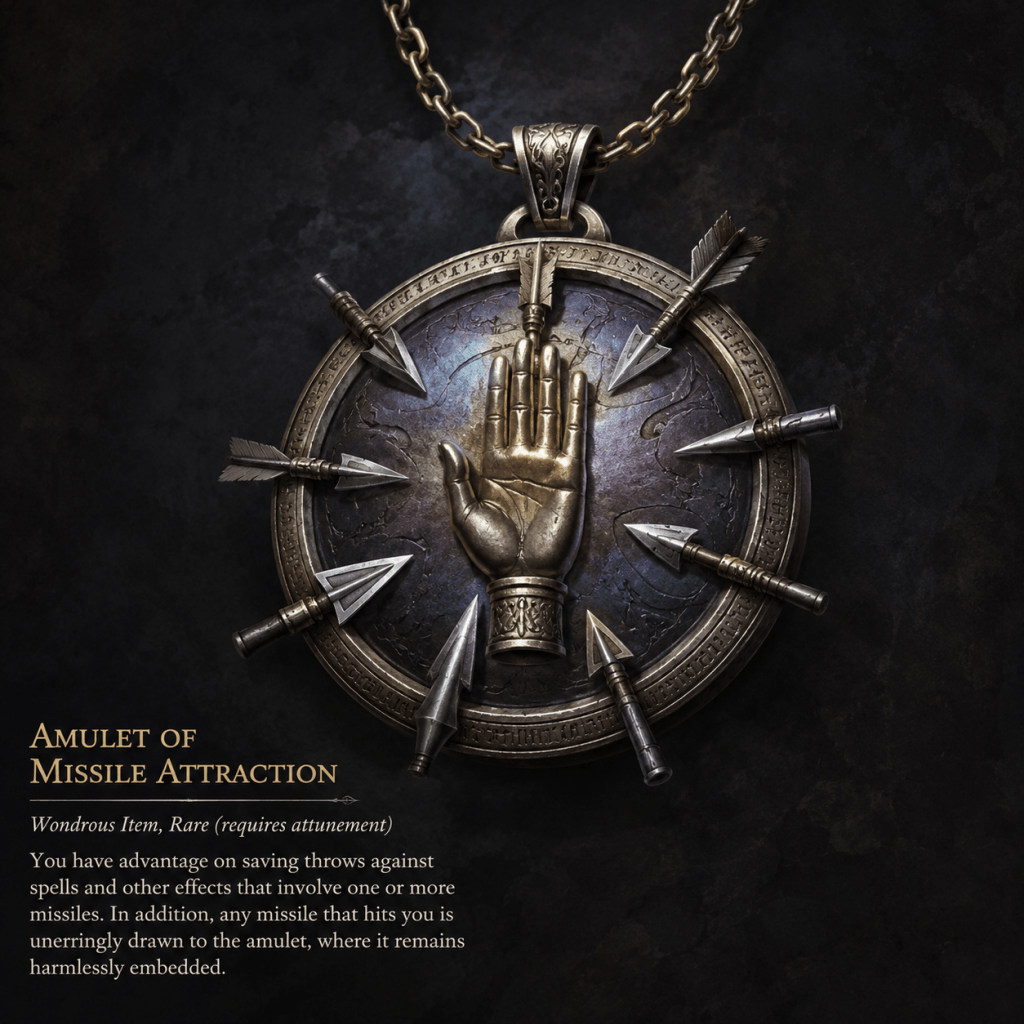
In the first, I was running D&D in college with people that are mostly still in my group today. One of them got an amulet of missile attraction in loot and thought it was missile deflection. The next fight was against a bunch of bugbears, many with bows. This player was a pin cushion by the end of the fight, and I was ready for him to lay it on me. But when the dust settled, I swear he said out loud to the rest of the group, not even remotely ironically, “just think how many times I would have been hit without this amulet!” I had no choice but to tell him the truth; it was too cruel at that point to continue. In his defense, to this day, he swears that I had previously stated that I never give out cursed items. I may have lied.
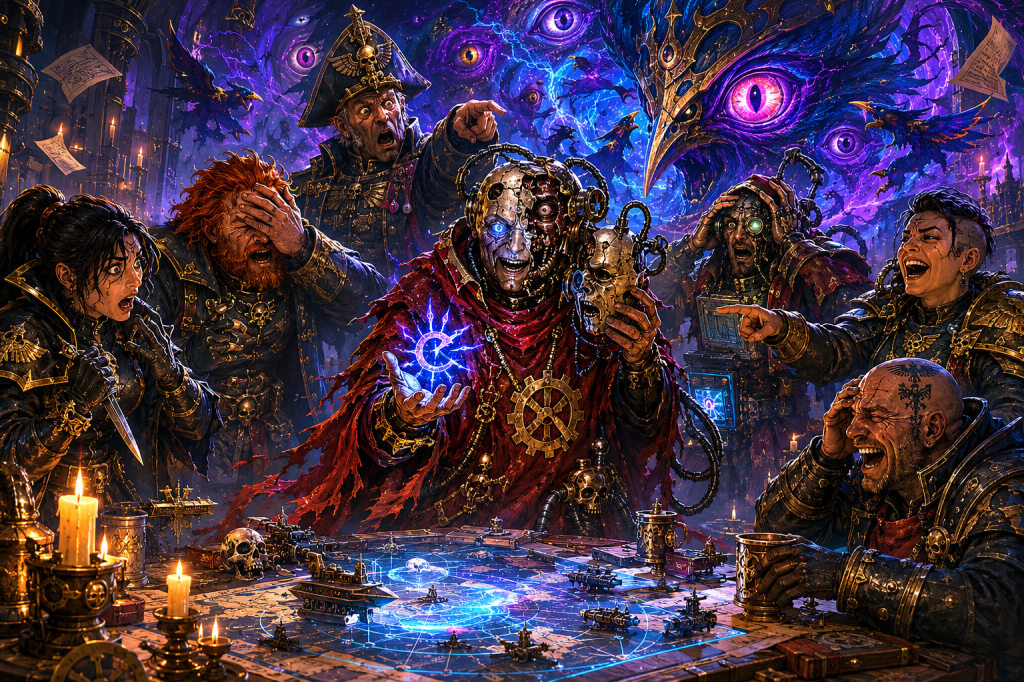
The second story is much more recent, same group. I was running Warhammer and the players were led by a rogue trader and solving a massive mystery involving all the gods of Chaos, with a universe shattering artifact. Throughout the story, the party would encounter subplots relating to one god or another, and discover how these disparate encounters were starting to weave into something larger. The one god that they had not had even an inkling of was Tzeentch, the god of plots and manipulation, among other things. Even though we have some real Warhammer fans in our group, they didn’t take notice of this, so they weren’t as suspicious as they should have been.

My master plot involved getting a Tzeentch spy onto their ship, and this spy was a servitor that they encountered named Solon. He still had some of his faculties and so could communicate better with the party, and they found him at an abandoned ancient research site for the Mechanicus Adeptus. I really hadn’t figured out how I was going to get him to weasel his way onto their ship, and so was going to have to just role-play it based on how they reacted to him. It turns out that their reaction should not have surprised me, because “party see likeable NPC, party adopt NPC”, which is what they promptly did. I was floored, but I knew that when the reveal happened many months later, nobody would believe that I had planned for him to be the spy all along. So I called another close friend, explained to him what happened, and let him know that I would one day call upon him to reveal my secret.

6 months passed, dozens of games where the party was harassed, outmaneuvered, and backstabbed to the point that they started questioning everyone and everything… but inexplicably, not Solon. And then on the final night when the time was right, I stopped and made a phone call without preamble. As the phone rang, I put it on speakerphone and the party started asking what I was doing interrupting the game like that. I just raised a finger and waited. The other friend answered the phone and I said, “I’m here with the group, and it’s time for you to tell them your secret”. When he explained that Solon was a Tzeentch spy and that Tzeentch had orchestrated the entire campaign, the groans and guffaws were like precious food for my soul, and we all laughed until we cried.
I should note here that I don’t think I could have orchestrated such a complex plot over such a long time and with such detail without ChatGPT. I was not a big Warhammer fan prior to running, and so ChatGPT would not only council me on the rules, but also the lore as I went.  Together, we brainstormed and created the whole thing with way more detail and accuracy than I could have mustered alone.

Q. What is it about roleplaying games that inspires you? Yes, escapism is nice, but is there something more to it?

I play games for the fellowship and the memories that enrich my life. I lost a friend to a heart attack (sorry for the downer), and what I have left of him are those memories. Maybe they aren’t better memories than playing golf or going clubbing or whatever other people do together, but they feel more intimate to me. Role playing is the kind of shared experience that non-gamers are missing IMO.

Q. Why be the Dungeon Master, though? What made you gravitate to that role rather than just showing up to eat somebody else’s Dorito’s?

I run games for the creative outlet. I try to create universes, plots and NPCs, which lead to interactions that are immersive and fun. I like for the games to be mentally engaging. When I craft a story arc, I never figure out how the players will overcome it. I have realistic events and adversaries with their details and motivations, and the fun for me is seeing how the players solve the problems. Besides apparently lying about cursed items, I have built a level of trust with my players that I run realistic worlds with realistic NPCs, such that they can be creative in their problem solving.

A recent game in Eclipse Phase is a great example. The goal was to save a commune of people who refused digitization from being forcibly uploaded and made into indentured servants for a corporation that held a legal debt claim against them. To the system, it was debt repayment; to them, it was death. The players only had to delay the hired mercenaries long enough for the legal wrangling to work its way through the system.

Since there is no real death in this game when you have a backup of your ego, I thought the players might simply fight the mercenaries. Instead, they uncovered rumors that the commune’s youth were contemplating suicide to avoid being digitized (a throwaway comment I made during role playing off the cuff). The players latched onto that, decided to spread the rumor further, then fake the commune’s suicide pact by collapsing the tunnels they lived in on the moon. In reality, they hid the commune in a secure bunker and let the clock run out while their legal maneuvering took effect.

I adore that sort of outcome.

Q. Tell me about how prepping for games has changed over the years. I imagine the 90’s, the 2000’s, the 2010’s, and now. So we can see the contrast, what was all that like in those different periods?

In the 1990s, prepping for a game meant a pad of notebook paper, a pad of graph paper and a no. 2 pencil. I might occasionally have a printed module, some artwork or other collateral from a Dragon Magazine, or perhaps something I made with Mac Paint on my Plus, but the ideation was all me, and the props were severely limited by my art skills (see the Tales of Terror cover above as proof).

Later, Google helped with the collateral, although I was still limited to my own experience and creativity. I don’t know of many game masters that have a confidant that they can bounce ideas off of, nor artists volunteering their custom art. It’s usually us alone, doing our best. That said, Google Image Search at least gave me a way to visually show what was going on in the game.  

More recently, we got AI for both brainstorming and artwork. As it’s gotten better, it’s become an expert on my games and my worlds and is a springboard to take my games to new heights. Not only has my game prep been cut dramatically, but at the same time the game materials have gone way up in quality.

Now, I use my own tool, ZapGM.

Q. And what will it look like in the 2050’s?

About 20 years ago, I saw Ray Kurzweil speak about the singularity and the future of society. Mind blowing stuff that is coming to fruition in the next 5ish years IMO. And more recently, Elon gave an interview where he said that once we hit ASI (Artificial Super Intelligence), that all bets are off, and I tend to take that approach. So 2050’s, tough to say.

But in the shorter term, I think we’ll get AI and robotics to the point where nobody has to work. And I think that, possibly after some turmoil during the transition, we’ll end up with universal high income, where it feels more like retirement than unemployment. As someone who would like to retire in the not-too-distant future, I like to think of it that way. When people tell me they’re retiring, not once have I thought to offer condolences. Instead, I congratulate them on being able to unshackle themselves from the work week just to survive, and on finally being able to thrive by doing whatever they find valuable.

Q. You’re building something exciting right now. Tell us about that.

As I optimized my processes for prepping my games, I started coding ZapGM just for myself. There are prompting techniques, as well as agent scaffolding that can be applied to get levels of consistency, accuracy and creativity that the chatbots can’t do on their own at this point. As I honed that system, my youngest son asked if I could add some features to help him run for his friends. None of them wanted to GM, and he didn’t feel confident enough in the rules, much less the creative side of making new campaigns… so I added more features. Eventually, my party encouraged me to finish out the feature set and launch it for public use, which I recently did. As a long-time entrepreneur, the experience isn’t that new to me, but the fear of failure and rejection is just as real the last time as the first. The site just left early access, so we’ll soon see.
Q. I see exports to Roll20, Foundry, supporting Pathfinder and D&D simultaneously – it seems you’re interested in integrating with what’s going on rather than replacing. Am I wrong about that?

Because I made this tool to be helpful to me, I never saw it as competition for what’s out there. In some respects, it supports whatever game masters are currently doing. One way it does this is with pre-made maps that can be exported to those other systems. I even wrote what I think are the best online guides for importing maps with vectors into Foundry and Roll20, better than their own documentation. Another is with map editing tools that have much easier to use vector creation/editing, square and hex grid support, plus AI inpainting for tweaking maps. I encourage my visitors to use those tools to improve what they’re already doing elsewhere.

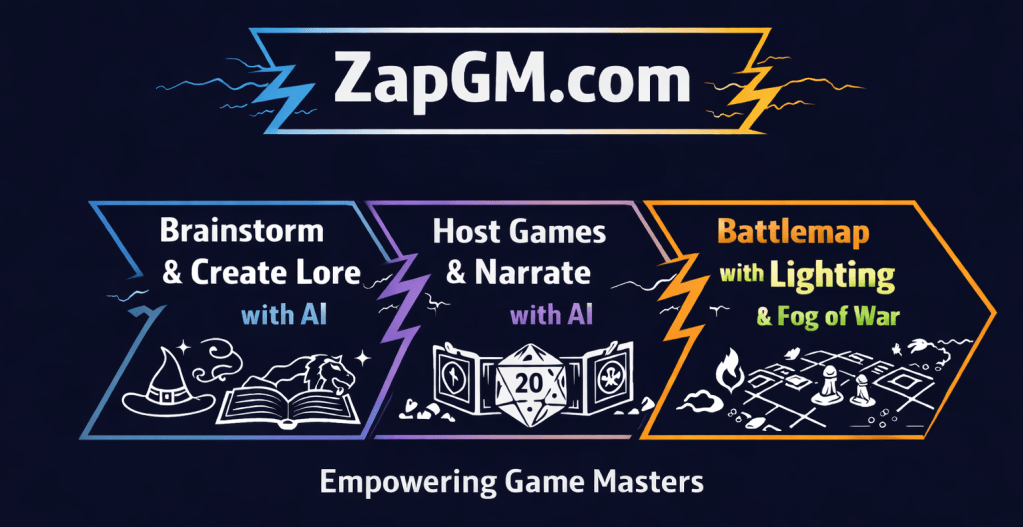
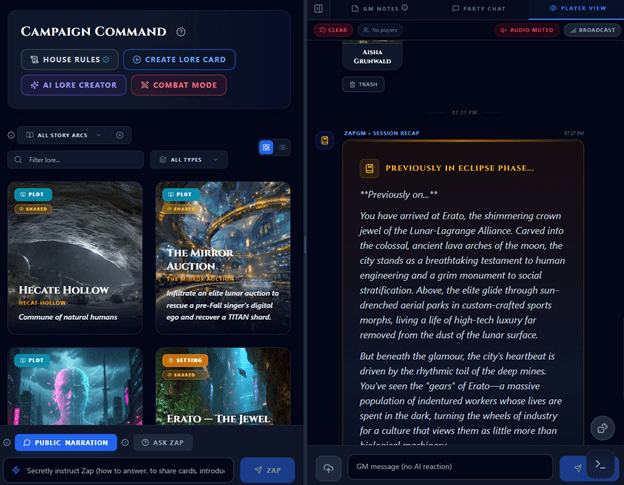
Additionally, ZapGM is a different way of viewing the world building, maintenance and hosting than other systems. It aligns with the way I create and run games, so time will tell if that appeals to a broader audience. You use it in three stages. The first is to brainstorm with Zap about the world and generate rich Lore Cards (Settings, Plots, NPCs, Adversaries, etc.). The second is to broadcast to your players with a shared canvas, where uniquely the players can come back and interact not just with their PCs, but also read the shared lore, create new PCs and Summons and more. And lastly, as the game master hosts the game, the AI can help generate unique narration with text to speech where each NPCs gets their own voice. And one of the coolest features IMO is that there is an AI overseer that watches the narration and automatically suggests and makes approved edits to the Lore Cards. So if the players anger an NPC, the Overseer will suggest noting in the NPCs Lore Card that disposition and that the players get disadvantage on future rolls. And if the game master decides to roll that back or regenerate the narration, the Overseer puts the lore cards back to the way they were before that encounter.

Maybe that sounds just technical, features in a website, but that is some of the most fun I’ve had creatively lately. Figuring out what features to add and then designing them is fun, and I even invented two new features (I have two patents pending). At some points in developing this site, I got so focused that I worked 20 hour days for several weeks straight… and promptly got sick. So I can’t say that I recommend that, but it does illustrate the level of creative energy I was pouring out.
Q. I sometimes see people pushing back on AI like a little guy with a sword wading into the waves swinging left and right and shouting to get off their beach. Yet there’s a lot of passion around this topic. I think AI slop is real but avoidable. Artists should be compensated for their work, but image generation tools are almost certainly going to be a tool in the workflow of future generations just like stock images, filters, 3D nodes, and asset libraries. My take, anyway.

What’s your position on AI in creative arts and particularly, roleplaying games? How do you address some of the valid concerns?

I agree that there are real issues around AI taking jobs, and as I said above, I think society will change in many ways we can’t predict, but we can act humanely and empathetically as we progress toward that new future.

As for game masters and players, I am thrilled with how AI can empower us all. No game master is going to commission artwork for their weekly game with 3 friends, or commission a writer to brainstorm or hone their plots and narration. AI filling this gap is enriching everyone involved IMO. For decades, this has been an unsolved need, and the improvements for me and my players are tangible.

PS. I have a friend that flirts with Grok. Let’s not go there.

Q. You’ve got a great take on Non-Player Characters in games, insisting that they be believable and not “quest dispensers”. Tell me about that.

I almost got a writing degree, and out of that came my passion for storytelling. Good stories are populated by real people, with real motives, that behave in realistic ways. I want my players to be so immersed in role playing their character, that they feel like the world they are inhabiting is real. When that happens, it’s magic. One of my players ended up so drunk in the Conan campaign that they woke up married to the daughter of a local merchant, dowry included (a goat). The wife and the goat stayed with them for the rest of their adventures and were the subject of many shenanigans. I live for that.

Q. All right – let’s wind it up with a banger, then. Tell me your absolute ideal experience you imagine in a roleplaying game. Get crazy.

The year is 2038, my brain is integrated with my AI assistant and my personal humanoid robot is integrated with that. Each of my players, my lifelong friends that have been with me for 50 years or more by now, have the same setup. As we cast a portion of our consciousness into our physical avatars, they step forth both in the real world and into an alternate reality with the aid of AR/VR. Although we are each in our various comfy spaces with our real bodies, me on the shore of Interlaken Switzerland, Brent in his mountain cabin, Matt in a permanent renaissance community, Bill sailing the deep blue and Duane in a Tokyo high-rise, our avatars step into the Conan universe yet again. Something about that world keeps drawing us back.

Your readers might think that I would be only a player now. But something I think many players don’t realize is that game masters do it because they love it, not because they have to. So, I imagine that as we step into the game again, I am both orchestrating the adventure with my AI assistant and also getting to be part of the adventure to boot.

Thank you for giving me this opportunity to share my story. I hope your readers will check out www.ZapGM.com and more importantly, find it useful.

*

Thanks again for your generous time today, Michael. It was a blast, and I’m looking forward to seeing more of what you’re up to as things take off for you.

Till next time,

The Most Realistic Simulation Of Combat In A Tabletop RPG: Let’s Talk To Its Designer!

For some roleplaying gamers, the thrill of the game comes from cautious, dangerous exploration of the unknown with a hissing, hungry beast potentially down every corridor. For some, it’s the “beer and pizza” comradery and casino-like feel of the dice deciding life and death. Many love the unfolding stories, to gather “there I was” anecdotes like they’re candy.

But some of us want some blood and consequences.

Youtube is crammed with advice on how to make your tabletop RPG combat more realistic, but there’s a fellow you’re going to meet here who may have cracked that code with a rocketship of a game from the turn of the millennium called The Riddle of Steel.

So you should know…Jake studied and taught at a leading historical martial arts organization, was co-founder of the Historical European Martial Arts Alliance, and held championship and rank positions in multiple disciplines including the number one position in the United States for the longsword. He’s not just some nerd cranking out dice mechanics, though when we spoke, he shocked me with his depth of RPG knowledge and passion. He’d even heard of Feng Shui Action Movie Roleplaying, which that alone would have made him awesome.

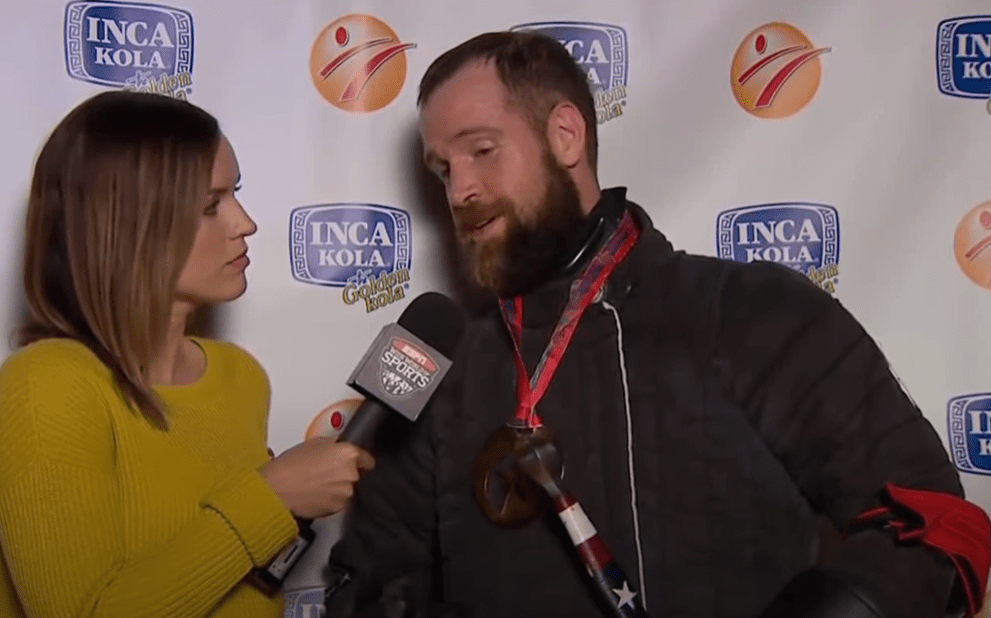
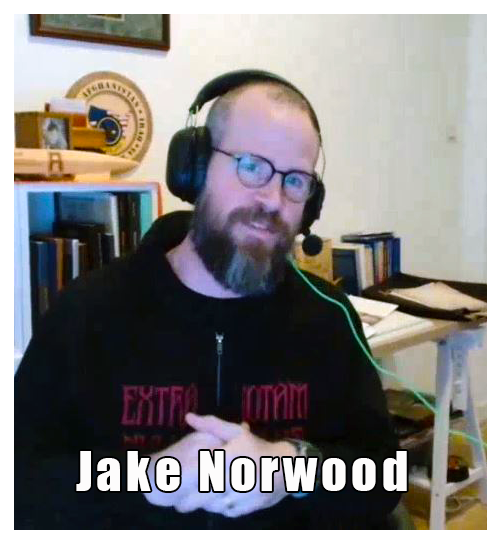
Here he is. Watch this and try not to grin at this guy.

Anyway, today he might be head of the European cybersecurity business for a global consulting firm and a Ted Talk waiting to happen, but why brag about that when you created something many consider as the most realistic simulation of combat in a tabletop game? I sat down with Jake in December to talk about everything from The Witcher to D&D, from the reality of trying to stab someone with a sword to being front-row at some legendary developments in roleplaying games. Our chat was a fascinating tornado of influences and inspirations, and, sadly, I can only present here the heaviest-hitting topics and exchanges to keep the size manageable (puns intended). I hope you enjoy hearing from him as much as I enjoyed our conversation.

Welcome back to our Inspirational Creator Series!

As always, my main interest in hearing from Jake was to understand his inspirations and influences, what drove him to create something in the first place and from what wells he may have drawn as he did so. Before we get into any of that or in any details here, let me hook you a bit on what innovations and experimentation made Riddle of Steel unique.

Riddle of Steel Overview

The game itself (Driftwood Publishing 2001) is a D10 dice pool system, meaning you’re trying to accumulate as many 10-sided dice as you can for various rolls to see whether you get the outcome you want as the story plays out. The setting is a massive continent on a roughly earth-sized world (both named Weyrth) and replicates many familar low fantasy sword & sorcery elements. – though with plenty of room for vicious, deadly combat. And that’s where the system really shines.

Spiritual Attributes: Like many systems, characters receive stats based on their backstory and natures to affect dice rolls. Here, these include Strength, Agility, Toughness, Endurance, and Health as well as Will Power, Wit, Mental Aptitude, Social, and Perception. However, this ruleset also provides for Spiritual Attributes such as Conscience, Destiny, Drive, Faith, Luck and Passion: traits derived from your character’s backstory and which can change over the course of the game. They have mechanical consequences for gameplay but also have a magical way of driving roleplaying and heightening dramatic moments.

Combat Initiative: Commonly, the turn order of combat moves in a roleplaying game is determined by an Initiative dice roll. In Riddle of Steel, opposing players (or the game master rolling for a non-player character) declare a fighting stance up front which can provide stronger attacks and defenses at the cost of predictability and flexibility. Players then simultaneously uncover either a RED or a WHITE die to either ATTACK or WAIT. Imagine two boxers eyeing each other amid their footwork to gauge the next move and size up their options.

Terrain: The ruleset encourages description of and integration with the environment in which the combat is taking place. In fact, page 77 offers Target Numbers to roll against so that things like swampy ground or tight spaces affect gameplay. To me, this opens up all kinds of interesting twists in a fight given the props and surrounding conditions either fighter might take advantage of.

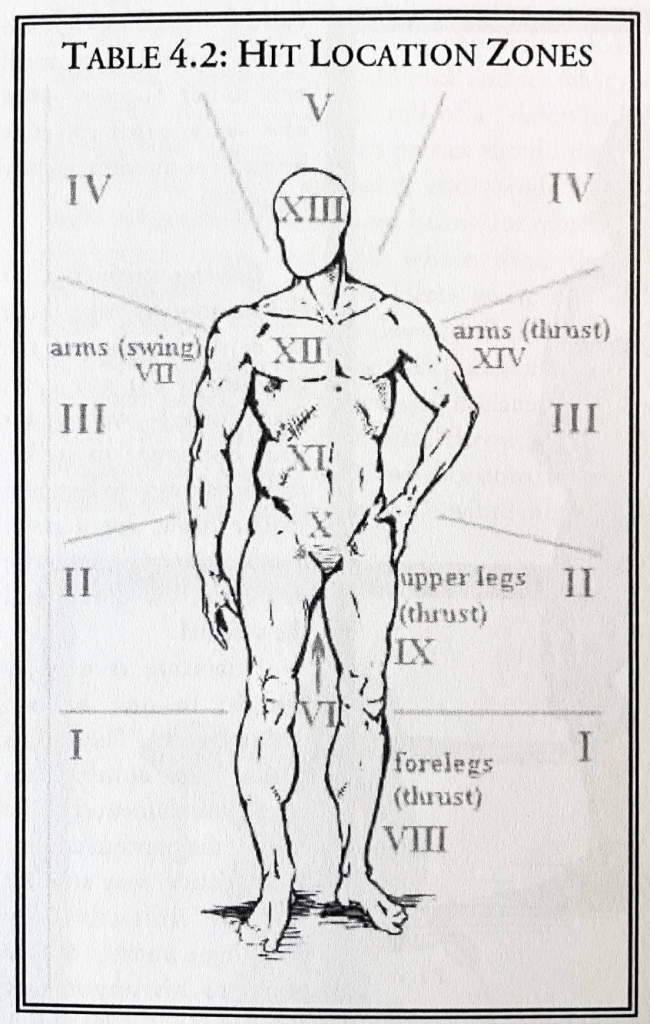
Hit Location Zones: When you make your attack, it isn’t blindly at the opponent so much as an attempt to strike a specific target. It’s part of the attack. Looks like this:

Detailed Damage Tables: I understand this is one of the areas for which the Riddle of Steel ruleset was often criticized as being too clunky and slowing down the game. My take is a bit different though. There are tables here for Cutting, Puncture, and Bludgeoning damage for each Hit Location Zone. Just have them handy and printed separately, man. Doesn’t take long to find what happened And it brings a gruesome and fierce edge to the fight. Honestly, combat doesn’t take longer than a turn or two in this game anyway.

That’s right. You can die in combat in Riddle of Steel. Fast.

Let’s Hear From The Designer!

Jake, What were some of your earliest influences and inspirations? [The actual conversation has been paraphrased and edited for flow and space considerations.]

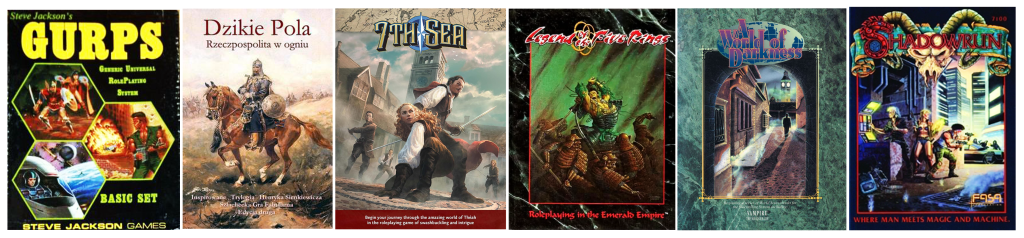
“I started with D&D Second Edition, kind of a blend of 2nd and 1st Edition because I came in on the cusp between the two. At some point, I also played Shadowrun, and played a pretty healthy amount of Warhammer Fantasy roleplay, which was my favorite of the lot. And fictional inspirations too. I’d read some great novel that I wanted to play in a game. I would look at which of the games that I played would be easiest to hack or home brew.

“I bought a D30 once in a game store as a novelty. What the hell do you use that for, right? So Marvel Studios back in the early 90’s in the heyday of Jim Lee and the New X-men rebranding, they published these cards. You know, collector cards of all the Marvel X-men superheroes with stats on the back. So I used my D30 and those stats to write my first ever coherent roleplaying game. I don’t know. I was, maybe 12 or 13. Then at one point in high school, the whole World of Darkness thing got really huge. So I played some Vampire, some Werewolf, and some of those other spinoff games. And GURPS, this idea of modularity and all that. These were all heavy, heavy points of inspiration for me.”

And The Witcher books?

“Right. I spent a couple of years living and working in Poland and learned to speak Polish. I started reading them before the last one was published. I read Sapkowski’s works while I was in Poland, in Polish, and I was just so energized by them! I thought they just captured my imagination in a huge way! When I got back to the U.S. in late 1999, early 2000, I wanted to play The Witcher. I wanted to do something that had this vibe of really cool combat, right? I wanted to do something where the players are making choices about what the character is doing in the fight. I didn’t want to just say ‘you roll, you hit, you roll, you don’t hit, I attack’ – you know. I wanted some degree of tangible, tactical interaction.

“And around that same time, I was introduced to King Arthur Pendragon by Greg Stafford, which is a master class in game design. One of the greatest games ever designed, hard stop. Just phenomenal.

“Fun little side note on that: shortly before Greg died, a common friend of ours introduced us. I consulted on some of the combat rules for what Greg was planning for 6th edition. I signed an NDA – all that stuff, actually sat down with them at Gen Con. I walked him through a whole bunch of armor research…how it really functions and how it’s really fought in. All these things and then…God save us all…he died. I have no idea if any of that made it into the notes for the guy who actually finished 6th edition. My guess is it didn’t, which just kills me because Pendragon is such an incredible game. To have had my name listed as advisor for Pendragon would have been like a crowning nerd achievement. Anyway, Pendragon. Phenomenal!”

Any others?

“Yeah, I was introduced to a Polish game called Dzikie Pola, which means The Wild Fields. It’s the Polish name for eastern Poland, the Ukraine, during the kind of Baroque period – the Polish golden age when it was sabers and Sarmatians and big furry hats. It’s an amazing period, and there is some amazing fiction and historical stuff out there about it! Anyway, it had this really clever dueling system for sabers, and it was the first time I’d seen this kind of approach where you have a number of combat points – like you’ve got 10, the other guy, 8 or whatever. You pick from a list of maneuvers that cost points. Then you contest back and forth. The game’s second edition took all that stuff out though. I don’t know how functional it all was, but the idea was brilliant!

And John Wick was starting to publish his big games: 7th Sea and Legend of the Five Rings. John Wick was kind of the rock star of game designers. He’d won the Origins Award for best game two or three years in a row. I was reading some of his games and looking at his tech, the vibe there. But I tried hacking GURPS. I tried hacking Warhammer Fantasy. I just ultimately decided that I couldn’t hack any of these games to be what I wanted.”

So we’re getting into game design choices for Riddle of Steel, then?

“Yeah. I know from playing Shadowrun that it was fun to roll a handful of dice, right? I knew from playing World of Darkness that I hated when you rolled and hit, then rolled for damage and didn’t do anything. I hated that these things needed to be connected. There was no point in even trying to hack D&D at that point. They’d gone to edition 3.5 and I was like, ‘what are feats’? I definitely went through at least a decade, maybe 15 years, when I was “too cool” for D&D. So I started looking at it as a blank slate with some requirements: I needed you to make combat choices all the time you’re in a fight, choices that had to be meaningful. They have to be impactful and interesting enough that the rest of the table wants to watch.

“There were just things happening in these other games that I was playing that were taking me out of the fiction. There had to be a sense of risk, a sense of danger to promote making certain kinds of decisions. I wanted something exciting to watch, with real decisions that had enough flexibility so you could insert some flash into it. I kind of failed at that, to be honest, but it was a major goal in the game design then.”

Flash. Tell me about that.

“I wanted a system where you could create the kind of things that show up in the Witcher books. Geralt fights in a very flashy way. The word ‘pirouette’ shows up a lot, at least in the Polish. He cut a guy in a pirouette: a somersault and a pirouette. And the guy’s head popped off. I wanted a system where you could plug that kind of stuff in.

I started doing research and realized I needed to know more…not just about games. And I started looking at how weapons were used historically and stumbled across what would later be called the Historical European Martial Arts (HEMA) movement. It blew my face off! It honestly replaced roleplaying games as the primary obsession of my life for the next 20 years. As I researched, I realized how little we knew as a community about the martial arts of the period. Everything I found out, everything I could glean and pull from that made its way into Riddle of Steel. So I stopped worrying about some of the more cinematic, flashy stuff and started thinking about what happened historically…how do I model that in my game? I got an endorsement from a leading historical martial arts organization at the time because I showed them what I was doing. And listen, man, if you’re trying to recreate a historical martial art, you’re a nerd.”

Let’s talk about the art in the book.

“Yeah. The main three artists in the book are myself, a guy named Rick McCann (who also helped design the original sorcery system), and Ben Moore. My high school buddies, right? I was in the art scene, and they were my artist friends. Rick was by far the more professional artist of us. I think he’s a professional artist today.” [Editor’s note – Rick has in fact taught artists at Dreamworks Animation among other places and is indeed available for contracted art]

I’ve got to ask about this one particular image in there. This guy.

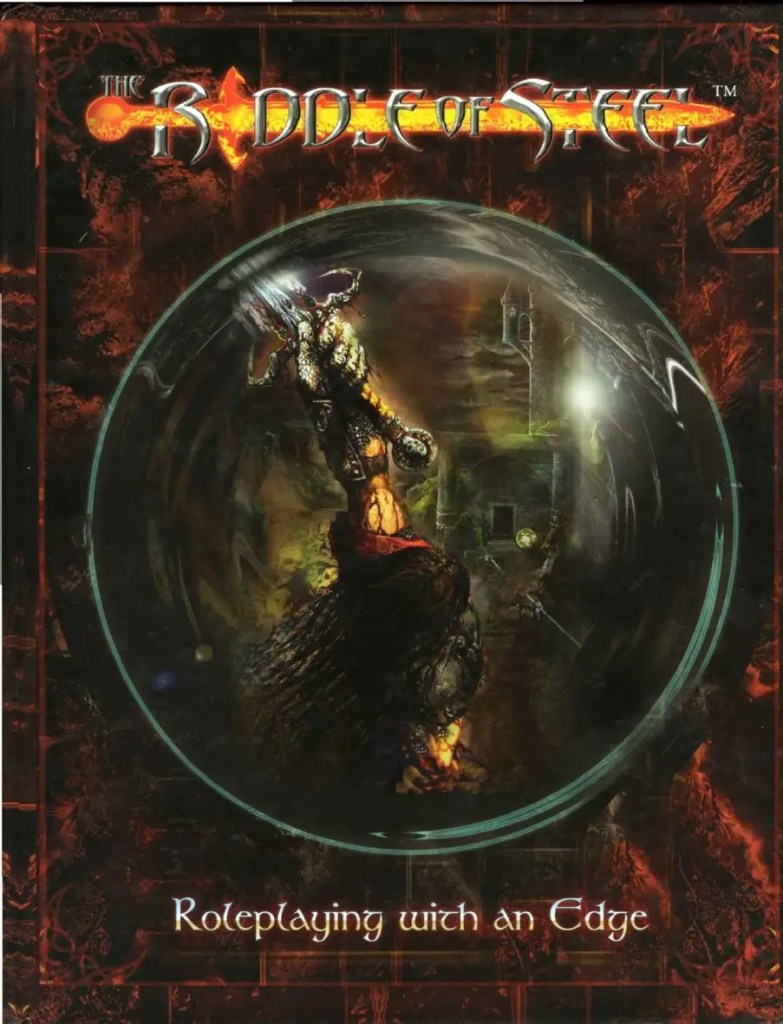
“Yeah. That’s Rick. Rick McCann. Rick was really, really good. Rick did the cover.”

“All the knotwork was done by Ben Moore. All the very clean black and white inked pieces were me, and some of the pencil pieces. And one of the criticisms I got early on like when we first went to GAMA Expo was there was too much art, that I should have used less art and avoided a lot of the lower quality pieces. I guess that’s true. I don’t know. It’s worth pointing out: I just wanted a game for me and my friends to play. I had no intention of publishing. And then I wanted a physical copy because, you know, pdf’s weren’t a thing yet. To get something affordable, I had to print hundreds of copies and so – well crap – if I’m going to print hundreds of copies, I’ve got to sell 299 of them. And so it spiraled like that.”

Fantastic. Just fantastic. Talk about those early days then, as you guys were putting this together.

“I was going to university. Rick and Ben were in art school. I wrote the entire first draft of everything and showed it to these guys. They had some ideas and added to it, then the first large-scale play test of the game was with my old high school D&D group. I went back to visit them. One of the guys in the group – his grandparents ran a doughnut shop. We’d go there in the afternoons after it closed, and we played a whole five-session campaign over a summer week. I was trying to see if my ideas were even going to work at all.

“You look for trends and patterns, what seems to be working. And I went back and designed again. Then the version we originally published, 300 copies, that’s the one we took to the GAMA trade show and to Origins. And when that sold out, we needed another printing, and I found a printer in China or wherever that was affordable, with higher quality print and clearer images.

“It was interesting. Going from the fun part of designing the game and creating this work of art, building it in Pagemaker, putting in the text, picking fonts and graphics, play testing, publishing at the first couple of cons where you’re promoting the game…and there’s so much excitement and energy till you realize you’ve now borrowed more money than you’ve ever had in your life. You’re trying to make this happen, and suddenly it’s a business you’re trying to make money with. And the fun of using it for tax writeoffs becomes not so much fun anymore.”

And you wound up selling it?

“Yes, I sold Driftwood Publishing in 2004, and the rights went to someone else, who then sold it in 2013 to Tavish Campbell of Red Lion Publishing. I haven’t been in contact with Tavish in a decade, and I wonder if he’s not dead!” [Editor’s note: we tried contacting Tavish for this article. We really did. If any of you can help reach him, Jake would like to catch up!]

“But I learned a lot as a designer. As I write a successor game, whatever it winds up being called, I’ve got great stuff. In the event that I ever get around to finishing and publishing it, I understand my priorities as a designer so much better now because I have words that describe things that I simply felt as a 22 year old.”

You said European Martial Arts blew your face off. Give me one concrete example of what you meant by that.

“I think the first thing was – I saw this video of a guy doing what we call a flourish, just swinging the sword around shadow-boxing with an early rapier, something you could cut with. The blade was moving so fast, and it was so lethal-looking. The economy of movement! Up until that point, every time I’d seen somebody wielding a sword, it was an actor performing staged choreography that came from either modern sport fencing or from traditional stage combat (which is meant to be inefficient and safe by design). If you look at the sword fighting even in some of the better films like Lord of the Rings, you can see they’re intentionally swinging at each other’s swords and not at each other. So I saw this guy who was not a stage fencer, moving his weapon in a way that was like – Oh my God, this is fast! It looks lethal. It looks beautiful.

“And the second thing that blew my face off was realizing there are hundreds of books written during that time period that tell you how to use these instruments. The whole HEMA movement was about taking a martial artist and a historical book and slamming these things together. We were actually experimenting to recreate lost arts by taking people who knew how to move and getting them to try and interpret these historical sources and make that come to life.”

If somebody’s reading this and wants to get their hands on a book like that, name a good one.

“There’s a website called The Wiktenauer that contains dozens if not hundreds of these manuscripts. Translated photocopies. All kinds of stuff. My stupid claim to fame is that I named it. I had nothing else to do with its creation. It’s a play on wiki and then the master, Johannes Lichtenauer.”

How does The Burning Wheel RPG fit into all this?

“Luke Crane and I became friends actually. The Burning Wheel and Riddle of Steel approached the same problems in different ways. We had very similar design priorities, and so when we first met each other in 2002 or 2003, we were definitely looking at each other crazy, like, whoa – hold on, are you like a competitor? Are you an enemy? And a year later we were very close friends, and he is still one of my closest friends to this day. I spent many years going to Gen Con as a member of Burning Wheel HQ crew, just quietly being this guy who also wrote this other game.”

All right. It’s time. Let’s have some advice from the designer of Riddle of Steel on how to fight in the game. What do I need to know?

“Dump as many stats as you can to get a high reflex score. The higher the combat pool, the better. The name of the game is not to land a hit; it’s to drain the other guy’s pool and then land a hit. Once you land a hit, press your advantage. But focus on not getting hit first. Pressing and gaining the initiative. If you gain the initiative, keep it. If you throw a WHITE die and your opponent throws a RED, and he comes at you with a small number of dice, parry with slightly more than he did. If you parry with too much, he’ll use the feint.

“The odds are in your favor if he attacks with a lot of dice. Use the counter maneuver when you attack. If you think you’ve got a chance to go for the jugular, go high and throw a lot of dice into it. But if you think he’s going to counter that, you’ll get killed. So get to know your opponent. If he uses a lot more defense dice, then call a feint.”

Jake, you’ve been amazing! Thanks for your time here.

“Yeah, by all means! As you can see, I’m happy to talk about all this stuff. I still enjoy it. Thanks for spending time to hear me rant.”

*

For Grailrunner readers, it may be expensive or at times impossible to find a copy of Riddle of Steel out there in the wild right now. Here’s a link to a Quick Start Guide from Driftwood Publishing by Stephen Barringer that’s publicly available for free.

Hopefully you enjoyed our chat. For me, it was an absolute blast! I’ll leave you with the opening words from Riddle of Steel:

Since the dawning of time, when Triumph the Forger-God pounded out the world from the mists and ores of heaven, mean have sought the Riddle of Steel.

Few have found it.

What is it?

It is invincibility – to strike with all and to be struck by none.

It is understanding – to ask questions and to know the answers.

It is peace – to walk without fear, to know that the end is in your own hands.

It is skill – to feel the elegance found in violence, and to know the beauty found in stillness.

It is Spirit – to gaze into the face of your God and to know him before he comes for you.

What is the Riddle of Steel? Where is it found?

That is the question with no answer.”

Till next time, guys.
Top Ten Adventures From Dungeon Magazine (And They’re All Free!)

In honor of a Dungeons & Dragons movie being released that isn’t terrible (Honor Among Thieves – not perfect, overall fun, go see it to encourage more of that), we thought we would point out some free stuff that you can go grab for your own tabletop adventuring. Enjoy!

What was Dungeon Magazine?

TSR was the original home of Dungeons & Dragons, and throughout their history they maintained two periodicals appropriately named respectively Dungeon Magazine and Dragon Magazine. The Dungeon variety especially warms my heart because it’s practically entirely free on the internet now, and because of the liveliness of its Letters section where some of the most creative and insightful people who ever braved a dungeon debated and tossed ideas about. It ran from 1986 to the end of its print run in 2007 and ceasing altogether in 2013.

I’ve written before here about the important explorations and inspirational content of letters columns. In that case it was the early pioneers of science and speculative fiction in periodicals like Amazing Stories and Planet Stories where those dudes not only helped shape the genre itself, but went on to change the world later in life. And they were largely driven by the ideas and fascinations they found in those magazines. With Dungeon Magazine, it feels much the same to me perusing those missives for recommended modules, suggestions on how to improve storytelling and engagement, and especially to hear what elements attracted them (and which didn’t).

What kind of things did Dungeon Magazine include?

Anybody at all could submit their own adventure modules, in essentially whatever D&D setting they liked. Even Spelljammer makes its appearances, which if you’ve been around here at Grailrunner for any length of time you’ll know is dear to our hearts! Go see this if you don’t know what I mean. Seriously, just grab an adventure that hooks you, clarify any stats you need to for whichever version of the game you’re playing, and go to town!

How did you pick these as the top ten?

Personal preferences abound here – I like a strong narrative element with some kind of twist or innovation, particularly interesting elements to interact with or strong NPC characterization. Locations with some solid, novel development are intriguing to me. Twists on established lore are a plus! I can’t imagine I would ever just play one of these as written, so the inspiration for me was to steal cool ideas for my own adventures, as any good dungeon master should. Extra attention was given to dungeons mentioned more than once in the letters column.

Shall we begin?

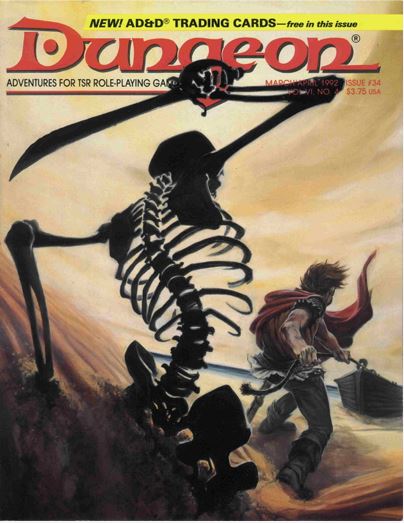
#10 The Lady Rose by Steven Kurtz in Dungeon Issue 34

In this adventure, you and your companions have sailed to the trading port of Sandbar to find the elven crafts and wine of which you’ve heard such stories. Unfortunately, the port is in ashes when you arrive, still hot and smoking from the marauding attacks of a “tall black warship of alien design”, that had laid waste to the town in “a hail of destructive magic and incendiary missiles”. The magic-using baron in charge of the town asks for your help bringing these marauders to justice, as through divination he’s learned they are a few miles away in port for repairs.

What’s great about it?

Although the module explains in detail who the attackers are, why they did it, along with everything you need to know about the captain and crew, the mystery and intrigue of their identities and motives fascinates me imagining myself as player. I especially like the blend of nautical adventure and spellcasting, and the stages of this adventure highlight that. The story advances to a climactic boarding of the warship, which seals the deal for me, particularly with the line among the instructions to the Dungeon Master (which I don’t really think is a spoiler here): “If the PCs can somehow manage to capture the Dama Rosa intact, they will have acquired a priceless treasure.”

Now that’s an idea!

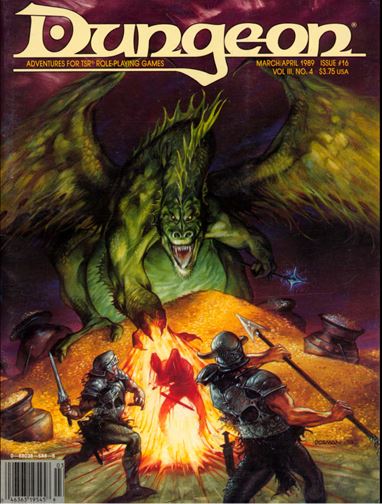
#9 Palace In The Sky by Martin & John Szinger in Dungeon 16

Livestock and people have gone missing in the night near the city you’re visiting, leaving traces of the footprints of giants. Strangely though, the footprints begin and end abruptly defying all logic. A fortnight ago, an elven hero tried to bring the mystery to light but died soon afterwards. His enigmatic message sent by pigeon read only “Seek the palace in the sky.”

What’s great about it?

A cloud island to explore with its landing dock, and areas of the cloud called “insubstantial cloudstuff” where you might fall entirely through should you misstep. A detailed cloud castle and dungeon peopled with marauding giants. You have to navigate all that, but the module warns in the beginning that it “isn’t a simple hack-and-slay expedition. It also involves diplomacy and wit; if the PCs attack everything in sight, they may be destroyed.”

I’m a bit of a sucker for airships and floating adventures. This one had me at “palace in the sky”.

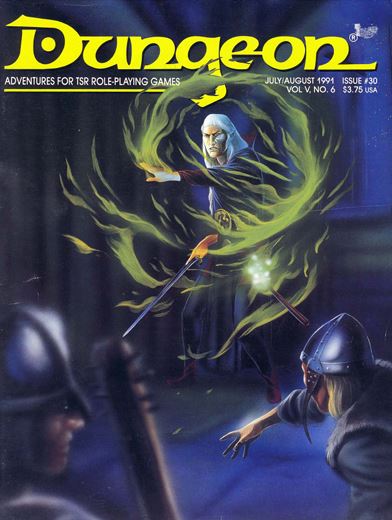
#8 Thiondar’s Legacy by Steven Kurtz in Dungeon 30

You’re in the mighty city of Beryl, founded a thousand years ago with its great university, and now a hub of human and elven commerce. The arch-chancellor of the university recently died, and the city is rumbling with rumors and intrigue from the politics of naming his replacement. The half-elf chancellor of the College Of Antiquity reveals to you an ancient mystery signaled by a hidden map and scraps of phrases concealed in the padding of an old shield hanging on his wall. Perhaps you and your companions can follow the clues and discover what happened to elven king Thiondar so many years ago in a mysterious valley…

What’s great about it?

Many of the encounters can be deadly, and to simply bash your way through will get you killed. I really like that about this one. Some wit, a willingness to retreat, and finding clever things to do is the best way to approach the adventure. I especially appreciate the lore-heavy narrative elements hinted at in the beginning, then strung along as you follow the clues. That valley has some terrible and mighty magic and beasts awaiting you. Tread carefully…

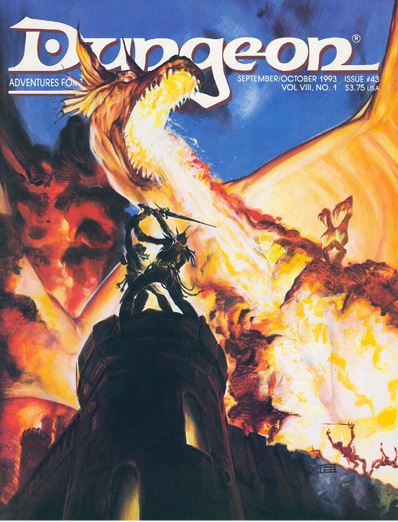
#7 Jacob’s Well by Randy Maxwell in Dungeon 43

You are travelling alone in the frozen wilderness, looking for some kind of shelter from an oncoming winter storm. It’s going to be a bad one. When you stumble into an open glade and smell wood smoke, you think you’ve found a welcome place to hide out till the storm passes, a fortified trading post in the middle of nowhere called Jacob’s Well. There are a few other guests there, and as you will learn, one of them has brought a deadly affliction inside the fort that may consume you all…

What’s great about it?

It’s rare for an adventure module to be intentionally designed for a single player and a Dungeon Master, but this contributes to the intentional paranoia and claustrophobia engineered into this dark, creepy ride. It’s basically the movie, Aliens, set in a D&D wilderness. There’s advice in here on how to build a sense of dread and for jump-scares. Definitely a great adaptation of the movie trope to the game.

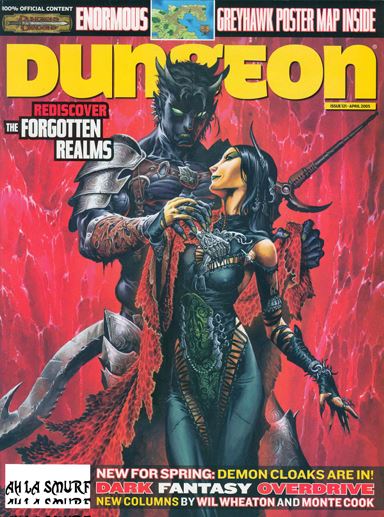
#6 The Styes by Richard Pett in Dungeon 121

You and your companions have arrived in the run-down port city called The Styes. Once a metropolis and marvelous ocean gateway, with dancing statues and impossible towers, constructed of marble on a man-made island, The Styes now lies practically in ruin. What’s left of the place is gripped in the fear of murders committed by a mystery figure they’ve dubbed The Lantern Man. In the hushed whispers among the alleyways, there are rumors of a Kraken and weird dreams centered on the weed-choked sea. Hopefully, you’ll survive long enough to puzzle out what nightmares are at work in this ruined place…

What’s great about it?

This is basically Cthulhu for D&D. That should be enough to say. Krakens can’t miss with me. Put a Kraken in the story, and I’m in. Add creepy murders, rumors of an underwater city, and a conspiracy of silence with the looming atmosphere of dread…this one is a slam dunk if any of that sounds cool to you.

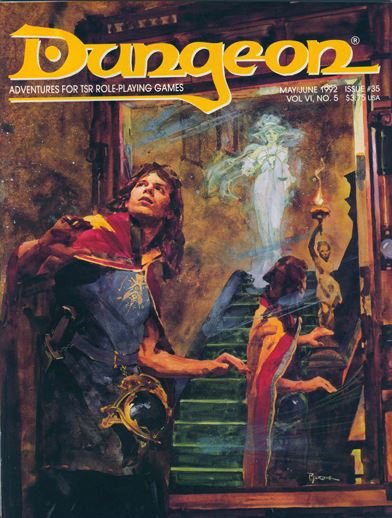
#5 The Ghost Of Mistmoor by Leonard Wilson in Dungeon 35

You and your companions arrive at the lonely village of Mistmoor, drenched from weeks of rain in this part of the countryside hunting for dragons. A local family fell into ruin years before, and its current young scion is embroiled in debts for some indiscretions with a duke’s daughter. He’s desperately in need of unlocking the mystery of his inheritance, which vanished into history in a terrible tragic series of murders and suicide in the family manor. Let’s hope terrifying spectres and encounters in the middle of the night don’t spook you too much, because you’re going inside, where nightmares and abominations await you…

What’s great about it?

The encounters with various ghosts are well structured, triggered with the timing and mechanics. I like the backstories and defined nature of the ghosts especially, and the encounters are well integrated with the architecture. There is a genius mechanism here provided for the Dungeon Master to create a sense of dread and wild shock that I really don’t want to spoil. Check out pages 55 and 56 to see what I mean. It’s a great, fun spook-fest with plenty of atmosphere and would make for a great time at the table.

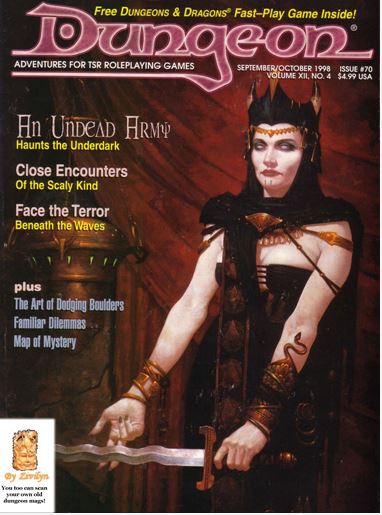
#4 Kingdom Of The Ghouls by Wolfgang Bauer in Dungeon 70

You and your companions are following rumors of the taking of mountain strongholds by terrifying creatures who have risen from beneath the earth. Hushed whispers from the few survivors tell of a mighty empire growing in The Underdark caverns, with vile beginnings from a spell gone bad years before that summoned a powerful ghoul named Doresain who stepped from the eldritch portal to either eat or convert the mages to his will. They’re coming to the surface now, to grow their dominions and to destroy anything in their way. You’ll need to be brave and bring torches. You’re going underground!

What’s great about it?

A region of deep caverns, of strange races, ancient civilizations, and lost magic. This one’s a keeper for atmosphere and for something different than your ordinary imperiled village or stone dungeon. I hope this isn’t a spoiler, but there are intentional opportunities among the encounters underground to ally with enemies of the wicked ghouls and form an army of your own. And I’m not sure you can make it out of there alive without an army! I consider the different locations provided, the details and architecture defined in this module, and the robust characterizations and NPCs herein as a master class in a good adventure module. You really should give this one a try!

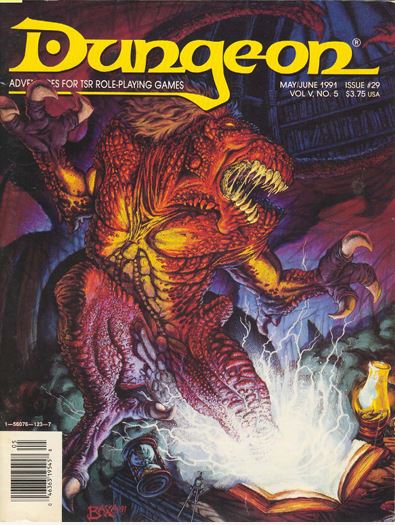
#3 Ex Libris by Randy Maxwell in Dungeon 29

You and your companions have been hired by the Silvery Moon Vault Of Sages, to find the ruins of an old library and recover any magical tomes therein. Once a temple that fell in a terrifying schism years before overrun by a horde of undead, the library is believed to contain powerful books worth your risking your life there. And that’s very much what you’re doing. Zombies and snakes, giant snakes and centipedes, trapped spellbooks, and crawling claws are waiting in the shadows, though a much more sinister and bewildering threat than any of those beckons as well…a threat from the architecture of the ruined library itself!

What’s great about it?

This is a spoiler big-time, so if you’d care to remain surprised about it, skip this paragraph entirely. It’s pretty awesome, even as a Dungeon Master honestly, though a player could really his mind blown trying to puzzle this one out. Each room is an 80′ x 80′ square with a 20′ foot ceiling, and a starting configuration is provided for the DM. However, at regular intervals, the rooms shift. Mechanics for how to determine the room moves are provided, based on a D4 roll, and it’s silent to the players. They’re faced with trying to find a particular the pages of a particular book to gain control of this madness, which is complicated by the fact that certain creatures from the Nine Hells are bound into the pages of certain books to protect them. Honestly, this mechanic of room shifts is just amazing innovation! I give it third place just from the audacity and novelty of it.

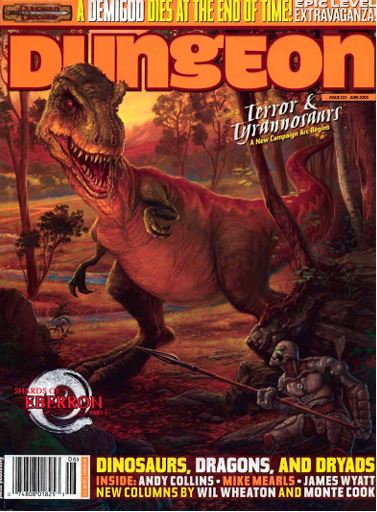
#2 Salvage Operation by Mike Mearls in Dungeon 123

You and your companions have been hired by a down-on-his luck former trade captain whose flagship vessel, the mighty Emperor Of The Waves, which was lost in a storm (and actually turned into a temple by cultic orcs). Its loss ruined him, and he’s desperately hoping you can investigate and regain some of the magical items that were lost with the ship. It may be his only chance to regain his glory, a glory you might be able to share if you’re successful. You’ll be exploring ruined upper decks, slowly descending into the depths of the mighty ship in a nautical dungeon crawl where the compartments are flooded with seawater and infested with the undead. Yet time will become you biggest threat of them all.

What’s great about it?

Again – spoiler on this one. If you’d like to be surprised, you probably shouldn’t be reading some of this. This one’s an easy entry for my top 3 just because I’m enamored with the idea of a dungeon destroying itself slowly as the players race to escape. And once the players are down in the holds, deep in the dark lower levels where there is only cold seawater, choking weeds, and zombies, you realize the ship is sinking. One by one, the compartments flood leaving the players to desperately cast about for a way out. And that’s when the giant squid appears. Come on! That’s genius!

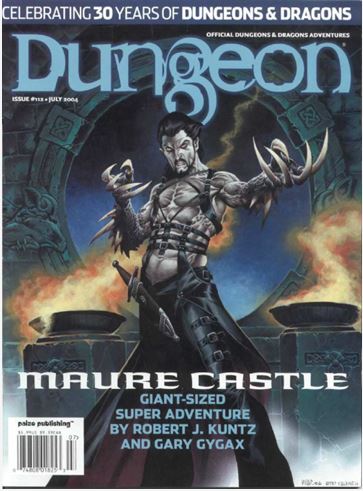
#1 Maure Castle by Robert Kuntz and Gary Gygax in Dungeon 112

Before you lies the enormous, deadly, bewildering Maure Castle. The promises of treasure lie within, but generations of treasure seekers and adventurers have stood where you’re standing and thought what you’re thinking. It’s a maddening, twisting beast of a castle full of images that come to life, attacking fish, an iron golem, cultic demon worshippers, and a lunatic mage. Yet it’s in the lowest levels of this mighty, megaplex of a castle where it is said dark secrets of power lie in the shadows, and where a resurrected demon-handed man searches for them. It’s best you find them first…

What’s great about it?

This one would be number one for the sheer history of it – the origins of Maure Castle lie in a pre-commercial campaign Kuntz and Gygax worked on before Dungeons & Dragons existed, and formed the seed for what became the Greyhawk setting. And Gygax – he’s devious and clever with traps and overall audacity in trying to kill the players. He must have been working overtime with this one. It’s just stuffed with weird encounters and lore and has enough to keep adventurers busy and scheming for session after session. In fact, the adventure takes up the entire issue!

*

That’s what I wanted to bring you today! It was a lot of fun digging through these, and I’m glad to have this list and the respective links in one place for my own reference. There are some amazing ideas in here! I can’t promise that I’ve reviewed every dungeon in this wonderful lost magazine, but these gems stood out for me on first pass.

I hope you enjoyed this, and that you get inspired for whatever creation you might be working on.

Till next time,