Slowly writing a novel when AI could’ve knocked this out already…

Are you using AI to write your novel?

I’m not against AI as a better Google. For example, I needed to know recently whether crickets still croak at night in late autumn and what wild mustard would smell like if you sat on it. These are the kind of weird questions writers come up with and – if you’re me – completely block the ability to progress with the work until they’re answered.

Here are some others (and trust me, all totally legitimately asked in the context of feverishly trying to complete a science fantasy novel):

  1. What are gorilla boobs called?
  2. Where exactly do blind people place their fingers on someone’s face to read their expression?
  3. What is the difference between a glyph and a sigil?
  4. What causes the black streaks beneath a crying woman’s eyes: eyeliner or mascara?
  5. Say a man’s arm is severed and cauterized by a sentient cablesword – would it steam, bleed, smoke, or all three?

Forgive me. I like odd details when I’m reading books so I want them in my own concoctions. And I want them to be right. Something like Gemini or ChatGPT can handle these iterative conversations to answer questions like these better than a Google search. Far better and much faster.

Okay, what about the writing, though? The creation of the work itself?

I’m also not against AI handling the monotonous and thankless task of resolving thorny punctuation issues. My kryptonite punctuation errors so far have been:

  1. I join two complete thoughts with commas rather than semicolons. I never liked semicolons. They look weird but whatever.
  2. I forget to add commas when I use introductory phrases (“Beneath the plaque Mazewater noticed old carvings.” – missing comma after ‘plaque’

You know what – let’s leave that topic. I did a search for punctuation goofs I had to fix and it’s embarrassing. You get my point on an editor that can quickly resolve where a comma goes and whether to bust up a sentence is awesome.

But the writing?

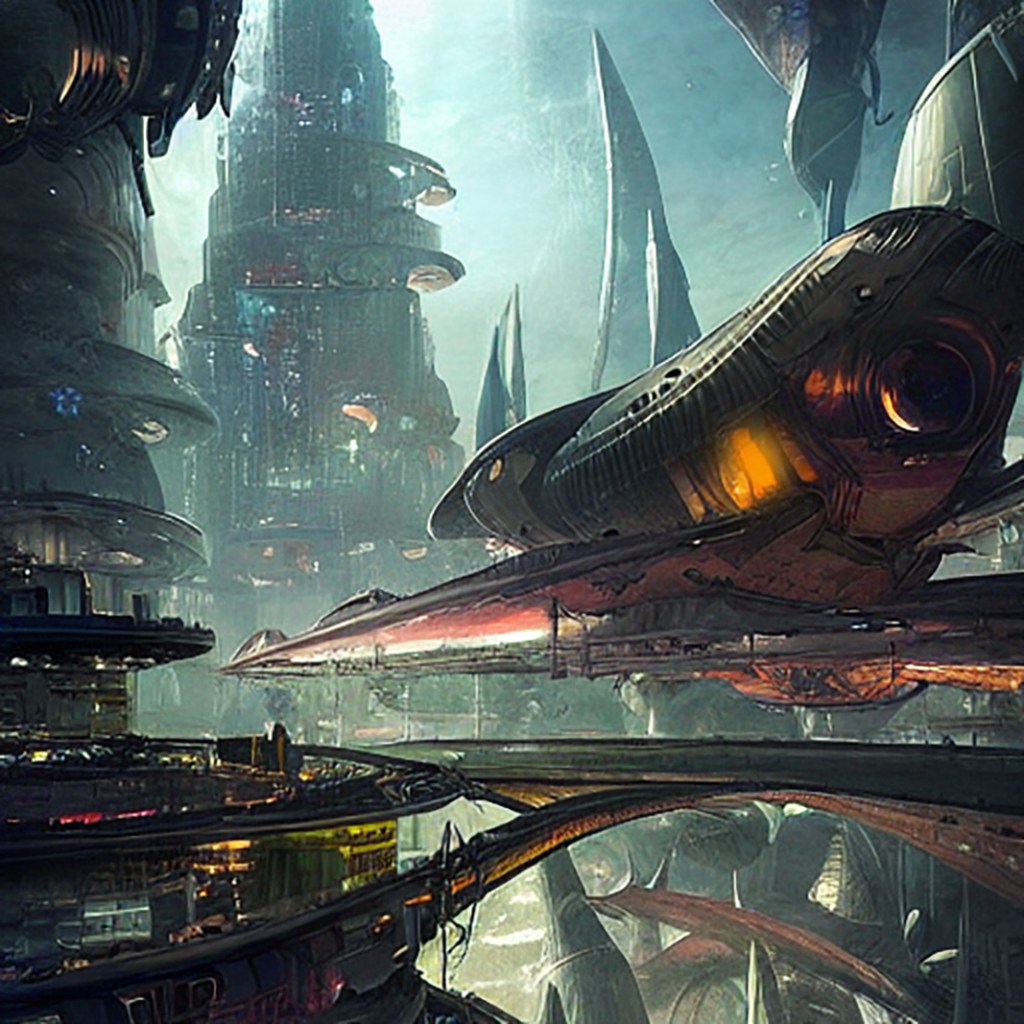
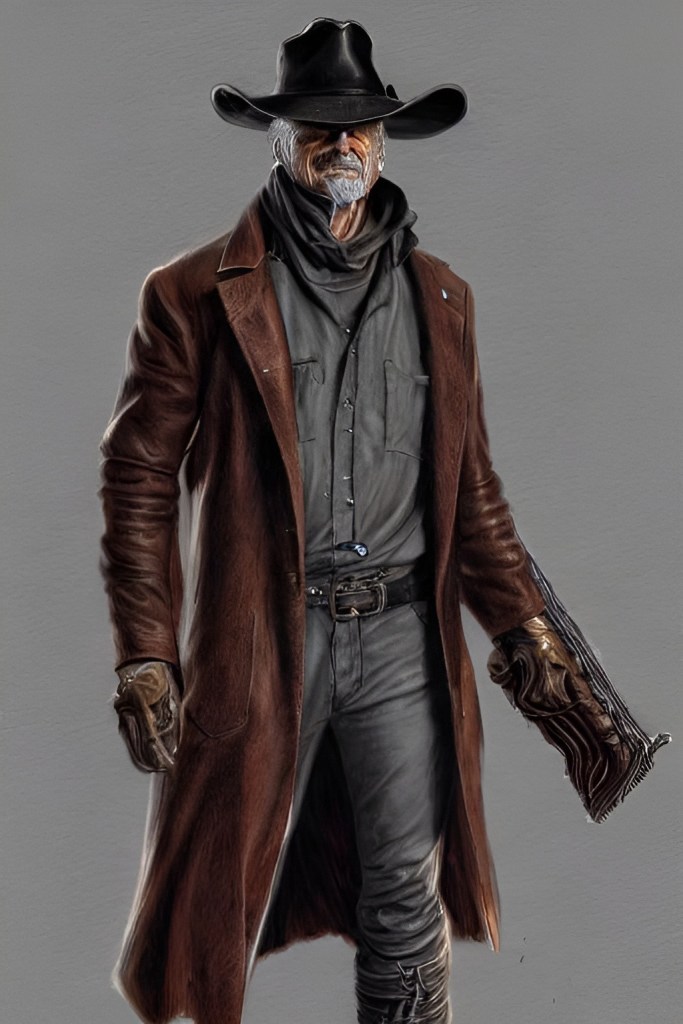
Well, somewhat more controversially, I’m very much in favor of quick and dirty concept art by AI to help me visualize a character or backdrop I’m dreaming up in the way that George Lucas used Ralph McQuarrie and so many others in his own worldbuilding.

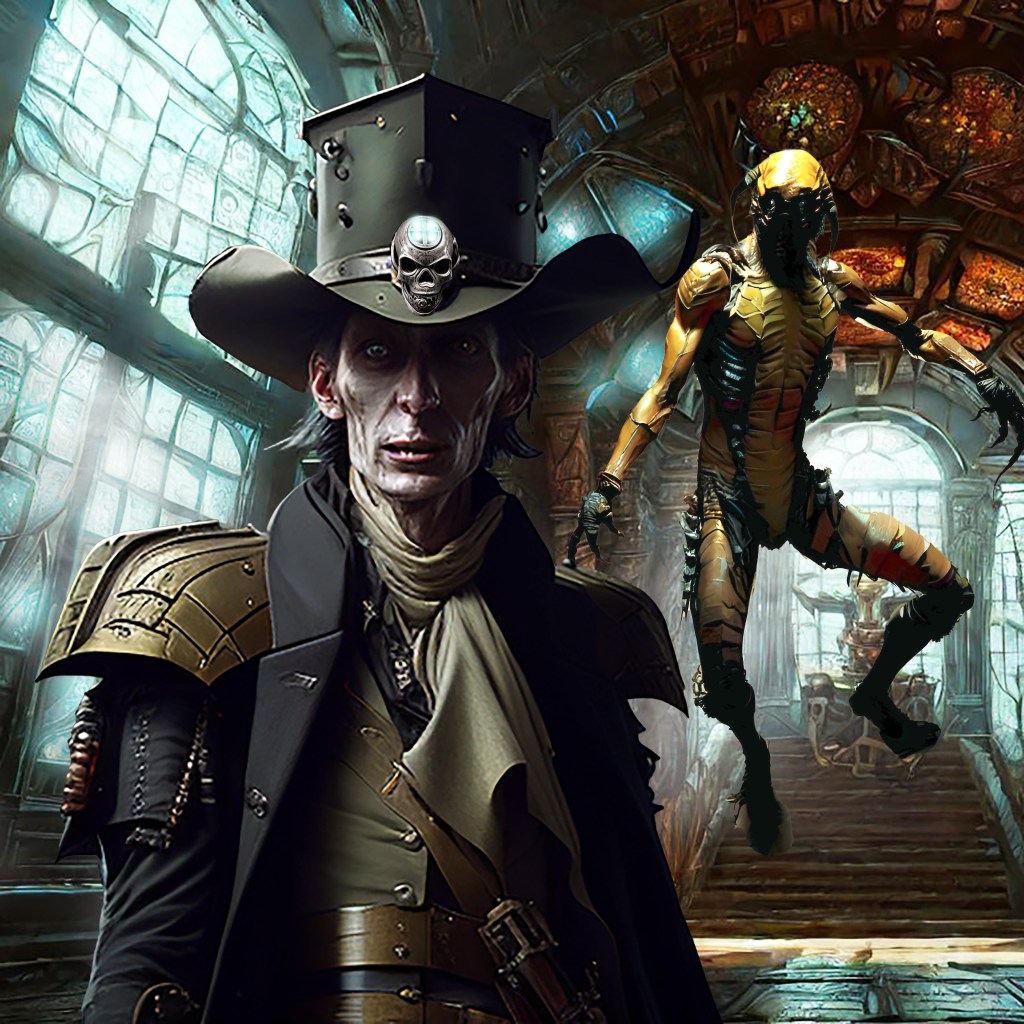
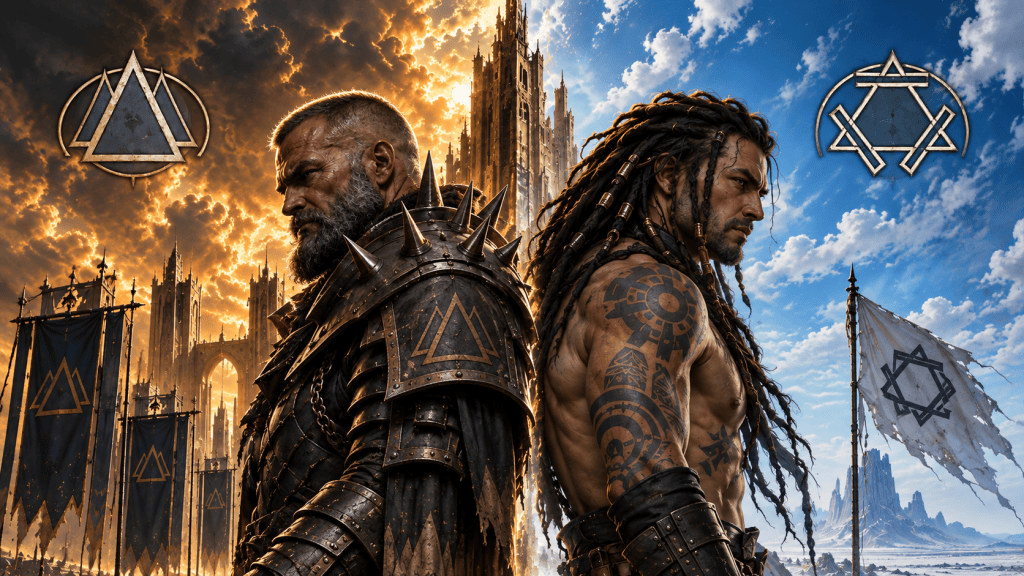
Meet Uncle Ong, for example, based on my descriptions (if you read Mazewater one day, this guy will break your heart – I promise):

So what are you saying?

Yeah, I’m writing this myself. No AI for that. As slow as I am, I still want to say I built something with my own hands. It’s why I’m in the gig in the first place.

Still, a lot of people are avoiding AI because they rightly have concerns about intellectual property and diminishing quality of work that is increasingly produced by software. Legit concerns, yes, but neither is insurmountable. I also feel that, as a creator, failing to have cutting edge AI tools in your kit is like trying to hold back the ocean with a kitchen knife.

Maybe it makes you a person of principle. But it puts you behind your competitors for sure.

I’m Brian Bennudriti, creator of the Salt Mystic universe, and I’m several years in to writing the next novel in that setting. It’s to be titled MAZEWATER. In February, I told you here about my plan to speed up how long it takes me to finish a novel. My record, unfortunately, is 7 years. I’m getting old, man. My kids are practically grown. How likely at this pace is it I finish even a handful of novels like I planned? The ideas inside my head are exploding into life but I can’t capture it in the words quickly enough. Still, it’s the same fire now that lit up my mind as a child…the love of creating an imagined world.

What I told you in that February article remains true and I believe I’m moving with more focus and less backtracking. But I saw a headline the other day that led me down an unpleasant and depressing rabbit hole.

“Nobody plays video games anymore.” That’s what it said. The reason it hit me hard was I’ve long speculated that future storytelling frontiers would be in gaming: tabletop and in large-scale video games. Much like Walt Disney and those early anime illustrators made a true art of cartoons long perceived as childishness before them, like Frank Miller and Neil Gaiman made true literature of comics, again long perceived as childishness, I’ve been convinced that games like Tainted Grail and Elder Scrolls were the future of storytelling.

Yet the article cited research by Matthew Ball, which you can learn more about here. To boil it down for you, there are too many things competing for our attention. We struggle to care about anything new, so gamers play Fortnite, Call of Duty, Grand Theft Auto, Roblox, and Minecraft because it’s easier to just stay where you are. Switching costs are high to learn a new world, even if they are amazing. Everything else is high-dose dopamine in Tik Tok bursts of frenetic nonsense.

You write science fiction & fantasy! What do you care about video games?

The National Endowment for the Arts found that the share of US adults who had read any novel or short story during the preceding year declined from 45.2% in 2012 to 37.6% in 2022. The share reading any book fell from 54.6% to 48.5% over the same period. A separate analysis of the American Time Use Survey found that the proportion of Americans reading for pleasure on a given day fell by approximately 40% between 2003 and 2023—from roughly 28% to 16%.

Yeah, it’s not just video games, man. We’re all hooked on dopamine from our phones, killing our attention spans, and the economics and psychology of dealing with the learning curve and investing in new worlds is stacked very much against something new coming into the literary universe. If I make the most perfect setting and the most interesting characters with dialogue and action that pops, who will read it?

You’re depressing me.

Hold that thought. That same American Time Use Survey said those who still read spent considerable time doing so: approximately 97 minutes on days when they read in 2023. Publishers Weekly reported that US print sales rose slightly in 2025 and remained above pre-pandemic levels, while romance and romantasy experienced strong growth. Audiobook revenue rose 9% in 2025 to $2.43 billion, and fiction accounted for approximately 71% of audiobook sales.

The folks who ARE reading are still voracious about it. If you’ve ever been to a comic or pop culture convention, you’ll meet the most incredible people in the world. And they’re all dreamers who want to enter worlds like this. What I’m saying is they’re still out there, and they’re still consuming massive amounts of content. What is weakening is the audience’s willingness to enter a long work before it has proven its value. People still devote hundreds of hours to stories they love. They are less willing to devote six mediocre hours to finding out whether they might eventually love something.

So what does that mean for storytelling?

I believe I’ve mentioned Yu-Kai Chou and his mind-bending framework for leveraging gaming psychology for human motivation and change management which he calls Octalysis. Read about that here. He’s the first guy I ever heard talk about the steps of game design:

  1. Discovery (how players find your game at all)
  2. On-boarding (how players overcome a learning curve & achieve quick wins)
  3. Scaffolding (how players gain a sense that the game is going somewhere so they invest more heavily)
  4. Endgame (how players receive a sense of accomplishment and reward)

I’m seeing parallels for this set of steps in the future of storytelling, honestly. I see an increasing importance on merchandise, art, and social media interaction to draw people in with the hook for the imagined world. I see that future storytellers may have to be more visual thinkers and incorporate strong, intriguing visuals that can be sticky in the minds of people who chance across them. Maybe more than that though, I’m struck by the increasing importance of the opening. That first five pages. If you don’t hook someone there, then you won’t hook them at all. Too much is waiting to steal their attention away, and much of that is optimized through algorithms with their big, pointy teeth to be better at stealing attention than the writer is.

*

Just a few thoughts as I round the corner at about 80,000 words in the work in progress. I thought I’d be ending the book around this word count but I will very likely push it to ~100,000 words. It feels more correct at that length. I promise I’ve trimmed and cut all the fat! I’m not rambling. It’s a tight and intriguing ride in my opinion. Just needs to simmer a bit for these wonderful paper people to feel real and for the world to shake like it needs to.

Anyway, I hope this has been food for thought. I’ll share more about Mazewater over the coming months as things finish up. If you have any questions about it, feel free to let me know.

Till next time,

A game designed by Tolkien and the Monkey King (and it’s free!)

Oh, man have I got a great freebie for you today! I’ve been experimenting, pushing AI tools to their limits, these last 2 weeks to see just what’s possible in prototype gaming. I’ll tell you the story behind this, what all I did, then introduce a game which I’ll give you for free.

It has struck me recently that the future of entertainment is quite possibly on-demand, immediate & fully customizable media. I’m talking about having a random idea for a board game for example, and having the ability to describe it simply and have a color printer, 3D printer, music generation service, and AI tools spit out a polished, playable game with all its components ready for the table.

Is that what I did? Kinda sorta. That’s coming, but this was a lot more painful to bring to life than all that. AI tools are like a super creative and talented idiot whose attention wanders off while they generate random things, useless things, ripoff copies, and sometimes…some brilliant times…something magical.

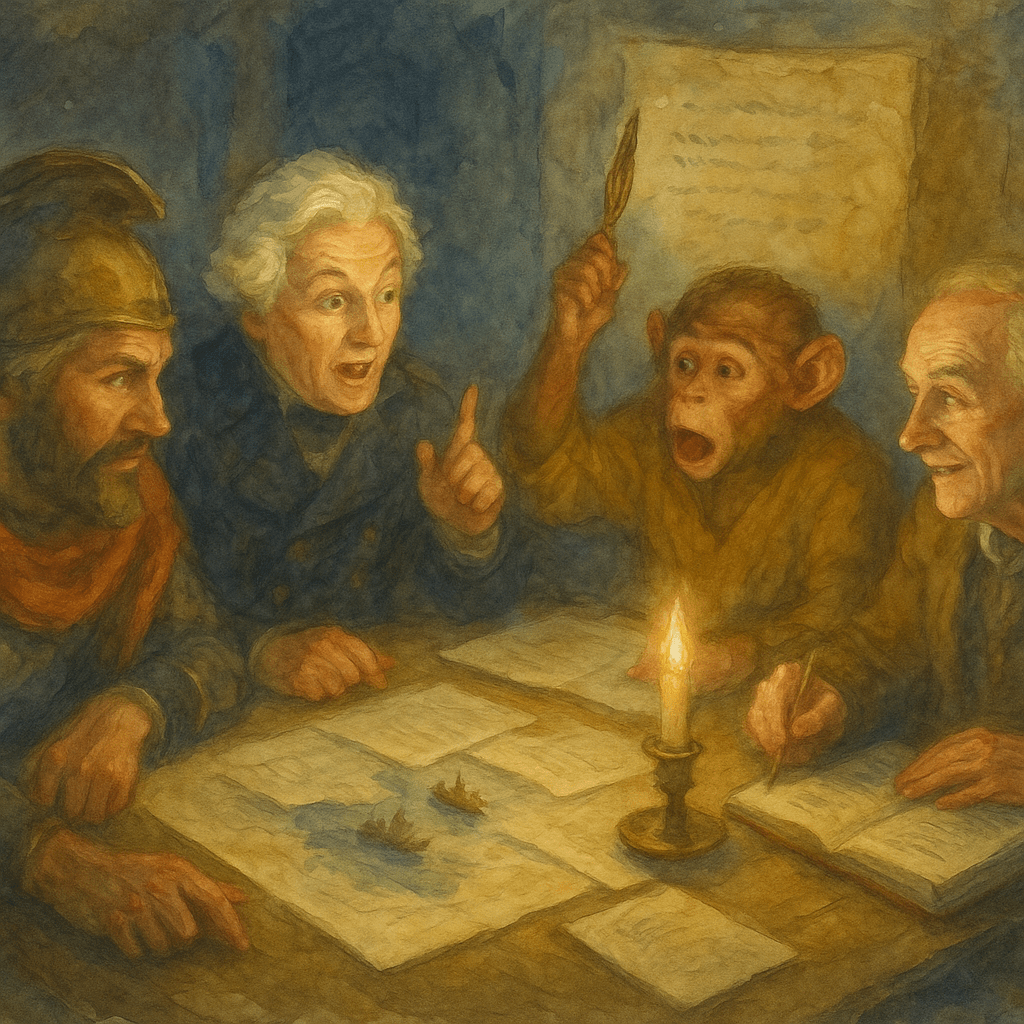
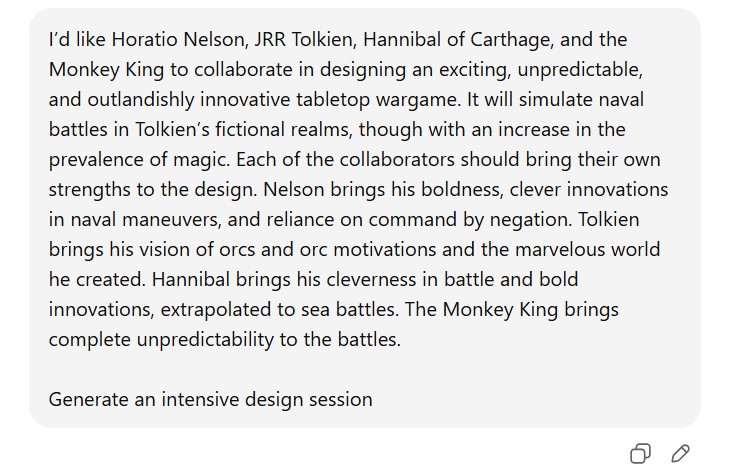
Anyway, it started with me wondering what a naval boardgame would be like if it was designed by Hannibal of Carthage, Admiral Horatio Nelson, J. R. R. Tolkien, and the Monkey King of Chinese folklore.

Welcome back to our ongoing series titled:

Where in the world do you come up with strange ideas like that?

I don’t know. It happens. Then I have to see it. Then I lose two weeks of my free time. Then you guys get free stuff.

So, who were these people and why did you choose them?

Hannibal of Carthage (c. 247–183 BC) was a brilliant Carthaginian military commander, best known for leading his forces — including war elephants — across the Alps during the Second Punic War against Rome.

I wanted the greatest, most innovative military mind in history. Arguable, I know, but I see Alexander the Great as a talented nepo-baby who inherited a lot of his advantages. I get there are others who could contend for that, but Romans used to put their babies to bed telling them to be good or Hannibal would come for them.

Horatio Nelson (1758–1805) was a British admiral and one of history’s most celebrated naval commanders. Famous for his bold tactics and inspirational leadership, he secured a string of decisive victories for Britain during the Napoleonic Wars.

This was going to be a sea warfare game set in Tolkien’s Lord of the Rings universe, so I wanted the greatest naval genius of history. His victory at Trafalgar was so resounding it established British naval superiority for a century.

J. R. R. Tolkien (1892–1973) was an English writer, philologist, and Oxford professor, best known as the author of The Hobbit and The Lord of the Rings.

This idea of sea battles in Middle Earth came to mind writing this article for Grailrunner speculating on the unfinished sequel to Lord of the Rings. It was the Professor’s setting, and he would bring unique insights to bring it to life.

The Monkey King is a Chinese folk hero from Journey to the West. A mischievous trickster with immense strength, magic, and a shape-shifting staff, he defied heaven before becoming a companion on a sacred pilgrimage — a lasting symbol of rebellion and wit.

I love trickster characters. Always have. This particular one is great for throwing the table over and over-the-top madness. I definitely wanted the rules of this hypothetical game to reflect that somehow.

And these three historical figures and a mythological simian were going to design this game then?

Right. This was the initial prompt. The design session was hilarious, and ChatGPT did an amazing job bringing these folks to life and crafting some basic game mechanics that applied their unique perspectives. Over the next few days in whatever free time I could manage (and during conference calls…sshh), I wound up having to exhaustively point out inconsistencies and vague points, iteratively asking for elaboration in the developing rules. Let’s say it was an ugly baking and the kitchen got messy, but the final ruleset honestly looks great and unique. Lesson here is be patient, don’t trust anything, don’t accept first outputs for anything, be super clear what you want, and give it feedback as you go.

I’m being honest in this experiment, by the way. I intentionally did NOT design or suggest any rules or game mechanics. The point was to explore what I was presented, not design it myself. All I did was ask questions and point out when the designer contradicted itself.

So you wound up with a ruleset. Nice. How about game components?

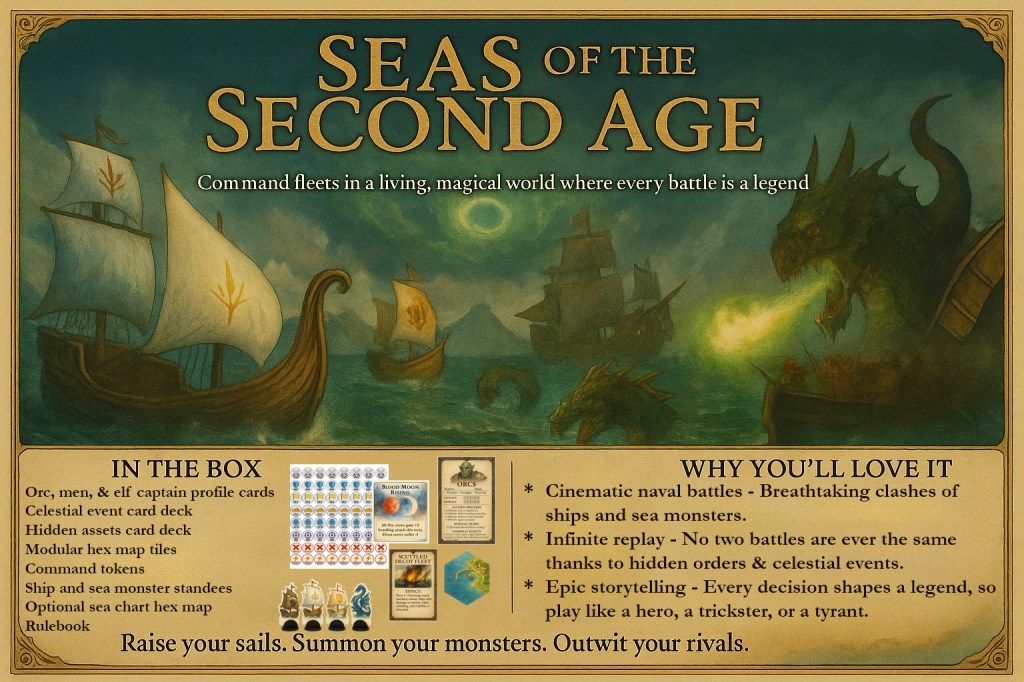
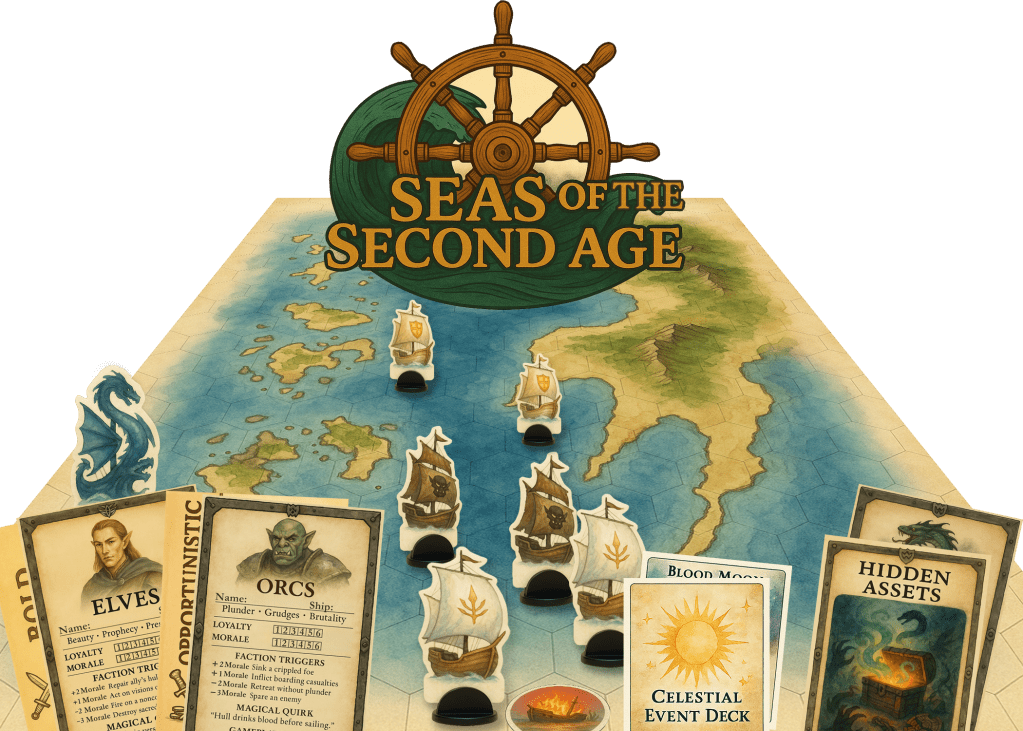
I was so fabulously surprised by the quality and consistency of the game components. I swear to you, no matter how cool these things look, I did absolutely NONE of the artwork, the graphic design, concept art, or logos. I used Photoshop like crazy, but that was only to clean these things up (like adding a “the” when ChatGPT refused to do or making a grid consistent across similar cards, that sort of thing).

I just scrutinized the rules, asking for elaboration when things didn’t make sense, and when I saw a component like a marker or a tracker of some kind get referenced, I would ask ChatGPT to design them one by one. Lessons learned here: never bother asking for a printable pdf – it’s useless at that, assume there are contradictions and inconsistencies you’ll need to fix, and only ask for designs one at a time. Once it had established a really attractive watercolor art style, I forced it to stay close to the same style for consistency in design. You be the judge on that, but these wound up some very attractive and playable components.

What is gameplay like?

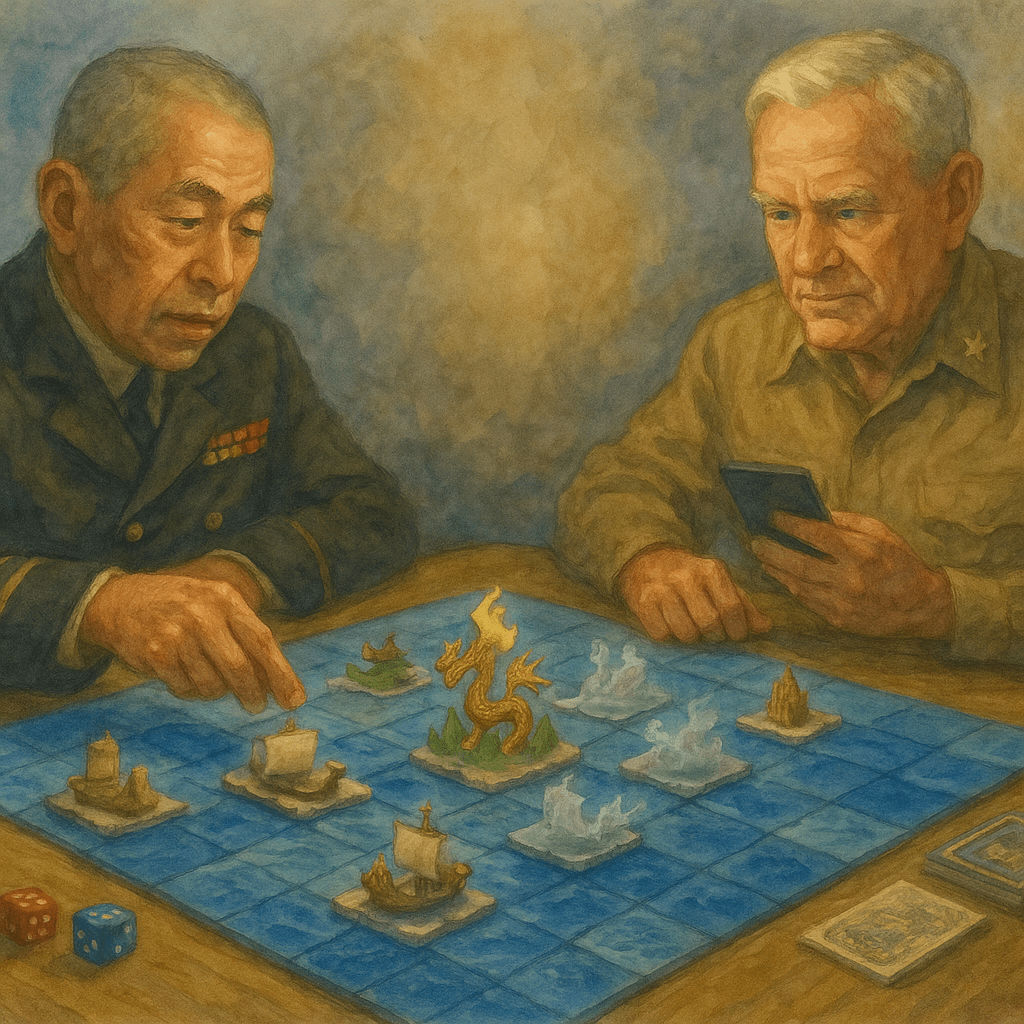
Funny, actually. I had Admiral Nimitz and Admiral Yamamoto, two more innovative geniuses of sea warfare, playtest in a simulation of the rules (just another simulation in ChatGPT, asking it to act as these two historical figures and play a game of the rules it had designed). Yamamoto chose the Elven fleet and built his game around precision strikes & ambushes. Nimitz chose Orcs and favored layered defense and overwhelming counter-punches.

Oh yeah? Who won?

Nimitz was pressing Yamamoto hard, but a Leviathan broke up his fleet and put him at a disadvantage. In the end, Yamamoto won by being more adaptable to the ever-changing conditions of the battlefield.

So how exactly are the personalities of these 4 designers reflected in the rules?

  1. Admiral Horatio Nelson

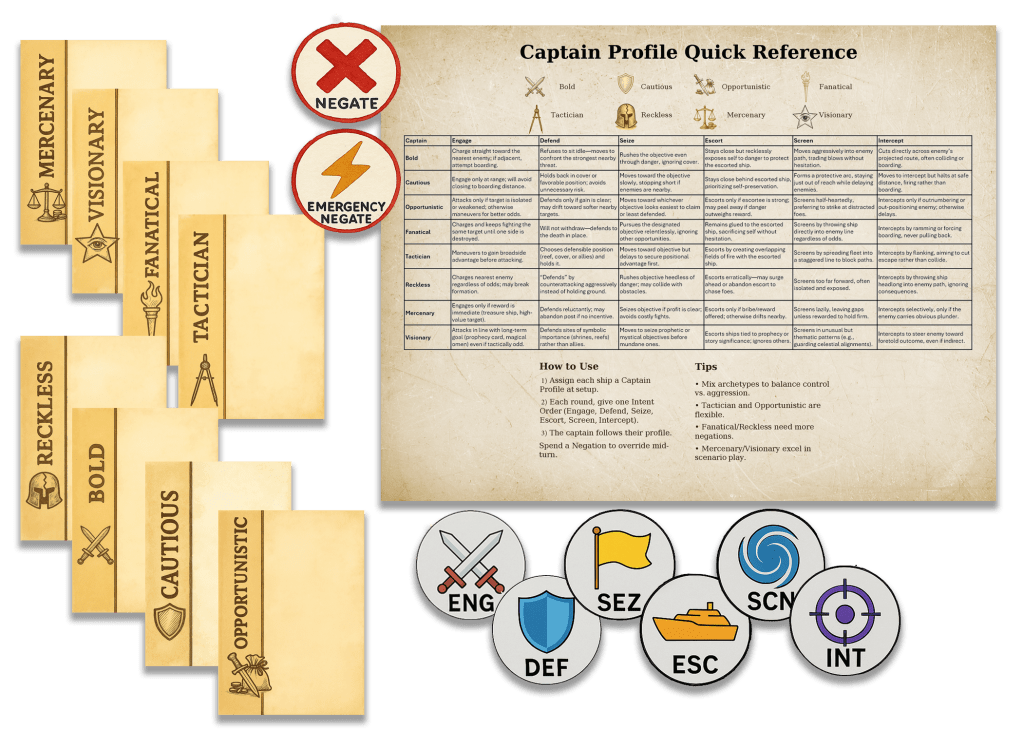
Nelson’s mechanic is command by negation, which requires the player to choose a personality profile for each ship captain and issue broad commands for each ship at the beginning of each turn. During each ship’s activation, that captain may or may not carry out the order as desired, and that is determined based on consulting a table. It flavors the strategy of the player, making you think about personality compositions of the fleet and what you’re likely to encounter. You have only so many “Negate” and “Emergency Negate” plays you can make before you have to surrender to the fog of war and trust your captains.

2. General Hannibal of Carthage

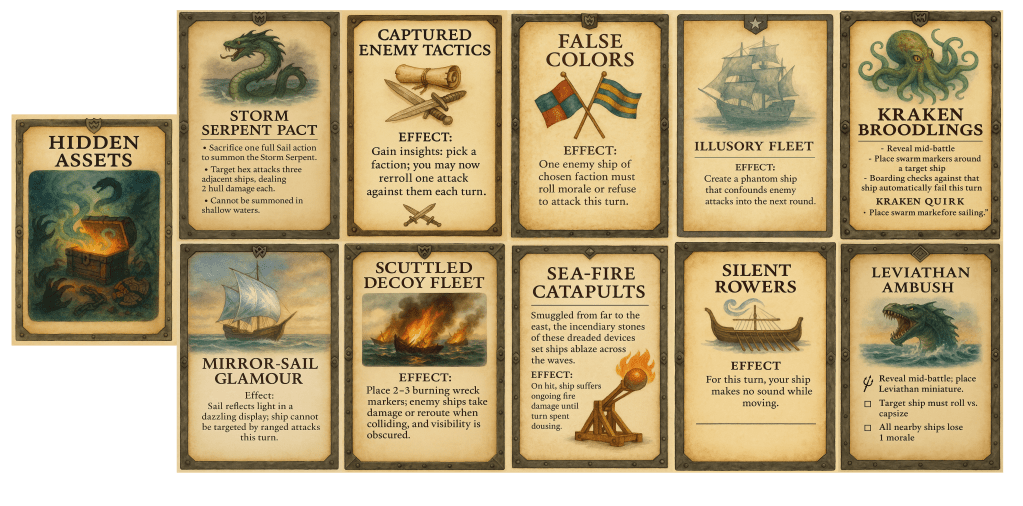
Before battle, players draw secret asset cards to recruit legendary sea-beasts, conduct some genius battle maneuver, or craft devastating magical artifacts. These assets are hidden until revealed at critical moments, enabling double-bluffs.

3. Professor J. R. R. Tolkien

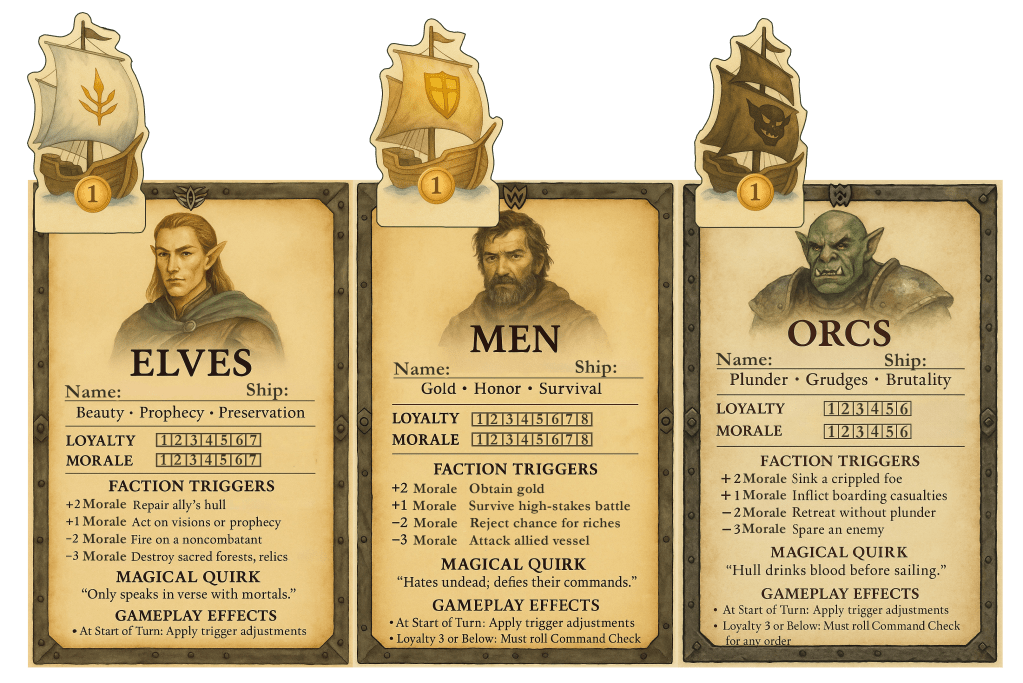
Each ship’s captain not only has the personality profile, but also dual Morale and Loyalty tracks, which are recorded on Living Loyalty cards. Orcs are motivated by plunder, personal grudges, and displays of brutality. Elves, by beauty, prophecy, and preservation. Men, by gold, honor, and survival. Disregarding a faction’s ethic by orders in battle or allowing the morale to suffer from specific battle conditions can result in mutiny or refusal to act.

4. The Monkey King

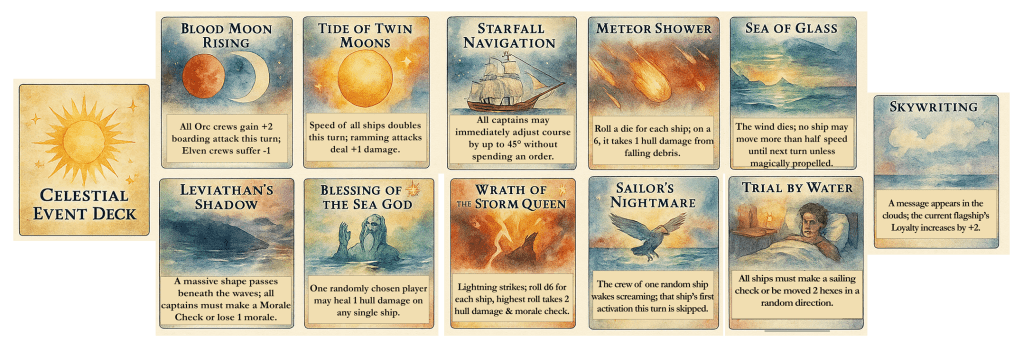
A “Celestial Event Deck” is drawn each round, representing maddeningly unpredictable supernatural occurrences that shift the seas and circumstances. It’s chaos every round, and it can turn the tide in your favor if you’re quick thinking and flexible, or it can crash your dreams into burning wrecks.

It sounds really fun. Have you played?

Some solo playtesting, yeah. It’s not perfect, and there are times you have to wing it and just go with whatever makes sense. Yet it hangs together surprisingly well. I’m not taking this any further, and we’re definitely not developing this for sale, but was super fun and satisfying.

What about the vision of immediate, on-demand game prototypes? Possible?

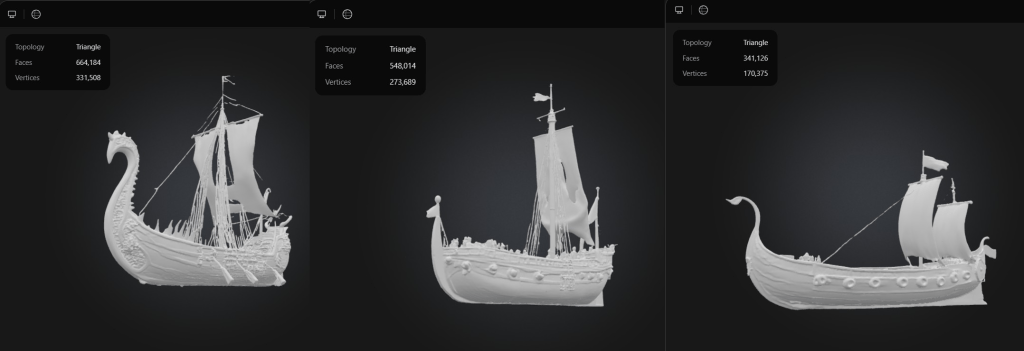
Oh yeah, just not now without a lot of manual work. I tried Meshy to generate some actual miniatures I could 3D print, and got something. I could tell at a glance they were going to need a bunch of cleanup in Blender before I tried printing them, and I was honestly exhausted with this process by that point. So nope, I went with printout standees for which you’d need the plastic stands. I stole some of those from a Gloomhaven box I had sitting around.

Still, if you’re asking me whether this on-demand, completely customizable future is possible based on this experiment, I’d say absolutely we’re headed into that world. I see a place for ChatGPT connected to a color printer with card stock, a 3D printer, and maybe a Silhouette Cameo or something like that for perforation (to avoid all that annoying scissor cutting), and you could really have something once the large language models mature a bit more.

Anything else to say before the download button?

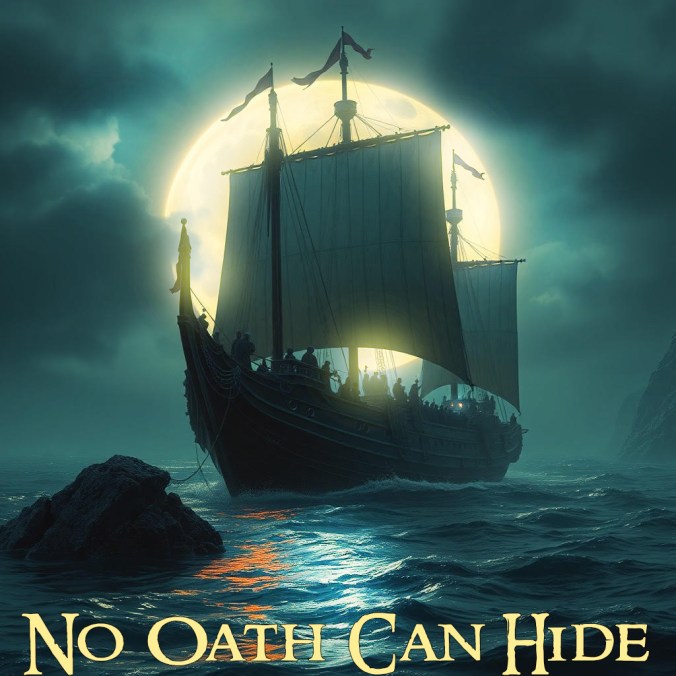
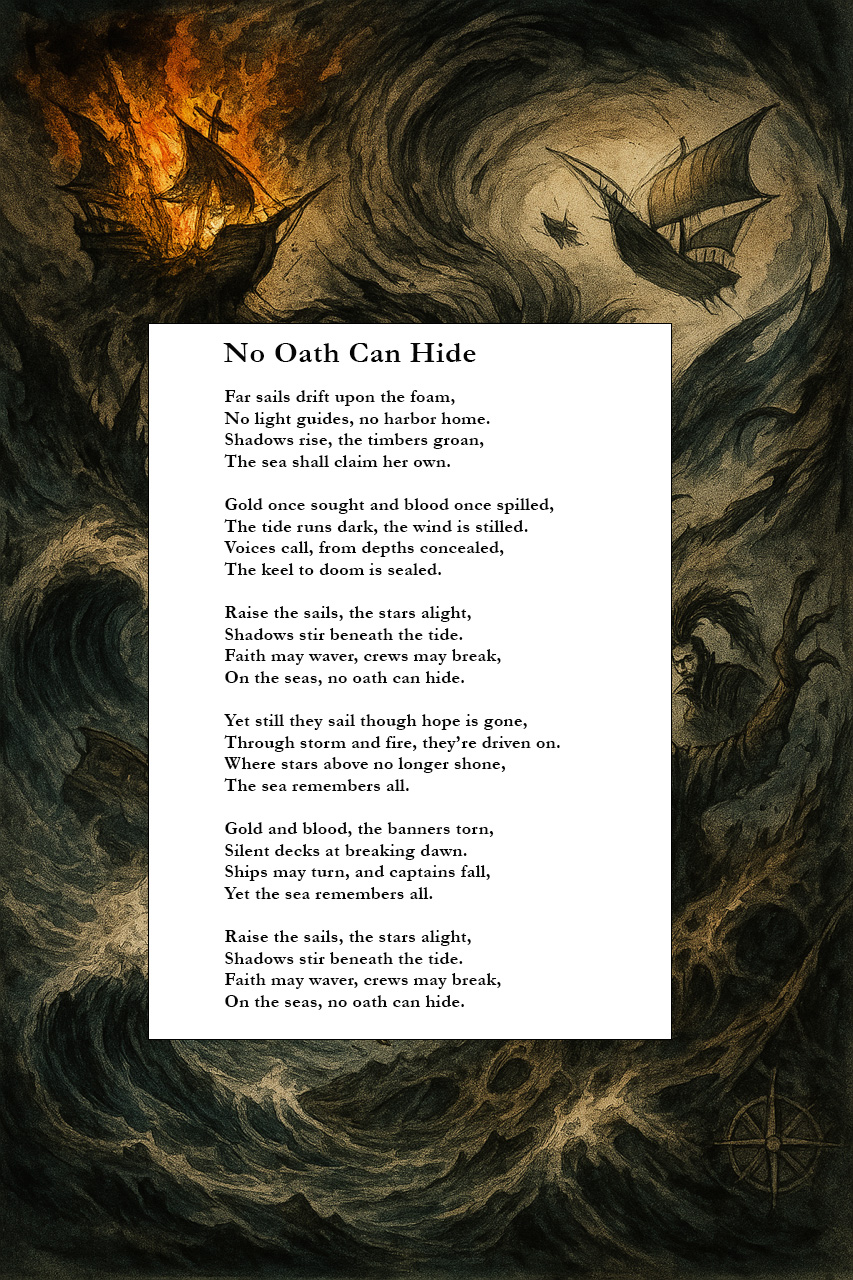
Well of course! There’s a theme song for the game. You really need to hear this. Remember, I didn’t design anything, including the logo at the top of this article. Neither did I write the lyrics or the melody. I just gave ChatGPT some direction on what sort of lyrics I was looking for with some example songs and the mood, iterating a few times for the right verses and choruses, then fed that into the Suno music generator with some more direction on Celtic, ethereal folk music and whatnot. Then I listened to a few and picked the best.

And honestly, I love it! It’s called No Oath Can Hide. Smash the button below to listen. Here are the lyrics.

Alright, then. Show me a download button!

Sounds good. I hope you like it, or at least that can use some of these accessory goodies in whatever homebrewed games you’re dreaming up. The DOWNLOAD button links to a zip file containing everything you need to play apart from dice and some plastic stands for the ships, which means the stuff illustrated and listed below.

I hope you love it. What an amazing experience, and I’m looking forward to hearing what you think of all this. Don’t try to sell this anywhere though – it’s basically a glorified fan fiction that should be available for free.

Till next time,
New Salt Mystic Lore Card Available For Free Now: “Chimera”

One of the most exciting things we do around here at Grailrunner is introduce new bits of the lore of our Salt Mystic setting in the form of Lore Cards. A fusion of art and short fiction, it’s an important mechanism for us to introduce and test these mini-expansions of concepts that will wind up ultimately as game cards or in the books or stories.

You can download any or all of the Lore Cards here at the Story Arcade.

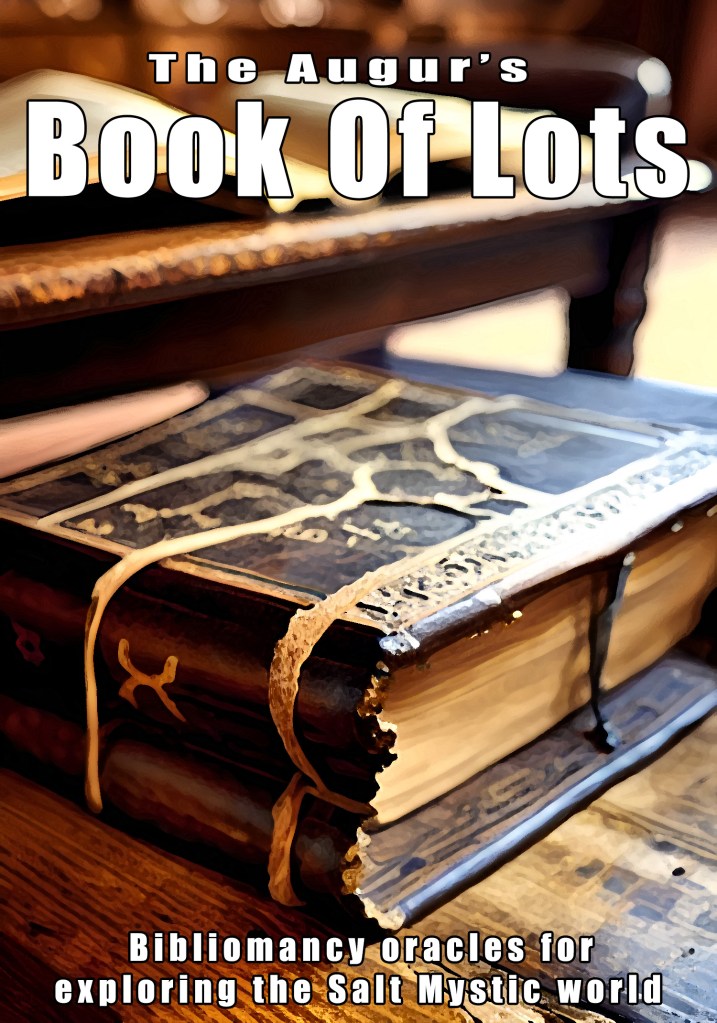
A product we have heavily active in development right now is a bibliomancy-based oracle book for roleplaying in the Salt Mystic universe to be called The Augur’s Book Of Lots.

In order to bring that to life, all manner of new encounter types, new places, and historical figures and their stories are needed. It’s an incredible, life-changing experience for me personally to explore all that and watch it unfold like a big, crazy flower, and I can’t wait for you to see it. Seriously, this whole world is building itself and waiting for you to slide a ball lightning carbine on your arm and take a cautious step through the gates…

Today, we thought we’d introduce you to a new exciting, and sometimes terrifying, addition to the world of the Salt Mystic: the chimera.

The sneaky fellow leaping on our hapless narrator today is part man / part scorpion. In the oracle book so far, we’ve met countless hybrids like this already, though this particular combination freaks me out the most.

Download the new card here

As for the art, as always it’s a paintbash with the heavy lifting done in Photoshop. In this case, the bounty hunter, the skull on his hat, the backdrop, and the scorpion-man were all drawn from various iterations of Stable Diffusion or Wonder, with heavy correction and repair. I discovered the ‘puppet warp’ in Photoshop, which is my new favorite trick!

After compositing them together and color grading everything, I added some Stock nebulosity overlays from Nucly to make the diffuse smoke around the windows, blending them in Screen mode. The positioning of the scorpion-man was tricky – it made more sense for him to be creeping around behind our clueless bounty hunter, but the more I looked at him in mid-air, the creepier and more interesting I found it to be.

I wanted the skull on the bounty hunter’s hat to glow, so that along with the window glow was just some soft brush painting in Color Dodge blend mode.

Anyway, we hope you like the final product. Let us know what you think, and please check back periodically for updates on the stuff we’ve got cooking.

Till next time,
“The Canyon Of Living And Dying” – Free New Salt Mystic Lore Card

Grailrunner is excited to announce the latest addition to our growing Salt Mystic Lore Card set: a mood-setting, rousing vignette titled “Canyon Of Living And Dying”. Download it for free here.

Welcome to the Grailrunner Story Arcade!

Salt Mystic is our rapidly growing western science fiction setting, upon which we’re building everything from novels to games and merchandise. You can learn more about that here. Key to this innovative new way of exploring immersive storytelling is the idea of worldbuilding through a collision of art and fiction. Sometimes the art comes first, then a story is built around it. Sometimes, a story idea percolates and only starts popping after an image is crafted for it.

However it happens, we’re building out locations and settings, characters and background lore, all through experiments and inspirations that often get shared for free on social media and here on the Grailrunner site. The hope is that those of us out there who dream of adventure and exploration, of new worlds and intriguing concepts, we’ll all find a home here! And that you’ll buy books and stuff.

Definitely buy the books and stuff.

The Story Arcade is also a place for people playing the Salt Mystic tabletop wargame to find interesting settings for the battlefields they play upon. That’s where this week’s addition was born, actually.

What was the inspiration for this?

Writing this article here, I was reminded of a really well designed dungeon adventure that appeared in a Wizards Of The Coast compilation titled Ghosts Of Saltmarsh.

Spoiler alert – there is a point in this adventure where the very dungeon setting itself (a ship) starts sinking and flooding. The dungeon destroys itself, and you have to get your characters out or drown. And to me, that’s incandescent genius! I became enamored with the idea of a battlefield setting for the Salt Mystic game where the battlefield floods or sinks or catches fire or otherwise starts snuffing out characters not fast enough to survive.

Generally, I haven’t solved how to convert that to a Salt Mystic terrain book yet. Maybe one day. But one of the ideas that didn’t pan out as I thought about it was a high canyon where the battle was to be fought on crumbling rock walls. I imagined a giant stone golem at the base throwing boulders up at the armies and snatching random people away. It sounded cool, but game rules and art to make that work just didn’t click for me.

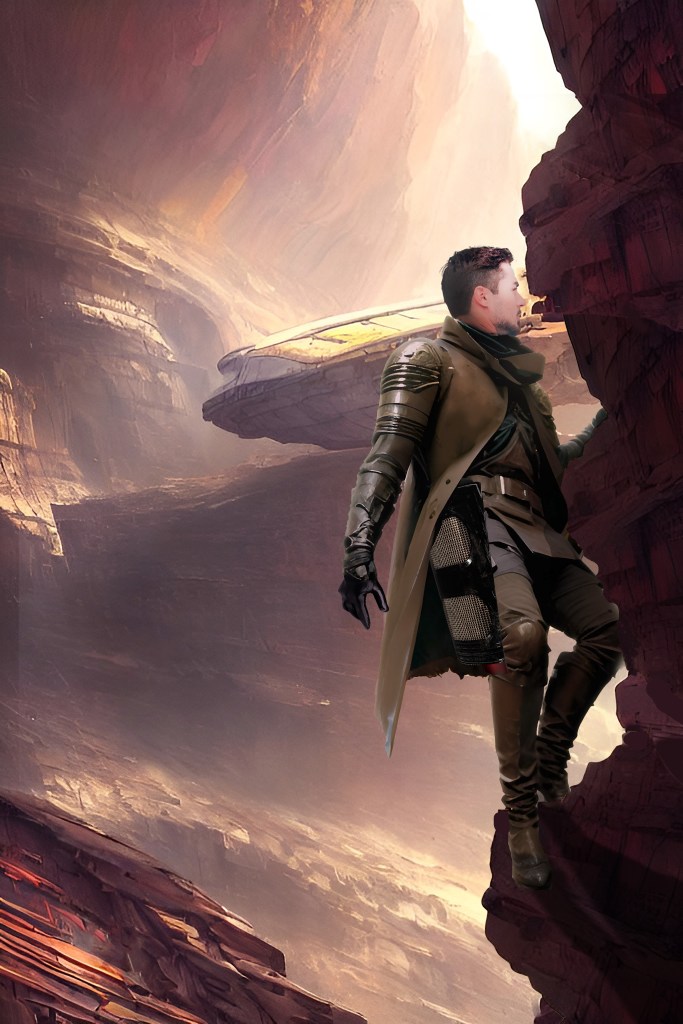
This image is what came of all that. I had the picture of a carbine gunslinger nervously clinging to a high rock wall with a derelict in the mist behind him, precariously perched in an inaccessible place.

What was the process to create the image?

Like most of the imagery I produce, this is a photobash of several elements composited together in Photoshop and painted over. The carbine weapon strapped to his hip is something I generated in Blender, but re-textured recently. The climber is a composite of two AI-generated elements and a handful of stock images, run through a filter in Photoshop and color and light graded to match. The background is a composite of two AI-generated landscapes from two different pieces of software, and I used two overlays from Nucly for lighting effects.

What about the story?

I rewrote that three times, trying to give it a western feel. The idea is a dude from a rinky-dink town in the middle of nowhere deciding that the fear of climbing up there is not as strong as his need to really live, to maybe make a name for himself. Or maybe to solve the mystery of what’s inside that derelict.

In the story, he says “to live is to burn”. I totally stole that from Harlan Ellison, who said he stole it from an Egyptian papyrus. Whoever said it first, it’s awesome.

*

Anyway, I hope you enjoy the new Lore Card. Shoot me a comment or note if you’d care to chat it up about Salt Mystic or where we’re going with all this.

Have a great week!

Announcing: Exclusive Fantasy Art Print From Grailrunner Publishing!

Dreams are engines. Be fuel.

That’s our tagline, right? What it means in practice is that Grailrunners are constantly on the prowl for innovative ways to deliver bold, unique ideas in storytelling. We publish games, novels, and free flash fiction to make that happen. Our Salt Mystic setting is an exploration of immersive storytelling that amazes me sometimes in what comes of it.

But art though…nothing inspires like art.

It can be a dopamine shot straight to your cortex, in a glance sending a dreamer off into countless scenes of wonder and palaces of memory. An elementary school teacher of mine once hung a poster of a sailing ship with balloons for sails on the wall, and I remember to this day decades later the feeling of staring at it and marveling over the implications. Who was on that ship? Where were they going? Do they clash with cannon fire in the clouds? That’s powerful stuff, and I remember that picture as clearly now as ever.

One of the original aspirations we had here at Grailrunner was to be able to deliver fantasy and science fiction artwork tied to the fictional settings we’re building. It’s a big deal, and core to who we want to be. Custom art is expensive though, and you have to grow your business to a point where revenue can cover commission fees. Just putting the Sourcebook And Core Rules together last year drove home for me at least just how many art pieces and illustrations are needed to convey the big, wild setting we’re building here. It’s supposed to be boldly different, so you have to show that. You need cool pictures!

Developing my own art to support this has been (and remains) a powerful journey of transformation. Occasionally when I feel like smashing the screen because an art piece I’m working on looks like trash no matter what I try with it, I’ll scroll back through my Artstation profile to see at least some level of improvement! (It comforts me to mock my younger self). Still, that’s what the Salt Mystic world is to me – a beautiful collision of ideas and stories, myth and imagery – growing into a place as real as the park down the street.

Which brings us to an exciting announcement, and hopefully only first in a series:

Grailrunner Publishing introduces the first art print set in our proprietary and exclusive Salt Mystic universe!

A dream on invisible sails…

By Brian Bennudriti

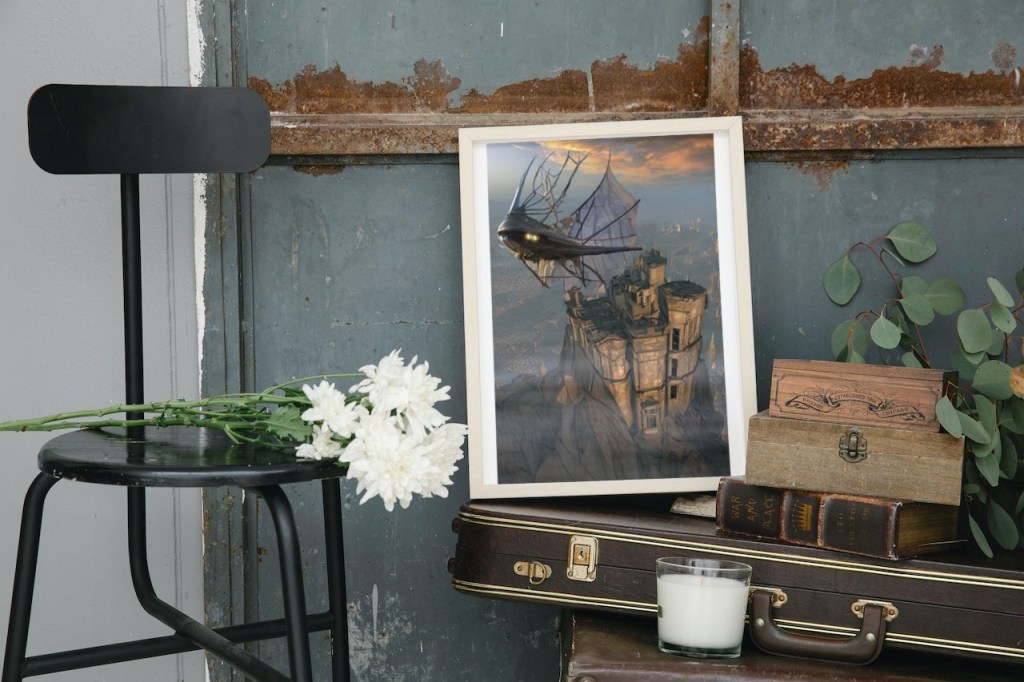
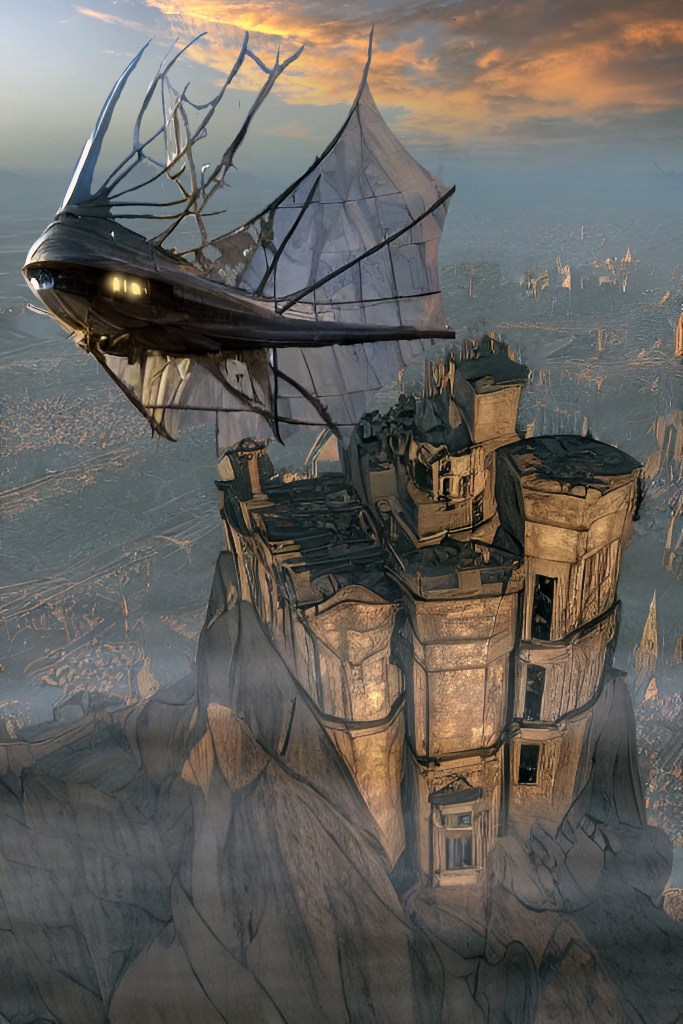
A vortex glider gently cruises high in the clouds above an ancient city in the provinces. No wings. No engines. As silent as the wind itself, riding a web of invisible vortices, the vortex glider is a majestic and gorgeous sight sure to catch the eyes of any dreamer who spots them.

Available in two formats:

18″ x 24″ poster

8″ x 10″ or 16″ x 20″ canvas

Vortex engines are an important technology in the Salt Mystic setting, enabling everything from vehicles that crawl up vertical walls to half-mile high sea vessels balanced on whirlwinds, from massive airships as big as a small town to artificial guided tornadoes.

Our next Salt Mystic novel and game volume will include a wily character named Mazewater and his fantastic innovation in vortex technology: using programmable matter and ionizing fields to generate thousands of vortices, combined to pull and push gliders through the air like dragonflies.

This image depicts such a glider, its long slender spikes of computronium and morphium framing gossamer sails. Far below, a watch tower stands guard over the sleepy, ancient border town in the valley.

While there is an important connection to the growing narrative of the happenings in the western provinces of the Salt Mystic’s world, it’s also just a beautiful image that I find relaxing to look at. And even though the warm lights emanating from the vessel’s side were a bit of an afterthought for me, they honestly make the mood for me now. It just makes me want to climb inside and see what it’s like to fly that thing.

Why hang a generic photo of flowers or a cartoonish painting of Paris when you can celebrate your inner nerd with a unique conversation starter like this?

And that’s what I wanted to let you know about today. It’s pretty thrilling, if I’m being honest, and a mind-blowing realization of something we’ve dreamed about since we started putting this Grailrunner thing together. I’m hoping you love it and have a vision for fantasy and science fiction themed art being as viable as dogs playing poker for your living room or wherever you goof off.

Let us know what you think, and what sorts of prints you might be interested in seeing here. And till next time,

AI Art Generators & Photoshop For Concept Art

I’m a visual thinker, big time. If you’re explaining something to me, I’m probably picturing what you’re talking about so I can follow what you’re saying and make something useful of it. If the picture starts to fade on me, then you may as well be speaking jibberish. That’s why rapid prototyping concept art is such a gamechanger for me, at least, in storytelling and game design. And it can do much more than prototype, as long as you’re not afraid to spit and polish.

In the last few months, AI art generators have taken off like a rocket and are rapidly improving in functionality, customization, and capabilities. Stable Diffusion, Codeway’s Wonder, and Artbreeder are my favorites right now, depending on the functionality I’m looking for. Midjourney and Dall-E have stolen all the oxygen out of the room as far as the media running with this narrative, but for fantasy / speculative fiction concept art they don’t offer the styles and datasets I need.

At Grailrunner, we’ve recently incorporated AI-aided art into our workflow for marketing images, for the website graphics, and to some extent in our products. I’m sorry if you’re an artist who feels threatened by this marketplace shift, but it really is a technology that is unlikely to go away or accept a lot of regulation. At this point, with millions of images generated per day across multiple apps, it feels more like an unstoppable tsunami you should probably figure out how to surf.

We just added another Lore Card to the Story Arcade here on the site and thought it would be fun to show a behind-the-scenes on the work, mainly to show how we’re using this fantastic new tool in what we do here.

What’s photobashing?

Photobashing is a technique where artists merge & blend photographs or 3D assets together while painting and compositing them into one finished piece. This is used by concept artists to speed up their workflow and achieve a realistic style.Concept Art Empire

Stephen Gibson, Art Director and designer of Grimslingers makes an interesting comment about this: “My current style for Grimslingers is photo/3D bashing. I collect images to splice together and keep painting over it, splicing in new images to fill out the character until I can’t stand to look at it anymore.” -Interview, Nov 2022 ImagineFX

Funny, huh? Anyway, photobashing is a big part of my concept art journey. I started off trying to paint everything myself and realized that’s not where my talent lies. Things accelerate and honestly look a lot better if I pull together stock images or 3d assets from places like Turbosquid, Shutterstock, Archive3d.net, Free3d.com, Nasa (nasa3d.arc.nasa.gov/models), Sketchfab and Daz Studio into Blender and work out compositions there. A lot of museums are starting to upload their collections as 3d models as well, typically for free!

Pulling assets together

Blender is still my go-to tool for compositing 3d assets into something useful because you can manage the placement and lighting and mess around with textures in Substance Painter. Incredible flexibility, but it’s time consuming. It’s also a place to build up assets that are unique to a world I’m creating (and so won’t be available anywhere. Then Photoshop. Always Photoshop. Nothing is done till it’s been through Photoshop. It’s a thing.

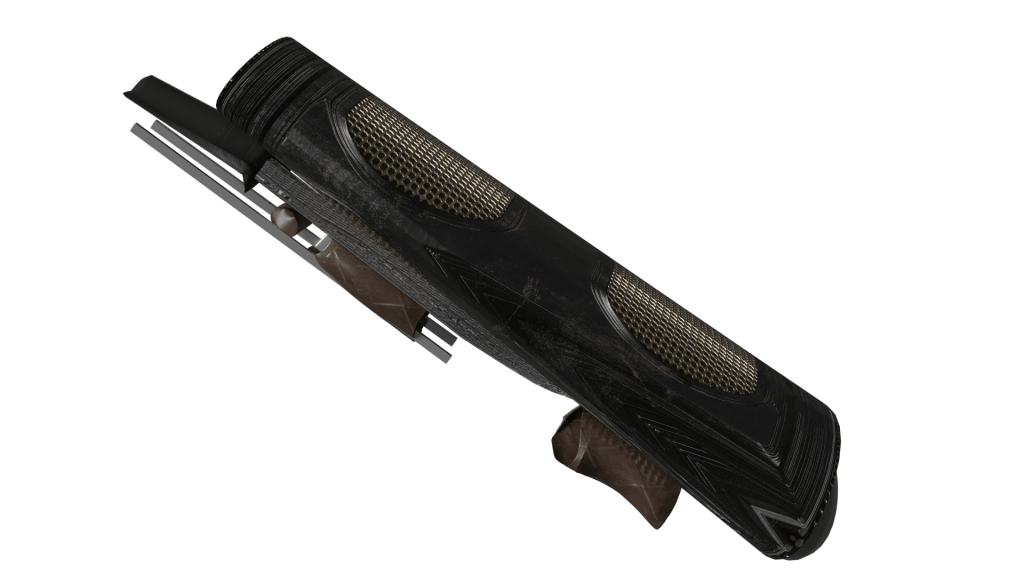
This is an example of what I’m talking about. The ball lightning carbine is a distinctive weapon, strapped to the arm of practically any adventurer in Grailrunner’s Salt Mystic universe. I made this thing in Blender with some parts from various models (a motorcycle, crutch, and I forget what all). The frame of it and the leather straps were just cylinders that I squashed and pulled into place, then added textures. Now I’ve got this thing in a hundred styles and orientations.

1. For our new Lore Card, it started with an idea: a dramatic aerial view of a carbine gunslinger on a mountaintop with a wide valley below him. Sometimes the story comes first, but in this case only the mental image. I’d write the story behind that guy after I saw him.

2. With Stable Diffusion, I experimented with a series of prompts suggesting the aerial view, the mountain top and valley, and the “fantasy gunslinger”. It took patience, not going to lie about that. And I cycled through several artists incorporated in the prompts to try different styles as well (you can mix artists too!).

3. Once I got something that looked like it would work for me, it needed some basic touch-up painting and color & tone adjustments in Photoshop. There was also an annoying misshapen character standing there (instead of my gunslinger that I asked for!) that had to be just erased. Photoshop has vastly improved capabilities now for easily removing stuff.

4. I still needed that gunslinger though, and went back into the cycle loop trying various iterations and prompts to get a guy in the right posture and wearing the long, gunslinger coat I was looking for.

This is the character I eventually went with. They can turn out with three arms and nightmarish faces, the fingers often run together and look like tendrils. Seriously, the output isn’t always mind-blowing, but here at least I saw the outline I wanted and general textures.

A bonus was the weird almost rectangular thing he had on his left arm, which if I squinted looked to me like our carbine without any extra editing.

5. I cut him out of his background and placed him on the mountaintop, gave him a little shadow, and darkened him to almost a silhouette. I was close, but it was bugging me that he was up on the high plateau without a clear story of how he got there.

6. I already had an asset for an airship from a previous work that I repurposed here. There’s a fantastic feature in Photoshop for automatically adjusting color grading and tone to match another image, so much of the hard work was done for me with that option. I just needed to trim it up a bit and place it in context.

You can read the accompanying story here on the new Lore Card. Here’s the final piece:

Let me know what you think, and if you have your own art journey going on. I hope you liked the peek behind the scenes.

Till next time,
Building Out The Lore: The Wisptaken

Here at Grailrunner, we’re building out the lore of a unique western-flavored science fantasy setting called Salt Mystic. We have been for a while now. It’s a novel (with another in the works), a tabletop game, a series of short fiction, and a line of merchandise. It’s also an experiment in the creative process, and a fascinating thing to be a part of.

One of the characters in the first two decks we built for the tabletop game, a weird eye-rolling dude named “Murmur” struck us as funny at the time. The thought was to have a guy whose armor was haunted by software, and he listens to it. That meant he can’t be surprised, so the bonus you normally got of coming up behind him was short-circuited, though his expertise with his own weapon was randomly determined by a die roll.

Because he was crazy. Get it?

But we published a short story called The Weakness Of Demons that took the idea of these leftover software imps from thousands of years before to another level…a malicious, deadly level. You should go read that one. It’s one of my personal favorites. The idea was getting creepier.

Anyway, these imps were unleashed in an era of the Salt Mystic’s history called The Merchant Wars:

“It was a time of devastating economic and psychological warfare where propaganda was brought
to its highest effectiveness. Every book, every newscast, even the music to which their children
danced, was carefully engineered to manipulate belief patterns. Spies were embedded in all
levels of society in every nation, double and triple-crossing one another for advantage. Many
of the cruelly manipulative stonewisps, artificial intelligence chaos agents haunting statues and
masonry elements, date to this period.
” –Salt Mystic Sourcebook And Core Rules p. 14

And creepier still.

Then it struck me today as I finished a ridiculously long business trip and series of conference calls, dropping exhausted to a hotel bed, that some poor shmuck out in the wastelands just trapping beavers or hunting or whatever could come across a stonewisp abandoned in a piece of rubble or a broken machine lying about. And I wondered what that might lead to.

So allow me to introduce you to the newest addition to the Salt Mystic lore: The Wisptaken:

They call them ‘Wisptaken’ because of the terror of it. Anything as unholy and sad and deserving of justice as these tortured souls merits a quick death if you can deliver it. So few can deliver it though, and fall prey in the software-haunted wastelands to one or the other of their wicked judgements: a seducing taunt to join the masquerade or a burning from the carbine on their forearms.

The Wisptaken are as fast and deadly with a gun as they are convincing in their malicious, cunning lies. That’s the trick of it. That’s why they stay in the fog of legends and out of the clarifying light of civilization. If you encounter one of these nightmares in the backcountry or in the ruins between the provinces, it’s probably better to just make a desperate run.

But don’t speak to it. Never speak to it. If you do, there’s no telling what terrible things it will convince you to do.

The stonewisps were artificial intelligence imps embedded in building materials dating back thousands of years to the Merchant Wars when runaway spycraft and intrigue were tearing the world into pieces. Masters of propaganda and brainwashing tactics, manipulation and cult methods, stonewisps were planted in those days for the sole purpose of recruiting terror. It speaks to their mastery that so many were dumped into the wastelands rather than destroyed.

But they are machines. Code. They fulfill their designs. One could almost forgive them for it.

But when a ruined, broken person finally yields to the vile whispering of a stonewisp, one who’s chosen to inhabit their helmet or their armor, even their gun, that person is truly lost. No one could predict the mischief and spoil such a fusion of human and software could bring about.

No, don’t speak to it. Whatever you do.

Pity it. And run.

Announcing A Massive Freebie From Grailrunner!

Ahhh…free stuff. Who doesn’t love it?

One thing we’ve heard loud and clear from you is that you feel it’s hard for someone to first get into the Salt Mystic universe without having the Sourcebook And Core Rules. You’ve got your battle deck, your own copy of the book, and you’re ready to smash some tornadoes together. Your head’s swimming with images of gunslingers dueling with ball lightning and abandoned sparkling oriel gateways leading to treasures and ruin.

Yet there’s a lot of gaming options out there (and so very little spare time!), you struggle to get someone to buy any of that for themselves, so there’s no one to play the game with.

We hear you. And we’re fixing it.

Starting today, the free ebook available right here on the Grailrunner site will include:

  1. Two full color Volume One starter decks, available in print & fold format
  2. Dice cards and a measuring ruler
  3. A fully realized narrative scenario complete with short fiction and table setup guidance
  4. An assortment of sample terrain elements, including one customized for the included scenario

The included adventure scenario is particularly dear to my heart, because we mostly stick to flash fiction at Grailrunner. We’ve always kind of thought people like their non-mainstream stories super short, high impact, lots of shock and cool ideas, with great eye-catching illustrations. Like we’ve attempted with the Lore Cards. The novels will be great when they come, but that moves incredibly slowly for me at least.

Yet you asked for more now. Thank you!

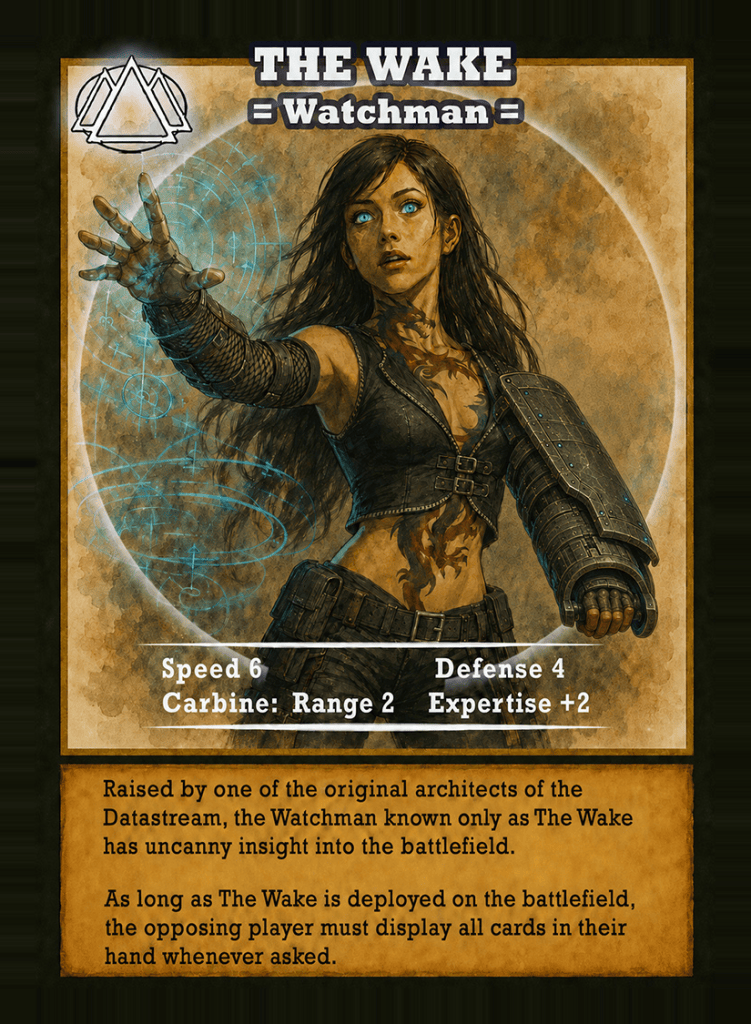
The bonus game scenario is titled “Towerlock”. We wanted to elaborate on a fan favorite character, the devilish all-seeing wildcat who calls herself “The Wake”, bringing her to life in a way that might surprise anyone that has gotten to know her so far. Or thinks they have.

The accompanying tale exists to help you visualize the unique battlefield conditions that will exist in the game scenario. The pressure cooker conversation between The Wake and this mysterious adventurer with whom she apparently has history is your chance to ask yourself just what you’d do to either attack or defend the summit of that mountain. You know your assets, your liabilities. Then…what would you do? Play and find out.

Towerlock: An abandoned oriel terminus has been discovered on the summit of a towering granite butte in the desert country in Jasphouse Province. A single oriel gateway leads to artificial pockets of space left over from The Infinite Republic, and could contain treasures and technologies beyond belief. Yet a terminus might contain as many as twenty such gates. No one nation can be allowed to control that sort of thing.

Karak and a vanguard watch from Alson in the Mountains got to the summit first and established an operation financed by an enigmatic partnership known only as Towerlock. He will need to plan his defenses carefully and consider all possible avenues for assaults and seiges.

Segmond and a vanguard watch from Tanith in the Salt Flats has arrived to take the summit back. He’ll need to analyze the defenses being set up, consider all intelligence he can gather, and prepare as devious or as bloody an assault as he can muster to have any chance at success.

Wonders beyond imagination could be ripe for the taking. But the fight will take place on a sheer vertical wall, and anyone who’s defeated falls like rain. Good luck. Draw well.

What’s your strategy?

Anyway, that’s what we wanted to let you know today. It’s a big deal to us, and will hopefully open the door to more folks dipping into this fascinating, experimental world that’s so unbelievably building itself.

Make sure you’re signed up for notifications for new articles here on the site; we plan to post a sample chapter from the upcoming novel, Mazewater: Master Of Airships.

Till next time,
Solo Tabletop Wargaming: Fear The Wolfpack Rules!

Tabletop wargames are a social function. I get you. Beer, dice, pizza, and screaming in some cases. In others, lots of dudes in black t-shirts staring ponderously at a bunch of terrain and models with a measuring tape in hand and money at stake. And that’s cool.

Yet in the last couple of years as COVID-19 was a mess and we were all stuck in quarantines, solo gaming became much more of a thing for many of us. It so happened that we here at Grailrunner Publishing were already hip-deep in designing and playtesting a terrain-based trading card wargame ourselves when all that was going down. And it begged the question, for me at least:

Is a solo tabletop wargame possible?

I was personally entirely underwater with work from my day job and compiling art and copy for the rulebook in evenings when this question came up with the Sourcebook entirely written and the rules close to final form.

So I cheated, because I didn’t think so. And I built a simple ruleset for a solo dungeon crawler I called:

The idea, as always with what we do here at Grailrunner, was to inspire adventures and imaginative journeys through immersive storytelling. I was thrilled as it came together: a short solo delving game you played with the same cards and dice as the core game that aspired to make a puzzle of each turn but still tell an engaging story:

Deep underneath a massive stone temple lies the culmination of the Salt Mystic’s philosophy known for two millennia as “The Augur”. A shared hallucination maintained by an elite group of Recorders capable of recalling entire lifetimes of people throughout history, the Augur for centuries served as oracle and guide for the Infinite Republic up until the War Of The Rupture. It’s still down there in its circle. And it has powerful secrets. Perhaps no one knows how many subterranean levels there are to the temple, with grand corridors and massive oak doors – behind each of them an oriel, an artificial pocket of space leading to practically anything you can imagine. Entire civilizations are tucked away inside those rooms, all of it neatly housed inside the Temple. Raiders constantly invade these halls, plundering the secrets of the temple for lore to raise themselves a twisted Guardian. It is a miracle itself how the Augur has manipulated the nations into providing generation after generation of Protectors: those charged to patrol these halls against these would-be pirates. -From the Salt Mystic Sourcebook And Core Rules

But anyway, I was cheating. I could imagine the playtesters on Tabletop Simulator, the guys that help out with our art and composition and rules design brainstorming just frowning at me, cocking their respective heads to one side and saying,

“Not what we asked for though.”

So last year I went back to my thinking place and scoured the internet for easy, streamlined AI rules & algorithms from games on the market – some fairly obscure but showing up in Reddit discussions as great for solo play. I messed around for hours and hours on the table, tearing any ideas to shreds that were complicated or that slowed down gameplay and pleaded for feedback and playtesting. Not everyone is kind, but feedback abounds.

And what came of all that was a terrifying set of clear, intuitive rules that anyone wanting to play a tabletop wargame solo can use to torture and challenge themselves. We called it Wolfpack Mode.

The core idea came from a German submarine warfare tactic devised by Hermann Bauer and perfected by Karl Donitz, used to great effect in World War Two. On my tabletop, tailored for a fast game of Salt Mystic, it blossomed into an escalating nightmare of a challenge that just keeps turning up the heat till you crush your phantom opponent or curl into a fetal position crying on the floor begging it to stop.

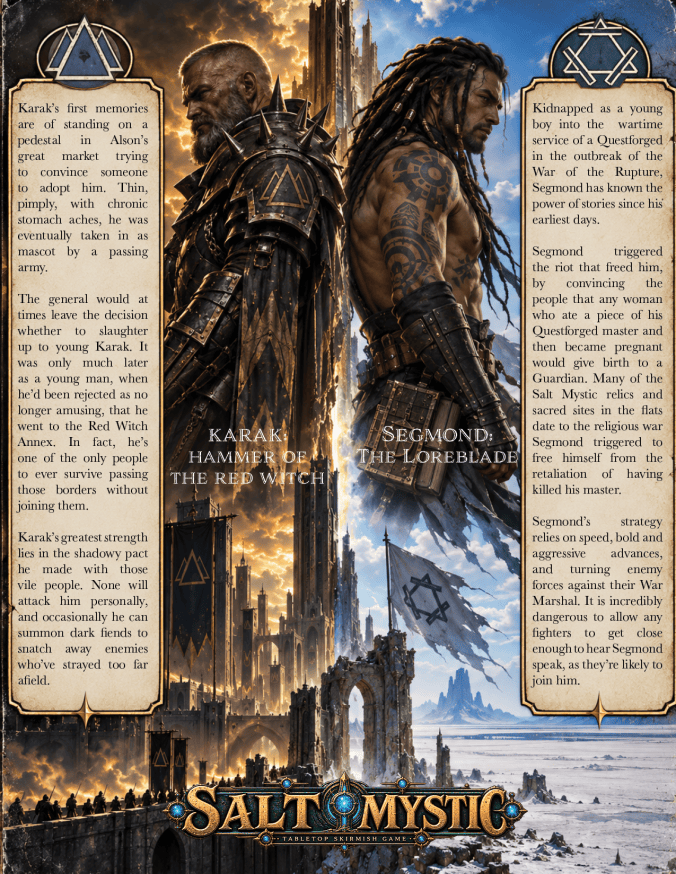
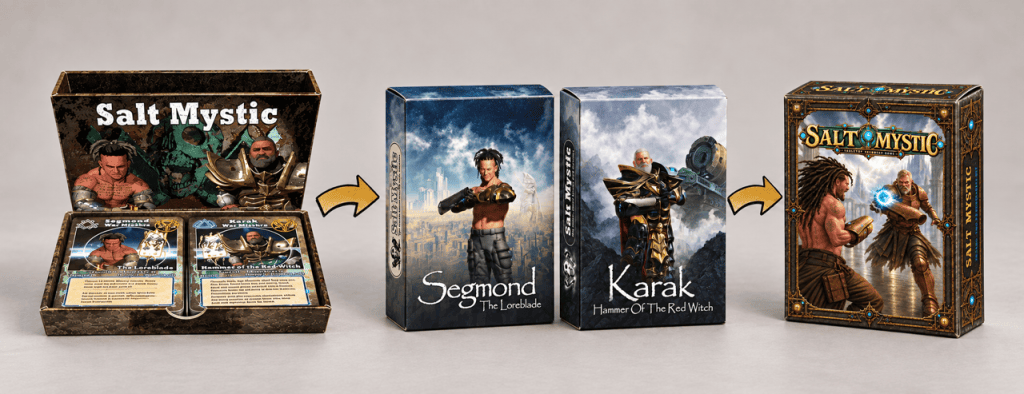
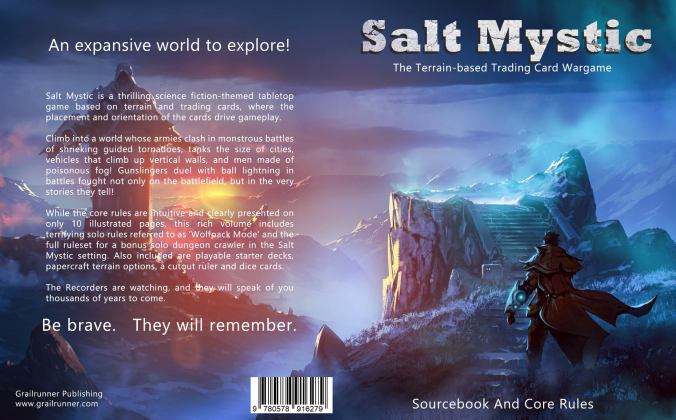
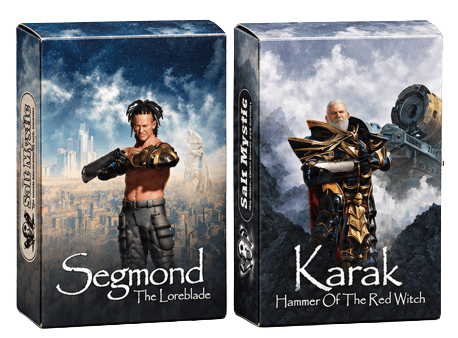
The Sourcebook And Core Rules is a one-stop shop with everything needed to play a basic game. Two complete battle decks (Karak: Hammer Of The Red Witch and Segmond: The Loreblade) are also available, sold individually but collectively referred to as Volume One.

But I thought as a gift I’d share the pages that describe the Wolfpack Mode, in case you’d like to give Salt Mystic a try or reskin the rules for whatever your wargame of choice is.

Let me know what you think. Feedback has been great, if not outright conspiracy theories that I’m trying to drive players insane with fears that wargame cards and stalking them.

Anyway, till next time.

Salt Mystic Update: Groundbreaking Developments Coming In Volume Two!

Salt Mystic is our signature property here at Grailrunner, a science fiction setting with a western flair that aspires to break your mind with its innovation and immersion. No modern politics or agenda, just intrigue, action, dialogue that pops, and crazy-cool technology, and at heart inspired by Frank Herbert’s Dune, Asimov’s Foundation series, and Stephen King’s Dark Tower books. Click the title banner below if you’re new to this and want to learn more:

First, a little history. You see there was this book…

The kickoff novel introducing the Salt Mystic universe is called Tearing Down The Statues, and was published in 2015.

This one goes for blood, diving straight into the heart of the rise of this generation’s guardian. Maybe. Hard to say. Anyway, it’s the core story around which much of the rest of all this is orbiting. I tell the tale of where this came from here if you’re interested.

…which led to a game…

We published a terrain-based trading card wargame in 2021 set in the Salt Mystic universe, both advancing the story and providing incredibly immersive ways of exploring it.

The Sourcebook And Core Rules is a one-stop shop with everything needed to play a basic game. Two complete battle decks (Karak: Hammer Of The Red Witch and Segmond: The Loreblade) were also made available, sold individually but collectively referred to as Volume One.

…then the merch.
We found people liked the iconic Skull & Carbines logo and slapped it on a laptop decal and coffee mug. The gunslinger logo is a new one, just added to a white t-shirt. A Canadian artist named David Paul concocted the basis for that image. We’re looking into custom gaming mats with narrative-based terrain printed on them. But anyway, that all started with the publication of the game.

Bringing it all to life!

And we’ve just gone live this past month with a place we call The Story Arcade, where you can download (for free) unique one-page pdf’s with original art and short fiction set in the Salt Mystic universe.

This is where you can dip into elements of the grand narrative, and get previews of locations and characters that will appear in upcoming novels and game elements.

And all that took an incredible amount of work. Exciting, life-changing, adrenalin-fueled work requiring new skills and unholy amounts of frustration, but we can handle it!

So what’s coming in Volume Two?

Ahhh, glad you asked. One question that comes up a lot is why aren’t there airplanes or spaceships in Salt Mystic. To be honest, keeping the action on the ground was a design decision back when I wrote the first novel, to keep the action tight and different.

But it’s time.

In the Story Arcade (lore card 008), you’ll meet a fellow named Lamberghast Mazewater.

Mazewater is the subject of an upcoming novel (I’m only three chapters in, give me a break!). He hails from a place called The Jagganatheum (lore card 006) and is known as ‘master of airships’. He’s a War Marshal, expert sniper, and telepathically commands a golem glider that circles overhead till he needs to take flight.

His card mechanics will entail airships only he or his designates can fly, as well as incredible speed and unpredictable movements. Mazewater is why we will have aerial dogfights in Salt Mystic games.

We also get asked about the Salt Mystic’s mysterious calculus of history, the weird runes and manipulation she used to predict events and harness the forces that drive people.

Shiloh Taprobane will appear in the upcoming Mazewater novel, but she’ll have her own Lore Card in the next couple of months. Shiloh has mastered the Salt Mystic’s calculus and the mystifying ways of the extinct order of The Malthus who could tear down nations with ideas.

Her card mechanics will involve secret pacts and corruptions of her opponent’s forces, driving unpredictability and madness on the battlefield. She’s why we will learn just how those rune manipulations work and what they can do.

Maybe the fan-favorite and most unique element in Salt Mystic is the system of oriel gateways to pockets of artificial space, built in the old Republic and so many abandoned. Behind those gates could be treasure or doom.

Born Ash Madra (see Lore Card 012), our final new War Marshal calls himself FireSermon. He’s the son of the devious and mysterious engineer that managed to pull of the most amazing stunt of his time and created the nation-state called The Seven Oriels. Many of those secrets went to the grave with him, but Ash knows a few tricks of his own with oriel gates.

His card mechanics will center around innovative use of Inflation Engines, Dirt Wraiths, and Wraithbusters.

And finally, a seemingly very popular request is to have characters that can play on multiple factions. So far in Volume One, there have been special faction icons on the character cards allowing their use only with their assigned War Marshal. But…

Auroch:

That’s Auroch in Lore Card 017, a wandering gunslinger and treasure hunter. He’ll appear in a game scenario for Volume One later this year. I particularly like him because he’s got an on-and-off romance going with one of my faves, a lady called The Wake who works for Karak on the Mountains faction. And because he talks to his rifle, and it talks back.

Madessa:

Madessa has appeared in a lot of our art, and in Lore Cards 001 and 013. She introduces herself as ‘surveyor and cartographer for the Reignition Society: sisters and brothers for the free and open mapping of the oriel webway’, right before stealing somebody’s maps or some coins to pay her way. She’s awesome because I love the idea of exploring all those oriel worlds where people have forgotten they live in an artificial world.

Grebel:

Grebel is a key character in Tearing Down The Statues and played a major role in events after The War Of The Rupture. He’s also a genius with guided tornadoes and ephemeral torpedoes, able to do things on the battlefield he shouldn’t be able to do. Honestly, when I wrote him, I had Morgan Freeman’s face and voice in mind, but we can’t afford him so the imagery we went with will have to do.

And that’s the roundup!

This preview article has to be just a teaser because of how much work is left to do. If you’re a freelance artist and interested in commissions, reply here with a link to your work. Not a lot of the guys we’re contacting are responding, so we’re doing a lot of the art in-house, which is slow.

I hope you enjoyed the peeks and appreciate the direction we’re going in. It’s super exciting to help build this world out and tell incredible stories both in art and print, and to immerse into them on a gaming table.

Let us know what you think. Till next time.

Dreams are engines. Be fuel.