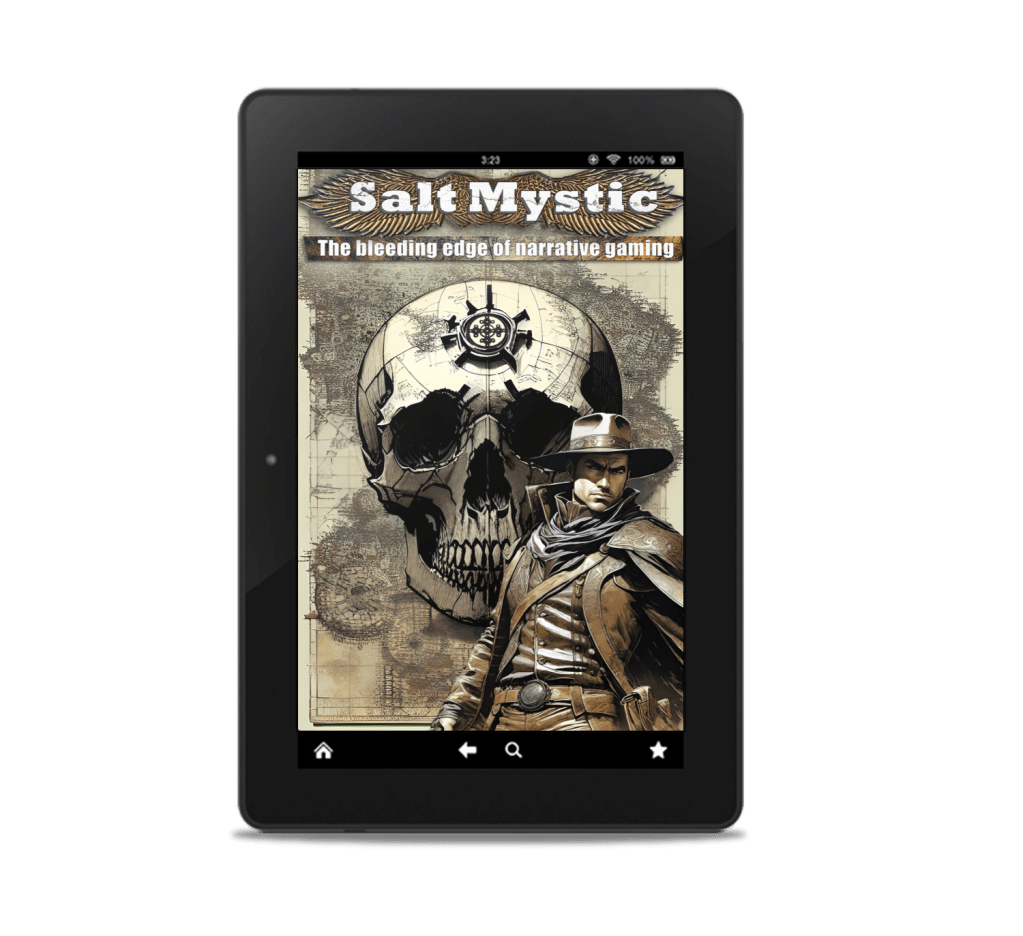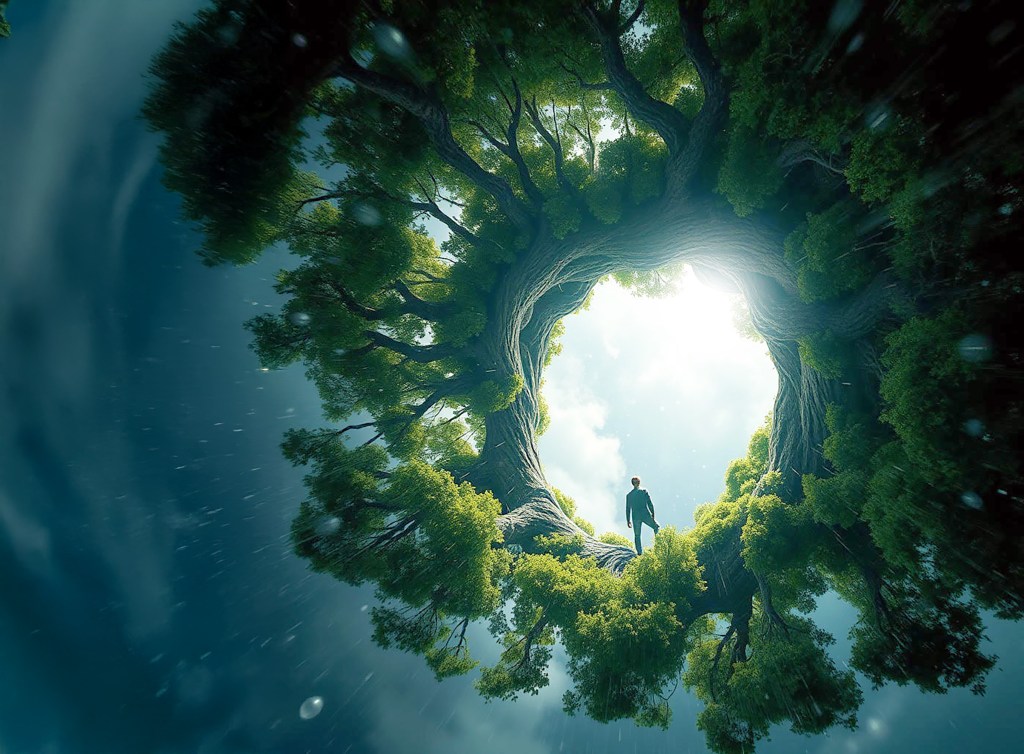
Let’s Visit Larry Niven’s Integral Trees

One of my first obsessions was Larry Niven‘s science fiction. Back in the day, we had a pool table in a big living room where the air conditioning was a box unit embedded in the wall. That AC made the most comforting white noise you could imagine, and to lay on my belly under that pool table reading A HOLE IN SPACE, NEUTRON STAR, CONVERGENT SERIES, RINGWORLD, and PROTECTOR (still on my shelf, so I can read off the names for you) was amazing.

I knew he was extrapolating from hard science. Some of what he was describing was just beyond my reach, but I could make out enough at 10 or 12 years old to know this was fascinating stuff. The naughty bits were cool too, and he seemed to revel in those things. I was his target audience.

Then in probably 1983 or 1984, I talked my mom into buying me his latest: a book called INTEGRAL TREES.
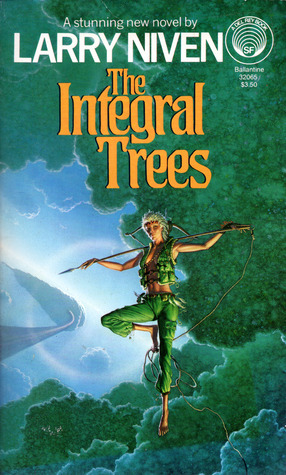
The text on the back hooked me entirely: “Critics long thought Niven would find it difficult to surpass his Hugo-winning novel RINGWORLD – the story of an artificial world, a ribbon of unreasonably strong material 1 million miles wide and 600 million miles long. They were right. Until now, that is. In THE INTEGRAL TREES Niven presents a fully fleshed culture of evolved humans who live without real gravity in the gas torus that rotates about a neutron star. This is the novel his fans have been awaiting!”

I remember flattening the hardback so I could make out the entire cover image to try and understand better what I was reading, and it’s a real dazzler by the great Michael Whelan:
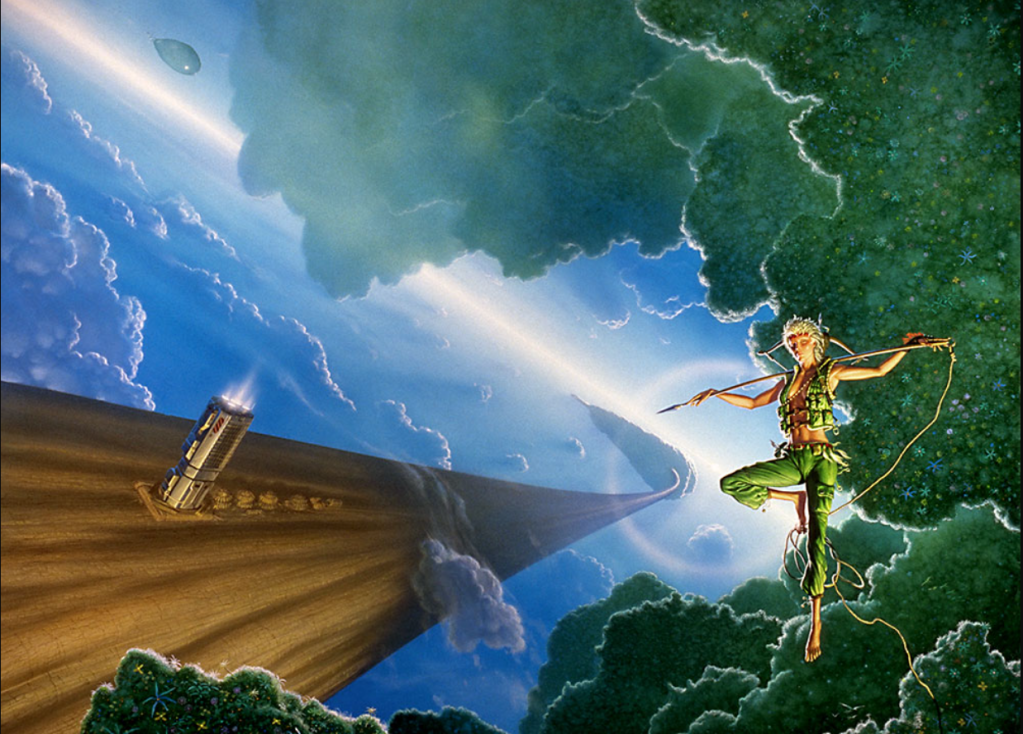
Unfortunately, I didn’t know what an integral sign was shaped like. I didn’t know what a “torus” or a “tuft” was, and even when I looked these things up in the dictionary (dictionary?!), I couldn’t visualize anything in what I was reading beyond people could float weightlessly. Honestly, it seemed this would be awesome if I knew even half of what these sciencey words meant, but I was 10. So I bailed.

I hated that book for years because of that. On a side note, I went on and earned a Physics degree and worked in nuclear engineering for a while, and now I’ve packed in another 40 years beyond when I first laid beneath that pool table to try and visit Niven’s fascinating setting.

For no other reason than I came across its title on Youtube randomly, a couple of weeks ago, it was time to try again.

I’ve finished THE INTEGRAL TREES as well as its unfortunate sequel, THE SMOKE RING, and I believe I’m prepared to describe the visuals and dynamics to you so you can have an easier time than my early self (and from what I understand from reviews and people on-line, many, many others!). I’m a big fan of environmental science fiction like RENDEZVOUS WITH RAMA, RINGWORLD, RIVERWORLD, SCAVENGER’S REIGN, and others, so if that’s you at all – hang on, here. There’s good and bad, my friend. Good and bad.

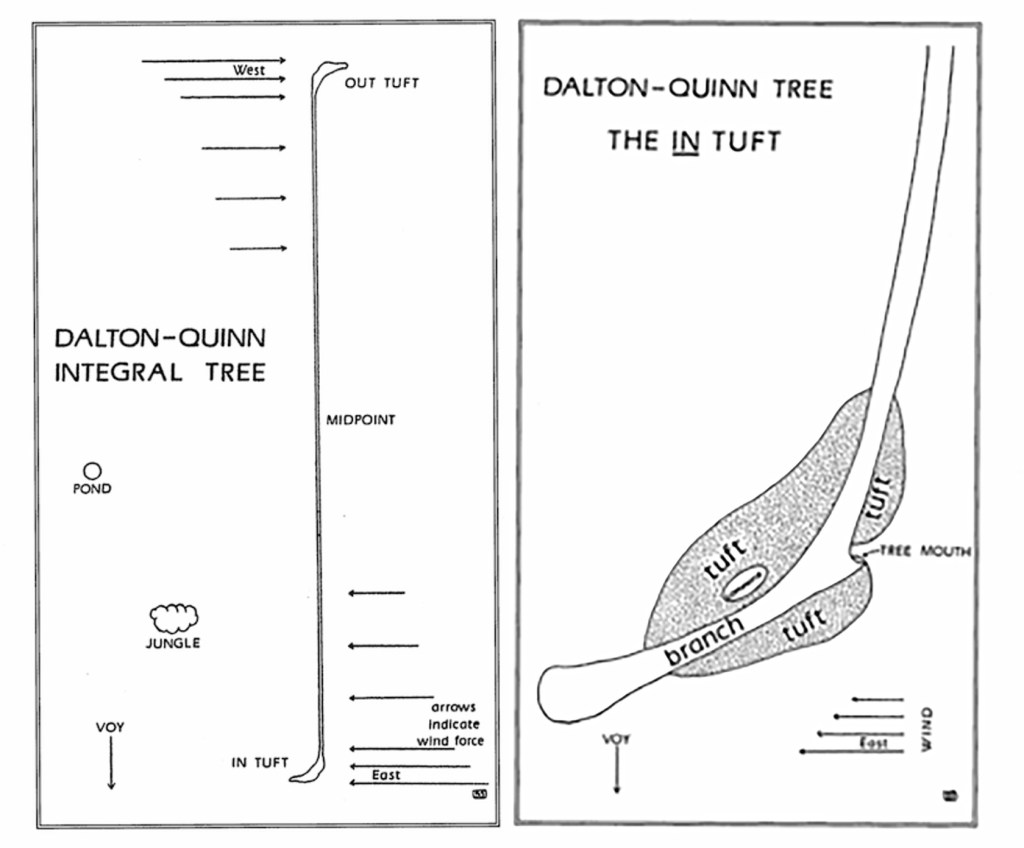
Let’s head to a faraway binary star system where a neutron star (Voy) and a Sun-like star play gravity tug-of-war with each other, locking in a dead planet (Gold). The planet had a thick atmosphere once, but that’s being stripped away by the tidal forces making a stable doughnut-shaped gas torus that, believe it or not, is breathable and inhabitable within a specific zone.
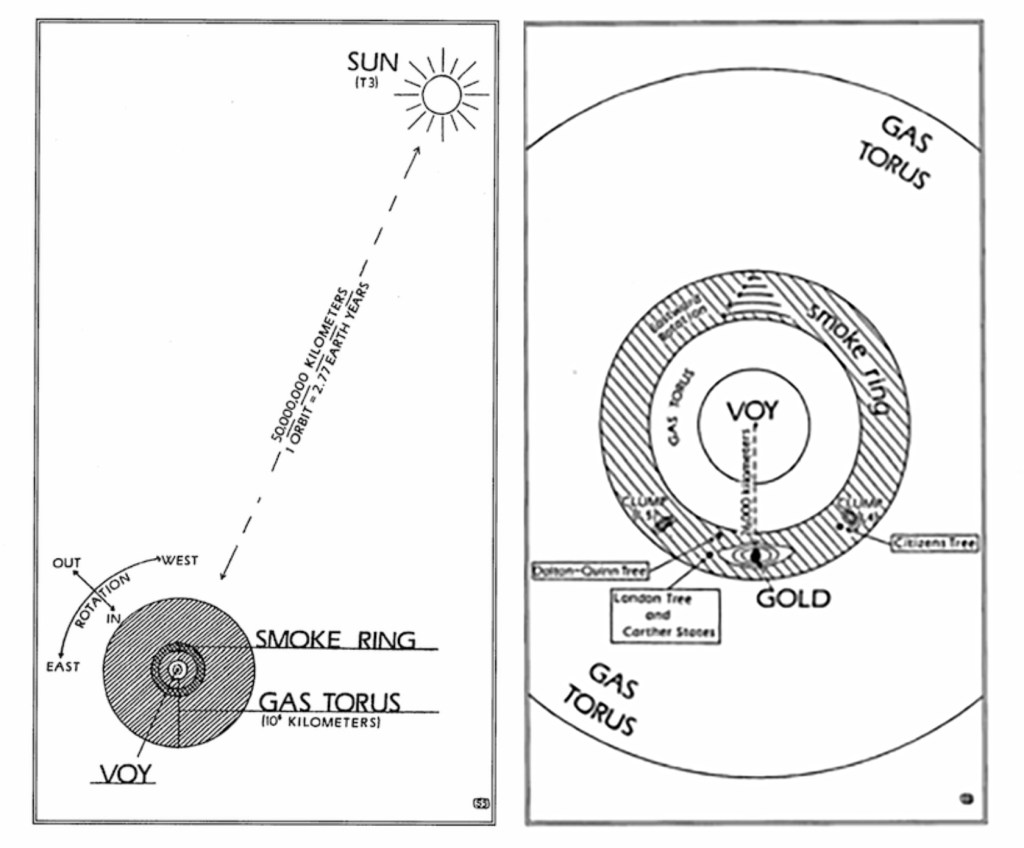
Picture yourself climbing up a thick tree canopy, in fact so thick that people have established tunnels through it and built huts inside. It’s easy for you, as gravity seems to be much lighter than you’re accustomed to here on Earth. You come up on an enormous tree limb and realize this is no normal tree. In fact, as you make your way along its length to the trunk, you find the trunk itself is so incredibly large it appears to be a flat wooden wall. It must be 60 miles long to have a trunk this size.

You press on, climbing upwards to find the top of the canopy and hopefully understand better where you are. There’s light up there, sparkling through the leaves. Bright clouds. Maybe a strong wind – you start to feel a stiff breeze against your skin. A wet mist, like that near a big waterfall, tickles the skin of your forearms as you approach the light. You poke your head up through the canopy and:
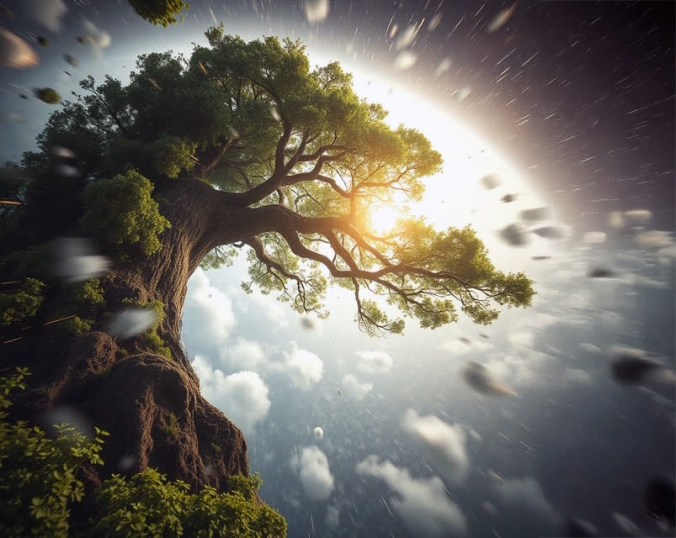
Indeed, the tree is bigger than you imagined, stretching into the distance above you as far as you can see, with a yellow sun way up there making a halo around its fuzzy far end. You squint and can just make out against the glare that the massive tree is bare along the bulk of its trunk above your canopy here though it appears to have a similar clump of foliage on the opposite side of the trunk from yours though that’s just a thin hair-like black silhouette to you this far away. The entire tree is shaped like a planetoid-sized elongated “S” with you clinging to the bottom left-hand curve of it. Your tree limb juts off the main trunk, though it’s so large a hundred others like you could just live here.
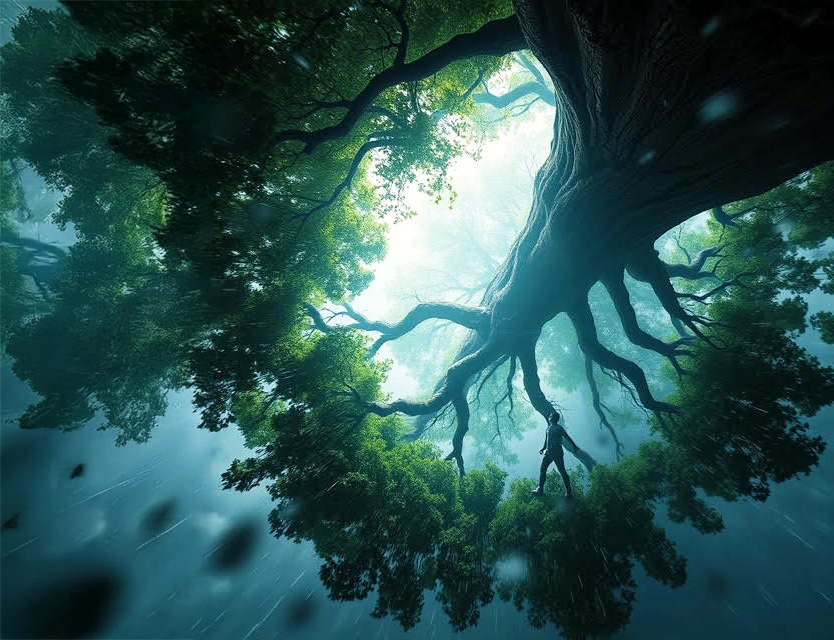
The wind against your face is strong and constant. You can squint against it, but honestly, it’s easier to just look in the opposite direction. That’s when you notice that the very sky here, blue and hazy and beautiful, is full of life and trees just like this one. In fact, perhaps thousands of such trees drift like spokes inside this gas ring and all around you, all oriented radially so they point down at the neutron star far below your feet.

Whale-looking beasts and birds with sharp blades for beaks soar past like airplanes. It’s a bountiful frontier, seemingly ready for hunters. A ball-shaped jungle appears:
In the hazy blue-gray, you see the silhouettes of tall, thin people tied to lines and floating in the sky weightlessly, aiming harpoons at something among the trees of the jungle. It dawns on you that you can stand here atop this mighty tree limb and gaze upwards at them, but were you to climb this trunk, the pull of gravity would fade to nothing.

So you start climbing, because that sounds awesome.

It takes no time at all before you’re having to hold on to knurls and warps in the trunk to avoid drifting into the sky. High above you, people are swimming in a raindrop as big as a sky scraper. It’s a lake, pulled into an elongated sphere by surface tension. And they’re swimming inside!

This place is perhaps the most beautiful thing you’ve ever seen. That’s what you’re thinking as you make it far enough to at least glimpse the far end of the tree, the end closest to the yellow sun. And you realize as other settlements come into view that they’re upside-down to you! The pull of the yellow sun is their down. The pull of the neutron star below was yours.

Now, here in the center, there is no such thing as down.
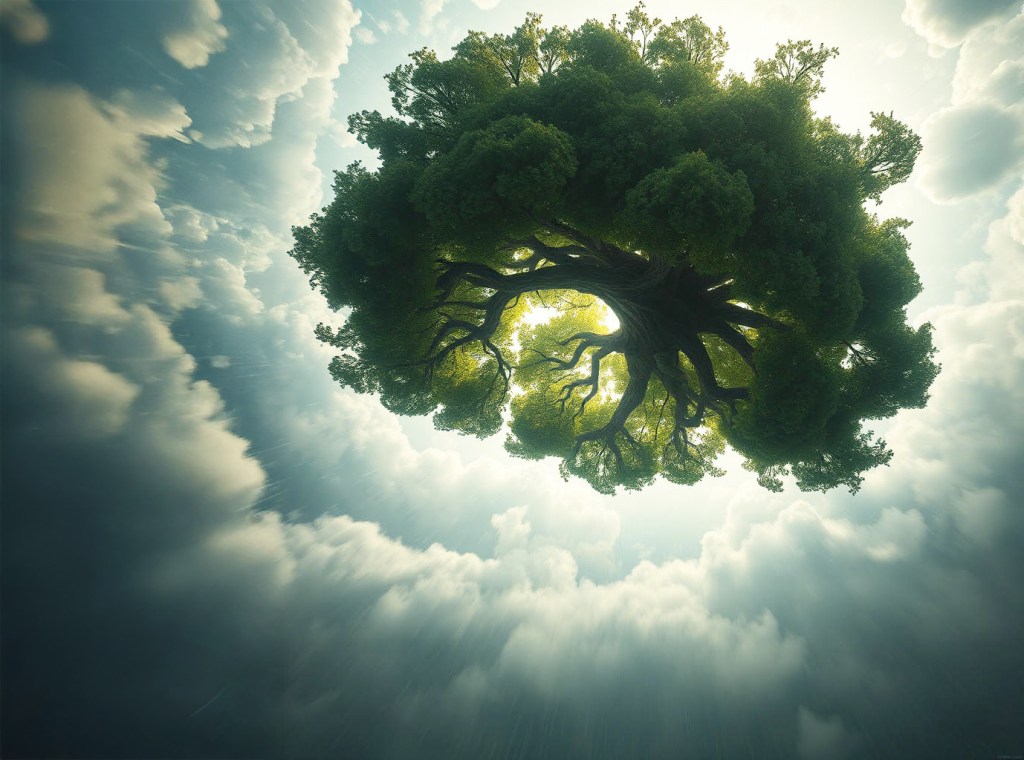
The thought of jumping into the sky is too much for you. It’s terrifying, but thrilling. You wave at one of the folks in the distance, and a hazy-gray silhouette waves back. You think you can make it to them. At the very least, they might toss you a rope and pull you in.

What the heck! Maybe that big old whale-thing will take you on its back. Whatever! You jump and don’t look back.
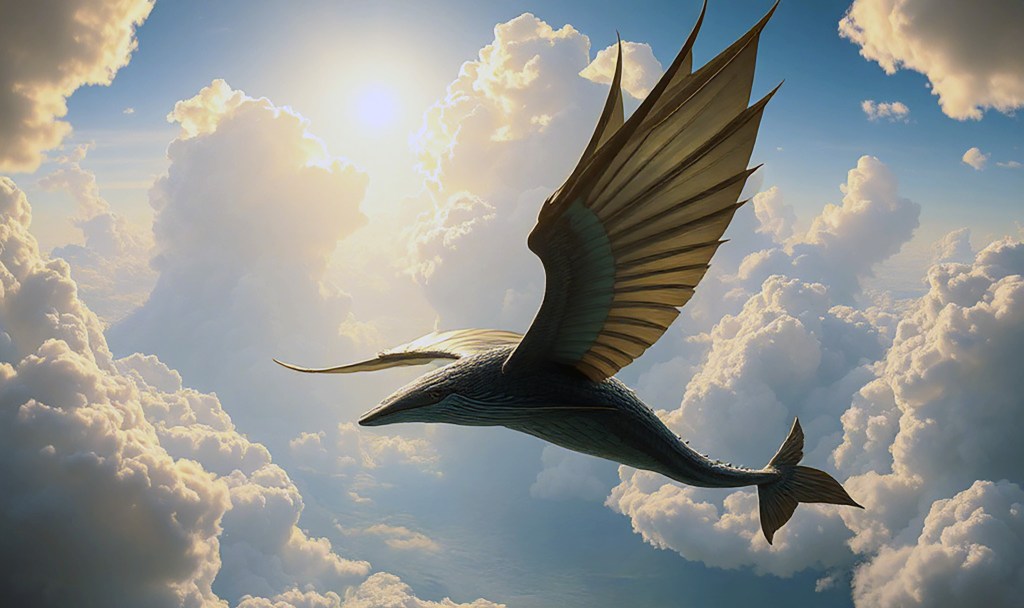
*

Anyway, that’s how I saw it. The setting for these two books is amazing, and it gets better as the main characters start exploring and also as you can better visualize where they’re going and what it would look and feel like.

The issue is the writing. The plot of the first book is great until it isn’t. Way too much time is spent in a location and with a plot point that is just annoying and a terrible decision. I believe if you’re going to make the environment the lead, it’s just wrong-headed to add a host of extraneous sideways quests and traps that don’t really add to the feeling many of us were drawn to in the first place. (I’m taking that advice, by the way, in the book I’m writing now based on this very experience!).

The characterization is nonsense too. Everyone speaks the same, and that’s like Larry Niven. An orbital mechanics textbook would have more interesting dialogue. I especially cringe when people obsess over “mating” and “making babies” in Niven’s effort to head off questions about gene pool viability. Ladies in these books are cartoon-like in their willingness to pleasure or be impregnated by pretty much any male. Again, I was the target audience for that sort of thing back in the day. Now, it’s just embarrassing and silly.

Please avoid the sequel, THE SMOKE RING. No reason to read that. You’re not going to get any more great exploration or insight into the ecosystem. Just the idea of growing a round tree. Everything else is silly and very, very difficult to plod through.

So if the writing is so bad, why am I heartily recommending you read THE INTEGRAL TREES?

You know the answer! This setting is incredible and unforgettable. It would make a compelling anime setting, or a video game background. I just wish a stronger story with better characters inhabited it.

Anyway, that’s what I wanted to bring you today. Let me know what you think if you take the plunge too.

Till next time,

“Companions” The New Salt Mystic Lore Card Available For Free Now!

Introducing new Lore Cards for the Salt Mystic setting is just awesome for me! Nothing brings the setting to life like a fusion of art and flash fiction, and this new one tied together a lot of things that have been stewing in my head for a while.

It’s called “Companions”.

Download it here, or access all the Salt Mystic Lore Cards for free by smashing the button below:

What is the background?

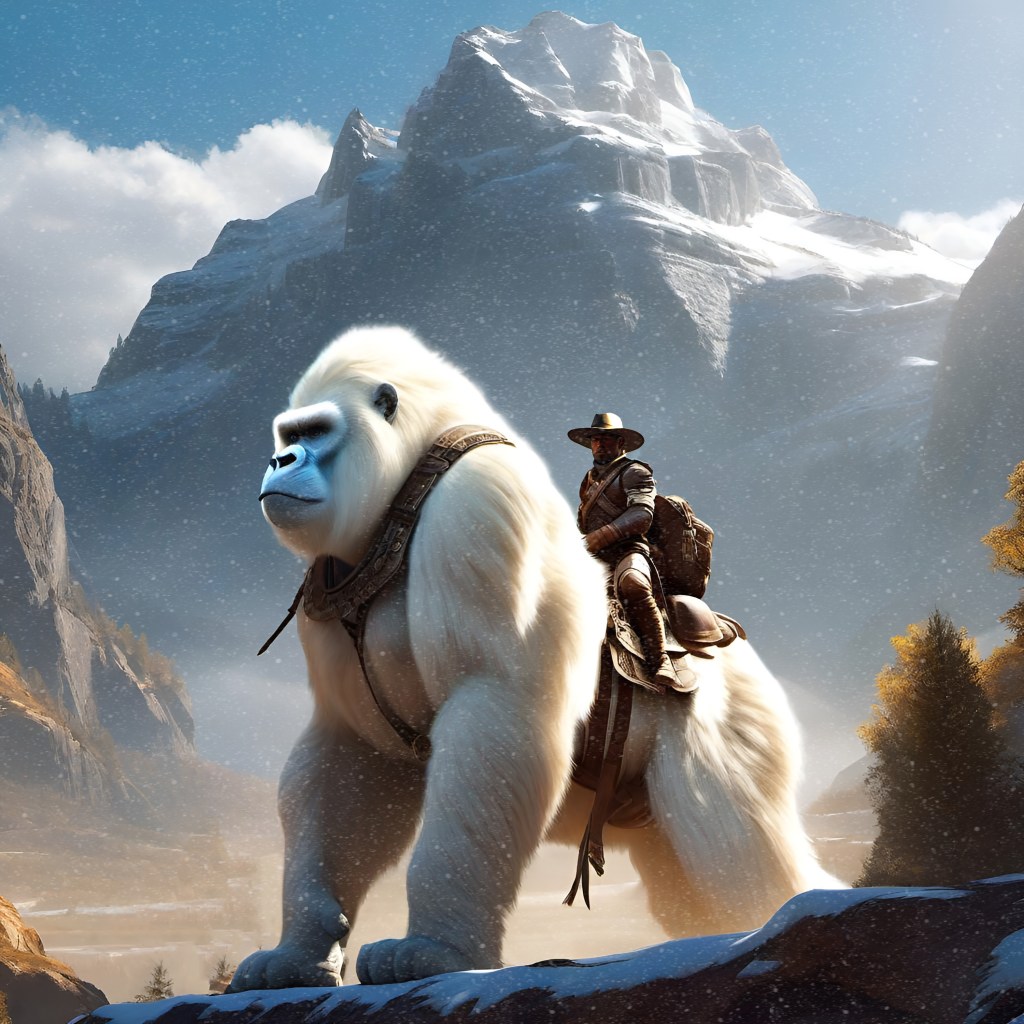
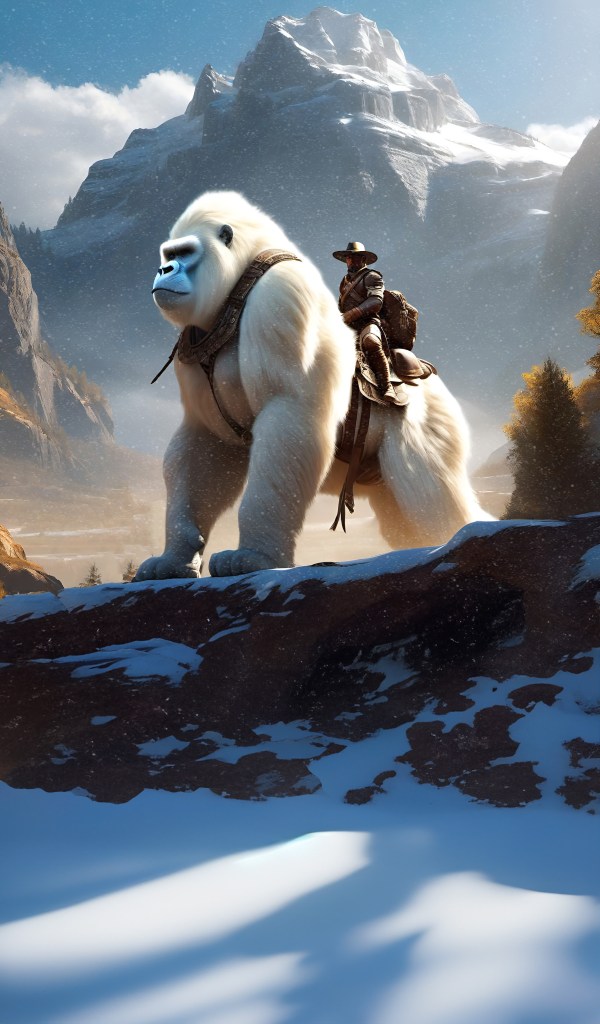
While writing the original novel that kicked off Grailrunner’s Salt Mystic setting, Tearing Down The Statues, I thought it would be a nice twist to have shaggy white silverback gorillas that gunslinging adventurers rode like horses. When it came time to actually introduce the concept though, on a whim, I wound up explaining that these wonderful beasts at one time, centuries ago, could speak. It always seemed a sad thought and something I’d maybe return to explore one day. I haven’t really dug that well yet, but maybe today’s scene scratches at that dirt.

So what’s happening in the story here then?

Why not read it? Just takes a couple of minutes. But just to give the flavor, the beast and rider are in the frozen wilds looking for an abandoned oriel gate to a lost pocket of artificial space where surely treasures and marvels lay forgotten. That isn’t the story though, as the title suggests.

How did the art come about?

I generated the base piece with AI, using variations of prompts relating to “shaggy white silverback” and “gunfighter explorer”. It was a low res square image but had the general layout I wanted. I corrected the snowy rock they’re standing on and removed some weird noise on the image, as well as another person standing there in a completely different scale.

The rider’s head was terrible, so I replaced it (after five tries) with another one, also generated in AI. That was tricky and had to be color graded and tweaked to fit.

Then I added the snow with an overlay in Screen blending mode. I just grabbed it off the internet (googling “snow overlay”). It was my first time making a snowy scene though, and I definitely learned the importance of scale for the snowflakes. My first few attempts looked like a blizzardy mess, but I laid a bunch of copies of the overlay down, tiling them across the image so the flakes would be smaller (and lowered their opacity, which was the real trick with this!).

Then, magic happened.

When I went into Illustrator to build the Lore Card itself, dropping the square image in didn’t look very impressive. With the previous Lore Card, I’d tried dropping the text directly onto the image for a magazine-look and thought I’d give it a go again with this one.

I needed a longer vertical image, with a dark, snowy rock in shadow at the bottom for white text.

Look at what Photoshop’s new “generative expand” feature did!

Sheesh, guys! What a time to be alive. Photoshop is incredible.

Anyway, I hope you take a look at the new card and that you enjoy it. Thanks for your time today. Have a great week.

New Salt Mystic Lore Card Available For Free Now!

It’s always exciting when we can bring you another lore card: those new bits of the expanding Salt Mystic setting delivered in a unique fusion of flash fiction and original artwork! And they’re free!

You can download any or all of the Lore Cards at the Story Arcade by smashing the button below:

One thing we’re hammering home with the Salt Mystic line, and which will always remain core to it, is this:

In the Salt Mystic universe, cowboy-clad adventurers with ball lightning carbines slung to their arms bravely delve terrifying and thrilling pocket dimensions. The backstory of the Infinite Republic and its collapse, and the unlimited range of possibilities lying in wait out there behind sparkling dimensional gates is the (intentional) engine behind the adventures we’re trying to create.

Read all about the setting here.

So this lore card, called “Newb”, began with the image. I was touring an art museum in Kansas City. And I came across Claude-Joseph Vernet’s “Coastal Harbor with a Pyramid: Evening”, an oil on canvas from 1751.

Here, let me zoom in to the part that struck me:

I just kind of stopped and stared at that part. I mean, what was a pyramid with Roman columns doing on a seashore? And a functional one, at that? It sent my mind reeling, and of course ultimately (as always with me), made me think of sparkling and sizzling gates to artificial pocket dimensions where boundless adventures awaited.

Doesn’t that happen to you?

The artwork for this lore card was based on this, then. I wanted ruins beside a seashore with dudes working their gear along the lines of an exploration party, and I imagined the oriel gate as a shimmering window to another world up on the ruins.

The piece that heads this article is the end result: a paintbash of numerous elements, some of which were drawn from an AI art generator using prompts relating to what I had in mind. Once I composited all the pieces and bits together in Photoshop and color graded everything to match, I tried another trick.

Take a look at this work by Milan concept artist, Edvige Faini:

I am not great with color palettes. In Photoshop, you can match an image to another image’s color palette fairly readily. What I had produced so far in my process was too brown, too plain. It didn’t stand out like I’d hoped, and my adjustments to color and vibrance and hue weren’t giving me the result I wanted.

So I used Edvige’s piece here for the color scheme, matching my art to her color palette. I don’t know what you think, but to me, it’s wonderful. I’m a little overly attached to turquoise, so I’m biased. But still, I like the final product quite a bit.

This was the first lore card where I added the text over the image magazine-style. I’ve been reading a lot of graphic design books so wanted to experiment a bit.

Download the new lore card here.

Till next time, guys:

Announcing A Massive Freebie From Grailrunner!

Ahhh…free stuff. Who doesn’t love it?

One thing we’ve heard loud and clear from you is that you feel it’s hard for someone to first get into the Salt Mystic universe without having the Sourcebook And Core Rules. You’ve got your battle deck, your own copy of the book, and you’re ready to smash some tornadoes together. Your head’s swimming with images of gunslingers dueling with ball lightning and abandoned sparkling oriel gateways leading to treasures and ruin.

Yet there’s a lot of gaming options out there (and so very little spare time!), you struggle to get someone to buy any of that for themselves, so there’s no one to play the game with.

We hear you. And we’re fixing it.

Starting today, the free ebook available right here on the Grailrunner site will include:

  1. Two full color Volume One starter decks, available in print & fold format
  2. Dice cards and a measuring ruler
  3. A fully realized narrative scenario complete with short fiction and table setup guidance
  4. An assortment of sample terrain elements, including one customized for the included scenario

The included adventure scenario is particularly dear to my heart, because we mostly stick to flash fiction at Grailrunner. We’ve always kind of thought people like their non-mainstream stories super short, high impact, lots of shock and cool ideas, with great eye-catching illustrations. Like we’ve attempted with the Lore Cards. The novels will be great when they come, but that moves incredibly slowly for me at least.

Yet you asked for more now. Thank you!

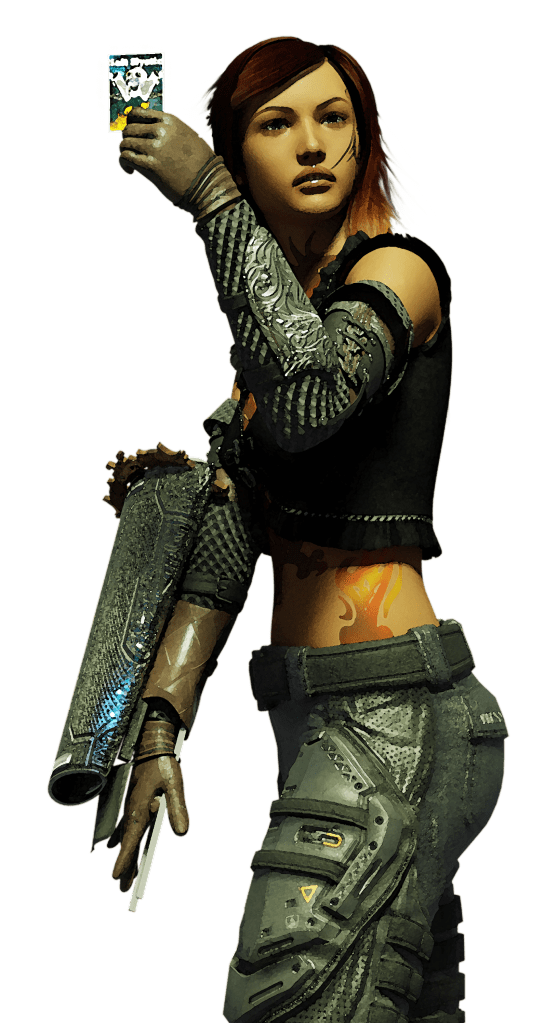
The bonus game scenario is titled “Towerlock”. We wanted to elaborate on a fan favorite character, the devilish all-seeing wildcat who calls herself “The Wake”, bringing her to life in a way that might surprise anyone that has gotten to know her so far. Or thinks they have.

The accompanying tale exists to help you visualize the unique battlefield conditions that will exist in the game scenario. The pressure cooker conversation between The Wake and this mysterious adventurer with whom she apparently has history is your chance to ask yourself just what you’d do to either attack or defend the summit of that mountain. You know your assets, your liabilities. Then…what would you do? Play and find out.

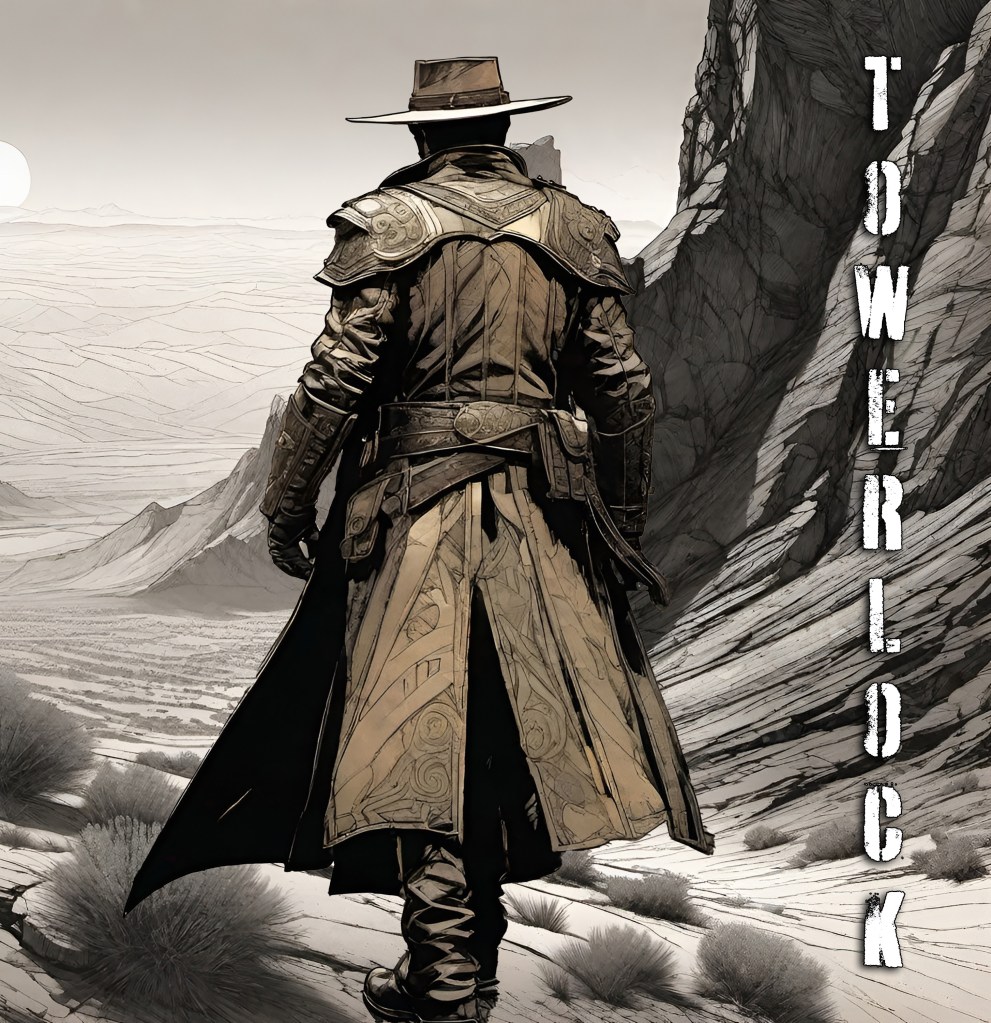
Towerlock: An abandoned oriel terminus has been discovered on the summit of a towering granite butte in the desert country in Jasphouse Province. A single oriel gateway leads to artificial pockets of space left over from The Infinite Republic, and could contain treasures and technologies beyond belief. Yet a terminus might contain as many as twenty such gates. No one nation can be allowed to control that sort of thing.

Karak and a vanguard watch from Alson in the Mountains got to the summit first and established an operation financed by an enigmatic partnership known only as Towerlock. He will need to plan his defenses carefully and consider all possible avenues for assaults and seiges.

Segmond and a vanguard watch from Tanith in the Salt Flats has arrived to take the summit back. He’ll need to analyze the defenses being set up, consider all intelligence he can gather, and prepare as devious or as bloody an assault as he can muster to have any chance at success.

Wonders beyond imagination could be ripe for the taking. But the fight will take place on a sheer vertical wall, and anyone who’s defeated falls like rain. Good luck. Draw well.

What’s your strategy?

Anyway, that’s what we wanted to let you know today. It’s a big deal to us, and will hopefully open the door to more folks dipping into this fascinating, experimental world that’s so unbelievably building itself.

Make sure you’re signed up for notifications for new articles here on the site; we plan to post a sample chapter from the upcoming novel, Mazewater: Master Of Airships.

Till next time,

Exploring Fantasy Lands: A Builder’s Field Report

In my day job, I study and coach the imaginative process. In that case, it’s people in factories trying to solve tricky problems that have them stuck, in some cases for many years. Many times, the reason they’re stuck is because of how they’re thinking about the problem. That isn’t my point today; I’m just letting you know that I think a lot about super-charging imaginations – what makes our creativity go off-road and jump out of ruts and tropes into new lands. It’s pretty fascinating, actually.

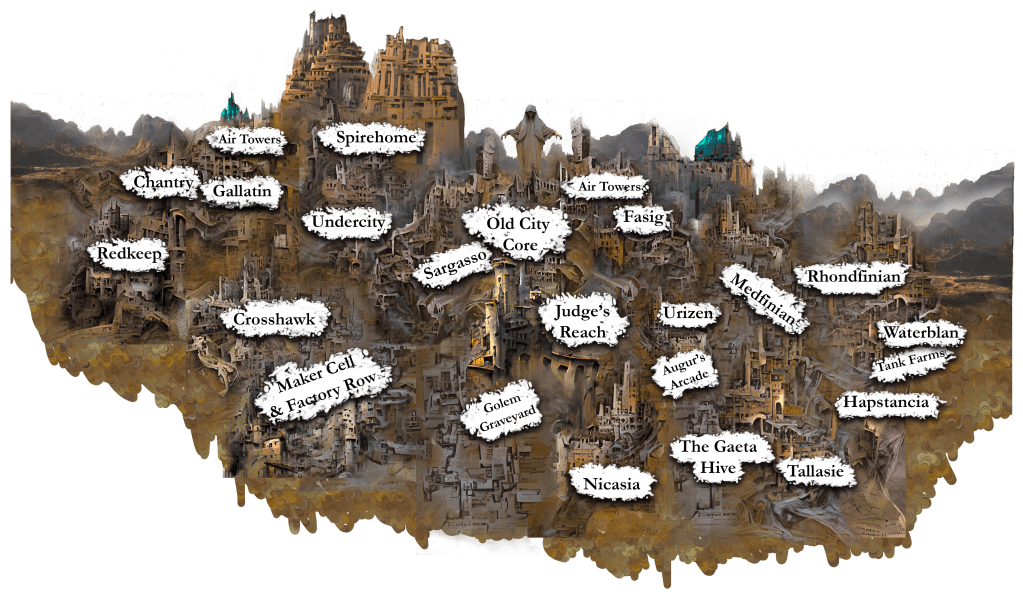
Take, for example, the massive city-state called The Jagganatheum:

A single edifice sprawling as large as a city, teeming with millions, and buzzing with the incandescent dreams of building an infinite republic. One building spanning as far as anyone could see, strapped to a mountain. It was gorgeous then in the heyday of Naraia, gleaming white and gold with banners flying from soaring towers. And they had to come together in a way never before imagined just to build such a complex, which was entirely the point. Once it fell out of use hundreds of years later, all manner of unrooted and shiftless people moved in and shabbily built upon its framework. Entire towns have grown up inside its rambling and incoherent architecture now. It’s a dangerous place of wild people and best left to them.

Let me tell you what that’s about and take you there. It really gets to the heart of how imaginations work and how they can change our lives.

If you’re new to Grailrunner, our thing here is inspiration, specifically using science fiction and fantasy novels and tabletop games to explore immersive storytelling. Our signature IP is a world setting and sandbox called Salt Mystic. You can find more here. We’re building out the next volume of characters and locations, and I’m working feverishly on a novel to accompany a major development in the tabletop game.

To begin, all I had in this case was a name (The Jagganatheum) and the vague idea of a giant city sprawling across a mountainside that was cobbled together. In fact, the city was just one enormous, hideous building, ages old, and so patched together and crumbling. The name came from the original form of ‘juggernaut’, extended from referring to Vishnu to include gigantic carts pulled in worship through the streets. It meant ‘big’ to me, so I liked it for the purpose. I always loved the image my dad used to describe of himself growing up in Brooklyn, NY in the 1950’s where he’d shimmy up to the rooftop of his school and stare at the sky, dreaming. I was going to steal that too.

That’s where this guy came from:

Envisioning this big, sprawling, wild place and this nameless dreamer growing up in it, I had to ask why he was such a dreamer looking at the sky? What did he hope to find there? Why did he want to leave? This guy, eventually Lamberghast Mazewater, came of those questions and will ultimately be a war marshal in the service of both The Jagganatheum and beautiful Vimana Station (if he survives these crazy vortex glider experiments!).

All this leads me to the first finding about exploring imagined lands, and we’ll let an old inventor introduce it:

“To invent, you need a good imagination and a pile of junk.” -Thomas Edison

Finding #1: Gather inspirations and ask questions about them

By just following the questions and the possibilities, without worrying over plot or key events I needed for the story, and especially without considering ‘sizzle reels‘, the notebook started filling up with great locations inside the city that I’d like to visit and both mighty and intimate things that had happened there. My point with this is that I’ve found it so much more enjoyable to just garden these imaginary settings, to let them breathe and grow wild before I have to prune for the tale I’m telling. I wanted these Jagganatheum streets and alleys to be there, for real, waiting on whoever I was to send scampering into them.

How about we let a fantasy novelist and screenwriter introduce this one, as he compares this sort of writing to gardening:

“They don’t know how many branches it’s going to have, they find out as it grows.” -George R. R. Martin

Finding #2: Avoid using plot points as mileposts

A few months ago, I caught a terrible head cold and fell asleep with a fever after spending time sketching out this place. I’ll never forget the dream that came about that night. It was incredible. I saw the high ceilings of a train station (looking a lot like Milan’s Central Station) with a mishmash of sculptures and friezes, with all manner of exotic people buzzing about. I saw a red armored ceremonial guard, with intricate filigree on their shoulder boards and chest plates. I was taking this train inside The Jagganatheum’s central complex to its far reaches, which echoed a developing plot point that was still (at the time) only just coming into view.

When I woke up, I rushed to write it all down, because I hadn’t thought of them using trains to get around the city. I hadn’t thought of any sort of guards, and didn’t know at the time what they’d be guarding. And being so focused on the exterior views of this mighty, mad place, I hadn’t considered at all what the interiors would look like. Of course, they’d have old statues and dented inscriptions going back to the city’s founding! It made sense; I just hadn’t gotten there.

Which means it’s time again for one of the most quoted, quotable quotes we go to on this site:

“Chance favors the prepared mind.” -Louis Pasteur

Finding #3: Set your mind thinking about the land you wish to explore and build, then do something else. Even sleep.

In my case, it was fortunate to have such an unsettled mind from the fever, but I often use this trick going kayaking or running. I’ll use it before a long plane trip. Just a framing of the problem, its borders and boundaries, then let the engines run behind the scenes.

What’s come of all this is a fully realized and fascinating city that has started to feel like a place I can travel to. It’s mapped out in broad strokes, but the specifics are waiting for me to visit as the needs arise. I swear, when I sit to write on this book, I’m anxious to get Lamberghast moving just so I can see more of this fascinating place.

That’s what I wanted to offer you today, just a few findings from the field as this book and game volume come together. I hope in some small way, I’ve struck a spark with you. We’ll keep you posted as this wonderful thing builds itself!

Till next time,