Interesting Shapes: Altered Perceptions Through The Arts

“Interesting shapes” What in the world does that mean? (I’ll come back to that)

Our passion at Grailrunner is the imaginative process, any and every thing that can unlock new ways of creating mind-melting concepts and experiences with a bent towards speculative and fantasy fiction and images. We experiment with immersive storytelling in wargames, in roleplaying games, through a fusion of art and flash fiction, in novels, and in art prints.

On a personal level, as the guy generating practically all of that, I have to spend a ridiculous amount of time developing new skills. Recently, I’ve broken out the old sketchbook and Faber Castell pencils, bought a Pigma brush pen, and started going deep on Youtube with some modern day masters of the arts to get to a point where I’m not just painting in Photoshop over photobashed composites or renders from Daz Studio or Blender.

What’s the dream?

Because I love the awe and surprise of exploration, of not knowing what lies beyond a turn in the road, I’m hoping to get to a point where I can crack open a sketchbook and not just draw what I see, but generate something in simulated three-dimensional glory dredged from my imagination without knowing what I was going to draw when I sat down. Ideas from there would feed the hopper of more purposeful art images and concepts in the fiction and games. (I did this as a child and filled countless sketchbooks, but it was all 2-dimensional super heroes, heavy outlines, terrible shading, and nothing I’d be excited to show anybody).

Is that dream possible?
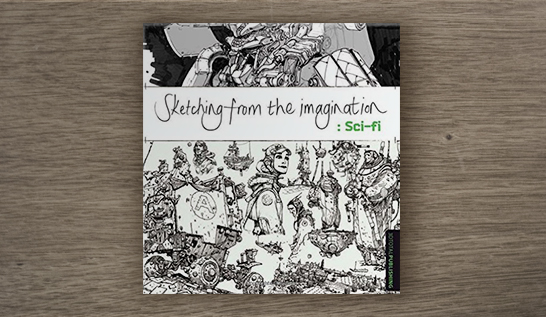
This little gem is called Sketching from the Imagination: Sci-Fi, by 3dTotal Publishing, and though it’s a few years old by this point, it will melt your face off if you’re at all into what I’m talking about here. There is some incredible talent in here. They’re doing it.

Also, these guys at ImagineFX (which is free on Kindle Unlimited now, if that works for you). One thing I especially appreciate about this magazine is the artists explain their desk setups, their materials and software, and their thought processes as they create.

What does all this have to do with “altered perceptions”?

It started with Leonardo Da Vinci’s notebooks, actually. I bought a compilation of them in a used book store in Florida and perusing them, noticing he spent a lot of time talking about the importance of an artist developing their “mental library”. I forget what he called it, but the idea was to look at the world differently and actually notice things like how light falls on an object, how light reflects off the table, where exactly shadows fall. File all that away so you can draw on it in different contexts when you need it.

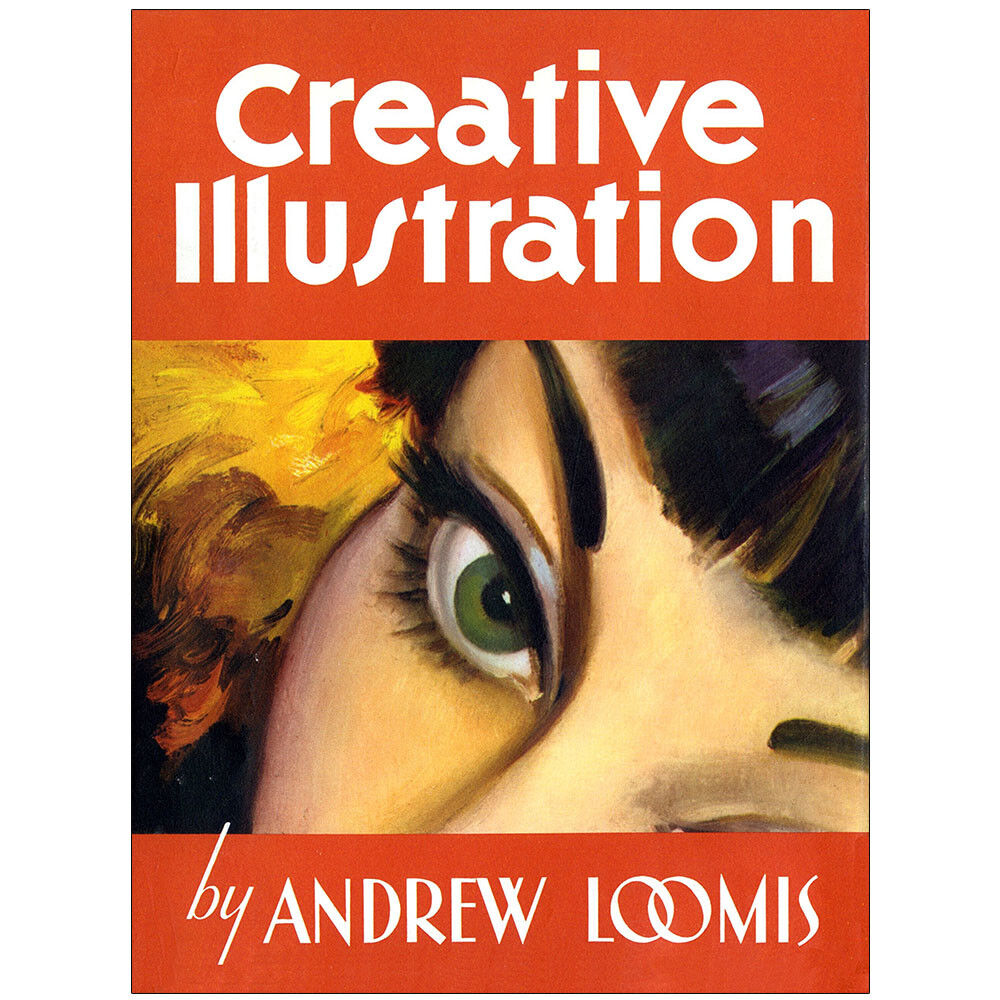
And there in one of the most influential art instruction books ever written, Creative Illustration by Andrew Loomis, he made the same sort of point. One of the first exercises he suggests is to simplify multiple scenes at random and find the “flow” in them. He saw things in terms of basic curves, ovals, and swirls and something like a person just standing there, to Loomis, was a flowing curved line. It made it easier for him to represent it simply and beautifully on the page. Yet, it’s an entirely different way to see the world, which is my point today.
I’ve written here before about the visual power and intellectual punch of haiku. My hero in that world is an astounding 17th century genius named Matsuo Basho. This guy:
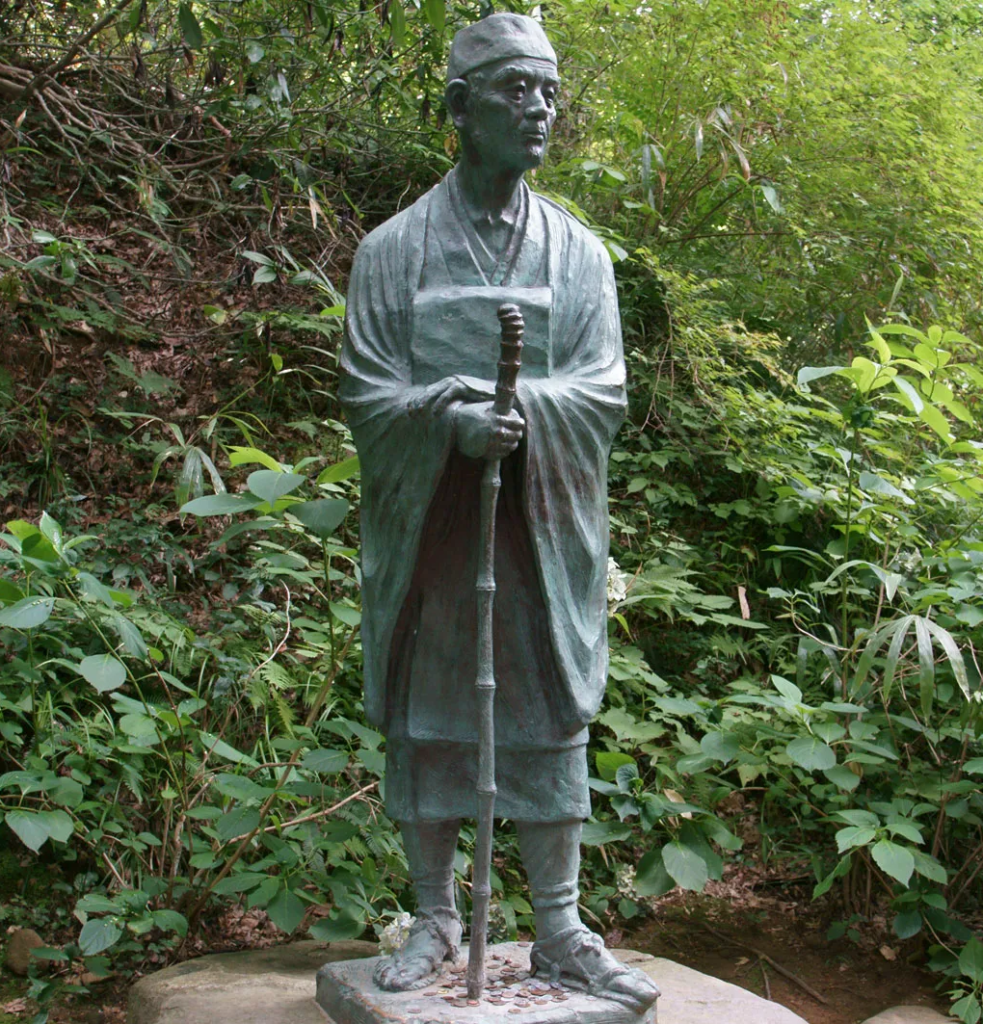
I’m reading (again) his poetry, this time in some translations by Andrew Fitzsimons, finding all kinds of new and striking illuminations there. One particular comment by Andrew caught my eye: he referred to Basho as one of the greatest “noticers” of literature.

“Noticers”

That struck me. Basho noticed things. Here:

The old pond

A frog leaps in

The sound of water

That’s his most famous one. For me, it’s not something I would pay a lot of attention to on my own, but just having him point this out – a little frog plopping in to a murky little pond, making that pleasant BLOP noise on a quiet morning – that’s just a relaxing and pretty thing now that I think about it. Basho points things like that out. He notices them and files them away for future contexts, including how it made him feel to see or experience it.

This past weekend, I was in the Smokey Mountains in Tennessee with my wife and stared longer than I should have at a little mossy tree root that had made its way out into the brook, just thinking about this sort of thing. Today, I noticed the way the sunrise light filtered through a bright orange autumn leaf, making it almost glow. Crazy.

And then I found this guy, Kim Jung Gi. Please google him and watch and listen to a freakishly talented and wonderful human being! There are countless Youtube videos. Enjoy yourself watching him go nuts with a brush pen. Sadly, he passed away last year (and the world has lost something truly amazing).
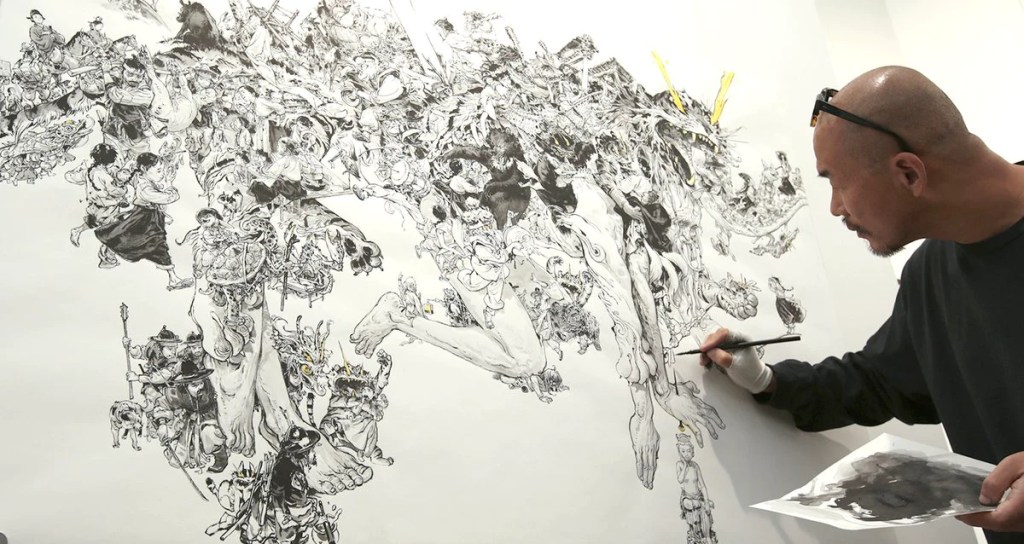
He talked at length about how he looked at the world, things he noticed and filed away about how they look, how shapes curve, what geometries caught his eye, and the textures. Again, not things I’d pay attention to otherwise without someone pointing at it. We make mental shortcuts all day long – in fact, it’s how our minds work – and artists just focus their attention on things you and I might not because they know they’ll need those things later.

In my day job as a consultant focused on management behaviors and people interactions, that sort of thing plays into our daily lives practically every waking moment. One thing I do to explain that is ask an audience the color of the walls behind them or the pattern of the carpet. Nobody knows, and that’s my point. We’re shortcutting and letting information pass by us that doesn’t matter. We have to.

But what that means is there is untapped capacity to see things differently, to alter our perceptions.

And that leads us to Peter Han. This fellow, you need to meet.

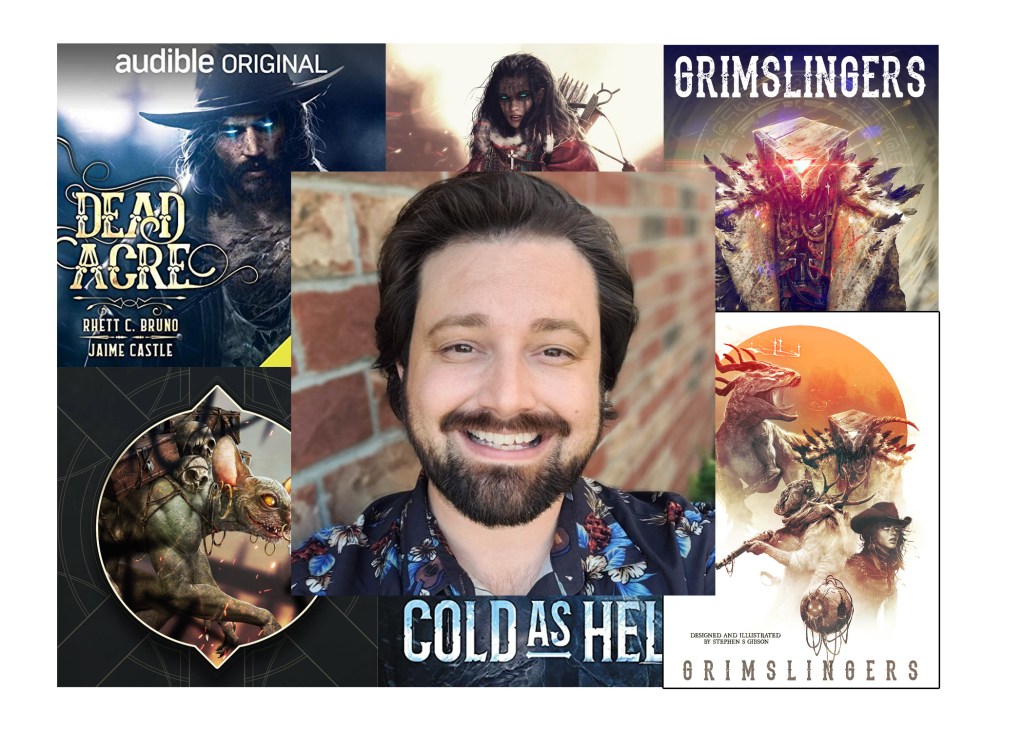
Here’s his Instagram. Here’s his website. Here’s a demonstration of him just riffing on the paper. That’s him, grinning at you in the header image for this article, surrounded by some of his work.

He sees the world like this:
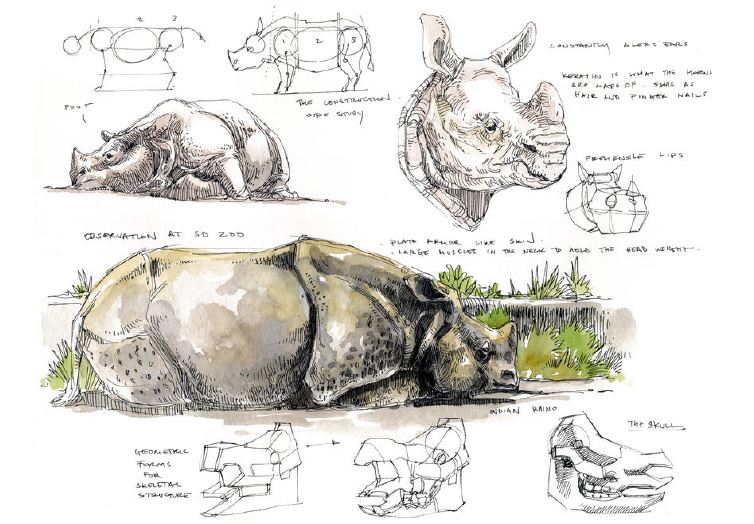
Peter has an inspiring story. He’s been drawing since he was 5, and had an extremely influential teacher when he was studying art (Norm Schureman). Norm apparently impacted him so much that, even with Norm gone now (shot in a senseless and tragic act), Peter has based his life’s work on some of the approaches he learned back then. He’s built a little empire of teaching people like you and me to model any scene at all in terms of basic shapes to get the structure and proportions and silhouettes correct. After that, it’s just shading and texturing, if not also color.

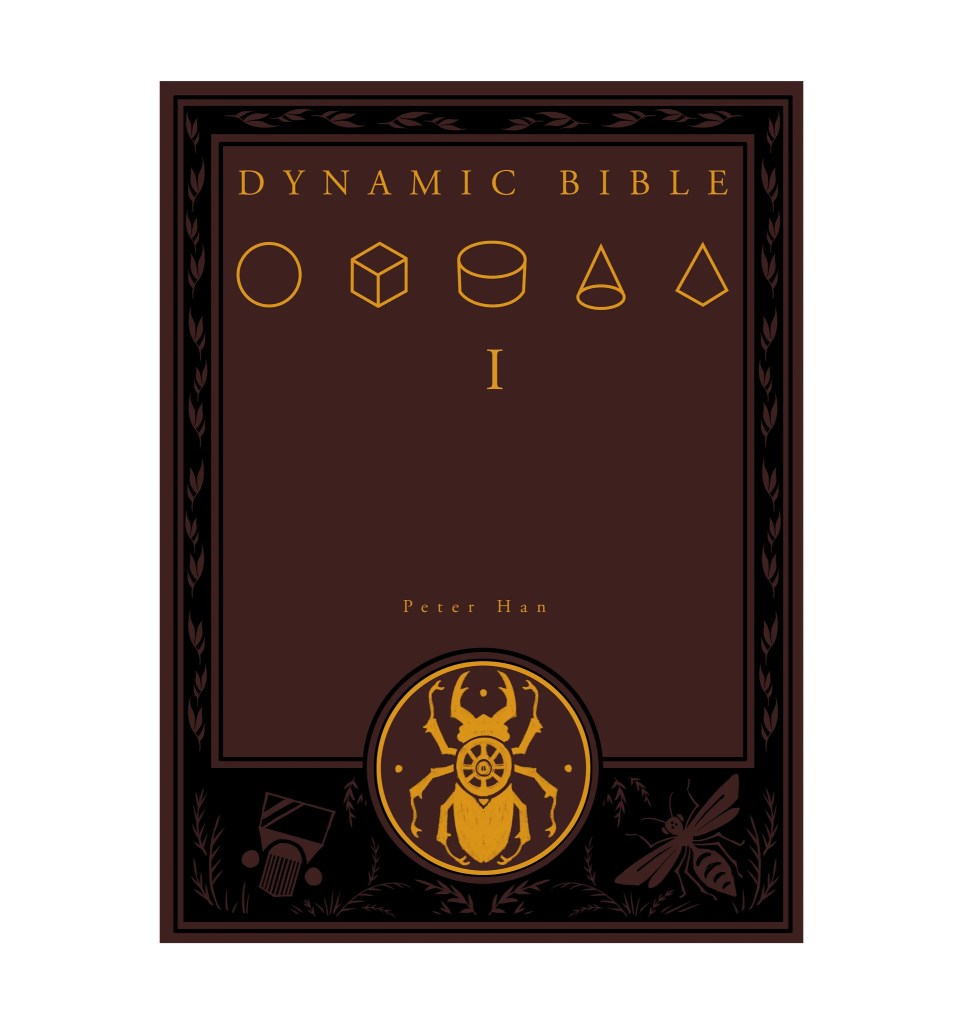
Here’s a sample of a wildly interesting book he’s written and illustrated he calls The Dynamic Bible. But you should really buy yourself the full copy available here.
What are we supposed to take away from all this?

Watch and listen enough to people like those guys highlighted in ImagineFX and Kim Jung Gi and Peter Han, and you’ll hear them talk about “interesting shapes” they encounter in their daily lives. They don’t just see a cricket, they see some fascinating geometry in its belly or legs that has something they appreciate about it. They don’t just see a sunbeam trickling through a dusty window onto a stairway landing, they see its fabric-like ripples and where it fades to one side but gets brighter on the other.

They may not just hear the frog jumping, but experience it more deeply and with more meaning than others.

My point is that’s the sort of untapped perception capacity we can all unleash, with a little focus and determination to do so.

A whole new way to experience the world! That’s what I’m getting at here. Something different and exciting to adventure with.

Cool, huh?

Till next time,

Let’s Catch Up With Stephen Gibson: Creator Of Grimslingers!

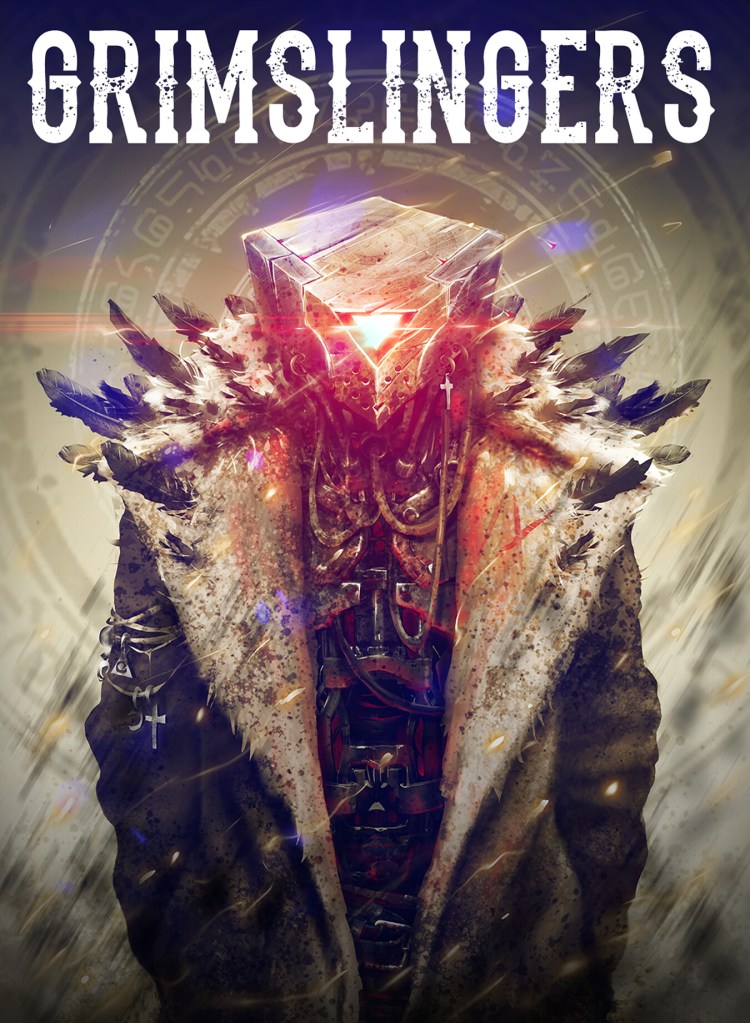
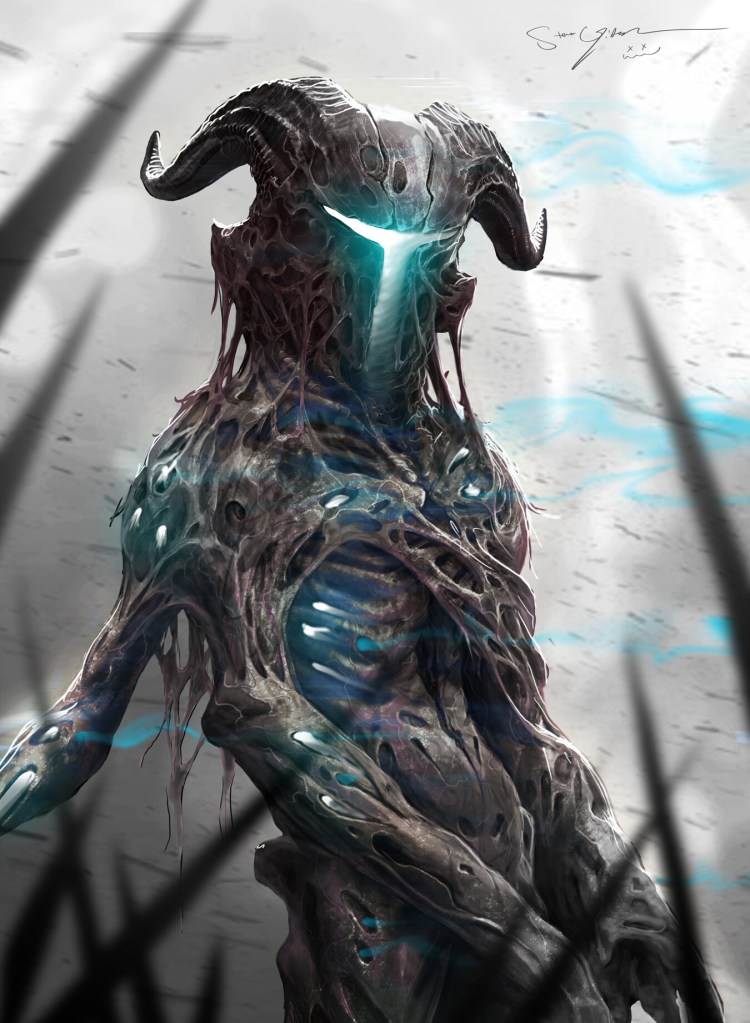
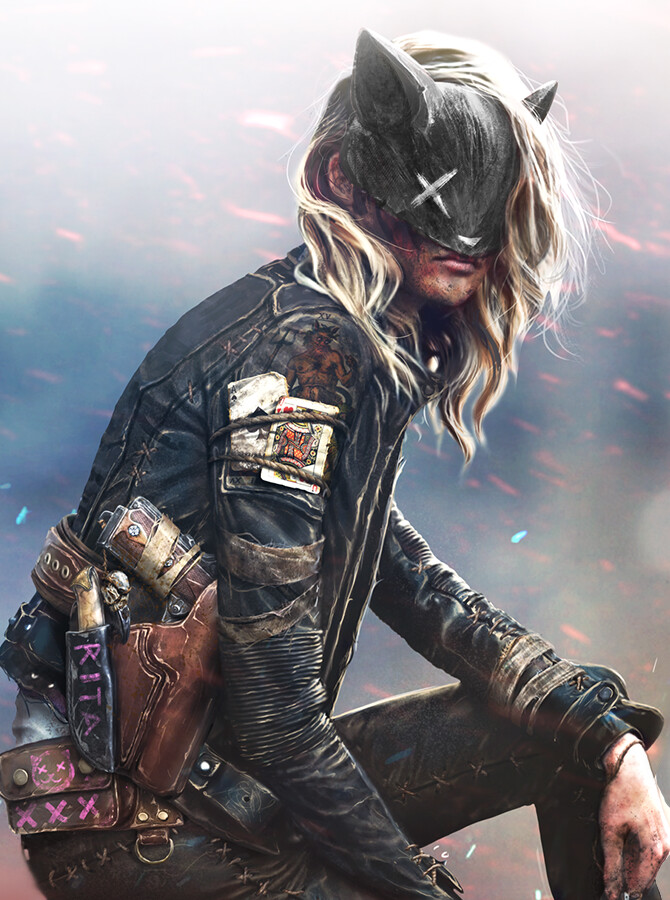
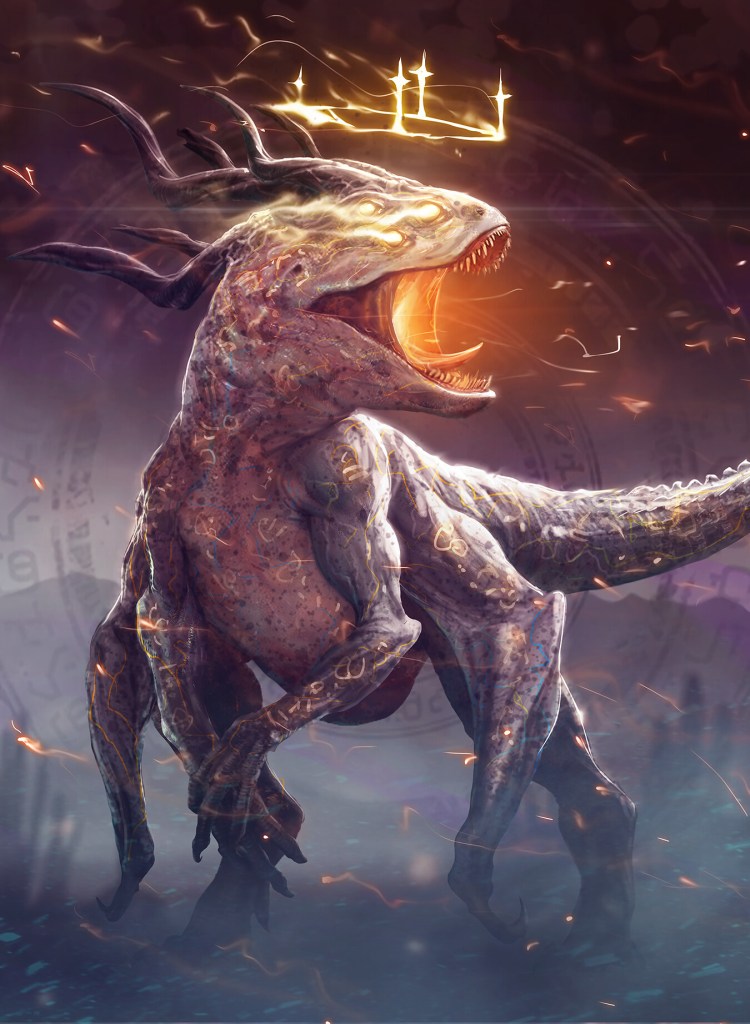
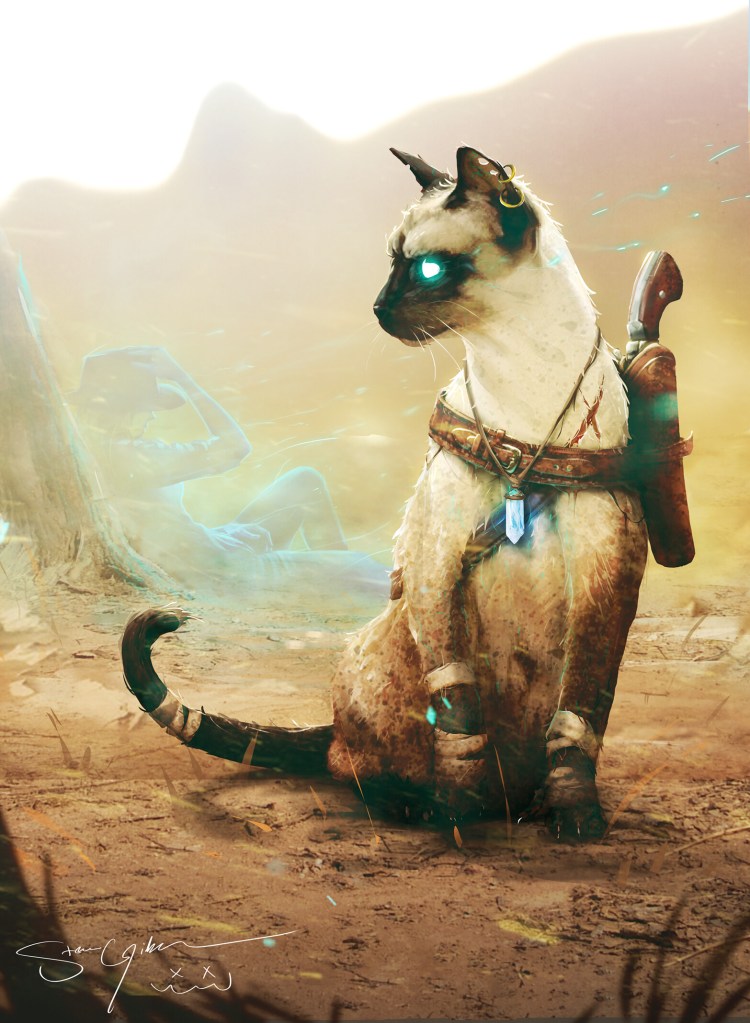
We’re continuing our Inspirational Creator Series of interviews this week, checking in with Stephen Gibson – artist, writer, game designer, and creator of the Grimslingers line of tabletop games. He’s had some exciting personal developments since we last spoke in 2020, and remains one of the most popular interviews we’ve hosted here on Grailrunner. Click here to read that original interview.

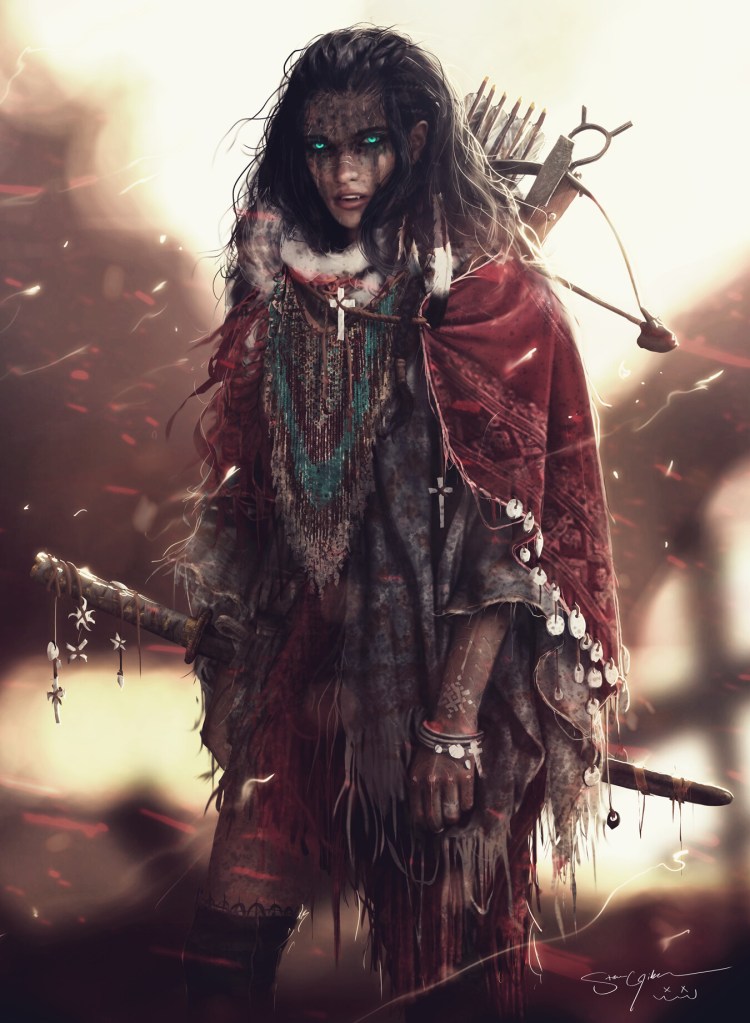
He had been Art Director at Arcane Wonders at the time, designing a supporting app for Grimslingers and trying to find time to catch some sleep. His art has popped up recently on book covers, and he’s even been featured in the art magazine, ImagineFX. In 2022, he made a big switch to Sumo Digital in Newcastle in England and added another member to his growing family!

Fascinating dude, great guy, and incredibly talented. What else could a Grailrunner ask for in finding inspiration?!

Stephen, apart from the occasional “wassup”, we last chatted in October of 2020, before zombie movies came to life with a global pandemic. You were one of the first interviews in a series we did on inspirational creators, and yours in particular remains the most popular of all that we did. Apparently, Henrietta the magic hen is quite the ambassador for you!

It has been a lifetime! I’m flattered at the reception and find it hilarious (but not all that surprising) that Henrietta has stolen the hearts of your readers. She’s also one of the illustrations I spent the least amount of time on. I’m sure there’s a lesson in there somewhere…

At the time, you were deep in playtesting on Grimslingers 2, and had featured a detailed map and some app screenshots in various places on social media. Then I suspect life happened and you needed to focus on your work as Art Director at Arcane Wonders among other things. Were you or your family impacted seriously by COVID? I hope everyone is well.

Life indeed happened, as it does to us all. I had my third child, among other big life changes and yeah, COVID!!! I spent most of Covid gaining weight and wishing I had the energy to work on Grimslingers 2.

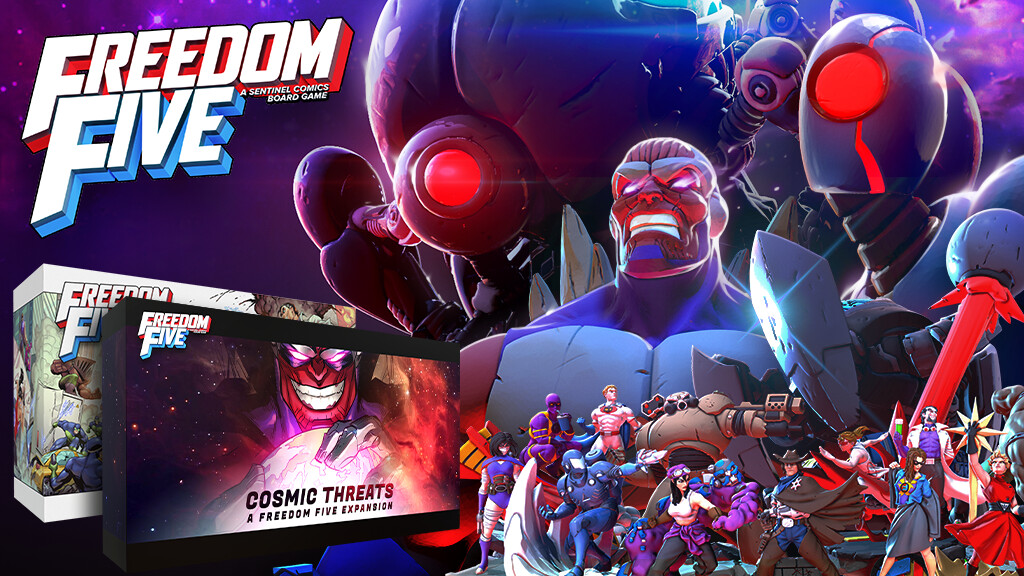
To prepare for this chat, I dug back through your (sparse) posts, and you seemed super passionate about an Arcane Wonders release called Freedom Five. It sounded like a tremendous amount of work – how was that experience?

Art wise, Freedom Five was a lot of fun because I was able to work with some extraordinarily talented artists. I’m particularly proud of the comic book panel style card art we had for ability cards. Each ability card really sold the story of the ability on it.
The campaign was a whirlwind that seemed doomed a little ways in but we were able to turn it around and I’m immensely proud of my hand in that (which meant a few sleepless nights re-working the entire campaign page).


It was a tremendous amount of work (and still is, it still hasn’t shipped to backers). We were very ambitious, but the project also got hit hard by the pandemic. We funded right before poop hit the fan and the world plummeted into chaos, and that meant all of our numbers, estimates and expectations for producing this game got thrown out the window.

I was incredibly jealous of the cover image you did for Cold As Hell, the book by Rhett Bruno and Jaime Castle. I saw your mysterious post about it around May of 2021, then stumbled randomly across it on the Barnes & Noble shelf this past summer. Looks amazing. (Offer stands for you to do a piece for Grailrunner’s Salt Mystic setting any time you like.)

“Shot dead in a gunfight many years ago, now he’s stuck in purgatory, serving the whims of the White Throne to avoid falling to Hell. Not quite undead, though not alive either, the best he can hope for is to work off his penance and fade away.”  – that’s from the Amazon description. I see why you were attracted to the project.

The author approached me to see if he could use some of my Grimslinger art for his cover (Pocket Watch Will to be exact). That was a first for me, haha. Instead we worked out producing a new piece of art and I think that was for the best! I’m quite fond of that cover, it certainly evokes a mood!

You’ve described your workflow as being heavy on photobashing and digital painting in Photoshop. Describe your desk setup – an old post showed a Wacom tablet among other things. How do you set up for work?

My “Grimslingers” style is photobashing, but I’m just as comfortable doing cartoons or comic-esque stuff. Right now I actually don’t have a desk or even a computer, I sold it on to move to the UK and start a new job! HOWEVER, I used to have a Wacom Cintiq 24HD Pro, an ultra-wide primary monitor and a beefy PC to boot. I also use a Logi Ergo M575 trackball mouse. It allows me to use the mouse without needing a ton of space to move it around, that way I can switch between pen, keyboard and mouse without too much movement (why do much movement when little movement good?).

You mentioned on Artstation you’d used Unreal Engine 5 for the first time in kitbashing some Victorian environmental pieces for TacticStudios. What did you think?

I think every artist should had some 3D software in their repertoire. Unreal is fantastic for kitbashing and I wish I had more time to spend with it! It’s one of my main goals as an artist, to develop my 3D bashing and sculpting skills more. For me, that’s the next step in my evolution.

Congratulations on being featured in the December 2022 issue of ImagineFX. Best quote ever, regarding your approach to art: “…splicing in new images to fill out the character until I can’t stand to look at it anymore.”

You also said something near and dear to the mission of Grailrunner Publishing: “The world needs more passion projects and less corporate-controlled products.” Tell me what you mean by that and why it’s important. 

Getting featured along other incredibly talented artists in ImagineFX was a big moment for me as an artist! Certainly a highlight of my journey thus far! My quote partly had to do with my frustration with truly unique and visionary ideas being disregarded because their considered more of a gamble – which they are! I totally get why business entities take the approach that they do in train to “paint by numbers” games and play things safe. But playing it safe doesn’t move our industry forward. It’s the risk takers that got us where we are now, and it’s the risk takers that will push us forward.


In my opinion, a game like Grimslingers wouldn’t have ever happened if I had to pitch it to publishers, it’s just far too wild and to weird a mix of genres and styles. There are some visionary and forward thinking publishers out there (more in the board game world compared to the video game world) and I truly do appreciate them. Cheers to the risk-takers! It’s a difficult and dangerous task, but the soul of our industry lives with them

One more question before we get to Grimslingers – you’ve settled in now at Sumo Digital in Newcastle. Tell us why this move, what’s exciting about it, and what sorts of things you’ll be working on.

Covid shook my confidence in the board game industry, and life rocked my personal finances (to the extent that I wasn’t able to keep up with my bills). As a father of three, I’m not at a point in my life anymore where I’m willing to ride out risky situations for too long. After college I had signed up for a job alert service to which I never unsubscribed. One day, I got a job alert for a position at Digital Extremes (a studio in my town that happens to make the ultra-successful looter shooter, Warframe!) The job description fit me perfectly and was the push I needed to help me feel like I could exist in the video game industry. I updated my resume, my portfolio, I started learning new software (like UE5). I interviewed with several studios (and yes, I did get the interview with Digital Extremes!).


I lacked experience in the video games industry so I knew (or I thought I knew) that I’d never find a job as an Art Director, so I was applying to concept artist positions. I interviewed with Ubisoft for the Splinter Cell remake, TacticStudios for an unannounced project, Digital Extremes for Warframe and Atomhawk for Character Concept Artist. They were all very promising and I had a few interviews with each, but Atomhawk seemed the most exciting to me, and they seemed the most excited about me. Unfortunately the job fell through because of some changes to their projects. What I didn’t know at the time was that Atomhawk is part of a larger group, Sumo Digital, and one of their recruiters reached out to me, apologized the opportunity fell through but if I was interested in relocating to the UK, there might be something for me. I thought it was a joke but turns out it wasn’t! Not only that, it was for an Art Director role – a job listing I had seen but didn’t apply to because it was asking for far more experience than I had (let that be a lesson to you all!).


There’s more to the story but the heart of it is this: Changing your life is difficult and scary, but it can be done. Work hard, play nice with others, put yourself out there, it’ll work out. Good things are waiting for those who put in the effort to achieve them.

Speaking of Grimslingers, what can you tell us about what’s coming up (and generally when we can expect to see it)?

Unfortunately, I don’t have any Grimslingers news at this time…but one day, echoing through the winds, you’ll begin to hear the faint whispers of news from far away lands, tickling your ear tubes with the promise of more Grimslingers!

What is it about the stories of the Forgotten West, magic-toting grimslingers, Icarus and his mysterious missions, that inspires you? Why so much passion into this setting?

The answer is simple I think: it’s me. It’s all just an expression and wild re-interpretation of my personality and life experiences. A collection of things I love and adore and a world in which I make no compromises and have no limits.

And if you could launch some grimslingers out into the world on your own missions, what would you have them do exactly?

Definitely go get me some pizza, this covid weight isn’t going to maintain itself!!!

Stephen, anything else you’d care to let us know or places you’d like folks to keep an eye on for your doings?

In a few years’ time, games I’ll have art directed at Sumo Digital hitting the market. I hope you all love what you see and will be able to spot my unique flare to approaching art!

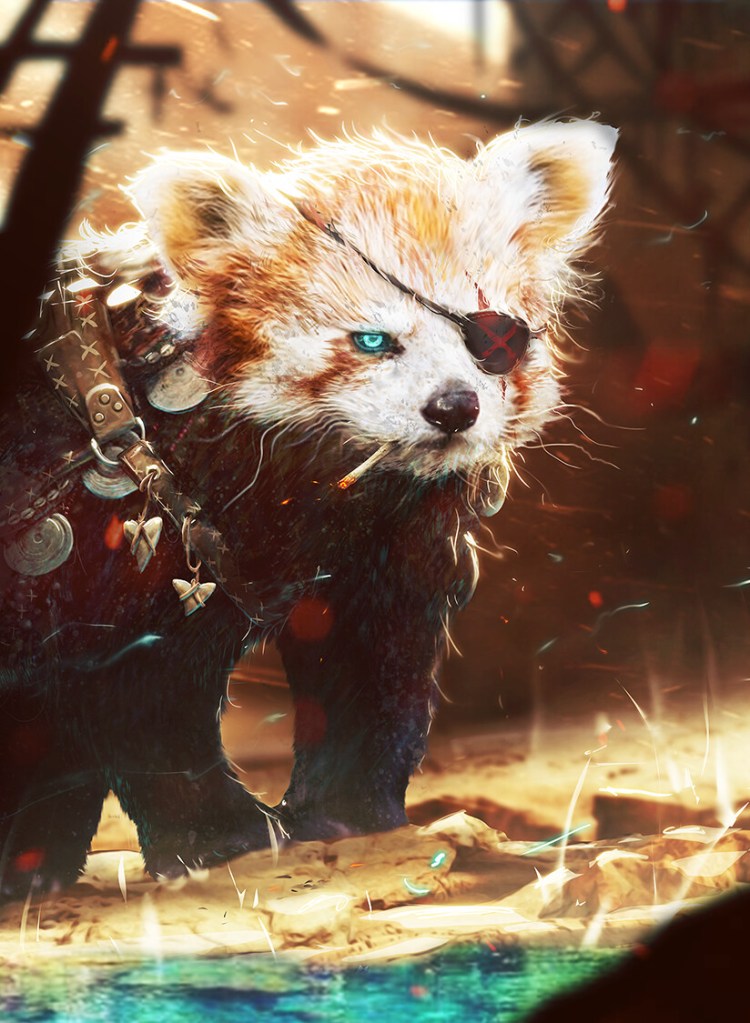
Special request – if there’s an illustration of Red, the salty panda pirate out there, I think we need to see that.

Thanks very much, Stephen. And best of luck in the new company and new continent!

Thank YOU for the opportunity 🙂 and kind words!

Till next time, guys.

Jack Kirby’s Genius Of Composition & What We Can Learn From Him

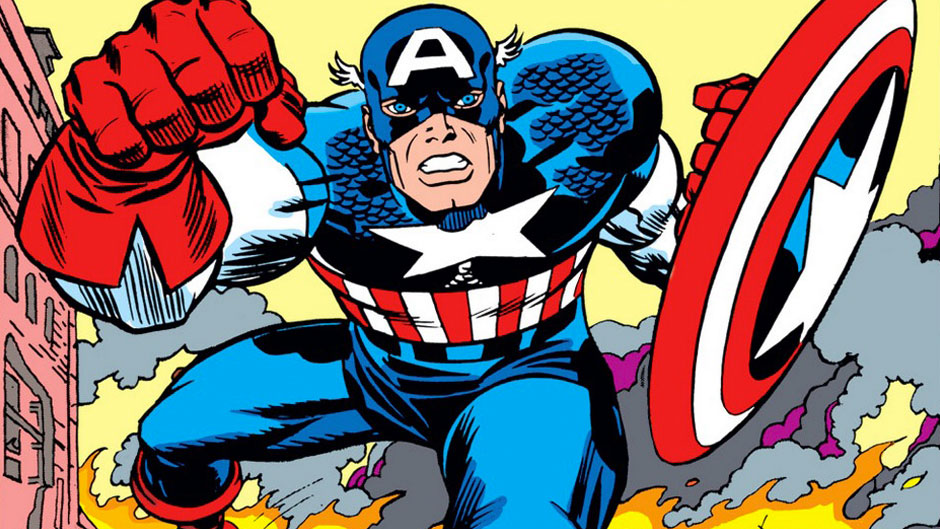
captain-america

So it’s a bit of a thing to people who particularly dig the history of comic books to credit either Jack Kirby or Stan Lee for some of the huge, transformative things that happened to Marvel in the sixties after the first Fantastic Four issue came out…but not both. A silly debate, because it was both of them with incredible chemistry and the beautiful, messy mix of amazing timing and talent that only happens a precious few times in any art form.

But I was watching this documentary about Jack Kirby that got me thinking about him in a different way than I ever had. If you don’t know who the guy is, you should google that right now or go to a place like here to see his style – you’ve seen it, maybe you just don’t know it. The guy’s American history and has influenced a majority of the guys illustrating comics today – it’s worth your time to know more about him.

The documentary I’m talking about is here:Part 1, Part 2, Part 3, Part 4, Part 5

What got me thinking was this: several of the artists they spoke to about Kirby said something I’d thought a lot when I was a kid – why does this Kirby guy keep getting work when he doesn’t know how to draw? Yet they kept going back to him because there was something there they found magnetic. The anatomy is wrong. The rules of perspective are twisted. Things don’t contort that way. It’s just all wrong. Yet the more they went back to him, the more influential he got to them. It soaked into their heads, like it did mine, because it was so different, because it broke the rules so irreverently, because it laid a new vocabulary of action and power and movement for an art form that was still trying to figure itself out. People needed to know how to say things graphically; and they needed to break out of some of the tried and tested methods because they were boring and tedious and based on a weird and forced application of old school comic strip doodling methods to prose stories. Instead, Jack Kirby was blasting fists out of the page and drawing gargantuan freaking alien ships or drawing guys who were just supposed to be sitting, but looked like they were about to rip the paper they were printed on apart. He put energy on the page and ignored what was going on everywhere else.

He worked from noon till early morning mostly, in a cramped basement with little space and crappy air conditioning, surrounded by science fiction pulps. When he was helping shatter and shape an entire industry for decades, that’s the kind of place where he was doing it. He’d reach behind him and grab a pulp, steal an idea and rejigger it till it was his, then charge it like a spring and draw it. Guys that watched him draw said he’d start at one corner and incredibly just make his way across to make it all work somehow, like it was all in his head to begin with.

  1. Kirby’s work ethic was inspiring. If I get bad news of some kind or if it’s a sunny day, or if I’m still stressed from work, I let a novel go for days without touching it. Like a little baby, whining. This guy jetted for half a day or more, never once missing a deadline, no matter how ridiculous it was.
  2. He paid attention to what other people were doing, sure, but set fire to it and crafted his own way of doing things that was entirely original, instantly recognizable as his and his alone, and didn’t let the things he knew technically get in the way of that. This advice is screaming at me.
  3. Just as an add-on, I always love to hear stories of guys who made the big time and weren’t too in love with themselves to bring folks into their world. Kirby and his wife, Roz made lunch for fans who made the trek to their little house – he’d show them around and even give them artwork. Actors now get a lot of credit for this kind of thing, when publicists really set them up.

Go look up some Kirby and remember what he managed to accomplish. If you think it’s wrong at first, pay closer attention and see if your opinion changes. He gets in your head, man. He gets in your head.