The Most Realistic Simulation Of Combat In A Tabletop RPG: Let’s Talk To Its Designer!

For some roleplaying gamers, the thrill of the game comes from cautious, dangerous exploration of the unknown with a hissing, hungry beast potentially down every corridor. For some, it’s the “beer and pizza” comradery and casino-like feel of the dice deciding life and death. Many love the unfolding stories, to gather “there I was” anecdotes like they’re candy.

But some of us want some blood and consequences.

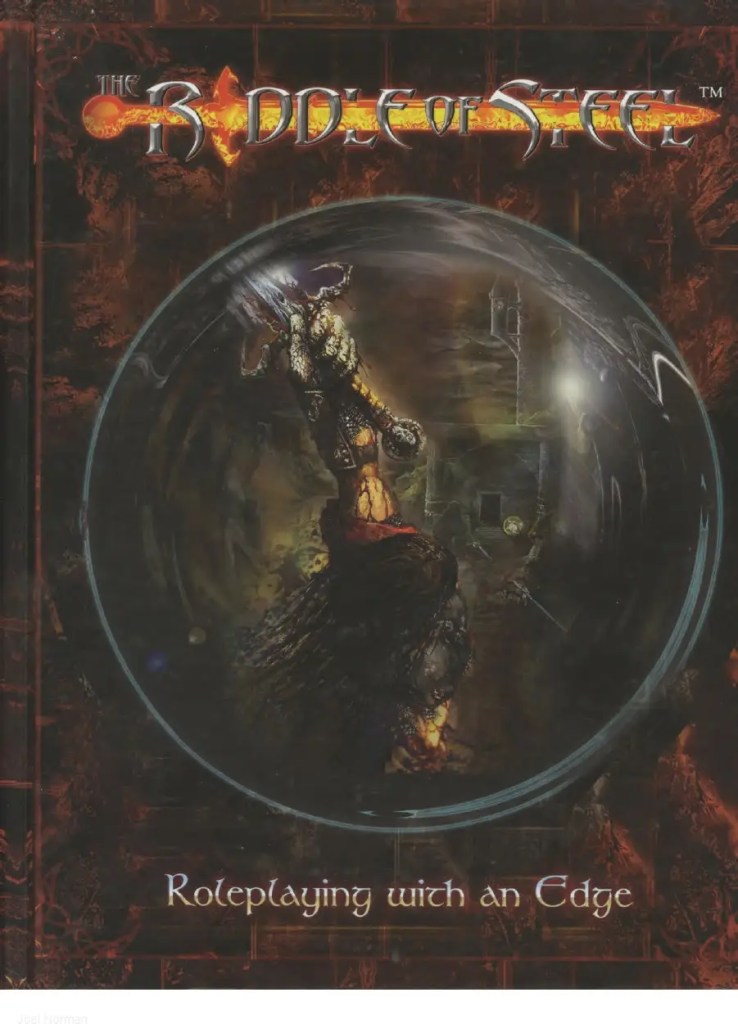
Youtube is crammed with advice on how to make your tabletop RPG combat more realistic, but there’s a fellow you’re going to meet here who may have cracked that code with a rocketship of a game from the turn of the millennium called The Riddle of Steel.

So you should know…Jake studied and taught at a leading historical martial arts organization, was co-founder of the Historical European Martial Arts Alliance, and held championship and rank positions in multiple disciplines including the number one position in the United States for the longsword. He’s not just some nerd cranking out dice mechanics, though when we spoke, he shocked me with his depth of RPG knowledge and passion. He’d even heard of Feng Shui Action Movie Roleplaying, which that alone would have made him awesome.

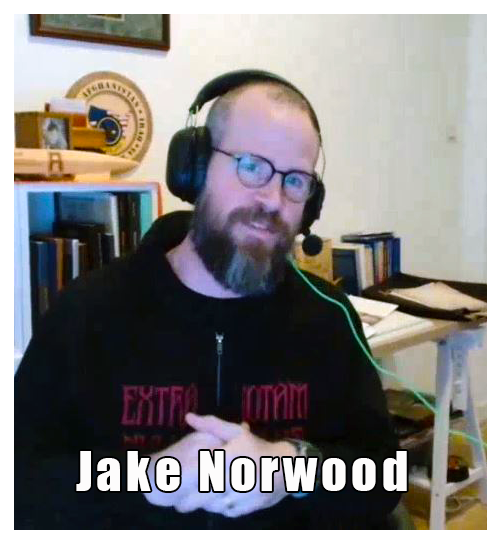
Here he is. Watch this and try not to grin at this guy.

Anyway, today he might be head of the European cybersecurity business for a global consulting firm and a Ted Talk waiting to happen, but why brag about that when you created something many consider as the most realistic simulation of combat in a tabletop game? I sat down with Jake in December to talk about everything from The Witcher to D&D, from the reality of trying to stab someone with a sword to being front-row at some legendary developments in roleplaying games. Our chat was a fascinating tornado of influences and inspirations, and, sadly, I can only present here the heaviest-hitting topics and exchanges to keep the size manageable (puns intended). I hope you enjoy hearing from him as much as I enjoyed our conversation.

Welcome back to our Inspirational Creator Series!

As always, my main interest in hearing from Jake was to understand his inspirations and influences, what drove him to create something in the first place and from what wells he may have drawn as he did so. Before we get into any of that or in any details here, let me hook you a bit on what innovations and experimentation made Riddle of Steel unique.

Riddle of Steel Overview

The game itself (Driftwood Publishing 2001) is a D10 dice pool system, meaning you’re trying to accumulate as many 10-sided dice as you can for various rolls to see whether you get the outcome you want as the story plays out. The setting is a massive continent on a roughly earth-sized world (both named Weyrth) and replicates many familar low fantasy sword & sorcery elements. – though with plenty of room for vicious, deadly combat. And that’s where the system really shines.

Spiritual Attributes: Like many systems, characters receive stats based on their backstory and natures to affect dice rolls. Here, these include Strength, Agility, Toughness, Endurance, and Health as well as Will Power, Wit, Mental Aptitude, Social, and Perception. However, this ruleset also provides for Spiritual Attributes such as Conscience, Destiny, Drive, Faith, Luck and Passion: traits derived from your character’s backstory and which can change over the course of the game. They have mechanical consequences for gameplay but also have a magical way of driving roleplaying and heightening dramatic moments.

Combat Initiative: Commonly, the turn order of combat moves in a roleplaying game is determined by an Initiative dice roll. In Riddle of Steel, opposing players (or the game master rolling for a non-player character) declare a fighting stance up front which can provide stronger attacks and defenses at the cost of predictability and flexibility. Players then simultaneously uncover either a RED or a WHITE die to either ATTACK or WAIT. Imagine two boxers eyeing each other amid their footwork to gauge the next move and size up their options.

Terrain: The ruleset encourages description of and integration with the environment in which the combat is taking place. In fact, page 77 offers Target Numbers to roll against so that things like swampy ground or tight spaces affect gameplay. To me, this opens up all kinds of interesting twists in a fight given the props and surrounding conditions either fighter might take advantage of.

Hit Location Zones: When you make your attack, it isn’t blindly at the opponent so much as an attempt to strike a specific target. It’s part of the attack. Looks like this:
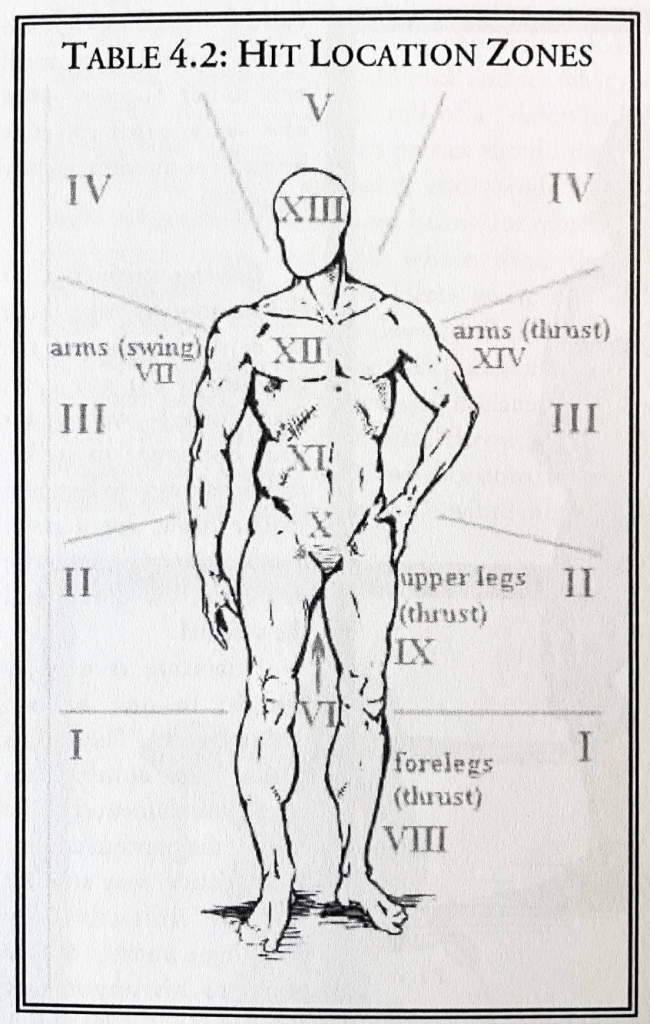
Detailed Damage Tables: I understand this is one of the areas for which the Riddle of Steel ruleset was often criticized as being too clunky and slowing down the game. My take is a bit different though. There are tables here for Cutting, Puncture, and Bludgeoning damage for each Hit Location Zone. Just have them handy and printed separately, man. Doesn’t take long to find what happened And it brings a gruesome and fierce edge to the fight. Honestly, combat doesn’t take longer than a turn or two in this game anyway.

That’s right. You can die in combat in Riddle of Steel. Fast.

Let’s Hear From The Designer!

Jake, What were some of your earliest influences and inspirations? [The actual conversation has been paraphrased and edited for flow and space considerations.]
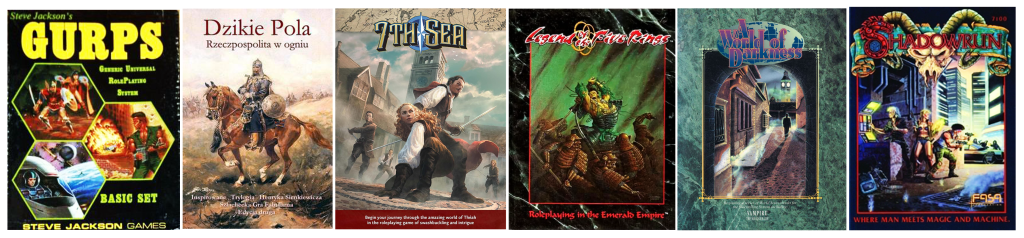
“I started with D&D Second Edition, kind of a blend of 2nd and 1st Edition because I came in on the cusp between the two. At some point, I also played Shadowrun, and played a pretty healthy amount of Warhammer Fantasy roleplay, which was my favorite of the lot. And fictional inspirations too. I’d read some great novel that I wanted to play in a game. I would look at which of the games that I played would be easiest to hack or home brew.

“I bought a D30 once in a game store as a novelty. What the hell do you use that for, right? So Marvel Studios back in the early 90’s in the heyday of Jim Lee and the New X-men rebranding, they published these cards. You know, collector cards of all the Marvel X-men superheroes with stats on the back. So I used my D30 and those stats to write my first ever coherent roleplaying game. I don’t know. I was, maybe 12 or 13. Then at one point in high school, the whole World of Darkness thing got really huge. So I played some Vampire, some Werewolf, and some of those other spinoff games. And GURPS, this idea of modularity and all that. These were all heavy, heavy points of inspiration for me.”

And The Witcher books?

“Right. I spent a couple of years living and working in Poland and learned to speak Polish. I started reading them before the last one was published. I read Sapkowski’s works while I was in Poland, in Polish, and I was just so energized by them! I thought they just captured my imagination in a huge way! When I got back to the U.S. in late 1999, early 2000, I wanted to play The Witcher. I wanted to do something that had this vibe of really cool combat, right? I wanted to do something where the players are making choices about what the character is doing in the fight. I didn’t want to just say ‘you roll, you hit, you roll, you don’t hit, I attack’ – you know. I wanted some degree of tangible, tactical interaction.

“And around that same time, I was introduced to King Arthur Pendragon by Greg Stafford, which is a master class in game design. One of the greatest games ever designed, hard stop. Just phenomenal.

“Fun little side note on that: shortly before Greg died, a common friend of ours introduced us. I consulted on some of the combat rules for what Greg was planning for 6th edition. I signed an NDA – all that stuff, actually sat down with them at Gen Con. I walked him through a whole bunch of armor research…how it really functions and how it’s really fought in. All these things and then…God save us all…he died. I have no idea if any of that made it into the notes for the guy who actually finished 6th edition. My guess is it didn’t, which just kills me because Pendragon is such an incredible game. To have had my name listed as advisor for Pendragon would have been like a crowning nerd achievement. Anyway, Pendragon. Phenomenal!”

Any others?

“Yeah, I was introduced to a Polish game called Dzikie Pola, which means The Wild Fields. It’s the Polish name for eastern Poland, the Ukraine, during the kind of Baroque period – the Polish golden age when it was sabers and Sarmatians and big furry hats. It’s an amazing period, and there is some amazing fiction and historical stuff out there about it! Anyway, it had this really clever dueling system for sabers, and it was the first time I’d seen this kind of approach where you have a number of combat points – like you’ve got 10, the other guy, 8 or whatever. You pick from a list of maneuvers that cost points. Then you contest back and forth. The game’s second edition took all that stuff out though. I don’t know how functional it all was, but the idea was brilliant!

And John Wick was starting to publish his big games: 7th Sea and Legend of the Five Rings. John Wick was kind of the rock star of game designers. He’d won the Origins Award for best game two or three years in a row. I was reading some of his games and looking at his tech, the vibe there. But I tried hacking GURPS. I tried hacking Warhammer Fantasy. I just ultimately decided that I couldn’t hack any of these games to be what I wanted.”

So we’re getting into game design choices for Riddle of Steel, then?
“Yeah. I know from playing Shadowrun that it was fun to roll a handful of dice, right? I knew from playing World of Darkness that I hated when you rolled and hit, then rolled for damage and didn’t do anything. I hated that these things needed to be connected. There was no point in even trying to hack D&D at that point. They’d gone to edition 3.5 and I was like, ‘what are feats’? I definitely went through at least a decade, maybe 15 years, when I was “too cool” for D&D. So I started looking at it as a blank slate with some requirements: I needed you to make combat choices all the time you’re in a fight, choices that had to be meaningful. They have to be impactful and interesting enough that the rest of the table wants to watch.

“There were just things happening in these other games that I was playing that were taking me out of the fiction. There had to be a sense of risk, a sense of danger to promote making certain kinds of decisions. I wanted something exciting to watch, with real decisions that had enough flexibility so you could insert some flash into it. I kind of failed at that, to be honest, but it was a major goal in the game design then.”

Flash. Tell me about that.

“I wanted a system where you could create the kind of things that show up in the Witcher books. Geralt fights in a very flashy way. The word ‘pirouette’ shows up a lot, at least in the Polish. He cut a guy in a pirouette: a somersault and a pirouette. And the guy’s head popped off. I wanted a system where you could plug that kind of stuff in.

I started doing research and realized I needed to know more…not just about games. And I started looking at how weapons were used historically and stumbled across what would later be called the Historical European Martial Arts (HEMA) movement. It blew my face off! It honestly replaced roleplaying games as the primary obsession of my life for the next 20 years. As I researched, I realized how little we knew as a community about the martial arts of the period. Everything I found out, everything I could glean and pull from that made its way into Riddle of Steel. So I stopped worrying about some of the more cinematic, flashy stuff and started thinking about what happened historically…how do I model that in my game? I got an endorsement from a leading historical martial arts organization at the time because I showed them what I was doing. And listen, man, if you’re trying to recreate a historical martial art, you’re a nerd.”

Let’s talk about the art in the book.

“Yeah. The main three artists in the book are myself, a guy named Rick McCann (who also helped design the original sorcery system), and Ben Moore. My high school buddies, right? I was in the art scene, and they were my artist friends. Rick was by far the more professional artist of us. I think he’s a professional artist today.” [Editor’s note – Rick has in fact taught artists at Dreamworks Animation among other places and is indeed available for contracted art]

I’ve got to ask about this one particular image in there. This guy.

“Yeah. That’s Rick. Rick McCann. Rick was really, really good. Rick did the cover.”
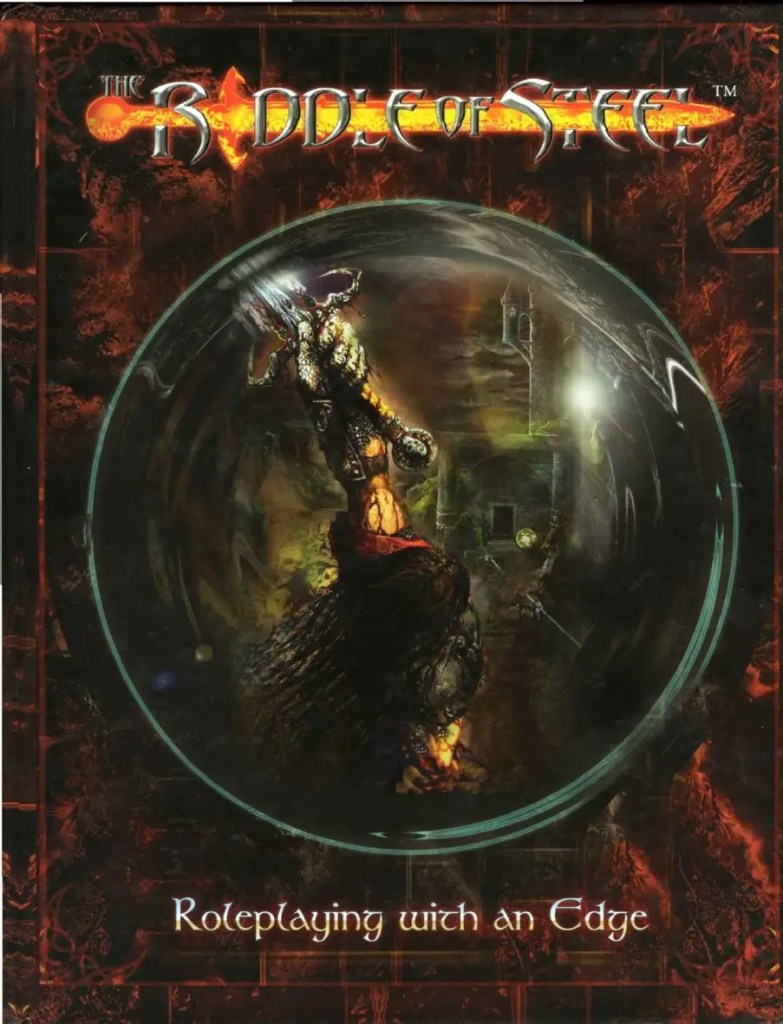
“All the knotwork was done by Ben Moore. All the very clean black and white inked pieces were me, and some of the pencil pieces. And one of the criticisms I got early on like when we first went to GAMA Expo was there was too much art, that I should have used less art and avoided a lot of the lower quality pieces. I guess that’s true. I don’t know. It’s worth pointing out: I just wanted a game for me and my friends to play. I had no intention of publishing. And then I wanted a physical copy because, you know, pdf’s weren’t a thing yet. To get something affordable, I had to print hundreds of copies and so – well crap – if I’m going to print hundreds of copies, I’ve got to sell 299 of them. And so it spiraled like that.”

Fantastic. Just fantastic. Talk about those early days then, as you guys were putting this together.

“I was going to university. Rick and Ben were in art school. I wrote the entire first draft of everything and showed it to these guys. They had some ideas and added to it, then the first large-scale play test of the game was with my old high school D&D group. I went back to visit them. One of the guys in the group – his grandparents ran a doughnut shop. We’d go there in the afternoons after it closed, and we played a whole five-session campaign over a summer week. I was trying to see if my ideas were even going to work at all.

“You look for trends and patterns, what seems to be working. And I went back and designed again. Then the version we originally published, 300 copies, that’s the one we took to the GAMA trade show and to Origins. And when that sold out, we needed another printing, and I found a printer in China or wherever that was affordable, with higher quality print and clearer images.

“It was interesting. Going from the fun part of designing the game and creating this work of art, building it in Pagemaker, putting in the text, picking fonts and graphics, play testing, publishing at the first couple of cons where you’re promoting the game…and there’s so much excitement and energy till you realize you’ve now borrowed more money than you’ve ever had in your life. You’re trying to make this happen, and suddenly it’s a business you’re trying to make money with. And the fun of using it for tax writeoffs becomes not so much fun anymore.”

And you wound up selling it?

“Yes, I sold Driftwood Publishing in 2004, and the rights went to someone else, who then sold it in 2013 to Tavish Campbell of Red Lion Publishing. I haven’t been in contact with Tavish in a decade, and I wonder if he’s not dead!” [Editor’s note: we tried contacting Tavish for this article. We really did. If any of you can help reach him, Jake would like to catch up!]

“But I learned a lot as a designer. As I write a successor game, whatever it winds up being called, I’ve got great stuff. In the event that I ever get around to finishing and publishing it, I understand my priorities as a designer so much better now because I have words that describe things that I simply felt as a 22 year old.”

You said European Martial Arts blew your face off. Give me one concrete example of what you meant by that.

“I think the first thing was – I saw this video of a guy doing what we call a flourish, just swinging the sword around shadow-boxing with an early rapier, something you could cut with. The blade was moving so fast, and it was so lethal-looking. The economy of movement! Up until that point, every time I’d seen somebody wielding a sword, it was an actor performing staged choreography that came from either modern sport fencing or from traditional stage combat (which is meant to be inefficient and safe by design). If you look at the sword fighting even in some of the better films like Lord of the Rings, you can see they’re intentionally swinging at each other’s swords and not at each other. So I saw this guy who was not a stage fencer, moving his weapon in a way that was like – Oh my God, this is fast! It looks lethal. It looks beautiful.

“And the second thing that blew my face off was realizing there are hundreds of books written during that time period that tell you how to use these instruments. The whole HEMA movement was about taking a martial artist and a historical book and slamming these things together. We were actually experimenting to recreate lost arts by taking people who knew how to move and getting them to try and interpret these historical sources and make that come to life.”

If somebody’s reading this and wants to get their hands on a book like that, name a good one.

“There’s a website called The Wiktenauer that contains dozens if not hundreds of these manuscripts. Translated photocopies. All kinds of stuff. My stupid claim to fame is that I named it. I had nothing else to do with its creation. It’s a play on wiki and then the master, Johannes Lichtenauer.”

How does The Burning Wheel RPG fit into all this?
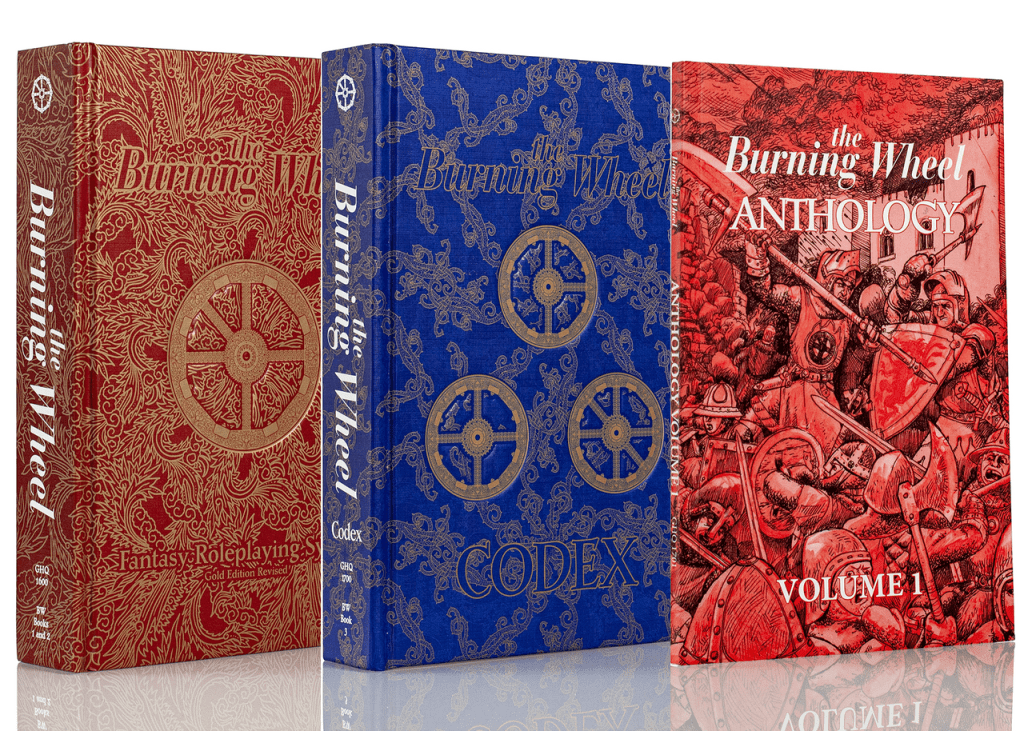
“Luke Crane and I became friends actually. The Burning Wheel and Riddle of Steel approached the same problems in different ways. We had very similar design priorities, and so when we first met each other in 2002 or 2003, we were definitely looking at each other crazy, like, whoa – hold on, are you like a competitor? Are you an enemy? And a year later we were very close friends, and he is still one of my closest friends to this day. I spent many years going to Gen Con as a member of Burning Wheel HQ crew, just quietly being this guy who also wrote this other game.”

All right. It’s time. Let’s have some advice from the designer of Riddle of Steel on how to fight in the game. What do I need to know?

“Dump as many stats as you can to get a high reflex score. The higher the combat pool, the better. The name of the game is not to land a hit; it’s to drain the other guy’s pool and then land a hit. Once you land a hit, press your advantage. But focus on not getting hit first. Pressing and gaining the initiative. If you gain the initiative, keep it. If you throw a WHITE die and your opponent throws a RED, and he comes at you with a small number of dice, parry with slightly more than he did. If you parry with too much, he’ll use the feint.

“The odds are in your favor if he attacks with a lot of dice. Use the counter maneuver when you attack. If you think you’ve got a chance to go for the jugular, go high and throw a lot of dice into it. But if you think he’s going to counter that, you’ll get killed. So get to know your opponent. If he uses a lot more defense dice, then call a feint.”

Jake, you’ve been amazing! Thanks for your time here.

“Yeah, by all means! As you can see, I’m happy to talk about all this stuff. I still enjoy it. Thanks for spending time to hear me rant.”

*

For Grailrunner readers, it may be expensive or at times impossible to find a copy of Riddle of Steel out there in the wild right now. Here’s a link to a Quick Start Guide from Driftwood Publishing by Stephen Barringer that’s publicly available for free.

Hopefully you enjoyed our chat. For me, it was an absolute blast! I’ll leave you with the opening words from Riddle of Steel:

Since the dawning of time, when Triumph the Forger-God pounded out the world from the mists and ores of heaven, mean have sought the Riddle of Steel.

Few have found it.

What is it?

It is invincibility – to strike with all and to be struck by none.

It is understanding – to ask questions and to know the answers.

It is peace – to walk without fear, to know that the end is in your own hands.

It is skill – to feel the elegance found in violence, and to know the beauty found in stillness.

It is Spirit – to gaze into the face of your God and to know him before he comes for you.

What is the Riddle of Steel? Where is it found?

That is the question with no answer.”

Till next time, guys.

Uncovering The Plot Of Tolkien’s Unwritten Sequel To “Lord Of The Rings”

If you love the rousing, unmatchable tales of JRR Tolkien’s Middle Earth (cinematic or book form), then it’s only natural to marvel at the thought that Professor Tolkien did actually consider a sequel. He even said partly what it would be about and wrote about 13 pages of a beginning to it called “The New Shadow”.

I recently finished reading The Hobbit, the LOTR trilogy, and The Silmarillion as well as The Letters of JRR Tolkien and in honor of that experience, I’ve set the task for myself to determine as accurately as possible what would that full story have been. I’ll try and defend my points along the way, but it’s all speculation since he stopped purposefully (which I’ll explain shortly).

Care to come along for the ride?

What do we know for sure about it?

The full text of the aborted sequel is available in The Peoples of Middle Earth. You can read it there. A summary though:

It’s been 100 years since the fall of Sauron. King Aragorn’s son, Eldarion rules over Gondor. Elves and hobbits and the fantastic bestiary of years ago haven’t been seen in all that time. It’s the Fourth Age, a time of peace. The Age of Man. The War of the Ring and the great events of those many years ago are just stories, fading in memory.

By a river below the sprawling towers of Minas Tirith, an old man named Borlas is talking to a younger, easily agitated fellow named Saelon. Borlas is the son of Beregond, the white guard captain assigned to Peregrin Took before the Battle of Pelennor Fields, and Saelon is the childhood friend of Borlas’ absent son. They speak of the growing evil in the hearts of men. And of Orcs.

Saelon recounts harsh words the old man had had for him years ago, in correcting the boy for stealing apples and damaging trees as “Orc’s work”. That word, Orcs, had fascinated him. The harsh words had angered him.

“Don’t speak to me of orc’s work, or I may show you some”, Saelon says. “You turned my mind to them. I grew out of petty thefts … but I did not forget the Orcs. I began to feel hatred and think of the sweetness of revenge. We played at Orcs, I and my friends, and sometimes I thought: ‘Shall I gather my band and go and cut down trees? Then he will think that the Orcs have really returned.’” The boy’s sudden anger and resentment perhaps surprise the old man.
They speak of Herumor, the vile leader of a growing cult called The Dark Tree that worships Sauron and his predecessor, the original dark lord, Melkor. Unrest is spreading: discontent with the reign of Eldarion. There is news of missing ships, and Borlas’ son is away at sea.

Suddenly, the boy, Saelon makes a mysterious invitation to the old man. If he will return to this spot tonight clad all in black, he will learn everything.

Before the fragment ends, Borlas smells the air. In the Professor’s words,

“The door under the porch was open; but the house behind was darkling. There seemed none of the accustomed sounds of evening, only a soft silence, a dead silence. He entered, wondering a little. He called, but there was no answer. He halted in the narrow passage that ran through the house, and it seemed that he was wrapped in a blackness: not a glimmer of twilight of the world outside remained there. Suddenly he smelt it, or so it seemed, though it came as it were from within outwards to the sense: he smelt the old Evil and knew it for what it was.”

Why didn’t Tolkien finish the book?

Oh, he explained that in detail.

Here, in a letter to Colin Bailey, dated May 13, 1964:

“I did begin a story placed about 100 years after the Downfall [of Mordor], but it proved both sinister and depressing. Since we are dealing with Men it is inevitable that we should be concerned with the most regrettable feature of their nature: their quick satiety with good. So that the people of Gondor in times of peace, justice and prosperity, would become discontented and restless – while the dynasts descended from Aragorn would become just kings and governors – like Denethor or worse, I found that even so early there was an outcrop of revolutionary plots, about a centre of secret Satanistic religion; while Gondorian boys were playing at being Orcs and going round doing damage. I could have written a ‘thriller’ about the plot and its discovery and overthrow – but it would be just that. Not worth doing.”

In a letter to Douglas Carter dated June 1972, he said:

“…the King’s Peace would contain no tales worth recounting; and his wars would have little interest after the overthrow of Sauron; but that almost certainly a restlessness would appear about them, owing to the (it seems) inevitable boredom of Men with the good; there would be secret societies practicing dark cults, and ‘Orc cults’ among adolescents”

What he was saying is that he’d wrapped up the supernatural bits with the close of the War of the Ring, and all that was left was politics and intrigue. It wasn’t what he wanted to write, so he left it there. His real passion remained publishing The Silmarillion into which he’d thrown his heart and soul his entire life, but no publisher would have it in its condition: a dense narrative that can read at times like a technical history book full of difficult names and a flood of events.

In a letter dated July 1938 when he was supposed to be writing a sequel to The Hobbit, he said:

“…my mind on the ‘story’ side is really preoccupied with the ‘pure’ fairy stories or mythologies of The Silmarillion…and I do not think I shall be able to move much outside it – unless it is finished”

In an epic letter to Sir Stanley Unwin dated Sep 14, 1950, he said of the finality of Lord of the Rings that it:

“…concludes the whole business – at attempt is made to include in it, and wind up, all the elements and motives of what has preceded: elves, dwarves, the Kings of Men, heroic ‘Homeric’ horsemen, orcs and demons, the terrors of the Ring-servants and Necromancy, and the vast horror of the Dark Throne”

It was disheartening for me, reading the Letters of JRR Tolkien, his final years after his retirement and when his dear wife, Edith passed away, that he was desperately still trying to find time to collate the materials for The Silmarillion and despairing he would ever accomplish it. His mind wasn’t really on a sequel.

That seems to close the business then. What’s the point of this article and exercise?

Okay, hear me out. He was super passionate about the elf histories and lore of The Silmarillion; in fact that was the whole point of his worldbuilding his entire life. Yet the market wanted hobbits and heroic myth. If the Professor had gotten The Silmarillion published ten years before, seen a relatively poor reception for it, and had maintained the energy to give it another go, I believe in my heart he would have gone back to the core of his magnum opus to redeem it.

My point is – he stopped because of his viewpoint on what would happen next, but I believe if he actually made the decision to proceed with a sequel, that wouldn’t have been the direction he would take the book. He and C.S. Lewis agreed long before that if they couldn’t find the books they wanted to read, they’d have to write them. He enjoyed heroic poetry and long, exciting tales of adventure. So that’s what he would have found a way to write. It so happened, that’s what the market wanted anyway.

But how on earth can we know what change in direction he would have taken with the sequel?

Ahhh. I believe I can trace the steps on what his thought process would have been given his personal tastes, the groundwork he’d laid for The New Shadow, his fascination with The Silmarillion lore, and how he approached writing the first sequel: Lord of the Rings. Of course, there is wild speculation here. But I can back some of it up.

OK, so what would have happened?

A few building blocks first, please. Humor me.

  1. No allegories or basis in world events

From Tolkien’s foreward to Fellowship of the Ring, 2nd edition:

“I cordially dislike allegory in all its manifestations…I much prefer history, true or feigned, with its varied applicability to the thought and experience of readers”

2. Not all the supernatural beasts and creatures need be absent from the story

Letter to Naomi Michison dated Apr 25, 1954 (referencing Balrogs): “They were supposed to have been destroyed in the overthrow of Thangorodrim, his fortress in the North. But it is here found (there is usually a hang-over especially of evil from one age to another) that one had escaped and taken refuge under the mountains…”

In fact, we could have dragons.

“Dragons. They had not stopped; since they were active in far later times, close to our own. Have I said anything to suggest the final ending of dragons? If so it should be altered.”

3. A dark entity can in fact be guiding events, just not in a physical body, and most likely surrounding itself with a confusion of good intentions and lies

Letter to Robert Murray dated Nov 4, 1954: “…for or course the Shadow will arise again in a sense (as is clearly foretold by Gandalf), but never again…will an evil daemon be incarnate as a physical enemy; he will direct Men and all the complications of half-evils, and defective-goods, and the twilights of doubt as to sides, such situations as he most loves”

That tells me no new dark lord. Herumor will be a man, but a man possibly being directed by an evil entity if he’s not the entity itself. It is highly unlikely Tolkien would have reopened Sauron or Melkor as a direct influence, as he very much disliked retreading old ground and cheapening the sacrifices of Lord of the Rings. In order to avoid the focus on politics and intrigue that turned the Professor off to the story in the first place, Herumor would likely have some form of magical objects or access to a lore of some kind to influence events – such as he might be using to take out those ships that were going missing. Herumor MUST have something from Sauron’s days that he’s using.

4. There would be connections to the previous books

Letter to Chrisopher Bretherton dated Jul 16, 1964 (regarding his process for writing a sequel to The Hobbit): “The magic ring was the one obvious thing in The Hobbit that could be connected with my mythology. To be the burden of a large story it had to be of supreme importance. I then linked it with the (originally) quite casual reference to the Necromancer…whose function was hardly more than to provide a reason for Gandalf going away and leaving Bilbo and the Dwarves to fend for themselves...”

In this same letter, he explains at length how he pulled from his existing mythology in materials from The Silmarillion as part of his creative process. That’s key for me, by the way. It is precedent for him going back to the massive well of those materials to make sense of the story he wants to tell. I’ll come back to that in a big way shortly.

5. Elves are gone and almost certainly would NOT appear. However, Elrond could still play a role.

Elrond appeared in The Silmarillion, The Hobbit, and in much of the Lord of the Rings. Part man, part elf, and present in the major events of Tolkien’s entire history, this character was incredibly pivotal. Yet elves wouldn’t return; that’s clear. However…

Letter to Sir Stanley Unwin dated Sep 14, 1950 (footnote): “Elrond symbolizes throughout the ancient wisdom, and his House represents Lore – the preservation in reverent memory of all tradition concerning the good, wise, and beautiful. It is not a scene of action, but of reflection. Thus it is a place visited on the way to all deeds, or ‘adventures’. It may prove to be on the direct road…but it may be necessary to go from there in a totally unexpected course.”

So how could Elrond play any role at all then if elves are entirely gone? I speculate that Tolkien would have created a character enamored with Elvish lore who even perhaps has books with lost lore written by Elrond if not living in the ruins of Rivendell. That gives a reason to visit Rivendell, a means of Elrond adding to the tale, and gives Tolkien a chance to expound on his beloved Elf legends.

And it could be key in the heroes (whoever they might have wound up being) unlocking the secrets they will need to defeat the new shadow.

6. No Ents. No Entwives. These are the walking, talking trees who it is explained lost their wives. I thought at one point I had something here and we could revisit the Ents, but…

Letter to Naomi Mitchison dated Apr 25, 1954: “I think that the Entwives had disappeared for good, being destroyed with their gardens in the War of the Last Alliance…when Sauron pursued a scorched earth policy and burned their land…Some, of course, may have fled east, or even have become enslaved…If any survived so, they would indeed be far estranged from the Ents, and any rapprochement would be difficult.

7. Someone humble and unlikely will play the most important heroic role.

Letter to Sir Stanley Unwin dated Sep 14, 1950: “A moral of the whole…is the obvious one that without the high and noble the simple and vulgar is utterly mean; and without the simple and ordinary the noble and heroic is meaningless.”

Tolkien wouldn’t likely bring back Hobbits, but he could still create a humble, lovable goofy character who has to be brave to win the day and whose adventures bring them to the noblest and mightiest.

8. It could be that we see Men transformed physically into Orcs, or at least an effort to make that so.

This might be too dark even for the Professor. Yet it fits with Melkor’s original intentions to distort Iluvatar’s plan for Men and the nature of all that has come from Melkor’s scheming and influences through the centuries.

Letter to Forrest Ackerman June 1958: “The Orcs are definitely stated to be corruptions of the ‘human’ form seen in Elves and Men.”

Letter to Christopher Tolkien May 6, 1944 (referring to World War 2 still being fought): “…we are attempting to conquer Sauron with the Ring. And we shall (it seems) succeed. But the penalty is, as you will know, to breed new Saurons, and slowly turn Men and Elves into Orcs.”

If anybody’s turning Men into Orcs, it’s Herumor. Given the groundwork here then, he’s learned that craft from Sauron’s lore. And it’s probably how he’s waging war on the high seas such that those ships are missing.

Ships like the one Borlas’ son was on.

9. The New Shadow mentions missing ships, and now we have Herumor and his dark lore from Sauron’s days potentially building him a navy of Orcs who used to be Men, fed by a growing secret cult convincing young restless men they actually want to be Orcs.

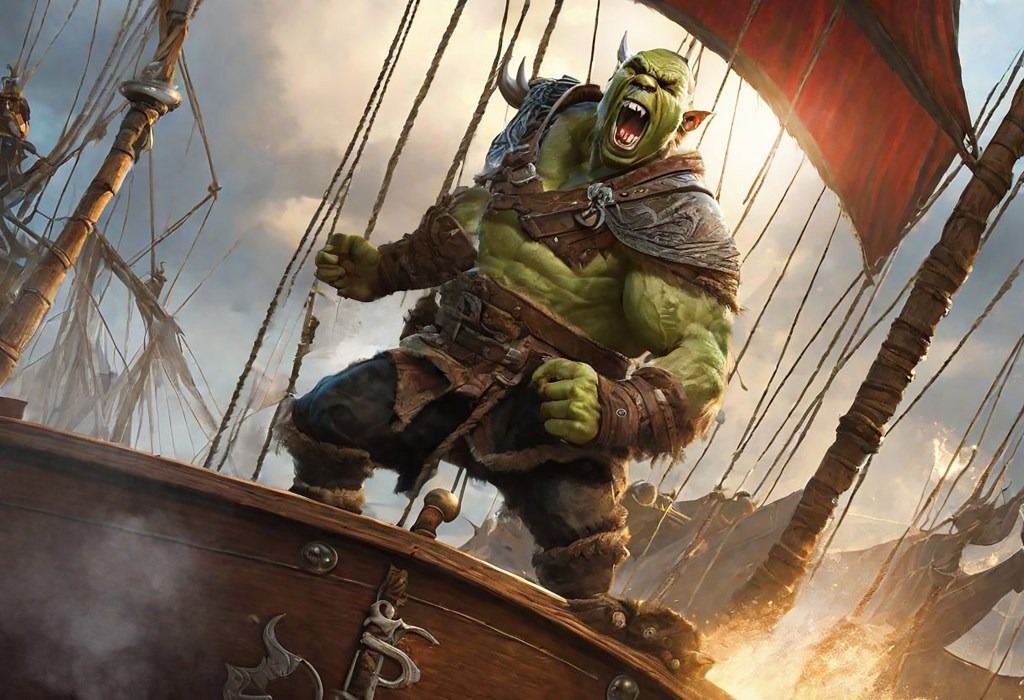
So I’m saying that we could have gotten ORCS AT SEA in naval battles with dragons.

10. There would be a supernatural object

Tolkien used the Silmaril jewels and a terrible oath regarding them to drive events in The Silmarillion. He used the Arkenstone to drive events in The Hobbit. He used the One Ring to drive events in Lord of the Rings. In tracing his creative process writing LOTR, he definitively looked for a clear thread to tie his many varied elements together, easily made manifest in objects like this. I don’t know why he would break from that pattern in a sequel.

Since he’d already used jewels and gold, I imagine he would use something silver. What else is incredibly precious other than jewels and gold? I’m speculating, so it’s as good a choice as any.

But a silver what?

11. The supernatural object core to the story would be tied to the lore of The Silmarillion

In the very beginning of The Silmarillion, the God-character, Iluvatar has his created gods (The Ainur) sing with him and for him. Melkor, the original dark lord and Sauron’s future master and inspiration, deviated from the musical themes set by Iluvatar. Melkor wanted to do his own thing, and that was the original sin in the universe Tolkien created. Iluvatar corrected Melkor’s deviations by singing a new musical theme. The big deal here though, was that everything they were singing actually became manifest.

Their singing created the world we know from all of Tolkien’s stories, as well as the entire history that would play out in it. It turned out that Iluvatar’s part of the song created Elves and Men. That was his plan all along, it seemed. And Elves were to be temporary, required to fade into the west at some point in the future to make way for the Age of Men.

So Men were very important to Iluvatar’s plan of creation. He had a purpose for creating them, one that corrected whatever sins Melkor was introducing.

Letter to Robert Murray dated Dec 2, 1953: “The LOTR is of course a fundamentally religious and Catholic work; unconsciously so at first, but consciously in the revision….the religious element is absorbed into the story and the symbolism.

Letter to W. H. Auden dated May 12, 1965: “I don’t feel under any obligation to make my story fit with formalized Christian theology, though I actually intended it to be consonant with Christian thought and belief.”

This perspective tells me Tolkien might very well have asked himself what was the original purpose of Iluvatar creating all this for Men and for indeed creating Men at all? In Christian belief, it was to commune together with humanity and for them to make a free will choice to do so with God. I believe Tolkien’s faith would have informed the decision on this supernatural object’s nature.

Iluvatar created Men to commune with him. Iluvatar does so in song; there’s precedent for that. The Ainur didn’t really have a choice. Men do.

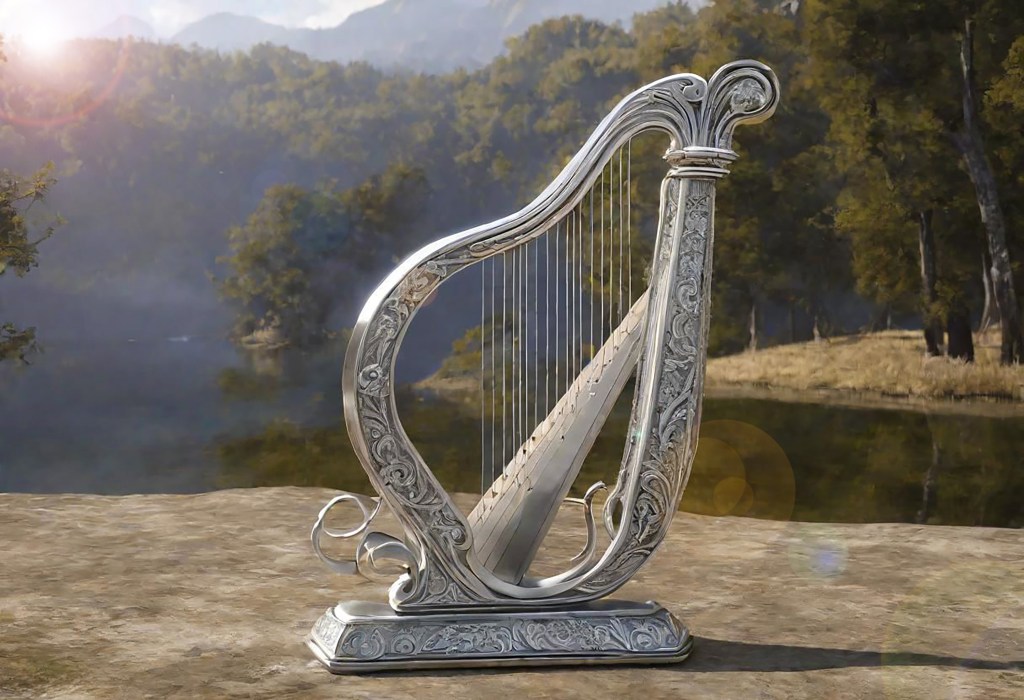
I believe the object would be a musical object, one allowing its player to sing (excluding pipes and other wind instruments). I assume then, a silver lyre.

12. The silver lyre would be necessary to resolve the almost certain fall of Men under their own efforts.

Letter to Miss J. Burn dated Jul 26, 1956: “No, Frodo failed. It is possible that once the ring was destroyed he had little recollection of the last scene. But one must face the fact: the power of Evil in the world is not finally resistable by incarnate creatures, however good.”

Sarumon and Gandalf were both sent to assist in the fight against Sauron, but Sarumon was a disaster in this. Gandalf died in the process and earned his rest. I don’t believe Tolkien would have provided for another supernatural assistant like that in resolving events in The New Shadow. Given that the silver lyre is now assumed to be critical to the story, I’m imagining Iluvatar sent this object as the aid.

Accordingly, the creator god has provided the means for Men to help themselves. In line with Christian belief then, it is up to Men to finish the job.

*

So whats the story of the New Shadow?

Tying all this together, I envision a small and disparate group of human characters (embodying natures of Elves and Hobbits perhaps, though physically Men and Women) must undertake a mission to find the silver lyre as their only hope in turning the tide against Herumor and his growing Dark Tree cult. Raging battleships crewed with screaming Orcs are pillaging and plundering port towns all across Middle Earth, establishing beach heads. Youths are disappearing from every village. Almost certainly, Borlas goes along (and possibly Saelon). Word spreads that Herumor has recruited dragons, who fly along with his Orc fleets.

The new fellowship makes their way to the ruins of Rivendell to consult with the old scholar there, in hopes of learning the lyre’s whereabouts. Secrets are revealed, and a betrayal occurs, though not from the one we expected.

As Herumor’s dark forces spread, seemingly growing beyond imagination, vile beasts from older days awaken to serve a dark lord, or at least one who deems himself such, one last time. Terrible fates befall hapless towns who’d grown slothful and fat in the long peace. It seems no one has an army or navy able to stand against the black tide of evil sweeping over the lands and seas.

But the lyre is found, and its music summons mighty fighting ships, though no magical beings to crew them. It is up to the least of the new fellowship to inspire and recruit those who will sail these ships.

A mighty battle is fought on the roiling seas, flaming dragons and screaming Orcs versus mystical ships and desperate Men and Women. At the darkest hour, everything turns because of the courage (and potentially the sacrifice) of the most precious of the new fellowship – one who we thought might become a King or Queen. It was that selflessness that redeemed Men in their Age.

The battle is won. Herumor and his fleets are destroyed as the very sea rises up like a man to swallow them whole.

And in the very end, there is music as Men sing to the skies.

*

Anyway, I hope you liked this musing and speculation. What a great experience this has been. I’d love to know what you think – and your own ideas about where the Professor would have taken all this.

Till next time,

Understanding The Silmarillion (and what it may tell us about Tolkien’s Sequel To Lord of the Rings) – Part One

I just finished reading Tolkien’s epic The Silmarillion. I’m proud of that because it took me a few tries to get rolling. But once it started becoming clearer to me what was happening, who was who, and the overall point of everything, I found it to be a stunning work of genius that is unmatched in scope, attention to detail, and craftmanship.

If you’re into the Peter Jackson movies or love The Hobbit or Lord of the Rings books but have been side-eyeing The Silmarillion like I was, I think I can help with that. If you don’t really know what this insanely impressive book even is, I can help with that as well, and explain why you might want to consider taking the plunge and reading it. (There are spoilers here, but I wouldn’t even recommend reading this book without knowing a few things first if you expect to follow the big picture).

My point with this two-part set of articles is to give you a few tips that can make the going easier in reading it. Then I’ll land on what Tolkien was actually planning for a sequel and which direction he might have taken that should he have actually determined to press ahead.

Cool?

What is The Silmarillion?

J. R. R. Tolkien was one of the finest writers to ever work in the English language. He was one of the first true detailed worldbuilders, and in large part may have invented that craft itself. His main interest in the beginning was inventing fictional languages, and the worlds at the heart of the Lord of the Rings and related works were just places to house them. In The Hobbit, Fellowship of the Ring, The Two Towers, and Return of the King, we get glimpses and casual mentions of incredible events and the long, rich history of Eä, a fictional universe which contains Middle Earth (among other places). The Silmarillion is an opus of the mythology from creation of these worlds up to the end of their ages leading to our own.

What’s good about it?

Oh, man, are you in for some of the most incredible imagery and ideas, fiery wars on a mythological scale that altered the very shape of the earth, fascinating characters fleshed out like real people but strutting larger-than-life on a stage of unimaginable fireworks! They might seem disconnected as you read them, but it all has a point. Practically everything you might love about the more famous books, every place you remember from them, has a history and reason for being. The giant spider that captures Frodo, the fiery balrog that killed Gandalf, why there are wizards at all, who built Minas Tirith, who was Sauron and what he really wanted (he wasn’t the first dark lord), why there is evil in this world, where elves and men came from & why they don’t like each other, why elves are fading, where they’re all going in the west, and on and on. It’s all made clear and hangs together tightly like a masterpiece tapestry while it tells an incredible story. In fact, the events of the more famous books are like footnotes here. There’s so much of a bigger picture going on than the rings and Sauron!

It’s genius, man. That’s what I’m saying. Genius.

Summarize it a bit, then. And give some tips on what’s important.

A creator god invites his supernatural beings to begin singing, though one among them strays into his own musical themes to suit himself rather than following the creator god’s lead (Melkor, one of the most important through-lines of the entire book and eventually the original dark lord). It turns out, their very music is creating Tolkien’s fictional universe, and all its long history, everything that ever will happen in it, is just that original music playing out. The creator god offers for them to enter into this new universe, and some take the invitation.

This new world is waking up with life and light, and the beings that entered it build a magical place called Valinor. Very much of what happens in The Silmarillion, and what is going on behind the scenes in the later books relates to this magical land to the west. Pay attention to everything that happens in Valinor and any time somebody enters there or leaves there.

Elves are the first newly created beings to appear in this world (in a place outside Valinor called Middle Earth), and most of action of the book is telling their early history. Most of the characters are in fact various types of elves, split up by various events and decisions and so with different tribal names. But elves nevertheless. Humans come into the picture, though a bit later and ultimately are the point of the music and everything else.

And the jewels?

Three magical jewels (called the silmarils) are created by a craftsman elf (Feonor), and that drives an incredible chain of events that serve as the backbone of practically everything that happens. Pay close attention to Feanor, why the jewels glow like that (light from the trees of Valinor), what happened to those trees (Melkor’s dark deeds), and the terrible oath sworn regarding who will own these jewels. That’s the engine of the story, these jewels. That’s why the book is called what it is.

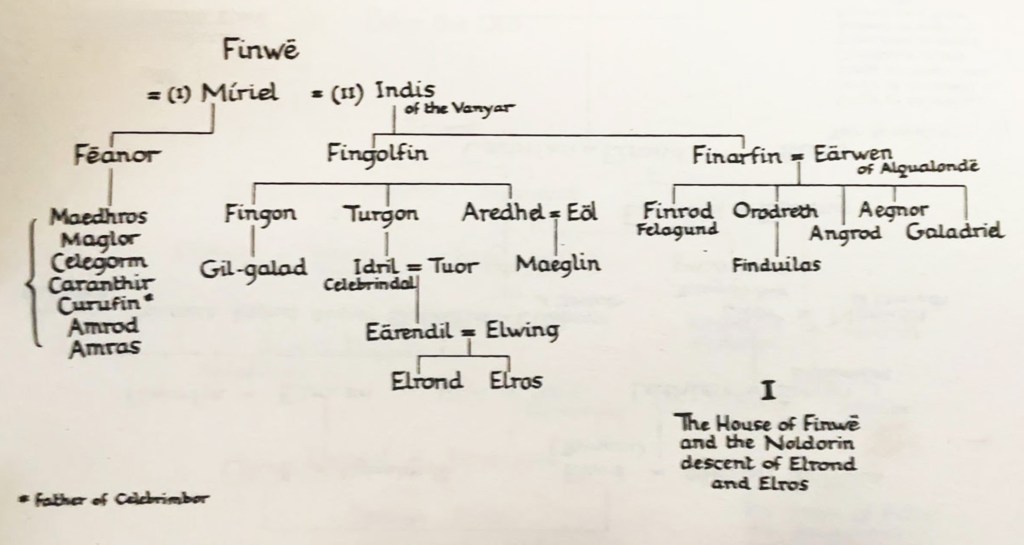
One family tree is really core to the book. This one:

Feanor made the jewels – he and his sons swear the oath, which carries supernatural weight and leads to the dooms of many. For anybody that chases those jewels, there are problems. In this family tree, there’s a connection eventually to the rings of power (Celebrimbor), Elrond and Galadriel (who you know from the movies), and a lot of the main events that happen in The Silmarillion. Aragorn traces his ancestry back to here as well. A lot of people are turned off by the firehose blast of names in this book (and I get that), so ticking off a few important names for yourself (and a few important places) is key in enjoying the book. Feanor and his sons matter a lot.

Over a biblical scale of time, long-lived elves (occasionally with supernatural help) fight Melkor and his dark armies of beasts. Here, you get orcs, balrogs, and the first dragon (who you get to watch grow up), werewolves, and giant spiders. Earthshaking battles and incredible conflicts rage, often to deal with Melkor’s evil or to struggle for those jewels.

Wait. Werewolves?

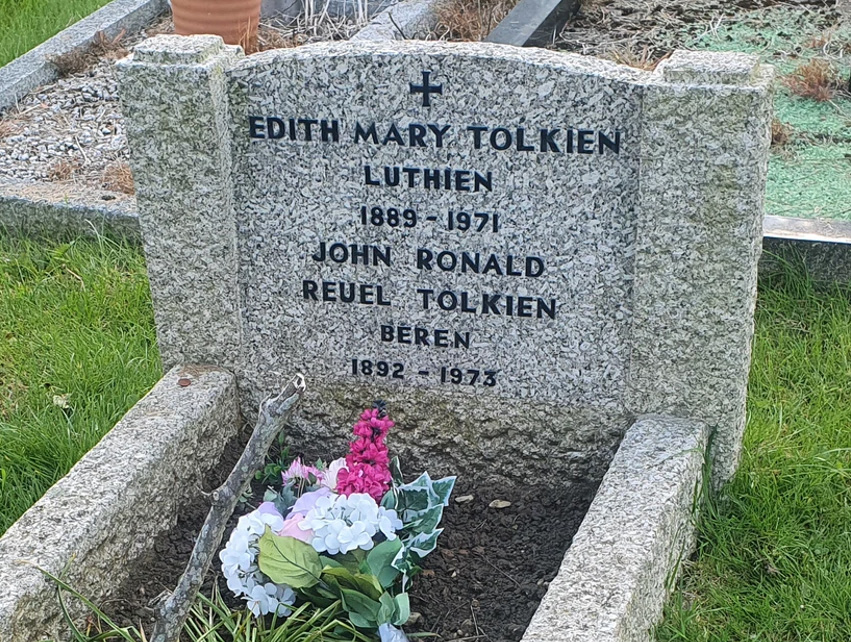
There are werewolves in Tolkien, yes. They’re mainly in the story of Beren and Luthien which is one of the most central parts of the entire tapestry. It’s a story that is gorgeous and mythical. Let me blow your mind a bit, if you didn’t know this:

That’s the gravestone for Tolkein and his wife. Here’s a quote from the Tolkien society:

“…the story has a personal significance to Tolkien. In 1917, a young Ronald (as Tolkien was known) saw his wife Edith dancing in a glade near Roos, Yorkshire; this scene was the germ of the story as Beren also first espies Lúthien whilst dancing in Doriath.”

[Beren And Luthien is available as a standalone book itself, which I’ve also read, and it’s worth your time as well. This is even more of a composite study done by Tolkien’s son than The Silmarillion, and is a bit more like piecing the tale together through notes than a somewhat polished work.]

Beren is human, Luthien, elf, and her father challenges Beren to bring him a silmaril for her hand. Unfortunately, the dark lord himself has all three of them by this point embedded in his crown where he sits on a throne in a dark and impregnable fortress protected by every manner of vile beast you can imagine and endless armies of orcs. This part of the story is key, so key in fact that Aragorn tells it to Frodo, as they are his ancestors.

Wrap this up, then. How does The Silmarillion end?

This book is a world, so it isn’t really that simple. There are several threads going on tangential to the big picture, like the Atlantis city of Numenor and its upheaval, the hidden city of Gondolin and its fall, and the tragedy of Hurin and his children (also available as a standalone work and also worth your time). I name these threads for a reason – pay attention to Numenor’s role and why it was destroyed, how and why Gondolin was destroyed, and Hurin’s son, Turin and his adventures. Still, they’re like side quests.

However, The Silmarillion tells at last of the fall of Melkor and the eventual fate of the silmarils. If you just keep your eye on Melkor (also named Morgoth) and the silmarils, you’ll get the main flow of everything going on with this incredible book. Towards its end, there is a concise summary of events leading up to the world we know from the more famous books.

Okay, so what was that you said about a sequel to Lord of the Rings that Tolkien was planning?

Ahhh, that’s interesting. It will be the point of the second part of this set of articles. A year and a half ago, I found out Tolkien had begun writing a sequel to be called The New Shadow. The scrap of it that exists is chapter 16 in a compilation called The Peoples of Middle Earth.

That’s honestly why I went deep on Tolkien in the first place. I rewatched the six movies (extended editions) and read all these books I’ve mentioned here, originally because I wanted to solve the mystery for myself of what was going to happen in that sequel should the professor have gone on to continue the story as he at one point planned. He explained clearly why he stopped, so I’ll briefly recap that for you in the second part of this series.

But what’s more interesting for me is where he would have taken the tale if he’d really decided he would press on with it. I believe he would have returned to the background of The Silmarillion, the big picture of that music from the very beginning and how it decided everything that was to happen, and point of humanity’s coming into this world in the first place.

*

I hope this whetted your apetite should you have interest in this amazing book. If it helped, let me know. If you love the book already, let me know that too. It was a transformative experience for me, going this deep into such a rich world.

Till next time,

New Salt Mystic Lore Card Available For Free! Meet The Justice Engine.

I’m swimming with stuff I need to get down in the lore for the Salt Mystic universe. There should be more time in the day and less need to pay bills.

Anyway, here’s the background if you aren’t familiar with the original IP we’re building here at Grailrunner called Salt Mystic.

A unique blend of western grit and fantastical science! Step into a far future world where artificial pocket dimensions hide untold mysteries, gunslingers duel with ball lightning, and colossal armies fight for their very survival. Get ready to embark on a boneshaking adventure that will test your courage and set fire to your imagination!

Salt Mystic is an immersive experience that seamlessly weaves together the rugged allure of a wild western tale but with the boundless wonders of science fantasy.

Today, we’re introducing a new threat to this rapidly growing world called the Justice Engine, and we’re doing it with an exciting new lore card, available for download free now!

What is a Salt Mystic lore card?

Smash the Story Arcade button below to see a description and to access all of them, but basically it’s a distinct fusion of art and flash fiction on a single page to build (brick by brick) this expansive new world.

Oh, Grailrunner, what have you done now?

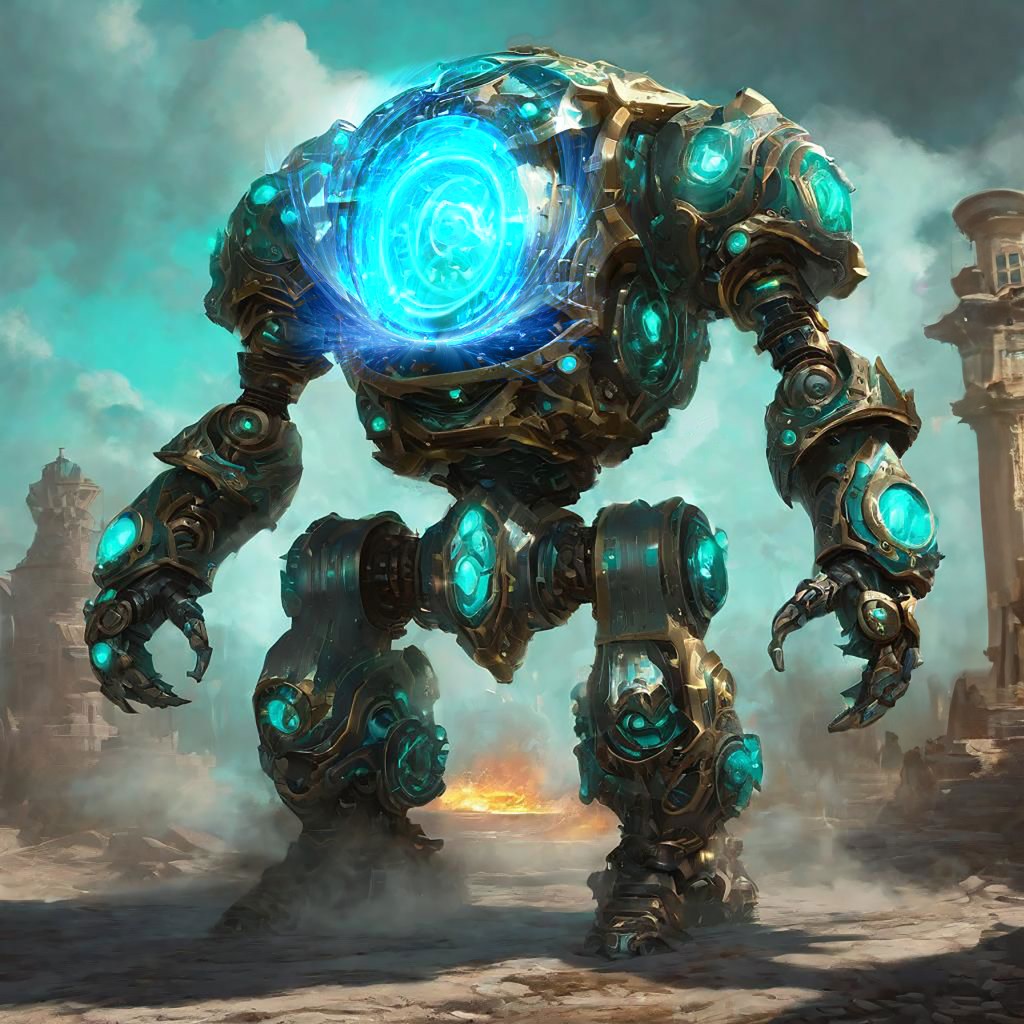
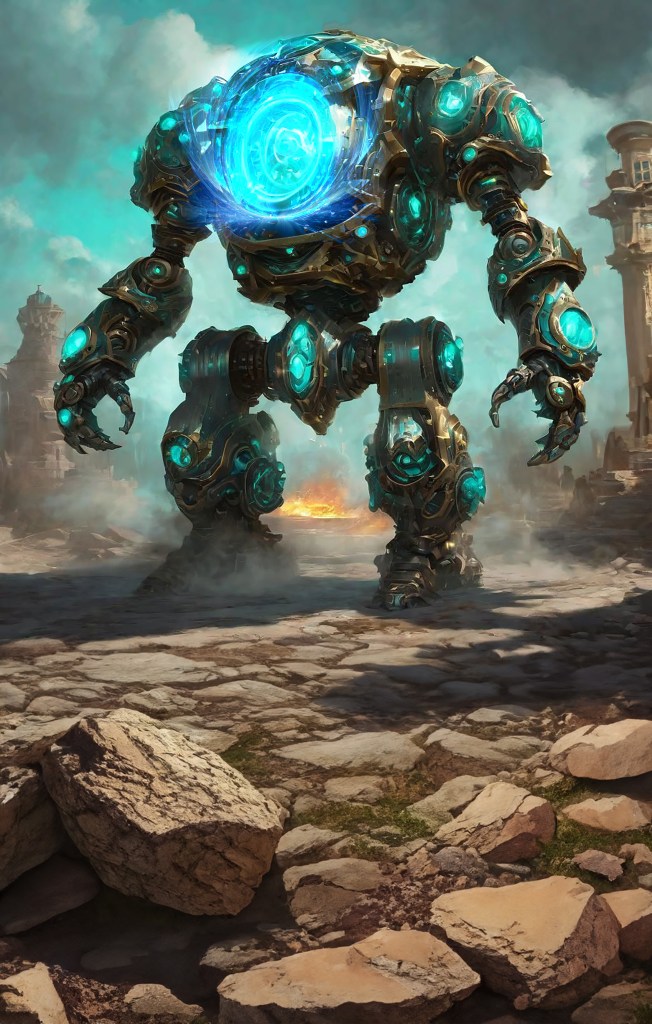
Oh, today’s a whopper! A doozie. A slam-fest to your noggin. It started with the art this time, and the vague idea of a wandering mechanical judge with a dimensional gate in its chest. You can see some of the image in the header and the full image below, though if you’re at all interested, why not just take a peek at the pdf in the Story Arcade?

The art is a photobash paintover, with the golem body itself AI-generated. I altered the background, mainly the tower on the right, and corrected some artifacts that came with it as well as added some clouds and sky. Then I added the rocky ground in the foreground to heighten the image for the card. The dimensional gate swirling was a handful of sparkly and lightning overlays in Color Dodge mode. The idea here is this thingie can just pluck you up and drop you into a pocket dimension should you be found guilty.

But it isn’t Robocop. I didn’t want some Hollywood-style robot going rogue with its own ideas of justice in a dystopian nightmare. There’s a twist to who’s doing the thinking with these and why they’re qualified to do so. There’s a reason they’re wandering these days, and it’s sad but maybe a little hopeful.

And all that is tied distinctly to the history of the Salt Mystic setting. I’m personally really proud of this one in particular, and I can’t wait to write it into something more ambitious.

Anyway, I hope you like it. Full image below and link to the new lore card here.

Please take a peek at the lore card – shouldn’t take you more than a minute or two to read the text and get the flavor of this new beastie. And let me know what you think!

Till next time,

New Lore Card Available For Free (And An Incredibly Useful Field Guide Entry)

I really enjoy introducing new elements to the rapidly-exploding Salt Mystic lore. This one is a real joy for a number of reasons, so strap in and hold on! And welcome to the latest entry in the Story Arcade (smash the storyteller below to see all the cards in the collection).

Some context first:

We’re working on a new project for the Salt Mystic line to be called The Augur’s Book of Lots. We celebrated a half-way mark in that recently, which you can read about here. Bottom line: it will be a bibliomancy-style oracle supplement for tabletop roleplaying, meaning it’s a doorway to enter the Salt Mystic world using the rpg game rules of your choice (or none at all).

What this beast of a project requires is a massive amount of lore and concepts that provide danger, intrigue, exotic locations and a rich history to explore, which is exhausting and exhilarating at the same time! Also recently, I personally started getting back into my sketchbook to generate and interact with ideas as an engine to feed the project. You can read the inspiration for that here.

So my head is soup now.

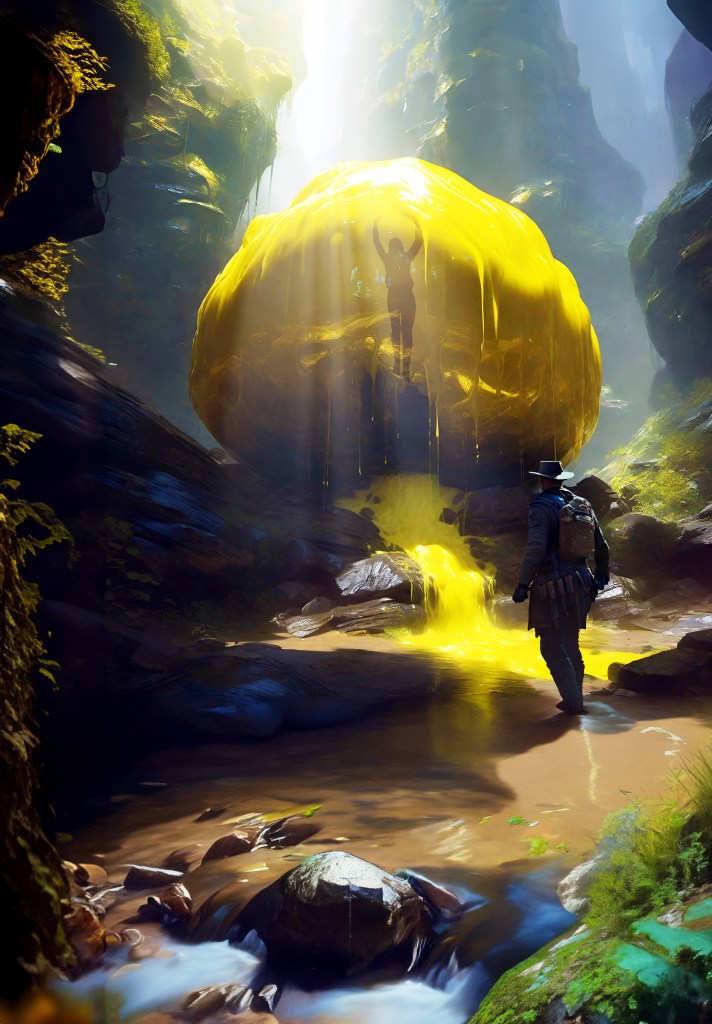
Anyway, one thing I’ve noticed making my way through three volumes of 3DTotal’s marvelous Sketching For The Imagination series is that many artists mine random ideas from inspirations found in nature. Thinking highly of that notion, I found David Attenborough’s Green Planet on Amazon and honestly can’t get enough of it…that and various similar documentaries on Youtube. It’s left me with the sense that I’ve missed an incredibly rich source of ideas – adaptations in nature and the back-and-forth struggle to find food and reproduce in an environment of limited resources. So to convert anything to Salt Mystic concepts, we just crank everything to its max and add some weird science fantasy.

And a gunslinger. Always add a gunslinger.

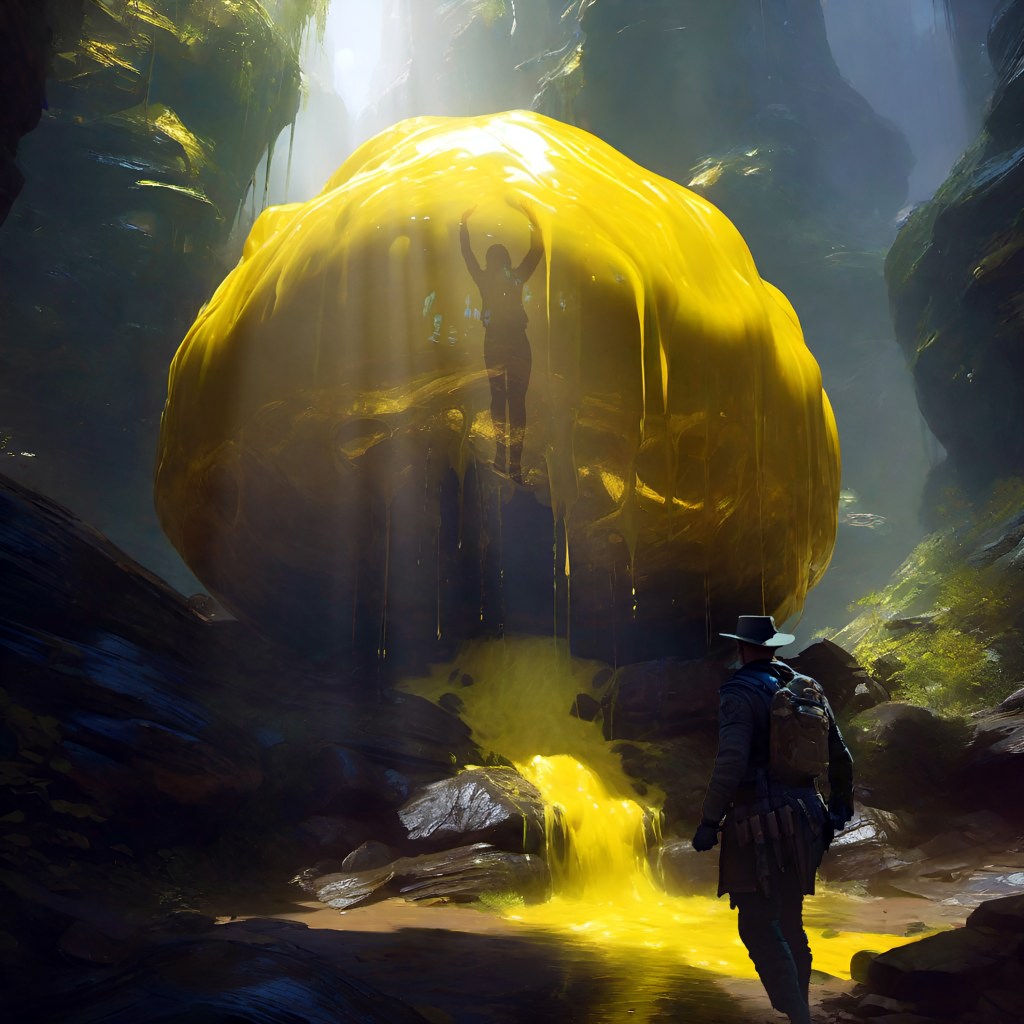
In the case of today’s highlight, the original inspiration was slime molds. And yes, I get that it’s a bit esoteric, but these things can optimize logistics problems and solve labyrinths! They pulse and locate food sources, at one point in the life cycle growing little stalks (called “fruiting bodies”…eww) to spew spores into the air. That sounds like a marvelous thing to have hapless adventurers come across, as long as it’s as big as a building and uses devious tricks to lure and consume delicious wandering heroes.

The art for this lore card is a photobash of at least five AI-generated elements and, I think, 2 stock images, composited in Photoshop. The core plasmoid and stream came from several iterations of prompts involving “plasmoid”, “giant slime mold”, “forest”, “stream”, etc. I expanded that with Photoshop’s generative fill in all four directions to create the tree canopy and sky, to extend the stream, and to frame the image with trees and rocks. Was also thinking this might go on a Salt Mystic game card at some point, so it needed to be more vertical.

The adventurer was also AI-generated, though he needed quite a bit of cleanup. The silhouette (which makes sense in the text of the lore card) was added with a “color dodge” blend mode with the opacity reduced.

Here’s the final, fuller image – the “Slime Trancer”:

Go take a look at the new lore card for free here. The text is short – won’t take you more than a few minutes to absorb the entire piece (see what I did there?).

Let me know what you think!

Till next time,

“Companions” The New Salt Mystic Lore Card Available For Free Now!

Introducing new Lore Cards for the Salt Mystic setting is just awesome for me! Nothing brings the setting to life like a fusion of art and flash fiction, and this new one tied together a lot of things that have been stewing in my head for a while.

It’s called “Companions”.

Download it here, or access all the Salt Mystic Lore Cards for free by smashing the button below:

What is the background?

While writing the original novel that kicked off Grailrunner’s Salt Mystic setting, Tearing Down The Statues, I thought it would be a nice twist to have shaggy white silverback gorillas that gunslinging adventurers rode like horses. When it came time to actually introduce the concept though, on a whim, I wound up explaining that these wonderful beasts at one time, centuries ago, could speak. It always seemed a sad thought and something I’d maybe return to explore one day. I haven’t really dug that well yet, but maybe today’s scene scratches at that dirt.

So what’s happening in the story here then?

Why not read it? Just takes a couple of minutes. But just to give the flavor, the beast and rider are in the frozen wilds looking for an abandoned oriel gate to a lost pocket of artificial space where surely treasures and marvels lay forgotten. That isn’t the story though, as the title suggests.

How did the art come about?

I generated the base piece with AI, using variations of prompts relating to “shaggy white silverback” and “gunfighter explorer”. It was a low res square image but had the general layout I wanted. I corrected the snowy rock they’re standing on and removed some weird noise on the image, as well as another person standing there in a completely different scale.

The rider’s head was terrible, so I replaced it (after five tries) with another one, also generated in AI. That was tricky and had to be color graded and tweaked to fit.

Then I added the snow with an overlay in Screen blending mode. I just grabbed it off the internet (googling “snow overlay”). It was my first time making a snowy scene though, and I definitely learned the importance of scale for the snowflakes. My first few attempts looked like a blizzardy mess, but I laid a bunch of copies of the overlay down, tiling them across the image so the flakes would be smaller (and lowered their opacity, which was the real trick with this!).

Then, magic happened.

When I went into Illustrator to build the Lore Card itself, dropping the square image in didn’t look very impressive. With the previous Lore Card, I’d tried dropping the text directly onto the image for a magazine-look and thought I’d give it a go again with this one.

I needed a longer vertical image, with a dark, snowy rock in shadow at the bottom for white text.

Look at what Photoshop’s new “generative expand” feature did!

Sheesh, guys! What a time to be alive. Photoshop is incredible.

Anyway, I hope you take a look at the new card and that you enjoy it. Thanks for your time today. Have a great week.

Interesting Shapes: Altered Perceptions Through The Arts

“Interesting shapes” What in the world does that mean? (I’ll come back to that)

Our passion at Grailrunner is the imaginative process, any and every thing that can unlock new ways of creating mind-melting concepts and experiences with a bent towards speculative and fantasy fiction and images. We experiment with immersive storytelling in wargames, in roleplaying games, through a fusion of art and flash fiction, in novels, and in art prints.

On a personal level, as the guy generating practically all of that, I have to spend a ridiculous amount of time developing new skills. Recently, I’ve broken out the old sketchbook and Faber Castell pencils, bought a Pigma brush pen, and started going deep on Youtube with some modern day masters of the arts to get to a point where I’m not just painting in Photoshop over photobashed composites or renders from Daz Studio or Blender.

What’s the dream?

Because I love the awe and surprise of exploration, of not knowing what lies beyond a turn in the road, I’m hoping to get to a point where I can crack open a sketchbook and not just draw what I see, but generate something in simulated three-dimensional glory dredged from my imagination without knowing what I was going to draw when I sat down. Ideas from there would feed the hopper of more purposeful art images and concepts in the fiction and games. (I did this as a child and filled countless sketchbooks, but it was all 2-dimensional super heroes, heavy outlines, terrible shading, and nothing I’d be excited to show anybody).

Is that dream possible?

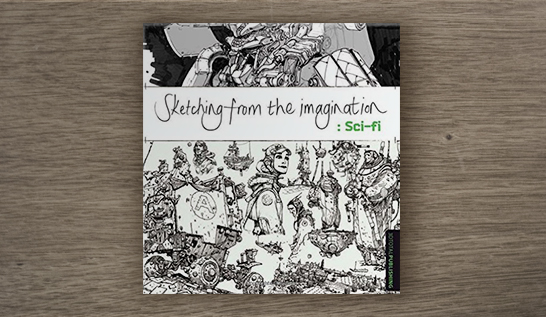
This little gem is called Sketching from the Imagination: Sci-Fi, by 3dTotal Publishing, and though it’s a few years old by this point, it will melt your face off if you’re at all into what I’m talking about here. There is some incredible talent in here. They’re doing it.

Also, these guys at ImagineFX (which is free on Kindle Unlimited now, if that works for you). One thing I especially appreciate about this magazine is the artists explain their desk setups, their materials and software, and their thought processes as they create.

What does all this have to do with “altered perceptions”?

It started with Leonardo Da Vinci’s notebooks, actually. I bought a compilation of them in a used book store in Florida and perusing them, noticing he spent a lot of time talking about the importance of an artist developing their “mental library”. I forget what he called it, but the idea was to look at the world differently and actually notice things like how light falls on an object, how light reflects off the table, where exactly shadows fall. File all that away so you can draw on it in different contexts when you need it.

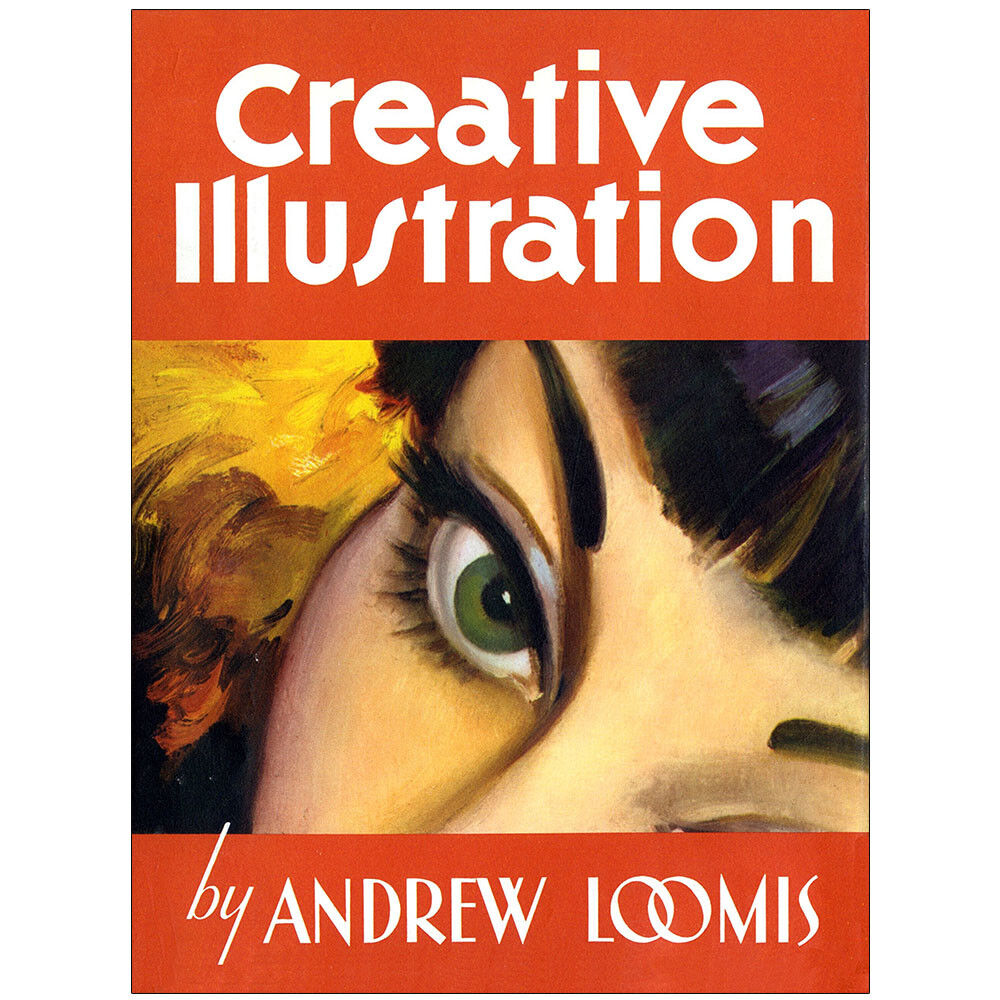
And there in one of the most influential art instruction books ever written, Creative Illustration by Andrew Loomis, he made the same sort of point. One of the first exercises he suggests is to simplify multiple scenes at random and find the “flow” in them. He saw things in terms of basic curves, ovals, and swirls and something like a person just standing there, to Loomis, was a flowing curved line. It made it easier for him to represent it simply and beautifully on the page. Yet, it’s an entirely different way to see the world, which is my point today.

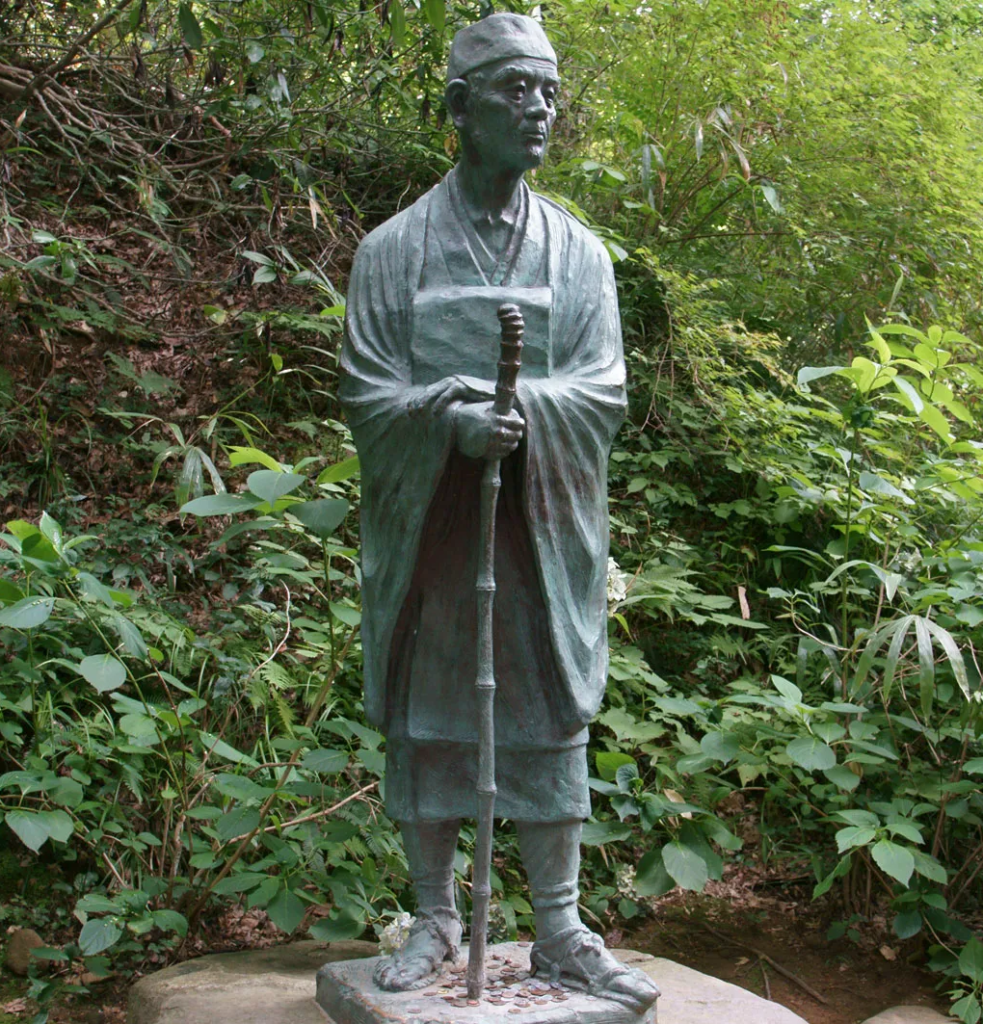
I’ve written here before about the visual power and intellectual punch of haiku. My hero in that world is an astounding 17th century genius named Matsuo Basho. This guy:

I’m reading (again) his poetry, this time in some translations by Andrew Fitzsimons, finding all kinds of new and striking illuminations there. One particular comment by Andrew caught my eye: he referred to Basho as one of the greatest “noticers” of literature.

“Noticers”

That struck me. Basho noticed things. Here:

The old pond

A frog leaps in

The sound of water

That’s his most famous one. For me, it’s not something I would pay a lot of attention to on my own, but just having him point this out – a little frog plopping in to a murky little pond, making that pleasant BLOP noise on a quiet morning – that’s just a relaxing and pretty thing now that I think about it. Basho points things like that out. He notices them and files them away for future contexts, including how it made him feel to see or experience it.

This past weekend, I was in the Smokey Mountains in Tennessee with my wife and stared longer than I should have at a little mossy tree root that had made its way out into the brook, just thinking about this sort of thing. Today, I noticed the way the sunrise light filtered through a bright orange autumn leaf, making it almost glow. Crazy.

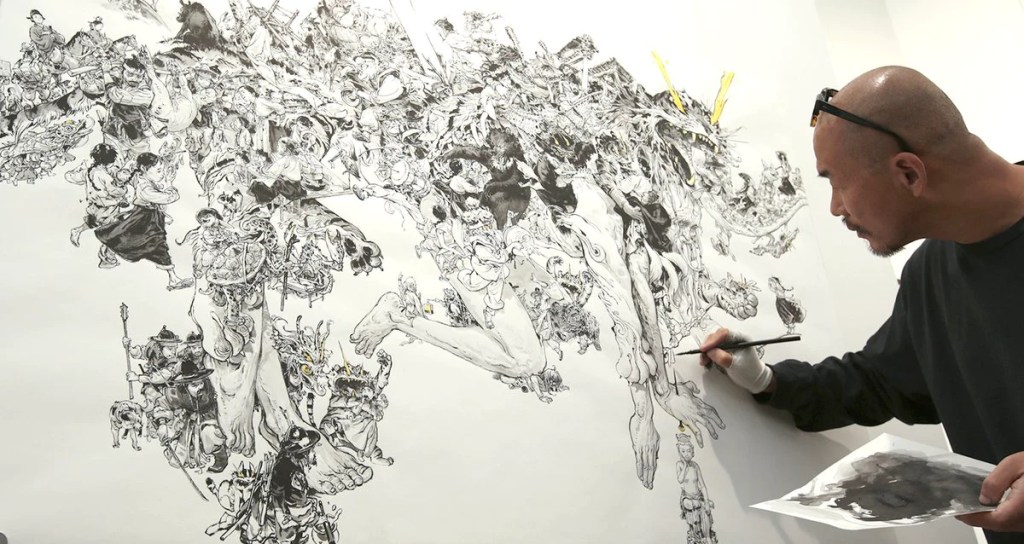
And then I found this guy, Kim Jung Gi. Please google him and watch and listen to a freakishly talented and wonderful human being! There are countless Youtube videos. Enjoy yourself watching him go nuts with a brush pen. Sadly, he passed away last year (and the world has lost something truly amazing).

He talked at length about how he looked at the world, things he noticed and filed away about how they look, how shapes curve, what geometries caught his eye, and the textures. Again, not things I’d pay attention to otherwise without someone pointing at it. We make mental shortcuts all day long – in fact, it’s how our minds work – and artists just focus their attention on things you and I might not because they know they’ll need those things later.

In my day job as a consultant focused on management behaviors and people interactions, that sort of thing plays into our daily lives practically every waking moment. One thing I do to explain that is ask an audience the color of the walls behind them or the pattern of the carpet. Nobody knows, and that’s my point. We’re shortcutting and letting information pass by us that doesn’t matter. We have to.

But what that means is there is untapped capacity to see things differently, to alter our perceptions.

And that leads us to Peter Han. This fellow, you need to meet.

Here’s his Instagram. Here’s his website. Here’s a demonstration of him just riffing on the paper. That’s him, grinning at you in the header image for this article, surrounded by some of his work.

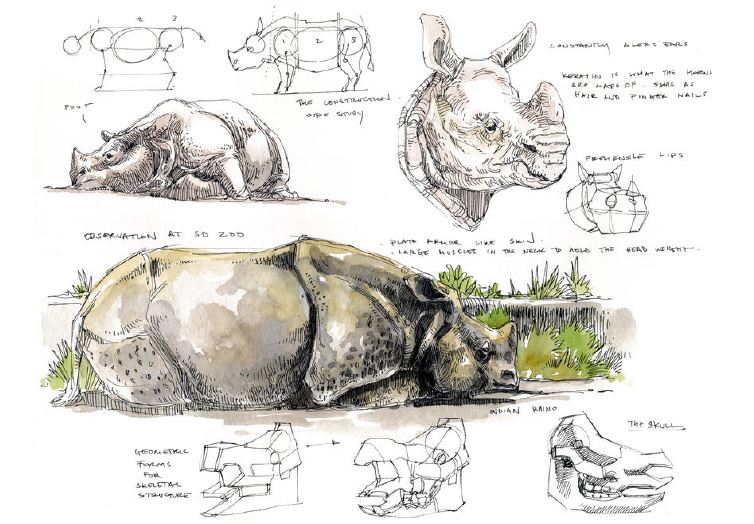
He sees the world like this:

Peter has an inspiring story. He’s been drawing since he was 5, and had an extremely influential teacher when he was studying art (Norm Schureman). Norm apparently impacted him so much that, even with Norm gone now (shot in a senseless and tragic act), Peter has based his life’s work on some of the approaches he learned back then. He’s built a little empire of teaching people like you and me to model any scene at all in terms of basic shapes to get the structure and proportions and silhouettes correct. After that, it’s just shading and texturing, if not also color.

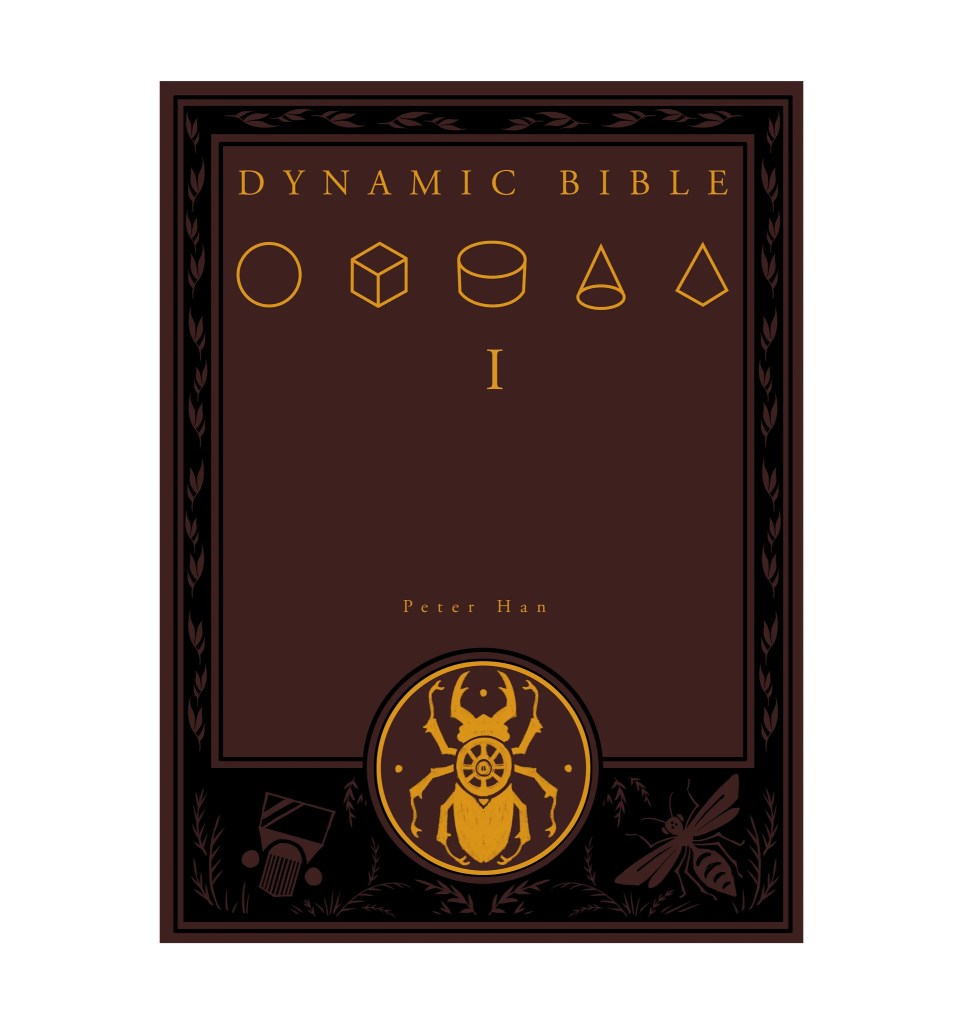
Here’s a sample of a wildly interesting book he’s written and illustrated he calls The Dynamic Bible. But you should really buy yourself the full copy available here.

What are we supposed to take away from all this?

Watch and listen enough to people like those guys highlighted in ImagineFX and Kim Jung Gi and Peter Han, and you’ll hear them talk about “interesting shapes” they encounter in their daily lives. They don’t just see a cricket, they see some fascinating geometry in its belly or legs that has something they appreciate about it. They don’t just see a sunbeam trickling through a dusty window onto a stairway landing, they see its fabric-like ripples and where it fades to one side but gets brighter on the other.

They may not just hear the frog jumping, but experience it more deeply and with more meaning than others.

My point is that’s the sort of untapped perception capacity we can all unleash, with a little focus and determination to do so.

A whole new way to experience the world! That’s what I’m getting at here. Something different and exciting to adventure with.

Cool, huh?

Till next time,

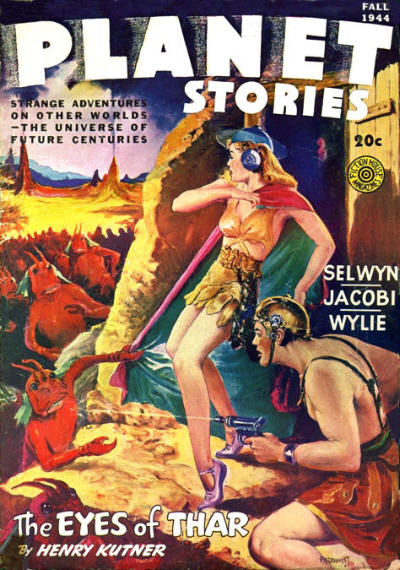
A Gem From The Pulps: The Eyes Of Thar

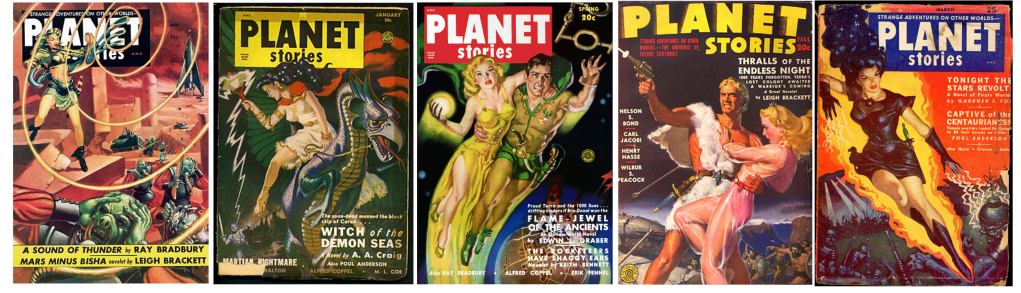
If life is a bit heavy these days, consider the starry-eyed wonder of the science fiction pulps of the 1930’s and 1940’s for a breath of clean air. One well I eternally find refreshing is Planet Stories, a pulp of substance that ran from 1939 to 1955 and which gave birth to many of the mainstream writers of the genre. Today, I want to bring you a low-key page turner of a short story from the Fall of 1944 that highlights the bold energy and high concept speculation typical of the time.

Welcome to Henry Kuttner’s The Eyes of Thar and our latest entry in the Pulp Gems series! (and yes, they misspelled his name on the cover)

Follow the link above to download the Fall 1944 Planet Stories (Kuttner’s story is on page 45), just to keep traffic flowing to the wonderful folks at the Internet Archive. Should you have any troubles with that, download it here.

She spoke in a tongue dead a thousand years, and she had no memory for the man she faced. Yet he had held her tightly but a few short years before, had sworn eternal vengeance – when she died in his arms from an assassin’s wounds…

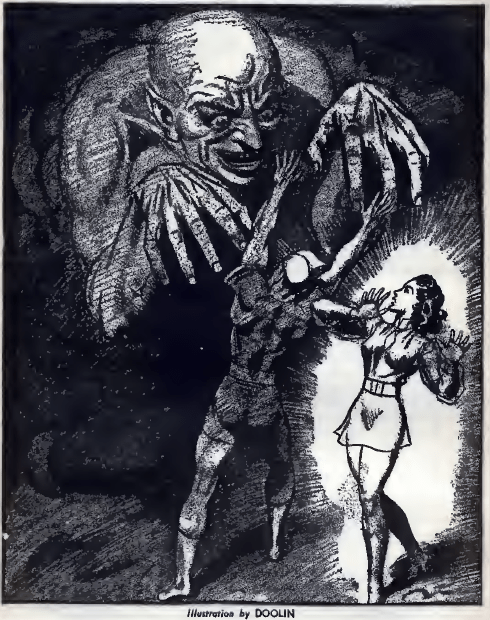
I really think some of those zingers from the tables of contents back in the day were wonderful! This one caught my eye with its dense and compelling mystery summed in those few lines: how was Kuttner going to explain a lady who was dead returning at all, much less one speaking a thousand-year old dead language? And this illustration by Joe Doolin that accompanied it – I was hooked before I started. If you’re unfamiliar with Doolin’s work, read up on him here.

Henry Kuttner co-wrote (with his extremely talented wife, C. L. Moore), one of the first science fiction novels I ever remember reading: Earth’s Last Citadel. I almost hate to re-read that one now, just because I have fond memories of it from then.

Anyway, our tale for today swings right into the action:

He had come back, though he knew what to expect. He had always come back to Klanvahr since he had been hunted out of that ancient Martian fortress so many years ago.

Samuel Dantan is a bloodthirsty terror to those on ancient Mars who had killed his lover years ago, returning to kill them mercilessly between bouts in the spacelanes.

“When Dantan came back to Klanvahr, men died, though if all the men of the Redhelm tribe were slain, even that could not satisfy the dull ache in Dantan’s heart.”

Unfortunately, the tables have turned on him this time, and he’s being hunted. In fact, it’s while he’s desperately on the run that he encounters a mysterious artifact in a canyon that has been exposed by a landslide. Climbing inside, he finds it to be an ancient laboratory, buried under the stream for maybe as many as ten thousand years. Then, locked inside and hiding from his pursuers, a familiar voice calls for someone named “Sanfel”…

At first, it’s just her voice speaking in the dead language of old Mars. Dantan knows it because his grandfather was a shaman and used it for ancient rituals. It’s the voice of his dead lover, for sure, though the mystery woman has no idea who he is. She, too is being hunted by nightmare beast-men of her own foreign universe. And she’s just as desperate.

There are different physics in her world, not only slower time passage but also things such as light and thought work very differently. The weapons and aid that Dantan promises her should they open the doorway between worlds would be useless to her. So she says, though he’s ready to die trying. Sanfel so many centuries ago was following her instructions to build a weapon able to help, but he was long turned to dust.

“No, Dantan, you speak in terms of your own universe. We have no common ground. It is a pity that time eddied between Sanfel and me, but eddy it did, and I am helpless now. And the enemy will be upon me soon. Very soon.”

So her beastly enemies are at her door in an unimaginably faraway universe even as the vicious thugs of Redhelm are at Dantan’s own. Somehow, it’s his lover, and she needs him. What can he do?

*

I’ll let you pick the story up from there, just to avoid spoilers. It’s maybe a half-hour read at most. Definitely worth it. Kuttner’s always great, and this one was a fresh take on Burroughs’ old Mars.

Planet Stories never disappoints.

I hope you liked the referral on this one. If you have your own gems from the pulps, feel free to let me know.

Till next time,

A Celebration! We’ve Hit The Halfway Mark!

Oh boy, has this been harder and infinitely more rewarding than I’d thought it would be!

A few months ago, we announced an exciting new project we’re working on at Grailrunner, expanding our Salt Mystic setting into tabletop roleplaying through a bibliomancy-style oracles book. The core idea is to provide a simple engine for exploring a fully realized science fantasy world with its rich history, colorful people and cultures, and the quirks and dangers of exploration contained in the covers of a book. The innovative twist on standard roleplaying oracles, which typically take the form of dice tables, is it will be constructed in a bibliomancy format.

We’re calling it:

I’m the guy writing it and it’s been life-changing. Seriously. I’ve had to stretch my imagination till it hurts to build out a realistic but fantastical world interesting enough to merit exploring and complex enough to come to glorious life for a solo player as well as for groups with a game master…all while avoiding contradictions with stories and materials we’ve already published.

What is bibliomancy?

It means foretelling the future by interpreting a random passage from a book.

How does that relate to roleplaying games?

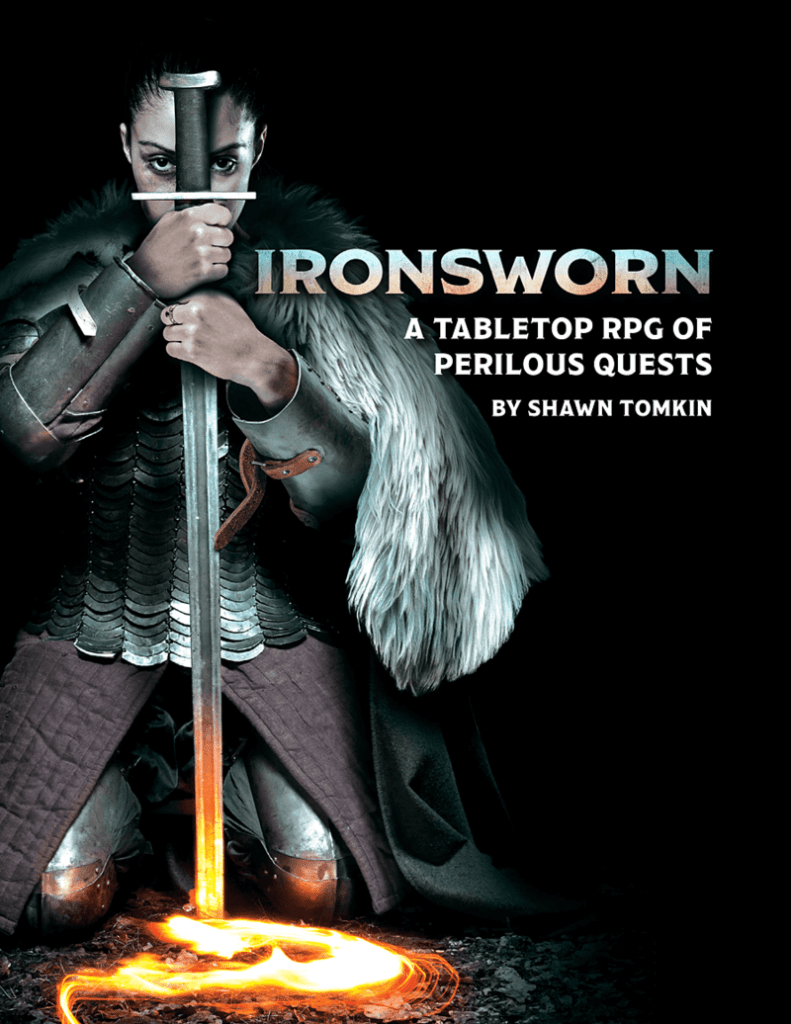
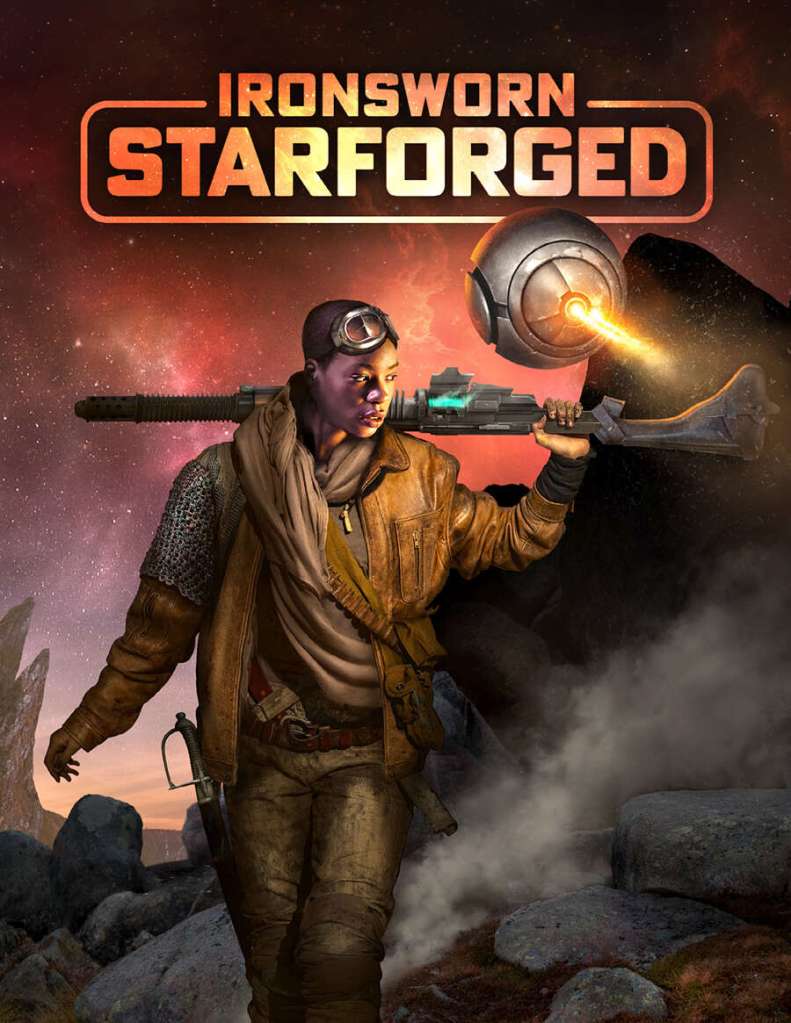
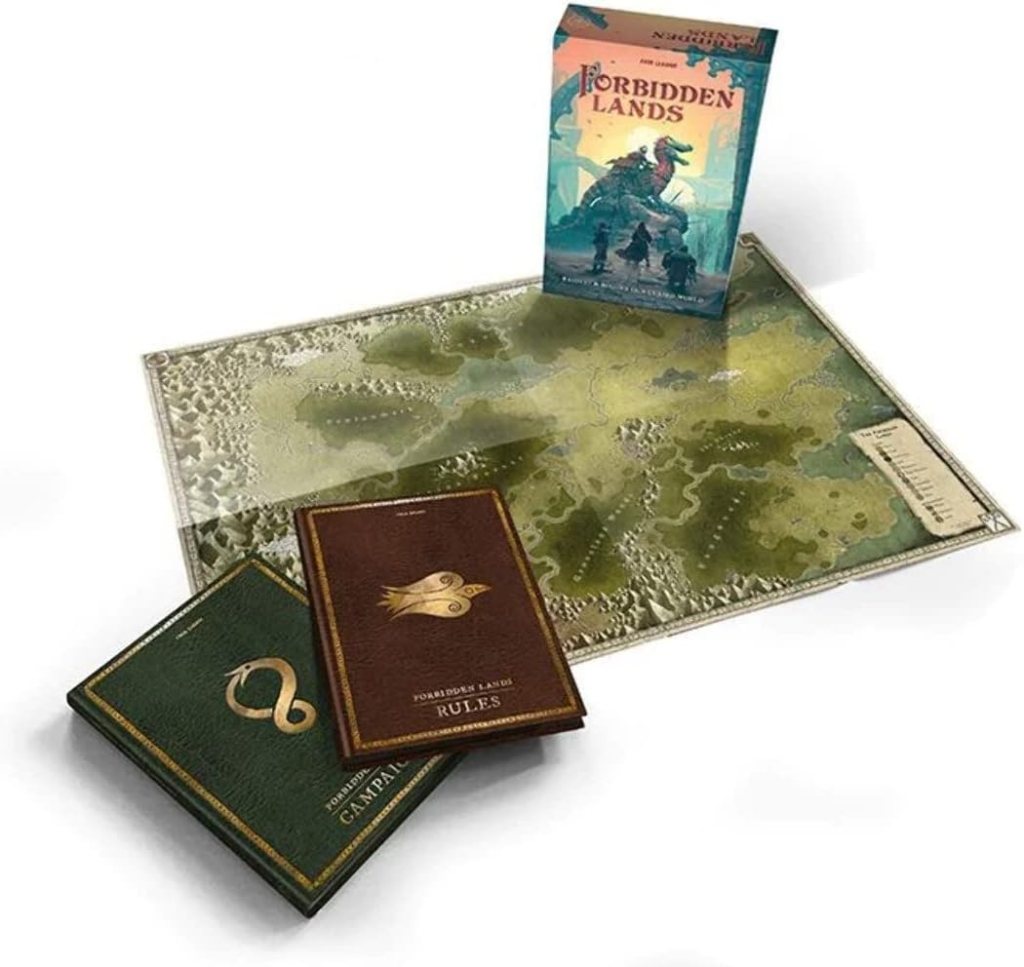
In well-constructed roleplaying games like Shawn Tomkin’s Ironsworn or Starforged, there are layers of dice tables you consult to surprise and throw new encounters and situations at a player. Shawn is a master of this, providing a first impression of a person, then a name, then a more revealed aspect of their character as you get to know them. In Starforged, he provides similar layering for a star system, a planet seen from orbit, then more revealed aspects of settlements as you land your space ship and learn more. This randomness and immersion makes magic happen when you’re trying to avoid a blank page staring back at you (if you’re playing solo) or, worse, a table of players waiting on you to be creative.

More to my point today, he also provides “Action” and “Theme” tables intended to set the scene for a new area you’re exploring or some new situation your player is entering. They’re a bit vague but Shawn has described the marvelous imaginative process we follow in consulting tables like this as “creative interpretation”. What he means is you bring your own thoughts and ideas and filters to bear when you roll for these random descriptive words and make sense of them to drive the story forward.

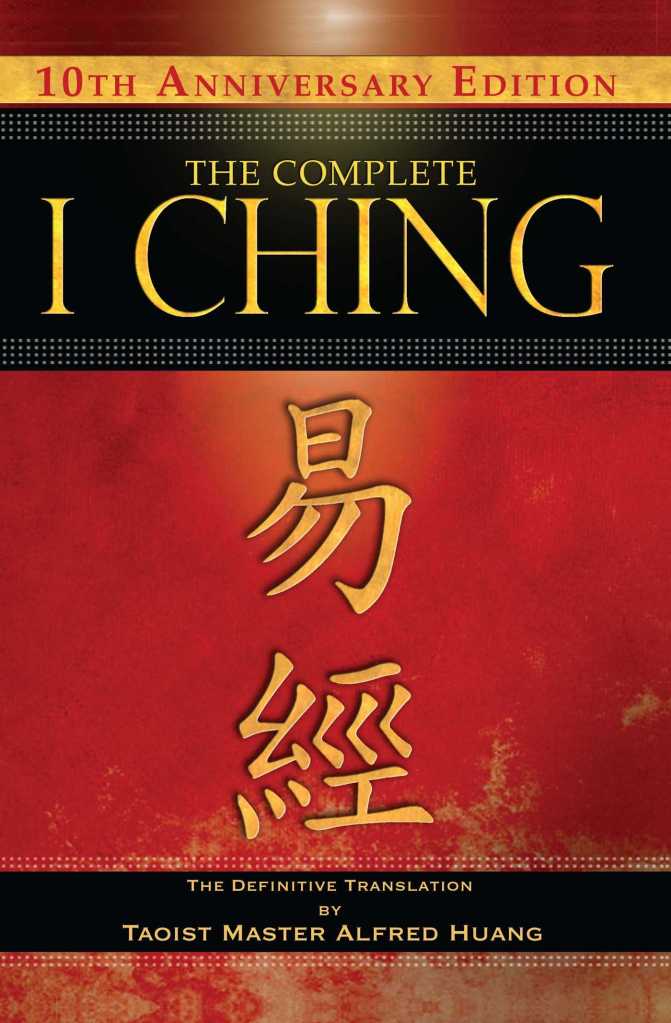
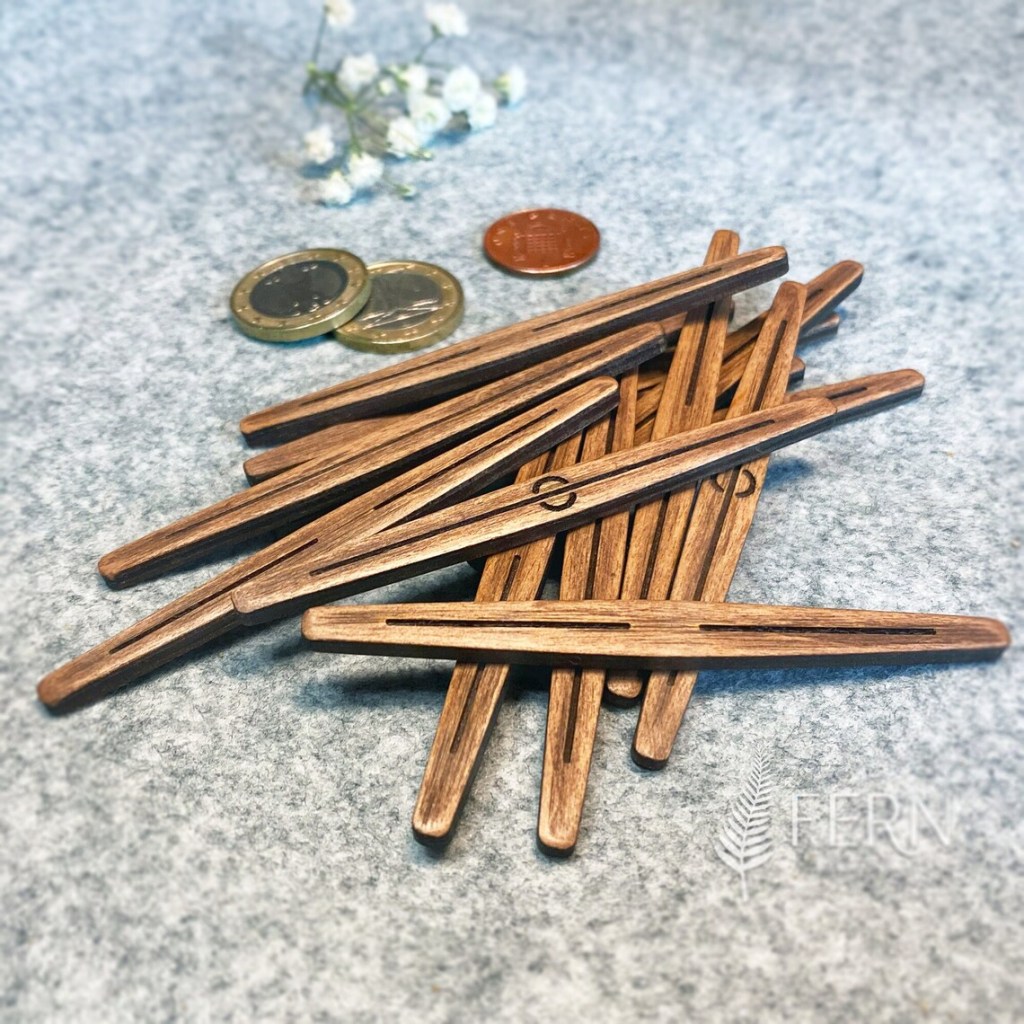
Apologies if you see the I Ching as reflecting a deep reality but I do not and view the creative interpretation process as similarly at work figuring out what a hexagram has to do with a given situation.

So this new book will be a one-stop shop for a roleplaying adventure then?

Yes. I’m being careful to design for use with any roleplaying system (as people are a bit judgey about this) so it can just be an oracles supplement for other systems. However, there are some intriguing things you can only do with bibliomancy mechanics which make it necessary to provide very streamlined rules a solo player or game master can use without any other system (or even dice) at all!

What sorts of new things in the Salt Mystic setting will we see in this?

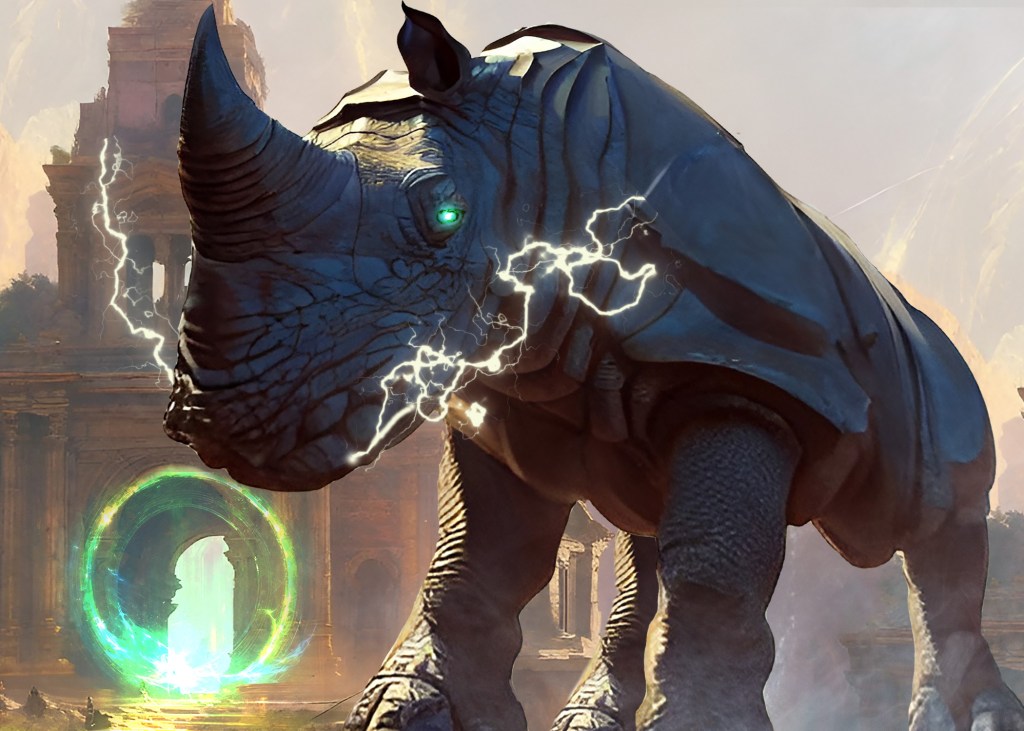
Wow, it surprises me every week! In another project (called Ruinwalker), we already had designed these massive naturally armored rhinos called “towerbeasts”, bio-engineered for ancient wars but still lingering about. Here, as towerbeasts pop up in various places it struck me that they didn’t have the kind of personality dragons do, jealously guarding piles of treasure and breathing white-hot flames.

So…

In Salt Mystic, we have all these abandoned gates to pocket dimensions of artificial space, inside which can be all manner of wonders. Suddenly, towerbeasts got taller in my imagination, and curious, fond of idly poking at and lingering about these gates. They might even jealously protect them, creating ugly encounters for adventurers looking to take a peek inside.

And I had them hiss lightning too, just to make it more interesting.

Fantastic! What else?

Oh, it’s something cool every week or so. My background imagination is always running on this. Let’s leave it for now.

OK, what is the creative process for this? What are your influences?

I wanted this to be on an epic scale, with shimmering cities in the distance and a long, rich history that gets glimpsed but maybe not exhaustively explained, giving the feeling of a world that’s existed a very long time and in which terribly and mighty things have happened. I’ve been rotating at random through several classic epics and transforming a randomly selected phrase into something that makes sense in this setting.

These, so far:

  • The Iliad
  • The Odyssey
  • The Ramayana
  • The Mahabharata
  • Greek mythology
  • Metamorphoses
  • Lucian’s True History
  • Calvino’s Invisible Cities
  • Dante’s Inferno
  • La Morte D’Arthur
  • The Aeneid
  • Beowulf
  • Gilgamesh
  • The Kalevela
  • Lugulbanda
  • Louis L’Amour books
  • The Persian Book of Kings
  • Arabian Nights
  • Parzival
  • Ring of the Nibelung
  • The Raghuvamsa
  • The Song of Roland
  • Pigafetta’s diary
  • The Lives of Saints

For example, if a phrase or encounter from a King Arthur story has a betrayal and a virtuous knight, I’ll keep the betrayal and turn the knight into a famous carbine gunslinger. Magical objects become abandoned & mysterious machines.

I’ve also recently started flipping to random pages in ImagineFX magazines and to interesting images on Artstation for inspiration.

What about the game mechanics?

I’ve spent a lot of time researching the best mechanics of various games to translate into a bibliomancy implementation. For exploration, there isn’t a game system better than Free League Publishing’s Forbidden Lands. I’ve taken a spark from them and eliminated dice and the map but tried to keep the general feel of how they treat encounters, story fragments, inventories, and experiences while exploring.

Right now, I’m trying to crack the code on a combat mechanic that doesn’t involve clueless bashing and smashing to grind down hit points. I’m super intrigued by an old, out-of-print game called Riddle of Steel, which contains an innovative and brutal set of rules for realistic combat simulation.

I’ve recently gotten touch with the designer of the game, a fantastic guy named Jake Norwood. We’ll be chatting later this month (I’ll write up the interview for our Inspirational Creator series). Hopefully, I can streamline from the spark of what he has there into something easy but with similar tactics and feel that leverages my format.

Anyway, I just wanted to celebrate a bit and catch everyone up on what’s happening here. I’m targeting 60k words for the text of this, a middling sized novel word count. When I crossed 30k words this week, I felt like cheering. It’s fun, but a real stretch.

I hope this intrigues you, and that you’re okay getting the occasional update as things evolve. Till next time,

New Salt Mystic Lore Card Available For Free Now!

It’s always exciting when we can bring you another lore card: those new bits of the expanding Salt Mystic setting delivered in a unique fusion of flash fiction and original artwork! And they’re free!

You can download any or all of the Lore Cards at the Story Arcade by smashing the button below:

One thing we’re hammering home with the Salt Mystic line, and which will always remain core to it, is this:

In the Salt Mystic universe, cowboy-clad adventurers with ball lightning carbines slung to their arms bravely delve terrifying and thrilling pocket dimensions. The backstory of the Infinite Republic and its collapse, and the unlimited range of possibilities lying in wait out there behind sparkling dimensional gates is the (intentional) engine behind the adventures we’re trying to create.

Read all about the setting here.

So this lore card, called “Newb”, began with the image. I was touring an art museum in Kansas City. And I came across Claude-Joseph Vernet’s “Coastal Harbor with a Pyramid: Evening”, an oil on canvas from 1751.

Here, let me zoom in to the part that struck me:

I just kind of stopped and stared at that part. I mean, what was a pyramid with Roman columns doing on a seashore? And a functional one, at that? It sent my mind reeling, and of course ultimately (as always with me), made me think of sparkling and sizzling gates to artificial pocket dimensions where boundless adventures awaited.

Doesn’t that happen to you?

The artwork for this lore card was based on this, then. I wanted ruins beside a seashore with dudes working their gear along the lines of an exploration party, and I imagined the oriel gate as a shimmering window to another world up on the ruins.

The piece that heads this article is the end result: a paintbash of numerous elements, some of which were drawn from an AI art generator using prompts relating to what I had in mind. Once I composited all the pieces and bits together in Photoshop and color graded everything to match, I tried another trick.

Take a look at this work by Milan concept artist, Edvige Faini:

I am not great with color palettes. In Photoshop, you can match an image to another image’s color palette fairly readily. What I had produced so far in my process was too brown, too plain. It didn’t stand out like I’d hoped, and my adjustments to color and vibrance and hue weren’t giving me the result I wanted.

So I used Edvige’s piece here for the color scheme, matching my art to her color palette. I don’t know what you think, but to me, it’s wonderful. I’m a little overly attached to turquoise, so I’m biased. But still, I like the final product quite a bit.

This was the first lore card where I added the text over the image magazine-style. I’ve been reading a lot of graphic design books so wanted to experiment a bit.

Download the new lore card here.

Till next time, guys: